This volume forms part of the Latino Communities, Emerging Voices Political, Social, Cultural and Legal Issues series. This study explores the diverse struggles of incorporation pursued by immigrants from the Dominican Republic to one city in the United States- New York City. The Dominican Republic, the second largest country of the Greater Antilles in the Caribbean Sea, was the nation that sent the most immigrants to New York City during the 1980s and 1990s. This study chronicles the lives of Dominicans in New York City: their difficulties, their courage, and their boldness to incorporate themselves into American politics.
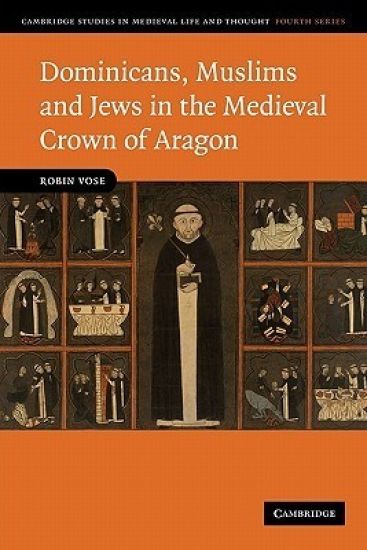
With their active apostolate of preaching and teaching, Dominican friars were important promoters of Latin Christianity in the borderlands of medieval Spain and North Africa. Historians have long assumed that their efforts to convert or persecute non-Christian populations played a major role in worsening relations between Christians, Muslims and Jews in the era of crusade and reconquista. This study sheds light on the topic by setting Dominican participation in celebrated but short-lived projects such as Arabic language studia or anti-Jewish theological disputations alongside day-to-day realities of mendicant life in the medieval Crown of Aragon. From old Catalan centers like Barcelona to newly conquered Valencia and Islamic North Africa, the author shows that Dominican friars were on the whole conservative educators and disciplinarians rather than innovative missionaries - ever concerned to protect the spiritual well-being of the faithful by means of preaching, censorship and maintenance of existing barriers to interfaith communications.
With their active apostolate of preaching and teaching, Dominican friars were important promoters of Latin Christianity in the borderlands of medieval Spain and North Africa. Historians have long assumed that their efforts to convert or persecute non-Christian populations played a major role in worsening relations between Christians, Muslims and Jews in the era of crusade and reconquista. This study sheds light on the topic by setting Dominican participation in celebrated but short-lived projects such as Arabic language studia or anti-Jewish theological disputations alongside day-to-day realities of mendicant life in the medieval Crown of Aragon. From old Catalan centers like Barcelona to newly conquered Valencia and Islamic North Africa, the author shows that Dominican friars were on the whole conservative educators and disciplinarians rather than innovative missionaries - ever concerned to protect the spiritual well-being of the faithful by means of preaching, censorship and maintenance of existing barriers to interfaith communications.
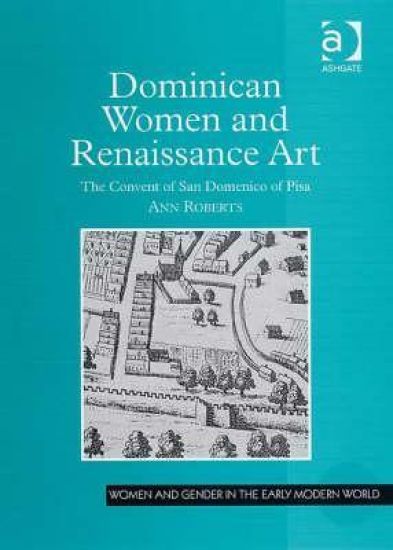
Starting from an inventory and other documents, Ann Roberts has identified some 30 works of art that originated from the convent of San Domenico of Pisa. She here examines those objects commissioned for and made by the nuns during the fifteenth century; some of the objects included have never before been published. One of her goals in this study is to bring into the discussion of Renaissance art a body of images that have been previously overlooked, because they come from a non-Florentine context and because they do not fit modern notions of the "development" of Renaissance style. She also analyzes the function of the images - social as well as religious - within the context of a female Dominican convent. Finally, she offers descriptions of and documentation for the process of patronage as it was practiced by cloistered women, and the making of art in such enclosures. The author presents a catalogue of works, which gives basic data and bibliography for the objects described in the text. Roberts offers other valuable resources in the appendices, including unpublished C19th inventories of the objects in the convent at various moments, documents regarding the commission of works of art for the convent, letters written by the nuns, a list of the Prioresses of San Domenico, lists of nuns at different points in the fifteenth and early sixteenth century, and a list of the relics owned by the convent in the sixteenth century. Roberts firmly grounds her interpretation in the values of the Order to which the nuns belonged, and in the political and social concerns of their city.
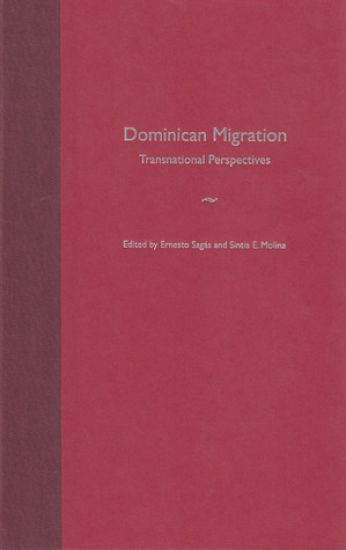
Political and economic hardships have led over one million Dominicans to leave their homeland and settle in foreign countries - the United States, Spain, Venezuela, and other countries in Latin American and Europe. In essays covering subjects from politics to literature, this interdisciplinary work analyzes the Dominican diaspora as a multifaceted global phenomenon in which Dominican transmigrants live, work, and participate in two or more societies. It examines the forces that fueled the diasporic migration of Dominicans; the characteristics of the migration process; the main challenges to political and social incorporation; the formation of communities in New York, Spain, and other locales; and issues of gender in education, employment, and the household.
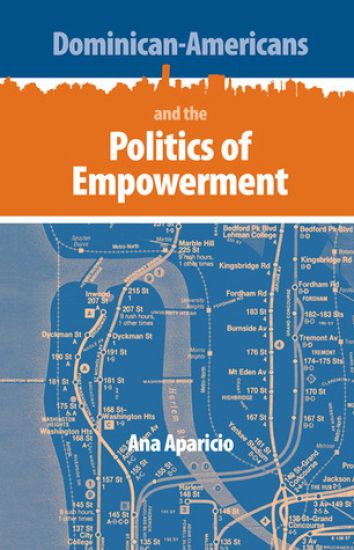
Aparicio examines the ways first- and second-generation Dominican-Americans in the dynamic northern Manhattan neighborhood of Washington Heights have shaped a new Dominican presence in local New York City politics. Through community organizing, they have formed coalitions with people of different national and ethnic backgrounds and other people of color, tackled local concerns, and created new routes for empowerment. The character of Dominican-American politics has changed since the first large wave of Dominican immigrants arrived in New York in the 1960s. Aparicio shows how second-generation activists, raised and educated in public institutions in the city, have expanded their network to include fellow Dominicans - both in the United States and abroad - as well as other ethnic and racial minorities, such as Puerto Ricans and African-Americans, who share common goals. Offering the perspectives of local organizers and members of Dominican-American organizations, Aparicio documents their thoughts on such issues as education, police brutality, civic participation, and politics. She also explores the ways in which they experience, reflect upon, and organize around issues of race and racialization processes, and how their experiences influence their political agendas and actions. This new story of immigration and empowerment highlights the complexity of any group's political development, making it useful for students of U.S. Latino and youth culture, as well as scholars of urban studies and politics, race, immigration, and transnationalism.
"An original and significant contribution to the growing field of Latino Studies that documents the emergence of a pan-ethnic and interracial sense of solidarity among Latinos and other 'people of color'."--Jorge Duany, University of Puerto Rico"Clearly written, well argued, intellectually engaging. . . . this book shows that one can only hope to understand the political development of New York Dominicans by meticulous observation of a convergence of multiple factors. . . . An unprecedented chronicle of the evolution of Dominicans as political beings in New York."--Silvio Torres-Saillant, Syracuse UniversityAparicio examines the ways first- and second-generation Dominican-Americans in the dynamic northern Manhattan neighborhood of Washington Heights have shaped a new Dominican presence in local New York City politics. Through community organizing, they have formed coalitions with people of different national and ethnic backgrounds and other people of color, tackled local concerns, and created new routes for empowerment.The character of Dominican-American politics has changed since the first large wave of Dominican immigrants arrived in New York in the 1960s. Aparicio shows how second-generation activists, raised and educated in public institutions in the city, have expanded their network to include fellow Dominicans--both in the United States and abroad--as well as other ethnic and racial minorities, such as Puerto Ricans and African-Americans, who share common goals. Offering the perspectives of local organizers and members of Dominican-American organizations, Aparicio documents their thoughts on such issues as education, police brutality, civic participation, and politics. She also explores the ways in which they experience, reflect upon, and organize around issues of race and racialization processes, and how their experiences influence their political agendas and actions.This new story of immigration and empowerment highlights the complexity of any group's political development, making it useful for students of U.S. Latino and youth culture, as well as scholars of urban studies and politics, race, immigration, and transnationalism. Ana Aparicio is assistant professor of anthropology and research associate for the Mauricio Gaston Institute for Latino Community Development and Public Policy at the University of Massachusetts, Boston.
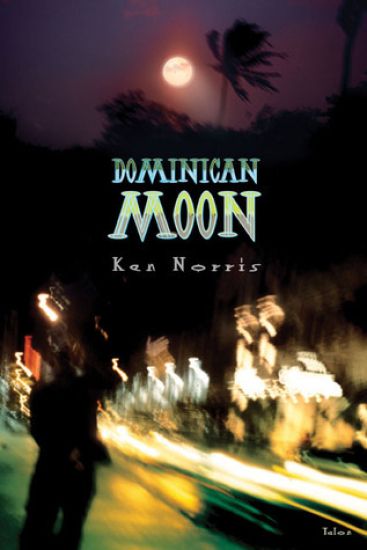
Composed like a dark novel-in-verse, Dominican Moon is the second book in Ken Norris's travel trilogy. With Dante as his guide, he leaves behind the predominantly European terrain of the first book in this series, Limbo Road, and finds himself in the "terra incognita" of the Caribbean Sea. On his own contemporary voyage of discovery of the island of Hispaniola, the "new world" Columbus discovered in 1492, Norris encounters seductive lovers and moon-haunted tropical nights, dark Dominican rum and winter baseball, sugar cane fields and "the city of shortstops." At the heart of the book is an unsettling story of the deficiencies of love--of a perhaps not so divine comedy of those who didn't love enough--steeped in a clash of cultures wherein the third world willingly, even perversely, offers itself up as a farm-team for the first, fueled by the cataclysm of that other third world export, cocaine.
Learn Dominican Spanish One Word at a Time - It's EasyNo matter whether traveling to the Dominican Republic as a tourist, a student, or moving there as an expatriate, this guide will serve you well. You already know the Spanish spoken by Dominicanos is a distinct and unique idiom, rich with words, phrases, and slang they don't teach in high school Spanish class.Intended for English speakers, this book shares common words, phrases, and slang you need to communicate in everyday situations: When ordering a meal in a restaurantOrdering a drink in a bar.Bargain for fresh produce at the mercado.While flirting, When getting street directions.When hiring a taxi.Snorkeling on the reefsZip-lining in the jungle.Relaxing on beautiful beaches.That said, be advised that this little book is neither a complete course in learning the Spanish language nor a textbook. Instead of a scholarly work, it is a basic introduction to Dominican Republic Spanish, a good beginner's guide you can handily carry on your travels, either in your back pocket or tucked away in a backpack. This guide contains a wealth of words and expressions you can look up when you hear or read them to know what is happening around you. The best strategy: Before you go, spend a night or two curled up with the book gaining familiarity with the wisdom it contains. That way, when you hear a vaguely familiar word on the street, you will know which page to consult to jog your memory. Even if you studied Spanish in high school, learning a few words of Dominican Republic-specific slang pays big dividends through more enjoyable conversation. And even more importantly, it will help you fit in a little better. Instead of being seen as some soul-less gringo tourist, the locals will hold you in higher esteem. As a result, you may make new friends, and as a bonus, perhaps get a better price on a hotel room or lower prices while shopping.A Sampling of Dominican Republic Foods: Ahuyama - A yam used in many soups for nutrition and colorAj - A generic pepperAji Verde - Green pepperAlb ndigas - meatballsAlcachofas - artichokesAlgarrobo - This is an extraordinary, fuzzy textured fruit. When opened, it reeks, hence its nickname mierda en cajeta (shit in a little box) texture. Once you get past the foul odor, the fruit is sweet and delicious.Arbejas - peasArenque - stewed herringArepa - is a spicy, baked pudding made from cornmeal and coconutArepitas de Ma z - fried corn meal cakes that resemble cornbreadBacala tos - codfish frittersBacalao - codfishBarbacoa - barbecueBatata Frita - sweet potato frittersBatata - sweet potatoBatida - a drink blended with fruit, ice, sugar, and either regular or Carnation milk
This prayer book, compiled by the Dominican Sisters of the Perpetual Rosary, offers a rich treasury of devotions and prayers for every occasion. The book includes the Order's daily liturgical cycle, reflections on the mysteries of the rosary, and other popular devotions such as the Stations of the Cross and the Novena to Our Lady of Perpetual Help. A valuable resource for anyone seeking to deepen their prayer life.This work has been selected by scholars as being culturally important, and is part of the knowledge base of civilization as we know it.This work is in the "public domain in the United States of America, and possibly other nations. Within the United States, you may freely copy and distribute this work, as no entity (individual or corporate) has a copyright on the body of the work.Scholars believe, and we concur, that this work is important enough to be preserved, reproduced, and made generally available to the public. We appreciate your support of the preservation process, and thank you for being an important part of keeping this knowledge alive and relevant.
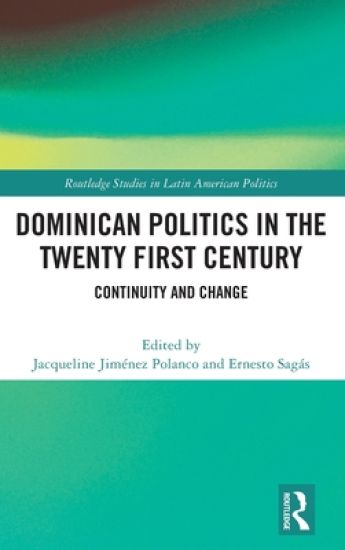
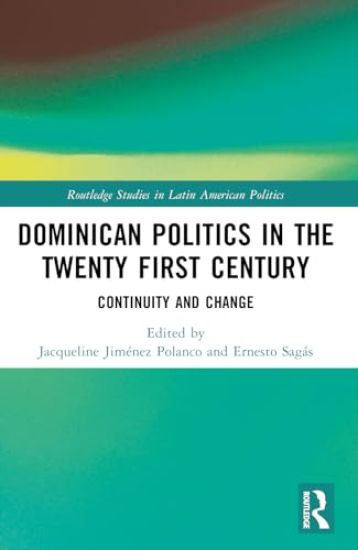
This collection examines the continuities and changes that have set the Dominican political system apart from its Latin American counterparts over the last couple of decades. Whereas traditional political parties have lost support throughout Latin America and electoral systems have devolved into illiberal democracies, Dominican democracy remains flawed but vibrant with a popular embrace of party politics.Across eight chapters, a collection of subject experts argue that the Dominican case offers valuable lessons to understand that even though traditional political parties are endangered throughout the region, they are not going anywhere. The book analyzes topics including electoral politics, the quality of Dominican democracy, political parties, corruption, relations with Haiti and the United States, migration, the Dominican diaspora, gender and politics, social movements, and civil participation and citizenship, to reveal how the Dominican case proves that traditional political parties can adapt in order to survive, turning themselves into major sources of patronage, appealing to personalistic politics, and tinkering with the constitution in order to stay relevant.Dominican Politics in the Twenty First Century will be a vital resource for understanding contemporary Dominican politics. It will appeal to political scientists, Latin Americanists, and students of democracy, comparative politics, and electoral politics in general.
This collection examines the continuities and changes that have set the Dominican political system apart from its Latin American counterparts over the last couple of decades. Whereas traditional political parties have lost support throughout Latin America and electoral systems have devolved into illiberal democracies, Dominican democracy remains flawed but vibrant with a popular embrace of party politics.Across eight chapters, a collection of subject experts argue that the Dominican case offers valuable lessons to understand that even though traditional political parties are endangered throughout the region, they are not going anywhere. The book analyzes topics including electoral politics, the quality of Dominican democracy, political parties, corruption, relations with Haiti and the United States, migration, the Dominican diaspora, gender and politics, social movements, and civil participation and citizenship, to reveal how the Dominican case proves that traditional political parties can adapt in order to survive, turning themselves into major sources of patronage, appealing to personalistic politics, and tinkering with the constitution in order to stay relevant.Dominican Politics in the Twenty First Century will be a vital resource for understanding contemporary Dominican politics. It will appeal to political scientists, Latin Americanists, and students of democracy, comparative politics, and electoral politics in general.