Be careful what you wish for, because you just might get it. That's a lesson Dora learns the hard way. She inherits a magic box that grants wishes, but always with strange side effects and unintended consequences. For instance, it quite unexpectedly gives her a gigantic penis. At first she is mortified and hides her magic sex organ as best she can. Eventually, however, Dora learns that unintended consequences aren't necessarily bad. A huge dick can also be a lot of fun. It can even point the way to love. This short novel contains scenes of explicit sex and is intended for adults only. 40,000 words]
The Digital Operational Resilience Act (DORA) aims to strengthen the ICT security of financial entities and ensure the resilience of the financial sector in the event of cyber-attacks or other digital disruption. DORA: Interpreting the EU’s Digital Operational Resilience Act is a definitive and detailed handbook, covering the legislative and compliance requirements. Split into two parts, this book provides an in-depth guide to DORA, whilst also examining the most recent updates and current practical issues. The book covers the various new and detailed reporting obligations that are created, alongside: - Increasing different types of IT security - Digital operational resilience (which is wider than just security) - Boards, roles and responsibilities - ICT risk management frameworks - Digital operational resilience testing and penetration testing and assessing - Patching and vulnerabilities - Modern and legacy systems - Identification, protection, prevention, and detection - Response, recovery, and backups - Third party service providers and dependencies - Crisis communication responses, training, learning, and evolving - Liability, investigations, enforcement, costs, and penalties The guide is essential reading for those working in financial services, insurance and ICT, alongside legal professionals and industry regulators.This title is included in Bloomsbury Professional's Intellectual Property and IT online service.
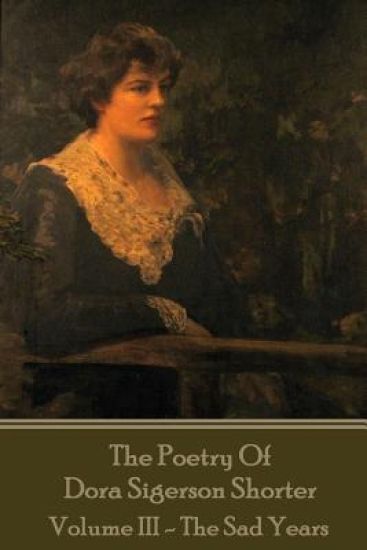
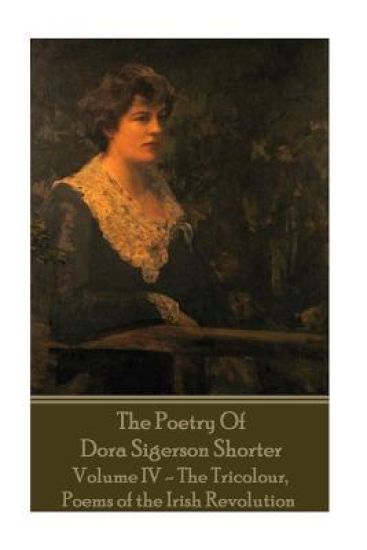
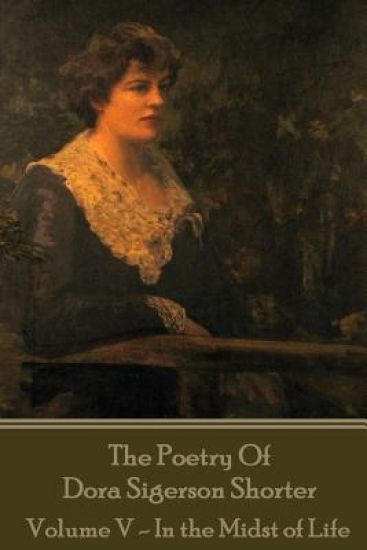
Dora Mary Sigerson was born in Dublin on August 16th, 1866, the daughter of George Sigerson, a surgeon and writer, and Hester (n e Varian) also a writer. Her father was a leader in Dublin's intellectual world and immersed the young Dora in the vibrant literary society of Dublin throughout her childhood, helping her gain a deep and complete love of her country. Like her father, Dora was active in the Irish literary revival, and a passionate campaigner for home rule. Her poetry collections date from 1893 and are particularly evocative when she writes of her homeland, War and, most of all, the Easter Rising of 1916. Her friends included Katharine Tynan, the noted Irish poet and author as well as fellow writers and poets Rose Kavanagh and Alice Furlong. When she married Clement King Shorter, an English journalist and literary critic, in 1895 they moved to England and she wrote under the name Dora Sigerson Shorter. Although in England her heart's passion remained with Ireland. The tragic events of Easter 1916, were a terrible blow to her and her health quickly began to fail. Dora Mary Sigerson Shorter died on January 6th, 1918. The cause of her death was not disclosed. As well as a foremost poet Dora's talents extended to sculpture, journalism and novels. Dora's best-known sculpture is the memorial in Glasnevin Cemetery to the executed leaders of the Easter Rebellion. In her lifetime she was renowned for her personal beauty and her charm. That charm is reflected in her works which are full of eagerness, love, sympathy, and, of course, suffering.
Dora Mary Sigerson was born in Dublin on August 16th, 1866, the daughter of George Sigerson, a surgeon and writer, and Hester (n e Varian) also a writer. Her father was a leader in Dublin's intellectual world and immersed the young Dora in the vibrant literary society of Dublin throughout her childhood, helping her gain a deep and complete love of her country. Like her father, Dora was active in the Irish literary revival, and a passionate campaigner for home rule. Her poetry collections date from 1893 and are particularly evocative when she writes of her homeland, War and, most of all, the Easter Rising of 1916. Her friends included Katharine Tynan, the noted Irish poet and author as well as fellow writers and poets Rose Kavanagh and Alice Furlong. When she married Clement King Shorter, an English journalist and literary critic, in 1895 they moved to England and she wrote under the name Dora Sigerson Shorter. Although in England her heart's passion remained with Ireland. The tragic events of Easter 1916, were a terrible blow to her and her health quickly began to fail. Dora Mary Sigerson Shorter died on January 6th, 1918. The cause of her death was not disclosed. As well as a foremost poet Dora's talents extended to sculpture, journalism and novels. Dora's best-known sculpture is the memorial in Glasnevin Cemetery to the executed leaders of the Easter Rebellion. In her lifetime she was renowned for her personal beauty and her charm. That charm is reflected in her works which are full of eagerness, love, sympathy, and, of course, suffering.
Dora Mary Sigerson was born in Dublin on August 16th, 1866, the daughter of George Sigerson, a surgeon and writer, and Hester (n e Varian) also a writer. Her father was a leader in Dublin's intellectual world and immersed the young Dora in the vibrant literary society of Dublin throughout her childhood, helping her gain a deep and complete love of her country. Like her father, Dora was active in the Irish literary revival, and a passionate campaigner for home rule. Her poetry collections date from 1893 and are particularly evocative when she writes of her homeland, War and, most of all, the Easter Rising of 1916. Her friends included Katharine Tynan, the noted Irish poet and author as well as fellow writers and poets Rose Kavanagh and Alice Furlong. When she married Clement King Shorter, an English journalist and literary critic, in 1895 they moved to England and she wrote under the name Dora Sigerson Shorter. Although in England her heart's passion remained with Ireland. The tragic events of Easter 1916, were a terrible blow to her and her health quickly began to fail. Dora Mary Sigerson Shorter died on January 6th, 1918. The cause of her death was not disclosed. As well as a foremost poet Dora's talents extended to sculpture, journalism and novels. Dora's best-known sculpture is the memorial in Glasnevin Cemetery to the executed leaders of the Easter Rebellion. In her lifetime she was renowned for her personal beauty and her charm. That charm is reflected in her works which are full of eagerness, love, sympathy, and, of course, suffering.
Dora Maria Sigerson Shorter (16 August 1866 - 6 January 1918) was an Irish poet and sculptor, who after her marriage in 1895 wrote under the name Dora Sigerson Shorter.She was born in Dublin, Ireland, the daughter of George Sigerson, a surgeon and writer, and Hester (n e Varian), also a writer. She was a major figure of the Irish Literary Revival, publishing many collections of poetry from 1893. Her friends included Katharine Tynan, Rose Kavanagh and Alice Furlong, writers and poets. In 1895 she married Clement King Shorter, an English journalist and literary critic. They lived together in London, until her death at age 51 from undisclosed causes
My poems are nostalgically inspired by life, love, and family. I was born in Little Rock, Arkansas, raised by two wonderful parents who tried very hard to raise ten children. I grew up on a street next to the interstate where you could hear the cars on the interstate and see so many people going past. We loved running, playing, and riding our bicycles and homemade go-carts all over the neighborhood till nightfall. I loved where I lived, and I loved growing up with my siblings. We had bad times and good times, but most of all we loved our neighborhood; we loved growing up on Commerce Street. My hobbies are writing, music, singing, swimming, and sewing.