
Kirjahaku
Etsi kirjoja tekijän nimen, kirjan nimen tai ISBN:n perusteella.
1000 tulosta hakusanalla Fulton Sheen
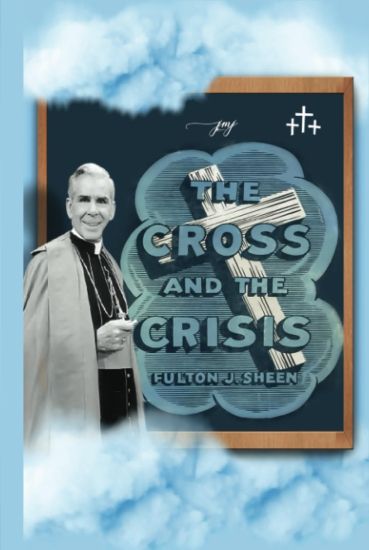

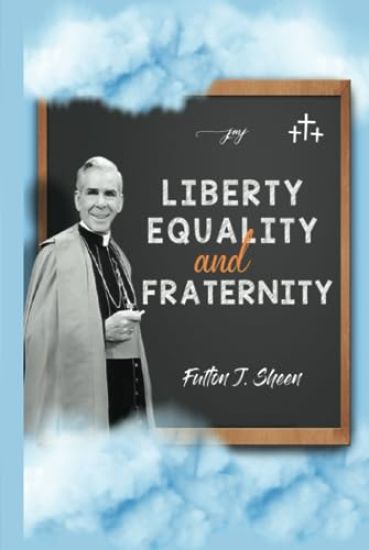

THE LORD'S PRAYER AND THE SEVEN LAST WORDSDuring the 1930s and '40s, Fulton Sheen was the featured speaker on The Catholic Hour radio broadcast, and millions of listeners heard his radio addresses each week. His topics ranged from politics and the economy to philosophy and man's eternal pursuit of happiness.Possessing a burning zeal to dispel the myths about Our Lord and His Church, Sheen gave a series of powerful presentations on Christ's Passion and His seven last words from the Cross. As a Scripture scholar, Archbishop Sheen knew full well the power contained in preaching Christ crucified. With St. Paul, he could say, "For I decided to know nothing among you except Jesus Christ and him crucified" (1 Cor. 2:2).During his last recorded Good Friday address in 1979, Archbishop Sheen spoke of having given this type of reflection on the subject of Christ's seven last words from the Cross "for the fifty-eighth consecutive time." Whether from the young priest in Peoria, Illinois, the university professor in Washington, D.C., or the bishop in New York, Sheen's messages were sure to make an indelible mark on his listeners.Given their importance and the impact they had on society, it seemed appropriate to reintroduce a number of these reflections from 1933 and 1935 on the Seven Last Words and The Lord's Prayer.Fulton Sheen wrote: Our Lord is the only King who ever stumbled to His throne. But that was because He is God, and God reveals His Power through the weakness of a crucifixion and His Wisdom through the foolishness of a cross.What message will the King deliver from His unkingly throne? Last words are always important but particularly the last words of Him Who gave His Life for the redemption of many It will be recalled that one day, the Apostles approached Him saying: "Lord, teach us to pray." He answered their request by giving them the perfect prayer: the Our Father. Now the time comes for Him to say His own "Our Father." As there were seven petitions in the "Our Father" He taught us, so there are seven petitions in His own last prayer. They are known as the Seven Last Words. We shall meditate conjointly on our "Our Father," and His "Our Father."Our Father Who art in heaven. / Father, forgive them for they know not what they do.Hallowed be Thy Name. / Amen, I say to thee, this day thou shalt be with me in paradise.Thy Kingdom Come. / Woman, behold thy son.Thy Will be done on earth as it is in heaven. / My God, My God, why hast thou forsaken me?Give us this day our daily bread. / I thirst.Forgive us our trespasses as we forgive those who trespass against us. / It is consummated.Deliver us from all evil. Amen. / Father, into thy hands I commend my spirit.The Lord's Prayer and the Seven Last Words have been referred to as "Two Bridges Connecting Heaven and Earth". In the pages that will follow, Archbishop Sheen will help us to understand this in a more deep and meaningful way.
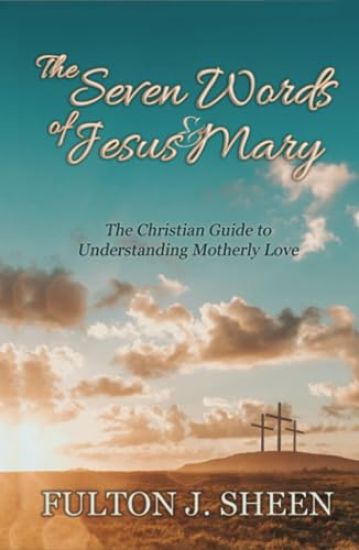
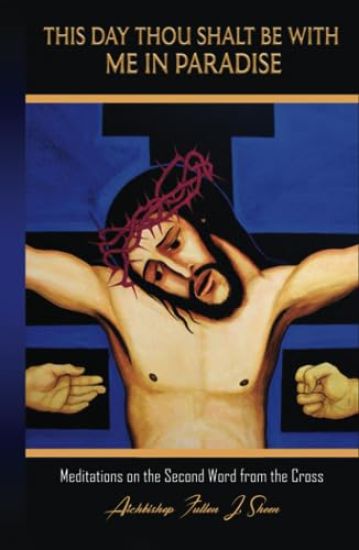
"This Day Thou Shall Be With Me In Paradise." (Luke 23:43)Meditations on the Second Word from the Cross by Archbishop Fulton J. Sheen "The perfectly sized meditation book (5.5 x 8.5") for use at home or church." (Special 'JMJ' Edition)For years, Archbishop Sheen gave a series of powerful presentations on Christ's Passion and His seven last words from the Cross. As a Scripture scholar, Archbishop Sheen knew full well the power contained in preaching Christ crucified. With St. Paul, he could say, "For I decided to know nothing among you except Jesus Christ and him crucified" (1 Cor. 2:2).During his last recorded Good Friday address in 1979, Archbishop Sheen spoke of having given this type of reflection on the subject of Christ's seven last words from the Cross "for the fifty-eighth consecutive time." Whether from the young priest in Peoria, Illinois, the university professor in Washington, D.C., or the bishop in New York, Sheen's messages were sure to make an indelible mark on his listeners.Given their importance and the impact they had on society, it seemed appropriate to bring together in this anthology some of Archbishop Sheen's meditations on the Seven Last Words Our Blessed Lord spoke from the Cross on Calvary.This anthology has been arranged to provide nine unique reflections for study and meditation on the words "This Day Thou Shall Be With Me In Paradise." (Luke 23:43)These meditations are taken from several books and articles written by Sheen between 1933 and 1945.The Seven Last Words (New York: Century, 1933)The Seven Last Words and the Our Father (Huntington, Indiana: Our Sunday Visitor 1935)Calvary and the Mass (New York: P. J. Kenedy and Sons, 1936)The Cross and the Beatitudes (New York: P. J. Kenedy and Sons, 1937)The Rainbow of Sorrow (New York: P. J. Kenedy and Sons, 1938)Victory over Vice (New York: P. J. Kenedy and Sons, 1939)The Seven Virtues (New York: P. J. Kenedy and Sons, 1940)Seven Words to the Cross (New York: P. J. Kenedy and Sons, 1944)Seven Words of Jesus and Mary (New York: P. J. Kenedy and Sons, 1945)Each meditation will offer the reader a mini-retreat on the following topics.First Meditation - A reflection on the words "This Day Thou Shalt Be With Me In paradise.".Second Meditation - A reflection on a passage from the Lord's Prayer. (Hallowed be Thy Name)Third Meditation - A reflection on a part of the Mass (The Offertory).Fourth Meditation - A reflection on one of the Beatitudes (Blessed are the Merciful).Fifth Meditation - A reflection about sorrow and unjust suffering.Sixth Meditation - A reflection addressing one of the seven deadly sins (Envy).Seventh Meditation - A reflection on the virtues (Hope).Eighth Meditation - A reflection on dealing with individuals who reject the Church and Christ's teachings (A word to Sinners).Ninth Meditation - A reflection on the unity of Jesus and Mary and the "The Secret of Sactity".Archbishop Sheen's dynamic personality combined with his brilliant mind, tireless pen, and eloquent voice has made him one of the best-known figures in the world. His radio and television appearances have been phenomenally successful and are still viewed today.
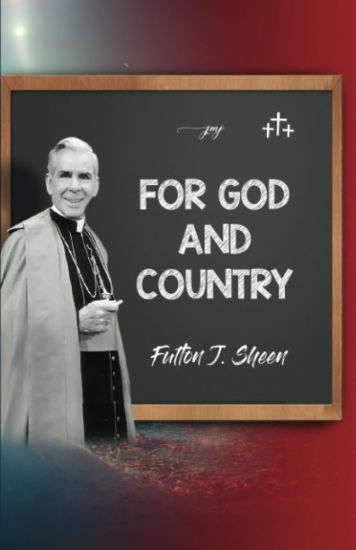
FOR GOD AND COUNTRYThe wisdom of Archbishop Sheen is still winning the day. The things he wrote and said on the radio in 1941 are coming true.The reflections contained in this work are a collection of Sheen's Catholic Hour radio addresses from 1941 that were heard by millions of listeners each week. These reflections are a series of short essays that addressed the many concerns of the listeners of his day during the war. Sheen answers questions about the following topics: ANTI-CHRISTTHE REALITY OF SINTHE MASSES AND GODLIBERAL AND REACTIONARYTHE FOUR COLUMNSTHE CROSS AND THE DOUBLE CROSSHOPE In this book were some of the most clearly delineated investigations into the underlying causes of the war combined with an entirely sound and hopeful program for winning both the war and the even more important peace are found in them. These powerful reflections can be most heartily recommended for their wise counsel, sane and penetrating analysis, and logical conclusions.Sheen writes, "There are two ways of looking at the war: one as a journalist, the other as a theologian. The journalist tells you what happens; the theologian not only why it happens, but also what matters. Our approach is from the divine point of view, first of all, because it is the only explanation which fits the facts; secondly, because the American people who have been confused by catchwords and slogans are seeking an inspiration for a total surrender of their great potentialities for sacrifice, both for God and country."Sheen is firm in his conviction that real peace cannot be declared, it must be made. It is with peace-making and the fundamental conditions on which peace must be based that this book is concerned. In its seven forceful and readable chapters, it challenges the theory of many planners today who posture that military allies are necessarily political allies; it affirms that a common hatred can make nations allies, but only a common love can make them neighbors; it denies the primacy of action over reason, in the sense that the will of the state is that which makes a state right; and it contends that utility does not establish justice, but it is justice which makes utility.With the same lucid and persuasive reasoning that has made him outstanding both as a writer and as a lecturer, Sheen continues to challenge people of goodwill to unite for the preservation of personal rights, freedom of conscience, human justice, and civilization itself - all of which are in danger in the present conflict. Here, one will recognize the urgency of Sheen's subject matter, and will find pillars of peace and promise in his far-sighted principles.
GOD AND WARThe wisdom of Archbishop Sheen is still winning the day. The things he wrote and said on the radio are all coming true.The reflections contained in this work are a collection of Sheen's Catholic Hour radio addresses from 1942 that were heard by millions of listeners each week. These reflections are a series of short essays that addressed the many concerns of the listeners of his day during the war. Sheen answers questions about the following topics: THE THINGS OF GOD IN WAR TIMESPECTATORS AND ACTORS IN THE DRAMA OF THE CROSSTHE DIVINE COST OF STOPPING THIS WARTRUST IN GOD'S PLANFAITH IN WAR TIMEPRAYER IN WAR TIMETHE CRUCIFIXIONTHE DIVINE PATH TO VICTORYSheen answers questions about the things of God in war time, trusting in God's plan, prayer in war, and the Divine path to victory. His were some of the most clearly delineated investigations into the underlying causes of the war combined with an entirely sound and hopeful program for winning both the war and the even more important peace are found in them. These powerful reflections can be most heartily recommended for their wise counsel, sane and penetrating analysis, and logical conclusions. Like a master surgeon, Sheen applied the sharp scalpel of his crystal-clear logic to lay open the sources of the world's infection.Sheen writes, "There are two ways of looking at the war: one as a journalist, the other as a theologian. The journalist tells you what happens; the theologian not only why it happens, but also what matters. Our approach is from the divine point of view, first of all, because it is the only explanation which fits the facts; secondly, because the American people who have been confused by catchwords and slogans are seeking an inspiration for a total surrender of their great potentialities for sacrifice, both for God and country."Sheen is firm in his conviction that real peace cannot be declared, it must be made. It is with peace-making and the fundamental conditions on which peace must be based that this book is concerned. In its seven forceful and readable chapters, it challenges the theory of many planners today who posture that military allies are necessarily political allies; it affirms that a common hatred can make nations allies, but only a common love can make them neighbors; it denies the primacy of action over reason, in the sense that the will of the state is that which makes a state right; and it contends that utility does not establish justice, but it is justice which makes utility.With the same lucid and persuasive reasoning that has made him outstanding both as a writer and as a lecturer, Sheen continues to challenge people of goodwill to unite for the preservation of personal rights, freedom of conscience, human justice, and civilization itself - all of which are in danger in the present conflict.
SEVEN PILLARS OF PEACEThe wisdom of Archbishop Sheen is still winning the day. The things he wrote and said on the radio in 1944 are coming true.The reflections contained in this work are a collection of Sheen's Catholic Hour radio addresses from 1944 that were heard by millions of listeners each week. These reflections are a series of short essays that addressed the many concerns of the listeners of his day during the war.Sheen answers questions about the following topics: THE PILLAR OF GOOD WILLTHE PILLAR OF MORALITYTHE PILLAR OF PROPERTYTHE PILLAR OF PERSONALITYTHE PILLAR OF FAMILYTHE PILLAR OF FREEDOMTHE PILLAR OF WORLD UNITYHis were some of the most clearly delineated investigations into the underlying causes of the war combined with an entirely sound and hopeful program for winning both the war and the even more important peace are found in them. These powerful reflections can be most heartily recommended for their wise counsel, sane and penetrating analysis, and logical conclusions.Sheen addresses the vexation felt by a great mass of people who were frankly dissatisfied with the ephemeral and superficial commentaries about the war. Like a master surgeon, Sheen applied the sharp scalpel of his crystal-clear logic to lay open the sources of the world's infection.In his book titled 'Seven Pillars of Peace', Sheen presents the principles upon which he believes the foundations for a just and lasting peace must be built after the hostilities of war are ended.Sheen is firm in his conviction that real peace cannot be declared, it must be made. It is with peace-making and the fundamental conditions on which peace must be based that this book is concerned. In its seven forceful and readable chapters, it challenges the theory of many planners today who posture that military allies are necessarily political allies; it affirms that a common hatred can make nations allies, but only a common love can make them neighbors; it denies the primacy of action over reason, in the sense that the will of the state is that which makes a state right; and it contends that utility does not establish justice, but it is justice which makes utility.With the same lucid and persuasive reasoning that has made him outstanding both as a writer and as a lecturer, Sheen continues to challenge people of goodwill to unite for the preservation of personal rights, freedom of conscience, human justice, and civilization itself - all of which are in danger in the present conflict. Here, one will recognize the urgency of Sheen's subject matter, and will find pillars of peace and promise in his far-sighted principles.
GOD LOVE YOU. THE BEST OF FULTON J. SHEENThis book contains a collection of thought-provoking writings compiled by Sheen into a book originally titled, The Best of Fulton J. Sheen - God Love You. (Published by the Maco Magazine Corp., New York in 1955.)Each paragraph has been selected from over two dozen books written by him for the particular help and guidance they can bring to the reader. These brief, incisive selections from Archbishop Sheen reveal the mind of a brilliant man and a true pastor of souls.In this anthology, you will find a treasury of guideposts wherein Sheen highlights the role of the virtues, the passions, and the value of personal introspection. He engages the reader using his unique blend of sensitivity and humor."... The basic passion of all is love...""... Pleasure comes from without, but joy comes from within...""... The mind must know but it never knows anything fully until it knows God...""... There is only one thing definitely and absolutely your own, and that is your will...""... Human love is a spark from the great flame of eternity...""... Faith will answer the principal problems of your life: Why? Whence? Whither? ...""... Nothing ever happens to the world which did not first happen inside the mind of some man...""... There can be no world peace unless there is soul peace..." "... God never refuses grace to those who honestly ask for it..." "... What death is to the body...sin is to the soul..."During one of his radio addresses in 1944, Archbishop Sheen fondly said, "I have always addressed you as friends, and you know that unseen friends are sometimes the best friends. To say 'my friends', would be to claim a privilege. But friends are the expression of a hope. A hope that by listening to me, I may with traitorous trueness and with loyal deceit, betray you into the hands of the God of Love and Mercy."Friends, "A new commandment I give to you, that you love one another; even as I have loved you, and that you also love one another. By this, all men will know that you are my disciples if you have love for one another." (John 13:34-35).
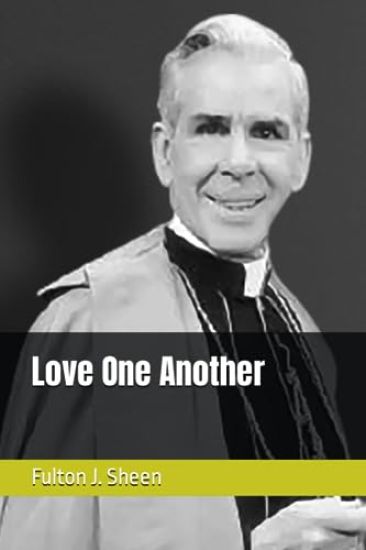
LOVE ONE ANOTHER With love as its central focus, this anthology begins with a collection of essays and prayers compiled by Fulton Sheen under the title 'Love One Another'. (Published by P.J. Kenedy & Sons, New York in 1944.)In these writings, Sheen speaks to Catholics, Protestants, and Jews regarding the fostering of friendships between various religious groups. Additionally, he makes several practical suggestions on how to improve relations between people of varying backgrounds. An array of reflections is presented for devotional inspiration, simultaneously laying out a groundwork in spiritual values proven to facilitate harmonious relationships. The are some who have considered this work a 'must-read' for those sincerely interested in seeking the attainment of a genuine brotherhood of man. Others may find in this collection, some prayerful and practical solutions to many of today's most challenging interpersonal problems. Archbishop Fulton Sheen made it clear that the command given by Jesus 'to love your neighbor as yourself', is clearly an effective answer to combating the sin of intolerance.Table of ContentsThe Foundation of Love - God Some Characteristics of God's Love Man Fleeing God's Love God's Love Pursuing Man Divine Friendship Ways of Preserving Friendships Disciplining Myself for Love Love of Neighbor in General Friendship of Christians with Jews Friendship of Jews with Christians Friendship of Catholics with ProtestantsFriendship of Non-Catholics with Catholics Friendship with all Peoples, Races, Classes, and Colors Necessary Basis of Love of Neighbor: Love of God Prayers
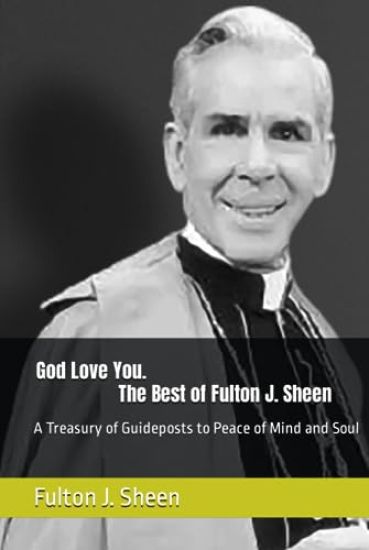
GOD LOVE YOU. THE BEST OF FULTON J. SHEENThis book contains a collection of thought-provoking writings compiled by Sheen into a book originally titled, The Best of Fulton J. Sheen - God Love You. (Published by the Maco Magazine Corp., New York in 1955.)Each paragraph has been selected from over two dozen books written by him for the particular help and guidance they can bring to the reader. These brief, incisive selections from Archbishop Sheen reveal the mind of a brilliant man and a true pastor of souls.In this anthology, you will find a treasury of guideposts wherein Sheen highlights the role of the virtues, the passions, and the value of personal introspection. He engages the reader using his unique blend of sensitivity and humor."... The basic passion of all is love...""... Pleasure comes from without, but joy comes from within...""... The mind must know but it never knows anything fully until it knows God...""... There is only one thing definitely and absolutely your own, and that is your will...""... Human love is a spark from the great flame of eternity...""... Faith will answer the principal problems of your life: Why? Whence? Whither? ...""... Nothing ever happens to the world which did not first happen inside the mind of some man...""... There can be no world peace unless there is soul peace..." "... God never refuses grace to those who honestly ask for it..." "... What death is to the body...sin is to the soul..."During one of his radio addresses in 1944, Archbishop Sheen fondly said, "I have always addressed you as friends, and you know that unseen friends are sometimes the best friends. To say 'my friends', would be to claim a privilege. But friends are the expression of a hope. A hope that by listening to me, I may with traitorous trueness and with loyal deceit, betray you into the hands of the God of Love and Mercy."Friends, "A new commandment I give to you, that you love one another; even as I have loved you, and that you also love one another. By this, all men will know that you are my disciples if you have love for one another." (John 13:34-35).
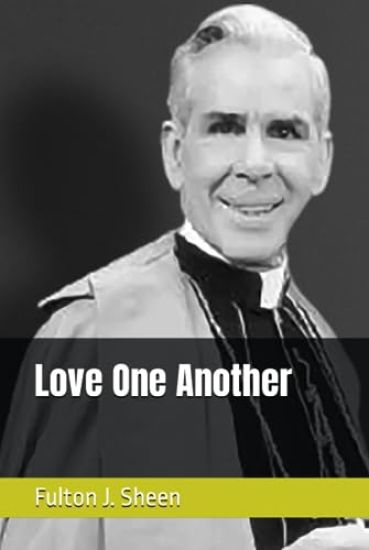
LOVE ONE ANOTHER With love as its central focus, this anthology begins with a collection of essays and prayers compiled by Fulton Sheen under the title 'Love One Another'. (Published by P.J. Kenedy & Sons, New York in 1944.)In these writings, Sheen speaks to Catholics, Protestants, and Jews regarding the fostering of friendships between various religious groups. Additionally, he makes several practical suggestions on how to improve relations between people of varying backgrounds. An array of reflections is presented for devotional inspiration, simultaneously laying out a groundwork in spiritual values proven to facilitate harmonious relationships. The are some who have considered this work a 'must-read' for those sincerely interested in seeking the attainment of a genuine brotherhood of man. Others may find in this collection, some prayerful and practical solutions to many of today's most challenging interpersonal problems. Archbishop Fulton Sheen made it clear that the command given by Jesus 'to love your neighbor as yourself', is clearly an effective answer to combating the sin of intolerance.Table of ContentsThe Foundation of Love - God Some Characteristics of God's Love Man Fleeing God's Love God's Love Pursuing Man Divine Friendship Ways of Preserving Friendships Disciplining Myself for Love Love of Neighbor in General Friendship of Christians with Jews Friendship of Jews with Christians Friendship of Catholics with ProtestantsFriendship of Non-Catholics with Catholics Friendship with all Peoples, Races, Classes, and Colors Necessary Basis of Love of Neighbor: Love of God Prayers
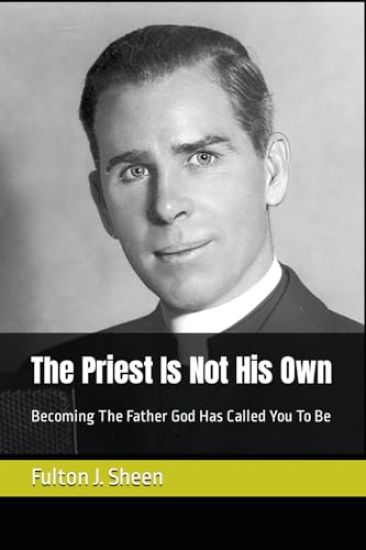
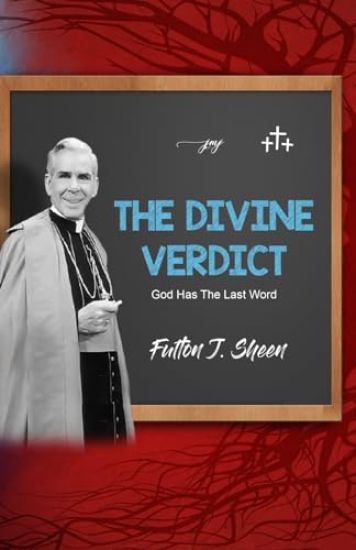
The Divine Verdict Numerous articles, radio reflections, and books would continue to be produced by Sheen throughout the war. Given their importance and the impact they had on society in his day, it seemed appropriate to bring together once again some of Archbishop Sheen's reflections on war and peace taken from his book The Divine Verdict (New York: P.J. Kenedy and Sons, 1943)Here you will a collection of Sheen's Catholic Hour radio addresses that were heard by millions of listeners each week. These reflections are a series of short essays that addressed the many concerns of the listeners of his day during the war. Sheen answers questions about the moral basis of peace, the power of God, war being a judgement of God and the judgement of nations. Sheen also explains how evil Has Its Hour and how our freedoms are in danger.His were some of the most clearly delineated investigations into the underlying causes of the war combined with an entirely sound and hopeful program for winning both the war and the even more important peace are found in them. These powerful reflections can be most heartily recommended for their wise counsel, sane and penetrating analysis, and logical conclusions.Sheen writes, "There are two ways of looking at the war: one as a journalist, the other as a theologian. The journalist tells you what happens; the theologian not only why it happens, but also what matters. Our approach is from the divine point of view, first of all, because it is the only explanation which fits the facts; secondly, because the American people who have been confused by catchwords and slogans are seeking an inspiration for a total surrender of their great potentialities for sacrifice, both for God and country."Sheen is firm in his conviction that real peace cannot be declared, it must be made. It is with peace-making and the fundamental conditions on which peace must be based that this book is concerned. In its seven forceful and readable chapters, it challenges the theory of many planners today who posture that military allies are necessarily political allies; it affirms that a common hatred can make nations allies, but only a common love can make them neighbors; it denies the primacy of action over reason, in the sense that the will of the state is that which makes a state right; and it contends that utility does not establish justice, but it is justice which makes utility.With the same lucid and persuasive reasoning that has made him outstanding both as a writer and as a lecturer, Sheen continues to challenge people of goodwill to unite for the preservation of personal rights, freedom of conscience, human justice, and civilization itself - all of which are in danger in the present conflict. Here, one will recognize the urgency of Sheen's subject matter, and will find pillars of peace and promise in his far-sighted principles.Table of ContentsINTRODUCTIONEVIL HAS ITS HOURWAR AS A JUDGMENT OF GODJUDGMENT OF NATIONSFREEDOM IN DANGERMORAL BASIS OF PEACEJEW AND CHRISTIANTHE POWER OF GOD