Few persons are truly ready for the challenges of the Presidency. But no one could have predicted what would face George W. Bush in short order after his election in a tight race in 2000. The historic election was challenging for the nation deeply divided ideologically. But his metal was sharpened greatly with the events of September 11, 2001 when terror struck at the very heart of America. George W. Bush rose to the occasion only to find himself bogged down with two wars and a failing economy. Winning reelection by the slightest of margins once more, he found himself struggling with Katrina and a failing financial system. When he left office, the economy was in shambles and the future seemed less than certain for the country. In his retirement, Bush has proven to be a sure and calming voice when he has chosen to speak publicly. History will have to be the final judge of his leadership.
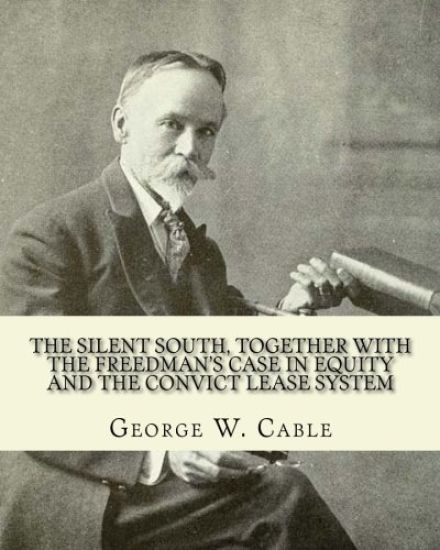
George Washington Cable (October 12, 1844 - January 31, 1925) was an American novelist notable for the realism of his portrayals of Creole life in his native New Orleans, Louisiana. He has been called "the most important southern artist working in the late 19th century, as well as the first modern southern writer." In his treatment of racism, mixed-race families and miscegenation, his fiction has been thought to anticipate that of William Faulkner. He also wrote articles critical of contemporary society. Due to hostility against him after two 1885 essays encouraging racial equality and opposing Jim Crow, Cable moved with his family to Northampton, Massachusetts. He lived there for the next thirty years, then moved to Florida. Biography: Cable was born in 1844 in New Orleans, Louisiana, the son of George W. Cable, Sr., and Rebecca Boardman Cable. They were wealthy slaveholders who were members of the Presbyterian Church and New Orleans society, whose families had moved there after the Louisiana Purchase. First educated in private schools, the younger Cable had to get work after his father died young. The elder Cable had lost investments, and the family struggled financially. Cable later learned French on his own. He served in the Confederate Army during the American Civil War, in which he took part in support of the Southern cause. His experiences changed his ideas about Southern and Louisiana society, and he began writing during a two-year bout with malaria. In 1870 Cable went into journalism, writing for the New Orleans Picayune. He worked for them from 1865 to 1879, by which time he had become an established writer. In 1869, George Cable married Louisa Stewart Bartlett, with whom he had several children. He was invited to submit stories in Scribner's Monthly, where his story "Sieur George", published in 1873, was a critical and popular success. He published six more stories of Creole life with Scribner's in the following three years. The stories were collected and published in a book in 1879 as Old Creole Days. 2] While romantic in plot, the stories revealed the multi-cultural and multi-racial nature of antebellum New Orleans society, with ties among French, Spanish, African, Native American and Caribbean Creoles. He also addressed conflicts that arose following the Louisiana Purchase, when traditional New Orleans Creoles of color had to confront Anglo-Americans - who ultimately asserted their concept of a biracial society, rather than acknowledging the multiracial class of free people of color.In 1880 Cable published his first novel, The Grandissimes: A Story of Creole Life, portraying multiracial members and different classes of society in the early 1800s shortly after the Louisiana Purchase. It had first been serialized in Scribner's. The plot follows the adventures and romances of several members of the Grandissime family, a French Creole family with mixed-race members. He used this historical romance as a way to explore society and its racial injustice, as he addressed European Creoles, the mixed-race class, pla age, slavery, and lynchings. Also in 1880, the United States Census Bureau commissioned Cable to write a "historical sketch" of pre-Civil War New Orleans for a special section of the 10th United States Census' "Social statistics of cities." He submitted a well-researched 313-page history. It was greatly reduced for publication in 1884. His novella Madame Delphine (1881), expanded from a short story, featured the issue of miscegenation, in which a woman of partially African descent tries to arrange the marriage of her daughter, who has more European ancestry, to one of the French Creole elite. In 1884 he published a work, Dr. Sevier, on prison reform.....
The Grandissimes: A Story of Creole Life is a novel by George Washington Cable, published as a book in 1880 by Charles Scribner's Sons after appearing as a serial in Scribner's. The historical romance depicts race and class relations in New Orleans at the start of the 19th century, immediately following the Louisiana Purchase in 1803. The book examines the lives and loves of the extended Grandissime family, which includes members from different races and classes in Creole society.The novel juxtaposes a romanticized version of the French Creole culture with the atrocities committed under the European-American system of slavery in the United States. Plot: Honor Grandissime, head of the French Creole family, takes in Joseph Frowenfeld, whose family has died of yellow fever. He describes the New Orleans caste system, which had three racial groups, to Frowenfeld, an abolitionist. His desire to end slavery would destroy the labor base of the plantations, which revenues supported city life. Frowenfeld and Grandissime's uncle Agricola Fusilier, soon get into a dispute. Fusilier seeks to preserve the Grandissime way of life, which means continuing slavery. Grandissime and his quadroon half brother, also named Honor Grandissime, want to go into business together. Grandissime also wants to help Aurora Nancanou, widowed since Fusilier killed her husband. Grandissime is secretly in love with her. Grandissime later tries to help Bras Coup , a slave engaged to Palmyre, Aurora's maid. After Coup attacks his white overseer, a mob of Creole aristocrats, including Fusilier, captures the slave as he tries to escape through swamps outside the city. Grandissime tries to intervene, but the mob brutally lynches Coup , in an act demonstrating the darkness at the heart of their society.... George Washington Cable (October 12, 1844 - January 31, 1925) was an American novelist notable for the realism of his portrayals of Creole life in his native New Orleans, Louisiana. He has been called "the most important southern artist working in the late 19th century, as well as the first modern southern writer." In his treatment of racism, mixed-race families and miscegenation, his fiction has been thought to anticipate that of William Faulkner. He also wrote articles critical of contemporary society. Due to hostility against him after two 1885 essays encouraging racial equality and opposing Jim Crow, Cable moved with his family to Northampton, Massachusetts. He lived there for the next thirty years, then moved to Florida. Biography: Cable was born in 1844 in New Orleans, Louisiana, the son of George W. Cable, Sr., and Rebecca Boardman Cable. They were wealthy slaveholders who were members of the Presbyterian Church and New Orleans society, whose families had moved there after the Louisiana Purchase. First educated in private schools, the younger Cable had to get work after his father died young. The elder Cable had lost investments, and the family struggled financially. Cable later learned French on his own. He served in the Confederate Army during the American Civil War, in which he took part in support of the Southern cause. His experiences changed his ideas about Southern and Louisiana society, and he began writing during a two-year bout with malaria. In 1870 Cable went into journalism, writing for the New Orleans Picayune. He worked for them from 1865 to 1879, by which time he had become an established writer. In 1869, George Cable married Louisa Stewart Bartlett, with whom he had several children. He was invited to submit stories in Scribner's Monthly, where his story "Sieur George", published in 1873, was a critical and popular success. He published six more stories of Creole life with Scribner's in the following three years....
George Washington Cable (October 12, 1844 - January 31, 1925) was an American novelist notable for the realism of his portrayals of Creole life in his native New Orleans, Louisiana. He has been called "the most important southern artist working in the late 19th century, as well as the first modern southern writer." In his treatment of racism, mixed-race families and miscegenation, his fiction has been thought to anticipate that of William Faulkner. He also wrote articles critical of contemporary society. Due to hostility against him after two 1885 essays encouraging racial equality and opposing Jim Crow, Cable moved with his family to Northampton, Massachusetts. He lived there for the next thirty years, then moved to Florida. Biography: Cable was born in 1844 in New Orleans, Louisiana, the son of George W. Cable, Sr., and Rebecca Boardman Cable. They were wealthy slaveholders who were members of the Presbyterian Church and New Orleans society, whose families had moved there after the Louisiana Purchase. First educated in private schools, the younger Cable had to get work after his father died young. The elder Cable had lost investments, and the family struggled financially. Cable later learned French on his own. He served in the Confederate Army during the American Civil War, in which he took part in support of the Southern cause. His experiences changed his ideas about Southern and Louisiana society, and he began writing during a two-year bout with malaria. In 1870 Cable went into journalism, writing for the New Orleans Picayune. He worked for them from 1865 to 1879, by which time he had become an established writer. In 1869, George Cable married Louisa Stewart Bartlett, with whom he had several children. He was invited to submit stories in Scribner's Monthly, where his story "Sieur George", published in 1873, was a critical and popular success. He published six more stories of Creole life with Scribner's in the following three years. The stories were collected and published in a book in 1879 as Old Creole Days. 2] While romantic in plot, the stories revealed the multi-cultural and multi-racial nature of antebellum New Orleans society, with ties among French, Spanish, African, Native American and Caribbean Creoles. He also addressed conflicts that arose following the Louisiana Purchase, when traditional New Orleans Creoles of color had to confront Anglo-Americans - who ultimately asserted their concept of a biracial society, rather than acknowledging the multiracial class of free people of color.In 1880 Cable published his first novel, The Grandissimes: A Story of Creole Life, portraying multiracial members and different classes of society in the early 1800s shortly after the Louisiana Purchase. It had first been serialized in Scribner's. The plot follows the adventures and romances of several members of the Grandissime family, a French Creole family with mixed-race members. He used this historical romance as a way to explore society and its racial injustice, as he addressed European Creoles, the mixed-race class, pla age, slavery, and lynchings. Also in 1880, the United States Census Bureau commissioned Cable to write a "historical sketch" of pre-Civil War New Orleans for a special section of the 10th United States Census' "Social statistics of cities." He submitted a well-researched 313-page history. It was greatly reduced for publication in 1884. His novella Madame Delphine (1881), expanded from a short story, featured the issue of miscegenation, in which a woman of partially African descent tries to arrange the marriage of her daughter, who has more European ancestry, to one of the French Creole elite. In 1884 he published a work, Dr. Sevier, on prison reform....
George Washington Cable (October 12, 1844 - January 31, 1925) was an American novelist notable for the realism of his portrayals of Creole life in his native New Orleans, Louisiana. He has been called "the most important southern artist working in the late 19th century, as well as the first modern southern writer." In his treatment of racism, mixed-race families and miscegenation, his fiction has been thought to anticipate that of William Faulkner. He also wrote articles critical of contemporary society. Due to hostility against him after two 1885 essays encouraging racial equality and opposing Jim Crow, Cable moved with his family to Northampton, Massachusetts. He lived there for the next thirty years, then moved to Florida. Biography: Cable was born in 1844 in New Orleans, Louisiana, the son of George W. Cable, Sr., and Rebecca Boardman Cable. They were wealthy slaveholders who were members of the Presbyterian Church and New Orleans society, whose families had moved there after the Louisiana Purchase. First educated in private schools, the younger Cable had to get work after his father died young. The elder Cable had lost investments, and the family struggled financially. Cable later learned French on his own. He served in the Confederate Army during the American Civil War, in which he took part in support of the Southern cause. His experiences changed his ideas about Southern and Louisiana society, and he began writing during a two-year bout with malaria. In 1870 Cable went into journalism, writing for the New Orleans Picayune. He worked for them from 1865 to 1879, by which time he had become an established writer. In 1869, George Cable married Louisa Stewart Bartlett, with whom he had several children. He was invited to submit stories in Scribner's Monthly, where his story "Sieur George," published in 1873, was a critical and popular success. He published six more stories of Creole life with Scribner's in the following three years. The stories were collected and published in a book in 1879 as Old Creole Days. 2] While romantic in plot, the stories revealed the multi-cultural and multi-racial nature of antebellum New Orleans society, with ties among French, Spanish, African, Native American and Caribbean Creoles. He also addressed conflicts that arose following the Louisiana Purchase, when traditional New Orleans Creoles of color had to confront Anglo-Americans - who ultimately asserted their concept of a biracial society, rather than acknowledging the multiracial class of free people of color.In 1880 Cable published his first novel, The Grandissimes: A Story of Creole Life, portraying multiracial members and different classes of society in the early 1800s shortly after the Louisiana Purchase. It had first been serialized in Scribner's. The plot follows the adventures and romances of several members of the Grandissime family, a French Creole family with mixed-race members. He used this historical romance as a way to explore society and its racial injustice, as he addressed European Creoles, the mixed-race class, pla age, slavery, and lynchings. Also in 1880, the United States Census Bureau commissioned Cable to write a "historical sketch" of pre-Civil War New Orleans for a special section of the 10th United States Census' "Social statistics of cities." He submitted a well-researched 313-page history. It was greatly reduced for publication in 1884. His novella Madame Delphine (1881), expanded from a short story, featured the issue of miscegenation, in which a woman of partially African descent tries to arrange the marriage of her daughter, who has more European ancestry, to one of the French Creole elite. In 1884 he published a work, Dr. Sevier, on prison reform...
George Washington Cable (October 12, 1844 - January 31, 1925) was an American novelist notable for the realism of his portrayals of Creole life in his native New Orleans, Louisiana. He has been called "the most important southern artist working in the late 19th century, as well as the first modern southern writer." In his treatment of racism, mixed-race families and miscegenation, his fiction has been thought to anticipate that of William Faulkner. He also wrote articles critical of contemporary society. Due to hostility against him after two 1885 essays encouraging racial equality and opposing Jim Crow, Cable moved with his family to Northampton, Massachusetts. He lived there for the next thirty years, then moved to Florida. Biography: Cable was born in 1844 in New Orleans, Louisiana, the son of George W. Cable, Sr., and Rebecca Boardman Cable. They were wealthy slaveholders who were members of the Presbyterian Church and New Orleans society, whose families had moved there after the Louisiana Purchase. First educated in private schools, the younger Cable had to get work after his father died young. The elder Cable had lost investments, and the family struggled financially. Cable later learned French on his own. He served in the Confederate Army during the American Civil War, in which he took part in support of the Southern cause. His experiences changed his ideas about Southern and Louisiana society, and he began writing during a two-year bout with malaria. In 1870 Cable went into journalism, writing for the New Orleans Picayune. He worked for them from 1865 to 1879, by which time he had become an established writer. In 1869, George Cable married Louisa Stewart Bartlett, with whom he had several children. He was invited to submit stories in Scribner's Monthly, where his story "Sieur George", published in 1873, was a critical and popular success. He published six more stories of Creole life with Scribner's in the following three years. The stories were collected and published in a book in 1879 as Old Creole Days. 2] While romantic in plot, the stories revealed the multi-cultural and multi-racial nature of antebellum New Orleans society, with ties among French, Spanish, African, Native American and Caribbean Creoles. He also addressed conflicts that arose following the Louisiana Purchase, when traditional New Orleans Creoles of color had to confront Anglo-Americans - who ultimately asserted their concept of a biracial society, rather than acknowledging the multiracial class of free people of color.In 1880 Cable published his first novel, The Grandissimes: A Story of Creole Life, portraying multiracial members and different classes of society in the early 1800s shortly after the Louisiana Purchase. It had first been serialized in Scribner's. The plot follows the adventures and romances of several members of the Grandissime family, a French Creole family with mixed-race members. He used this historical romance as a way to explore society and its racial injustice, as he addressed European Creoles, the mixed-race class, pla age, slavery, and lynchings. Also in 1880, the United States Census Bureau commissioned Cable to write a "historical sketch" of pre-Civil War New Orleans for a special section of the 10th United States Census' "Social statistics of cities." He submitted a well-researched 313-page history. It was greatly reduced for publication in 1884. His novella Madame Delphine (1881), expanded from a short story, featured the issue of miscegenation, in which a woman of partially African descent tries to arrange the marriage of her daughter, who has more European ancestry, to one of the French Creole elite. In 1884 he published a work, Dr. Sevier, on prison reform.
George Washington Cable (October 12, 1844 - January 31, 1925) was an American novelist notable for the realism of his portrayals of Creole life in his native New Orleans, Louisiana. He has been called "the most important southern artist working in the late 19th century, as well as the first modern southern writer." In his treatment of racism, mixed-race families and miscegenation, his fiction has been thought to anticipate that of William Faulkner. He also wrote articles critical of contemporary society. Due to hostility against him after two 1885 essays encouraging racial equality and opposing Jim Crow, Cable moved with his family to Northampton, Massachusetts. He lived there for the next thirty years, then moved to Florida. Biography: Cable was born in 1844 in New Orleans, Louisiana, the son of George W. Cable, Sr., and Rebecca Boardman Cable. They were wealthy slaveholders who were members of the Presbyterian Church and New Orleans society, whose families had moved there after the Louisiana Purchase. First educated in private schools, the younger Cable had to get work after his father died young. The elder Cable had lost investments, and the family struggled financially. Cable later learned French on his own. He served in the Confederate Army during the American Civil War, in which he took part in support of the Southern cause. His experiences changed his ideas about Southern and Louisiana society, and he began writing during a two-year bout with malaria. In 1870 Cable went into journalism, writing for the New Orleans Picayune. He worked for them from 1865 to 1879, by which time he had become an established writer. In 1869, George Cable married Louisa Stewart Bartlett, with whom he had several children. He was invited to submit stories in Scribner's Monthly, where his story "Sieur George", published in 1873, was a critical and popular success. He published six more stories of Creole life with Scribner's in the following three years. The stories were collected and published in a book in 1879 as Old Creole Days. While romantic in plot, the stories revealed the multi-cultural and multi-racial nature of antebellum New Orleans society, with ties among French, Spanish, African, Native American and Caribbean Creoles. He also addressed conflicts that arose following the Louisiana Purchase, when traditional New Orleans Creoles of color had to confront Anglo-Americans - who ultimately asserted their concept of a biracial society, rather than acknowledging the multiracial class of free people of color.In 1880 Cable published his first novel, The Grandissimes: A Story of Creole Life, portraying multiracial members and different classes of society in the early 1800s shortly after the Louisiana Purchase. It had first been serialized in Scribner's. The plot follows the adventures and romances of several members of the Grandissime family, a French Creole family with mixed-race members. He used this historical romance as a way to explore society and its racial injustice, as he addressed European Creoles, the mixed-race class, pla age, slavery, and lynchings. Also in 1880, the United States Census Bureau commissioned Cable to write a "historical sketch" of pre-Civil War New Orleans for a special section of the 10th United States Census' "Social statistics of cities." He submitted a well-researched 313-page history. It was greatly reduced for publication in 1884. His novella Madame Delphine (1881), expanded from a short story, featured the issue of miscegenation, in which a woman of partially African descent tries to arrange the marriage of her daughter, who has more European ancestry, to one of the French Creole elite. In 1884 he published a work, Dr. Sevier, on prison reform....
George Washington Cable (October 12, 1844 - January 31, 1925) was an American novelist notable for the realism of his portrayals of Creole life in his native New Orleans, Louisiana. He has been called "the most important southern artist working in the late 19th century, as well as the first modern southern writer." In his treatment of racism, mixed-race families and miscegenation, his fiction has been thought to anticipate that of William Faulkner. He also wrote articles critical of contemporary society. Due to hostility against him after two 1885 essays encouraging racial equality and opposing Jim Crow, Cable moved with his family to Northampton, Massachusetts. He lived there for the next thirty years, then moved to Florida. Biography: Cable was born in 1844 in New Orleans, Louisiana, the son of George W. Cable, Sr., and Rebecca Boardman Cable. They were wealthy slaveholders who were members of the Presbyterian Church and New Orleans society, whose families had moved there after the Louisiana Purchase. First educated in private schools, the younger Cable had to get work after his father died young. The elder Cable had lost investments, and the family struggled financially. Cable later learned French on his own. He served in the Confederate Army during the American Civil War, in which he took part in support of the Southern cause. His experiences changed his ideas about Southern and Louisiana society, and he began writing during a two-year bout with malaria. In 1870 Cable went into journalism, writing for the New Orleans Picayune. He worked for them from 1865 to 1879, by which time he had become an established writer. In 1869, George Cable married Louisa Stewart Bartlett, with whom he had several children. He was invited to submit stories in Scribner's Monthly, where his story "Sieur George", published in 1873, was a critical and popular success. He published six more stories of Creole life with Scribner's in the following three years. The stories were collected and published in a book in 1879 as Old Creole Days. While romantic in plot, the stories revealed the multi-cultural and multi-racial nature of antebellum New Orleans society, with ties among French, Spanish, African, Native American and Caribbean Creoles. He also addressed conflicts that arose following the Louisiana Purchase, when traditional New Orleans Creoles of color had to confront Anglo-Americans - who ultimately asserted their concept of a biracial society, rather than acknowledging the multiracial class of free people of color.In 1880 Cable published his first novel, The Grandissimes: A Story of Creole Life, portraying multiracial members and different classes of society in the early 1800s shortly after the Louisiana Purchase. It had first been serialized in Scribner's. The plot follows the adventures and romances of several members of the Grandissime family, a French Creole family with mixed-race members. He used this historical romance as a way to explore society and its racial injustice, as he addressed European Creoles, the mixed-race class, pla age, slavery, and lynchings. Also in 1880, the United States Census Bureau commissioned Cable to write a "historical sketch" of pre-Civil War New Orleans for a special section of the 10th United States Census' "Social statistics of cities." He submitted a well-researched 313-page history. It was greatly reduced for publication in 1884. His novella Madame Delphine (1881), expanded from a short story, featured the issue of miscegenation, in which a woman of partially African descent tries to arrange the marriage of her daughter, who has more European ancestry, to one of the French Creole elite. In 1884 he published a work, Dr. Sevier, on prison reform...........
George Washington Cable (October 12, 1844 - January 31, 1925) was an American novelist notable for the realism of his portrayals of Creole life in his native New Orleans, Louisiana. He has been called "the most important southern artist working in the late 19th century, as well as the first modern southern writer." In his treatment of racism, mixed-race families and miscegenation, his fiction has been thought to anticipate that of William Faulkner. He also wrote articles critical of contemporary society. Due to hostility against him after two 1885 essays encouraging racial equality and opposing Jim Crow, Cable moved with his family to Northampton, Massachusetts. He lived there for the next thirty years, then moved to Florida. Biography: Cable was born in 1844 in New Orleans, Louisiana, the son of George W. Cable, Sr., and Rebecca Boardman Cable. They were wealthy slaveholders who were members of the Presbyterian Church and New Orleans society, whose families had moved there after the Louisiana Purchase. First educated in private schools, the younger Cable had to get work after his father died young. The elder Cable had lost investments, and the family struggled financially. Cable later learned French on his own. He served in the Confederate Army during the American Civil War, in which he took part in support of the Southern cause. His experiences changed his ideas about Southern and Louisiana society, and he began writing during a two-year bout with malaria. In 1870 Cable went into journalism, writing for the New Orleans Picayune. He worked for them from 1865 to 1879, by which time he had become an established writer. In 1869, George Cable married Louisa Stewart Bartlett, with whom he had several children. He was invited to submit stories in Scribner's Monthly, where his story "Sieur George", published in 1873, was a critical and popular success. He published six more stories of Creole life with Scribner's in the following three years. The stories were collected and published in a book in 1879 as Old Creole Days. While romantic in plot, the stories revealed the multi-cultural and multi-racial nature of antebellum New Orleans society, with ties among French, Spanish, African, Native American and Caribbean Creoles. He also addressed conflicts that arose following the Louisiana Purchase, when traditional New Orleans Creoles of color had to confront Anglo-Americans - who ultimately asserted their concept of a biracial society, rather than acknowledging the multiracial class of free people of color.In 1880 Cable published his first novel, The Grandissimes: A Story of Creole Life, portraying multiracial members and different classes of society in the early 1800s shortly after the Louisiana Purchase. It had first been serialized in Scribner's. The plot follows the adventures and romances of several members of the Grandissime family, a French Creole family with mixed-race members. He used this historical romance as a way to explore society and its racial injustice, as he addressed European Creoles, the mixed-race class, pla age, slavery, and lynchings. Also in 1880, the United States Census Bureau commissioned Cable to write a "historical sketch" of pre-Civil War New Orleans for a special section of the 10th United States Census' "Social statistics of cities." He submitted a well-researched 313-page history. It was greatly reduced for publication in 1884. His novella Madame Delphine (1881), expanded from a short story, featured the issue of miscegenation, in which a woman of partially African descent tries to arrange the marriage of her daughter, who has more European ancestry, to one of the French Creole elite. In 1884 he published a work, Dr. Sevier, on prison reform.....
George Washington Cable (October 12, 1844 - January 31, 1925) was an American novelist notable for the realism of his portrayals of Creole life in his native New Orleans, Louisiana. He has been called "the most important southern artist working in the late 19th century, as well as the first modern southern writer." In his treatment of racism, mixed-race families and miscegenation, his fiction has been thought to anticipate that of William Faulkner. He also wrote articles critical of contemporary society. Due to hostility against him after two 1885 essays encouraging racial equality and opposing Jim Crow, Cable moved with his family to Northampton, Massachusetts. He lived there for the next thirty years, then moved to Florida. Biography: Cable was born in 1844 in New Orleans, Louisiana, the son of George W. Cable, Sr., and Rebecca Boardman Cable. They were wealthy slaveholders who were members of the Presbyterian Church and New Orleans society, whose families had moved there after the Louisiana Purchase. First educated in private schools, the younger Cable had to get work after his father died young. The elder Cable had lost investments, and the family struggled financially. Cable later learned French on his own. He served in the Confederate Army during the American Civil War, in which he took part in support of the Southern cause. His experiences changed his ideas about Southern and Louisiana society, and he began writing during a two-year bout with malaria. In 1870 Cable went into journalism, writing for the New Orleans Picayune. He worked for them from 1865 to 1879, by which time he had become an established writer. In 1869, George Cable married Louisa Stewart Bartlett, with whom he had several children. He was invited to submit stories in Scribner's Monthly, where his story "Sieur George", published in 1873, was a critical and popular success. He published six more stories of Creole life with Scribner's in the following three years. The stories were collected and published in a book in 1879 as Old Creole Days. While romantic in plot, the stories revealed the multi-cultural and multi-racial nature of antebellum New Orleans society, with ties among French, Spanish, African, Native American and Caribbean Creoles. He also addressed conflicts that arose following the Louisiana Purchase, when traditional New Orleans Creoles of color had to confront Anglo-Americans - who ultimately asserted their concept of a biracial society, rather than acknowledging the multiracial class of free people of color.In 1880 Cable published his first novel, The Grandissimes: A Story of Creole Life, portraying multiracial members and different classes of society in the early 1800s shortly after the Louisiana Purchase. It had first been serialized in Scribner's. The plot follows the adventures and romances of several members of the Grandissime family, a French Creole family with mixed-race members. He used this historical romance as a way to explore society and its racial injustice, as he addressed European Creoles, the mixed-race class, pla age, slavery, and lynchings. Also in 1880, the United States Census Bureau commissioned Cable to write a "historical sketch" of pre-Civil War New Orleans for a special section of the 10th United States Census' "Social statistics of cities." He submitted a well-researched 313-page history. It was greatly reduced for publication in 1884. His novella Madame Delphine (1881), expanded from a short story, featured the issue of miscegenation, in which a woman of partially African descent tries to arrange the marriage of her daughter, who has more European ancestry, to one of the French Creole elite. In 1884 he published a work, Dr. Sevier, on prison reform.....
George Washington Cable (October 12, 1844 - January 31, 1925) was an American novelist notable for the realism of his portrayals of Creole life in his native New Orleans, Louisiana. He has been called "the most important southern artist working in the late 19th century, as well as the first modern southern writer." In his treatment of racism, mixed-race families and miscegenation, his fiction has been thought to anticipate that of William Faulkner. He also wrote articles critical of contemporary society. Due to hostility against him after two 1885 essays encouraging racial equality and opposing Jim Crow, Cable moved with his family to Northampton, Massachusetts. He lived there for the next thirty years, then moved to Florida. Biography: Cable was born in 1844 in New Orleans, Louisiana, the son of George W. Cable, Sr., and Rebecca Boardman Cable. They were wealthy slaveholders who were members of the Presbyterian Church and New Orleans society, whose families had moved there after the Louisiana Purchase. First educated in private schools, the younger Cable had to get work after his father died young. The elder Cable had lost investments, and the family struggled financially. Cable later learned French on his own. He served in the Confederate Army during the American Civil War, in which he took part in support of the Southern cause. His experiences changed his ideas about Southern and Louisiana society, and he began writing during a two-year bout with malaria. In 1870 Cable went into journalism, writing for the New Orleans Picayune. He worked for them from 1865 to 1879, by which time he had become an established writer. In 1869, George Cable married Louisa Stewart Bartlett, with whom he had several children. He was invited to submit stories in Scribner's Monthly, where his story "Sieur George", published in 1873, was a critical and popular success. He published six more stories of Creole life with Scribner's in the following three years. The stories were collected and published in a book in 1879 as Old Creole Days. While romantic in plot, the stories revealed the multi-cultural and multi-racial nature of antebellum New Orleans society, with ties among French, Spanish, African, Native American and Caribbean Creoles. He also addressed conflicts that arose following the Louisiana Purchase, when traditional New Orleans Creoles of color had to confront Anglo-Americans - who ultimately asserted their concept of a biracial society, rather than acknowledging the multiracial class of free people of color.In 1880 Cable published his first novel, The Grandissimes: A Story of Creole Life, portraying multiracial members and different classes of society in the early 1800s shortly after the Louisiana Purchase. It had first been serialized in Scribner's. The plot follows the adventures and romances of several members of the Grandissime family, a French Creole family with mixed-race members. He used this historical romance as a way to explore society and its racial injustice, as he addressed European Creoles, the mixed-race class, pla age, slavery, and lynchings. Also in 1880, the United States Census Bureau commissioned Cable to write a "historical sketch" of pre-Civil War New Orleans for a special section of the 10th United States Census' "Social statistics of cities." He submitted a well-researched 313-page history. It was greatly reduced for publication in 1884. His novella Madame Delphine (1881), expanded from a short story, featured the issue of miscegenation, in which a woman of partially African descent tries to arrange the marriage of her daughter, who has more European ancestry, to one of the French Creole elite. In 1884 he published a work, Dr. Sevier, on prison reform.........
George Washington Cable (October 12, 1844 - January 31, 1925) was an American novelist notable for the realism of his portrayals of Creole life in his native New Orleans, Louisiana. He has been called "the most important southern artist working in the late 19th century, as well as the first modern southern writer." In his treatment of racism, mixed-race families and miscegenation, his fiction has been thought to anticipate that of William Faulkner. He also wrote articles critical of contemporary society. Due to hostility against him after two 1885 essays encouraging racial equality and opposing Jim Crow, Cable moved with his family to Northampton, Massachusetts. He lived there for the next thirty years, then moved to Florida. Biography: Cable was born in 1844 in New Orleans, Louisiana, the son of George W. Cable, Sr., and Rebecca Boardman Cable. They were wealthy slaveholders who were members of the Presbyterian Church and New Orleans society, whose families had moved there after the Louisiana Purchase. First educated in private schools, the younger Cable had to get work after his father died young. The elder Cable had lost investments, and the family struggled financially. Cable later learned French on his own. He served in the Confederate Army during the American Civil War, in which he took part in support of the Southern cause. His experiences changed his ideas about Southern and Louisiana society, and he began writing during a two-year bout with malaria. In 1870 Cable went into journalism, writing for the New Orleans Picayune. He worked for them from 1865 to 1879, by which time he had become an established writer. In 1869, George Cable married Louisa Stewart Bartlett, with whom he had several children. He was invited to submit stories in Scribner's Monthly, where his story "Sieur George", published in 1873, was a critical and popular success. He published six more stories of Creole life with Scribner's in the following three years. The stories were collected and published in a book in 1879 as Old Creole Days. While romantic in plot, the stories revealed the multi-cultural and multi-racial nature of antebellum New Orleans society, with ties among French, Spanish, African, Native American and Caribbean Creoles. He also addressed conflicts that arose following the Louisiana Purchase, when traditional New Orleans Creoles of color had to confront Anglo-Americans - who ultimately asserted their concept of a biracial society, rather than acknowledging the multiracial class of free people of color.In 1880 Cable published his first novel, The Grandissimes: A Story of Creole Life, portraying multiracial members and different classes of society in the early 1800s shortly after the Louisiana Purchase. It had first been serialized in Scribner's. The plot follows the adventures and romances of several members of the Grandissime family, a French Creole family with mixed-race members. He used this historical romance as a way to explore society and its racial injustice, as he addressed European Creoles, the mixed-race class, pla age, slavery, and lynchings. Also in 1880, the United States Census Bureau commissioned Cable to write a "historical sketch" of pre-Civil War New Orleans for a special section of the 10th United States Census' "Social statistics of cities." He submitted a well-researched 313-page history. It was greatly reduced for publication in 1884. His novella Madame Delphine (1881), expanded from a short story, featured the issue of miscegenation, in which a woman of partially African descent tries to arrange the marriage of her daughter, who has more European ancestry, to one of the French Creole elite. In 1884 he published a work, Dr. Sevier, on prison reform....
George Washington Cable (October 12, 1844 - January 31, 1925) was an American novelist notable for the realism of his portrayals of Creole life in his native New Orleans, Louisiana. He has been called "the most important southern artist working in the late 19th century, as well as the first modern southern writer." In his treatment of racism, mixed-race families and miscegenation, his fiction has been thought to anticipate that of William Faulkner. He also wrote articles critical of contemporary society. Due to hostility against him after two 1885 essays encouraging racial equality and opposing Jim Crow, Cable moved with his family to Northampton, Massachusetts. He lived there for the next thirty years, then moved to Florida. Biography: Cable was born in 1844 in New Orleans, Louisiana, the son of George W. Cable, Sr., and Rebecca Boardman Cable. They were wealthy slaveholders who were members of the Presbyterian Church and New Orleans society, whose families had moved there after the Louisiana Purchase. First educated in private schools, the younger Cable had to get work after his father died young. The elder Cable had lost investments, and the family struggled financially. Cable later learned French on his own. He served in the Confederate Army during the American Civil War, in which he took part in support of the Southern cause. His experiences changed his ideas about Southern and Louisiana society, and he began writing during a two-year bout with malaria. In 1870 Cable went into journalism, writing for the New Orleans Picayune. He worked for them from 1865 to 1879, by which time he had become an established writer. In 1869, George Cable married Louisa Stewart Bartlett, with whom he had several children. He was invited to submit stories in Scribner's Monthly, where his story "Sieur George", published in 1873, was a critical and popular success. He published six more stories of Creole life with Scribner's in the following three years. The stories were collected and published in a book in 1879 as Old Creole Days. While romantic in plot, the stories revealed the multi-cultural and multi-racial nature of antebellum New Orleans society, with ties among French, Spanish, African, Native American and Caribbean Creoles. He also addressed conflicts that arose following the Louisiana Purchase, when traditional New Orleans Creoles of color had to confront Anglo-Americans - who ultimately asserted their concept of a biracial society, rather than acknowledging the multiracial class of free people of color.In 1880 Cable published his first novel, The Grandissimes: A Story of Creole Life, portraying multiracial members and different classes of society in the early 1800s shortly after the Louisiana Purchase. It had first been serialized in Scribner's. The plot follows the adventures and romances of several members of the Grandissime family, a French Creole family with mixed-race members. He used this historical romance as a way to explore society and its racial injustice, as he addressed European Creoles, the mixed-race class, pla age, slavery, and lynchings. Also in 1880, the United States Census Bureau commissioned Cable to write a "historical sketch" of pre-Civil War New Orleans for a special section of the 10th United States Census' "Social statistics of cities." He submitted a well-researched 313-page history. It was greatly reduced for publication in 1884. His novella Madame Delphine (1881), expanded from a short story, featured the issue of miscegenation, in which a woman of partially African descent tries to arrange the marriage of her daughter, who has more European ancestry, to one of the French Creole elite. In 1884 he published a work, Dr. Sevier, on prison reform.
George Washington Cable (October 12, 1844 - January 31, 1925) was an American novelist notable for the realism of his portrayals of Creole life in his native New Orleans, Louisiana. He has been called "the most important southern artist working in the late 19th century, as well as the first modern southern writer." In his treatment of racism, mixed-race families and miscegenation, his fiction has been thought to anticipate that of William Faulkner. He also wrote articles critical of contemporary society. Due to hostility against him after two 1885 essays encouraging racial equality and opposing Jim Crow, Cable moved with his family to Northampton, Massachusetts. He lived there for the next thirty years, then moved to Florida. Biography: Cable was born in 1844 in New Orleans, Louisiana, the son of George W. Cable, Sr., and Rebecca Boardman Cable. They were wealthy slaveholders who were members of the Presbyterian Church and New Orleans society, whose families had moved there after the Louisiana Purchase. First educated in private schools, the younger Cable had to get work after his father died young. The elder Cable had lost investments, and the family struggled financially. Cable later learned French on his own. He served in the Confederate Army during the American Civil War, in which he took part in support of the Southern cause. His experiences changed his ideas about Southern and Louisiana society, and he began writing during a two-year bout with malaria. In 1870 Cable went into journalism, writing for the New Orleans Picayune. He worked for them from 1865 to 1879, by which time he had become an established writer. In 1869, George Cable married Louisa Stewart Bartlett, with whom he had several children. He was invited to submit stories in Scribner's Monthly, where his story "Sieur George", published in 1873, was a critical and popular success. He published six more stories of Creole life with Scribner's in the following three years. The stories were collected and published in a book in 1879 as Old Creole Days. While romantic in plot, the stories revealed the multi-cultural and multi-racial nature of antebellum New Orleans society, with ties among French, Spanish, African, Native American and Caribbean Creoles. He also addressed conflicts that arose following the Louisiana Purchase, when traditional New Orleans Creoles of color had to confront Anglo-Americans - who ultimately asserted their concept of a biracial society, rather than acknowledging the multiracial class of free people of color.In 1880 Cable published his first novel, The Grandissimes: A Story of Creole Life, portraying multiracial members and different classes of society in the early 1800s shortly after the Louisiana Purchase. It had first been serialized in Scribner's. The plot follows the adventures and romances of several members of the Grandissime family, a French Creole family with mixed-race members. He used this historical romance as a way to explore society and its racial injustice, as he addressed European Creoles, the mixed-race class, pla age, slavery, and lynchings. Also in 1880, the United States Census Bureau commissioned Cable to write a "historical sketch" of pre-Civil War New Orleans for a special section of the 10th United States Census' "Social statistics of cities." He submitted a well-researched 313-page history. It was greatly reduced for publication in 1884. His novella Madame Delphine (1881), expanded from a short story, featured the issue of miscegenation, in which a woman of partially African descent tries to arrange the marriage of her daughter, who has more European ancestry, to one of the French Creole elite. In 1884 he published a work, Dr. Sevier, on prison reform.
George Washington Cable (October 12, 1844 - January 31, 1925) was an American novelist notable for the realism of his portrayals of Creole life in his native New Orleans, Louisiana. He has been called "the most important southern artist working in the late 19th century, as well as the first modern southern writer." In his treatment of racism, mixed-race families and miscegenation, his fiction has been thought to anticipate that of William Faulkner. He also wrote articles critical of contemporary society. Due to hostility against him after two 1885 essays encouraging racial equality and opposing Jim Crow, Cable moved with his family to Northampton, Massachusetts. He lived there for the next thirty years, then moved to Florida. Biography: Cable was born in 1844 in New Orleans, Louisiana, the son of George W. Cable, Sr., and Rebecca Boardman Cable. They were wealthy slaveholders who were members of the Presbyterian Church and New Orleans society, whose families had moved there after the Louisiana Purchase. First educated in private schools, the younger Cable had to get work after his father died young. The elder Cable had lost investments, and the family struggled financially. Cable later learned French on his own. He served in the Confederate Army during the American Civil War, in which he took part in support of the Southern cause. His experiences changed his ideas about Southern and Louisiana society, and he began writing during a two-year bout with malaria. In 1870 Cable went into journalism, writing for the New Orleans Picayune. He worked for them from 1865 to 1879, by which time he had become an established writer. In 1869, George Cable married Louisa Stewart Bartlett, with whom he had several children. He was invited to submit stories in Scribner's Monthly, where his story "Sieur George," published in 1873, was a critical and popular success. He published six more stories of Creole life with Scribner's in the following three years. The stories were collected and published in a book in 1879 as Old Creole Days. While romantic in plot, the stories revealed the multi-cultural and multi-racial nature of antebellum New Orleans society, with ties among French, Spanish, African, Native American and Caribbean Creoles. He also addressed conflicts that arose following the Louisiana Purchase, when traditional New Orleans Creoles of color had to confront Anglo-Americans - who ultimately asserted their concept of a biracial society, rather than acknowledging the multiracial class of free people of color.In 1880 Cable published his first novel, The Grandissimes: A Story of Creole Life, portraying multiracial members and different classes of society in the early 1800s shortly after the Louisiana Purchase. It had first been serialized in Scribner's. The plot follows the adventures and romances of several members of the Grandissime family, a French Creole family with mixed-race members. He used this historical romance as a way to explore society and its racial injustice, as he addressed European Creoles, the mixed-race class, pla age, slavery, and lynchings. Also in 1880, the United States Census Bureau commissioned Cable to write a "historical sketch" of pre-Civil War New Orleans for a special section of the 10th United States Census' "Social statistics of cities." He submitted a well-researched 313-page history. It was greatly reduced for publication in 1884. His novella Madame Delphine (1881), expanded from a short story, featured the issue of miscegenation, in which a woman of partially African descent tries to arrange the marriage of her daughter, who has more European ancestry, to one of the French Creole elite. In 1884 he published a work, Dr. Sevier, on prison reform.....
George W. Tell trifft mit seinen unbedachten u erungen immer wieder den Nerv der Zeit. Als erster Pr sident der Schweiz will er aber mehr, als provozieren. Im Jahr 2029 plante er vom Schweizer Regierungssitz in Sitten aus, die Welt zu verbessern, sein Land zu ver ndern, und es wieder gro artig zu machen. Merkel und Sarkozy bilden den Bauschutt der EU, w hrend neue Unionen diejenigen L nder zusammengebracht haben, die zusammen geh ren, und die USA sich mit ihrem ersten moslemischen Pr sidenten anfreunden. George W. Tell packt an, r ttelt durch und stapft in unz hlige Fettn pfchen. Er reiste nach China, Russland, Japan, die USA, traf Pr sidenten und Despoten, w hrend dreihundert wilde, ausl ndische B ren die ehemalige Schweizer Hauptstadt in ihre Gewalt gebracht hatten. Tell, arg besch ftigt, berlie Bern seinem Schicksal und der Hoffnung auf das Gelingen einer waghalsigen Mission der Stadtpolizei; Schaffen es die als Schafe verkleideten Beamten, die Wildtiere aus der Stadt zu locken?