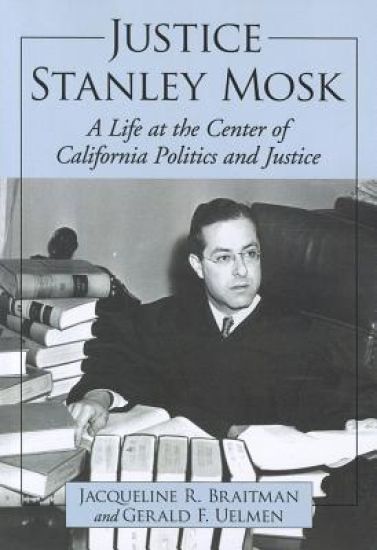
This is the first biography of Stanley Mosk (1912-2001), iconic protector of civil rights and civil liberties during his 37 years as a justice of the Supreme Court of California (1964 to 2001). He had quickly risen as a well liked leader among Los Angeles reformers, as executive secretary to California governor Culbert Olson and then 16 years as a superior court judge. His 1958 election and service as state attorney general soon won national attention and the promise of likely election to the U.S. Senate, but an unexpected campaign twist augured a new course. This book frames Mosk's Supreme Court years and the landmark cases in which his opinions or biting dissents continue to resonate.
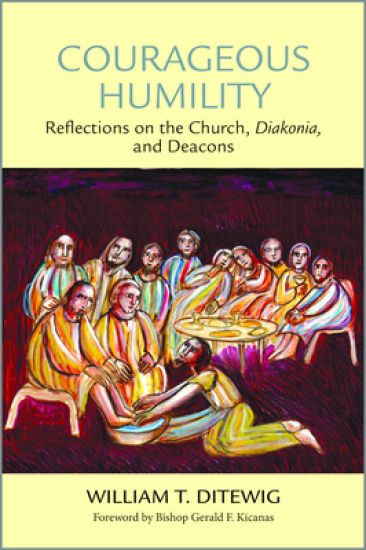
Courageous humility is a humility that takes risks, investing the talents and strengths God has given us for the good of others. The reflections revolve around that call: “Be strong and courageous!” Chapter One grounds the project in the Trinity, the core dogma of the Church. From the earliest days of the Church, humility has been seen as the heart of Christian communal life, so Chapter Two examines the classic insights on humility from St. Benedict and his groundbreaking Rule. Humility should be the foundation of all the various external structures we create to support our mission of evangelization. Chapter Three offers some suggestions on ecclesial structural reform. Building on these foundational chapters, the succeeding chapters focus on the diaconate within this context of ecclesial humility. Chapter Four discusses the sacramentality of the diaconate. Chapter Five suggests revisions to the Code of Canon Law vis-à-vis the diaconate, and Chapter Six recommends developments in the liturgy of diaconal ordination. Chapter Seven responds to some of the recurring issues of the diaconate, and Chapter Eight discusses how the Church may tap the full potential of the renewed diaconate. †
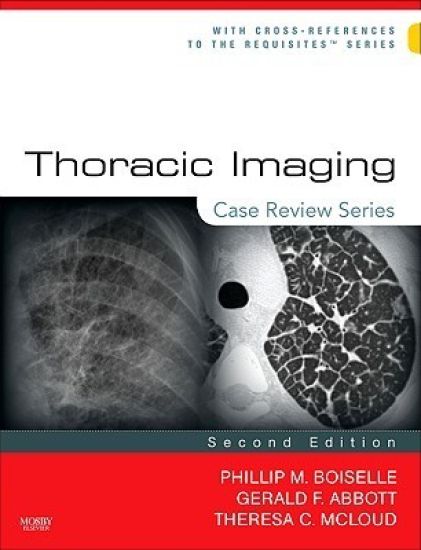
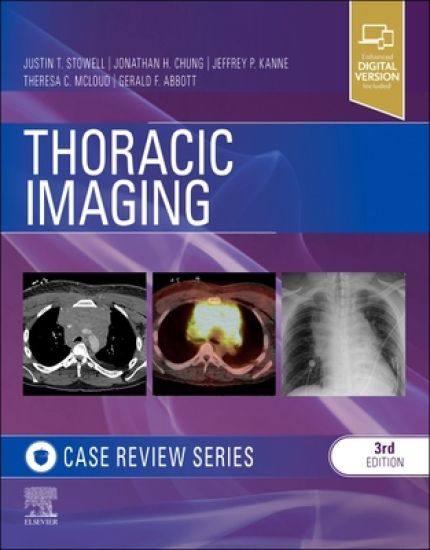
Thoracic Imaging: Case Review, by Phillip M. Boiselle, MD, Theresa C. McLoud, MD and Gerald F. Abbott, MD, tests your ability to interpret a wide range of images seen in practice. The completely revised edition of this title in the popular Case Review series features all-new cases and superb-quality accompanying images that explore the newest imaging modalities, including new treatment guidelines for lung cancer, HIV/AIDS, and pneumonia. This complete study of thoracic imaging has been organized for quick reference and easy board and recertification review. Easily find and study the most challenging topics from among approximately 200 cases-organized by difficulty - and 400 images - with questions and answers, diagnoses, commentary, references, and cross-references to Thoracic Radiology: The Requisites. Study effectively with content that mimics the format of official exams as well as the everyday clinical experience-offering highly effective preparation for certification, recertification, and practice. Supplement your thoracic imaging board prep and get greater depth of information with easy cross-referencing to Thoracic Radiology - the companion volume in The Requisites series. Clearly see and interpret 400 high-quality, state-of-the-art images representing a wide range of clinical situations encountered in thoracic imaging. Get fresh perspectives from 200 updated or new cases reflecting the most recent changes in thoracic imaging, including PET-CT, emerging pulmonary infections, smoking-related lung diseases, Fleischner guidelines for management of incidentally detected lung nodules, and ground glass and part-solid lung nodules. Spend less time searching and more time learning with easy-to-navigate chapters focused on visual identification and diagnosis, and reorganized by degree of case difficulty.
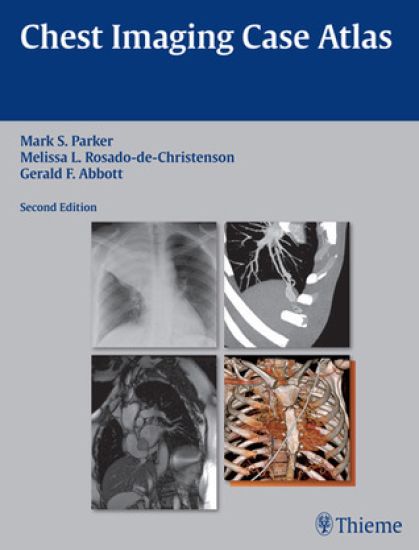
A comprehensive atlas covering the breadth and depth of chest imaging Written by renowned experts in chest imaging, Chest Imaging Case Atlas, Second Edition enables radiology residents, fellows, and practitioners to hone their diagnostic skills by teaching them how to interpret a large number of radiologic cases. This atlas contains over 200 cases on conditions ranging from Adenoid Cystic Carcinoma to Wegener Granulomatosis. Each case is supported by a discussion of the disease, its underlying pathology, typical and unusual imaging findings, management, and prognosis, providing a comprehensive overview of each disorder. Special Features of the Second Edition: Over 1500 high-quality images demonstrating normal and pathologic findings and their variations More multiplanar, CT angiographic (CTA), MRI, and 3D imaging is incorporated into the text, helping readers stay current with this rapidly changing technology 40 new cases and updated images in cases from the previous edition A new post-thoracotomy chest section addresses normal post-operative findings and complications associated with common thoracic interventional procedures The neoplastic diseases section includes the new TNM staging system for lung cancer The adult cardiovascular disease section now contains a discussion on univentricular and biventricular or end-stage heart failure including various ventricular assist devices and the Total Artificial Heart, their imaging features, and complications associated with their use The diffuse lung disease section has been expanded to include an approach to HRCT interpretation Case discussions are based on up-to-datereviews of current literature as well as classic landmark articles Pearls are provided to describe the features that may strongly support a specific diagnosis, enabling readers to sharpen their clinical diagnostic skillsThis book is an invaluable illustrated reference that all physicians in radiology and chest imaging in particular, including pulmonary medicine physicians and thoracic surgeons, should have on their bookshelf.
Master the critical imaging content you need to know with this thoroughly updated title in the popular Case Review series. Thoracic Imaging offers a highly illustrated, case-based preparation for board review to help residents and recertifying radiologists succeed on exams, demonstrate a clinical understanding of thoracic imaging, and improve imaging accuracy and interpretation. Cases include both common and difficult-to-diagnose disorders spanning the range of diseases impacting the thorax, including sarcoidosis, lymphoma, traumatic aortic injury, small airway disease, idiopathic interstitial pneumonias, developmental lung disease, and lung cancer. Presents more than 145 high-yield case studies organized by level of difficulty, helping you build your knowledge and confidence in stages. All cases have been refreshed and rewritten to capture the latest clinical implications and diagnostic pearls on thoracic conditions that you will be tested on. Includes multiple-choice questions, answers, and rationales that mimic the format of certification exams. Uses short, easily digestible chapters covering the full range of thoracic imaging for efficient, effective learning and exam preparation. Features hundreds of high-quality, full-color images (many new to this edition) representing a wide range of clinical situations encountered in thoracic imaging. Images include chest radiographs, CT, PET-CT, and MRI to help you expand your visual identification and diagnostic skills. Clearly see and interpret 400 high-quality, state-of-the-art images representing a wide range of clinical situations encountered in thoracic imaging. Get fresh perspectives from 200 updated or new cases reflecting the most recent changes in thoracic imaging, including PET-CT, emerging pulmonary infections, smoking-related lung diseases, Fleischner guidelines for management of incidentally detected lung nodules, and ground glass and part-solid lung nodules. Spend less time searching and more time learning with easy-to-navigate chapters focused on visual identification and diagnosis, and reorganized by degree of case difficulty.
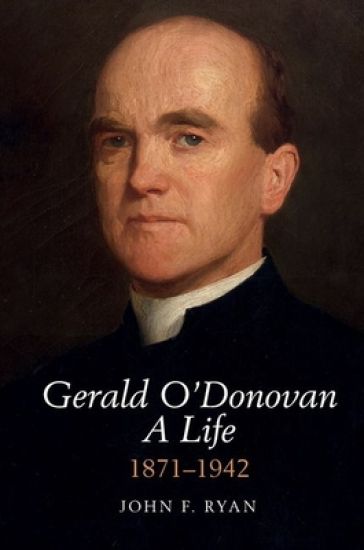
This is the first full-length study of the life and work of novelist Gerald O’Donovan (1871–1942), a Catholic priest and social and cultural activist who, having abandoned the priesthood, became a writer and publisher. As a priest in Loughrea, Co. Galway, he was a very public figure in Irish life in several different areas. He was friendly with W. B. Yeats, Lady Gregory and George Moore and actively promoted the ‘Celtic Revival’. He was also a friend of Douglas Hyde and Sir Horace Plunkett and, for a number of years, he was a national figure in their respective organizations, the Gaelic League and the Co-operative Movement. After his marriage to Beryl Verschoyle, he moved to England and subsequently published six novels, the best-known and most controversial of which was Father Ralph (1913), a portrait of the artist as a priest. He also spent time working in the British Department of Propaganda under Lord Northcliffe, where H.G. Wells was one of his colleagues. This biography of an important and strangely neglected figure allows us new insights into a whole range of interesting cultural moments in twentieth-century Irish life, including the beginnings of literary modernism, the flourishing of the Irish literary revival and the emergence of a dissident strand within the Catholic clergy. Based on a rich and previously untapped array of archival material in Ireland, Britain and the US, the book provides both a much-needed reassessment of O'Donovan's work and also a history of Irish writing during those early decades of the twentieth century that saw the development of a new and powerful national literature.
This is the first full-length study of the life and work of novelist Gerald O’Donovan (1871–1942), a Catholic priest and social and cultural activist who, having abandoned the priesthood, became a writer and publisher. As a priest in Loughrea, Co. Galway, he was a very public figure in Irish life in several different areas. He was friendly with W. B. Yeats, Lady Gregory and George Moore and actively promoted the ‘Celtic Revival’. He was also a friend of Douglas Hyde and Sir Horace Plunkett and, for a number of years, he was a national figure in their respective organizations, the Gaelic League and the Co-operative Movement. After his marriage to Beryl Verschoyle, he moved to England and subsequently published six novels, the best-known and most controversial of which was Father Ralph (1913), a portrait of the artist as a priest. He also spent time working in the British Department of Propaganda under Lord Northcliffe, where H.G. Wells was one of his colleagues. This biography of an important and strangely neglected figure allows us new insights into a whole range of interesting cultural moments in twentieth-century Irish life, including the beginnings of literary modernism, the flourishing of the Irish literary revival and the emergence of a dissident strand within the Catholic clergy. Based on a rich and previously untapped array of archival material in Ireland, Britain and the US, the book provides both a much-needed reassessment of O'Donovan's work and also a history of Irish writing during those early decades of the twentieth century that saw the development of a new and powerful national literature.
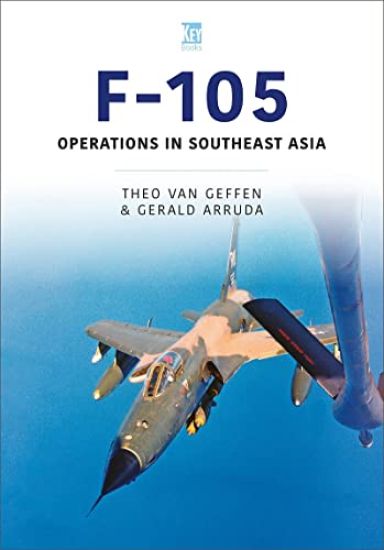
The F-105 Thunderchief was primarily designed for tactical nuclear operations. For this reason, it was on nuclear Victor alert in Europe and the Far East. When the air war against North Vietnam was initiated on March 2, 1965, the USAF needed an aircraft with a load-carrying ability, and the only aircraft that could do that job was the Thunderchief. In the second book of what will be a defining trilogy of Thunderchief history, the wartime operations of this iconic aircraft are detailed, alongside investigations of the extensive modification programs that allowed the F-105 to get the job done. This book not only gives in-depth accounts of various historical F-105 events, with inputs from the pilots involved, but is also lavishly illustrated with over 150 images, many of which have never been published before.
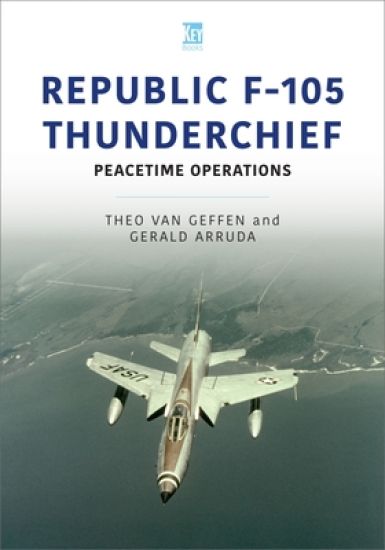
The F-105 Thunderchief was primarily designed for tactical nuclear operations. For this reason, it was on nuclear Victor alert in Europe (Bitburg and Spangdahlem Air Bases in Germany) and the Far East (Kadena on Okinawa and Osan in the Republic of Korea). After President John F. Kennedy took office in January 1961, his Secretary of Defense, Robert McNamara, shifted the USAF's focus more and more to conventional warfare including, through modifications, the mission of the F-105. When the air war against North Vietnam was initiated in earnest on March 2, 1965, the USAF needed an aircraft with a load-carrying ability, and the only aircraft that could do that job was the Thunderchief. This book not only gives in-depth accounts of various historical F-105 events, with inputs from the pilots involved, but is also lavishly illustrated with over 150 images, many of which have never been published before.