Kirjahaku
Etsi kirjoja tekijän nimen, kirjan nimen tai ISBN:n perusteella.
1000 tulosta hakusanalla Gilda Radner


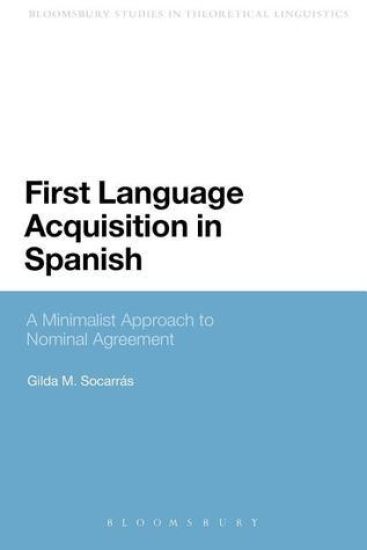
This book provides new insights into the acquisition of functional categories in child language. Operating within the Minimalist Framework (Chomsky 1995) it examines in particular the availability of Determiner Phrases in the grammar of young children acquiring Spanish as a first language.The analysis reveals an interaction in child grammar around the production of bare nominals, proto-determiners and full determiner phrases. Socarrás performs both qualitative and quantitative analyses to point to a link between the development stages children go through, and the occurrence of these elements in their speech.The work goes on to address the language acquisition debate between the continuity and discontinuity hypotheses, aligning the findings with a conclusion on how best to organise the theory.
This book provides new insights into the acquisition of functional categories in child language. Operating within the Minimalist Framework (Chomsky 1995) it examines in particular the availability of Determiner Phrases in the grammar of young children acquiring Spanish as a first language. The analysis reveals an interaction in child grammar around the production of bare nominals, proto-determiners and full determiner phrases. Socarr's performs both qualitative and quantitative analyses to point to a link between the development stages children go through, and the occurrence of these elements in their speech. The work goes on to address the language acquisition debate between the continuity and discontinuity hypotheses, aligning the findings with a conclusion on how best to organise the theory.

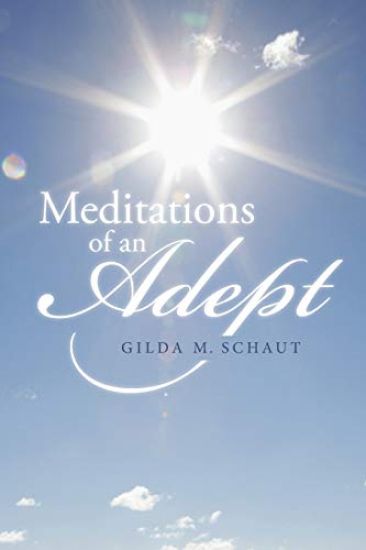
Le mie sono riflessioni (chiamarle poesie sarebbe un'offesa per chi veramente le scrive) prive di metrica e punteggiatura, a volte nate da parole ascoltate per caso a volte da scorci di vita vissuta...raccontate con il linguaggio semplice di un cuore che ha deciso di ricominciare a pulsare....
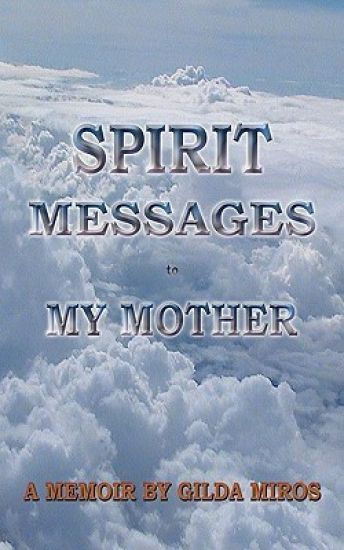




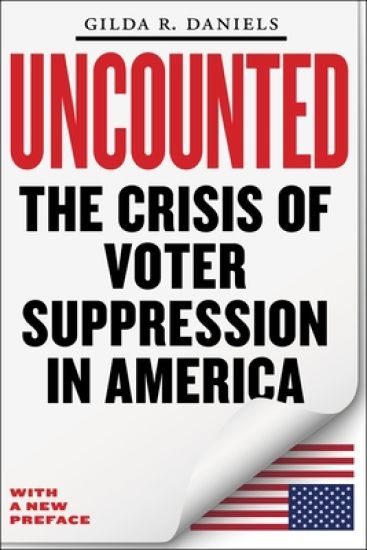
An answer to the assault on voting rights—crucial reading in light of the 2024 presidential election The Voting Rights Act of 1965 is considered one of the most effective pieces of legislation the United States has ever passed. It enfranchised hundreds of thousands of voters, particularly in the American South, and drew attention to the problem of voter suppression. Yet in recent years there has been a continuous assault on access to the ballot box in the form of stricter voter ID requirements, meritless claims of rigged elections, and baseless accusations of voter fraud. In the past these efforts were aimed at eliminating African American voters from the rolls, and today, new laws seek to eliminate voters of color, the poor, and the elderly, groups that historically vote for the Democratic Party. Uncounted examines the phenomenon of disenfranchisement through the lens of history, race, law, and the democratic process. Gilda R. Daniels, who served as Deputy Chief in the United States Department of Justice Civil Rights Division and has more than two decades of voting rights experience, argues that voter suppression works in cycles, constantly adapting and finding new ways to hinder access for an exponentially growing minority population. She warns that a premeditated strategy of restrictive laws and deceptive practices has taken root and is eroding the very basis of American democracy—the right to vote!
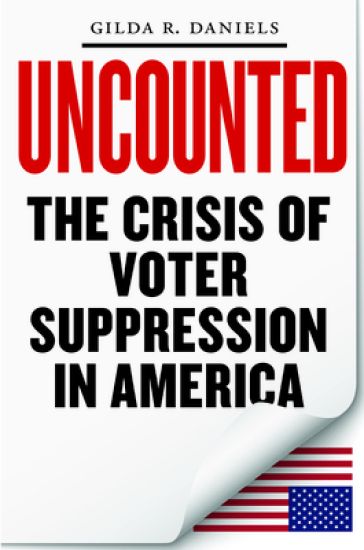
An answer to the assault on voting rights—crucial reading in light of the 2024 presidential election The Voting Rights Act of 1965 is considered one of the most effective pieces of legislation the United States has ever passed. It enfranchised hundreds of thousands of voters, particularly in the American South, and drew attention to the problem of voter suppression. Yet in recent years there has been a continuous assault on access to the ballot box in the form of stricter voter ID requirements, meritless claims of rigged elections, and baseless accusations of voter fraud. In the past these efforts were aimed at eliminating African American voters from the rolls, and today, new laws seek to eliminate voters of color, the poor, and the elderly, groups that historically vote for the Democratic Party. Uncounted examines the phenomenon of disenfranchisement through the lens of history, race, law, and the democratic process. Gilda R. Daniels, who served as Deputy Chief in the United States Department of Justice Civil Rights Division and has more than two decades of voting rights experience, argues that voter suppression works in cycles, constantly adapting and finding new ways to hinder access for an exponentially growing minority population. She warns that a premeditated strategy of restrictive laws and deceptive practices has taken root and is eroding the very basis of American democracy—the right to vote!