
Kirjahaku
Etsi kirjoja tekijän nimen, kirjan nimen tai ISBN:n perusteella.
1000 tulosta hakusanalla Kenneth H. Craik
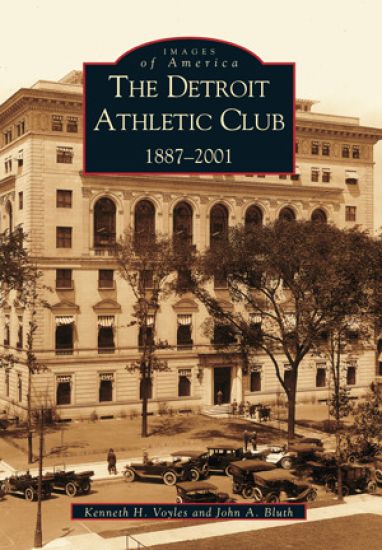
Detroit Athletic Club
Kenneth H Voyles; John A Bluth
Arcadia Publishing Library Editions
2001
sidottu
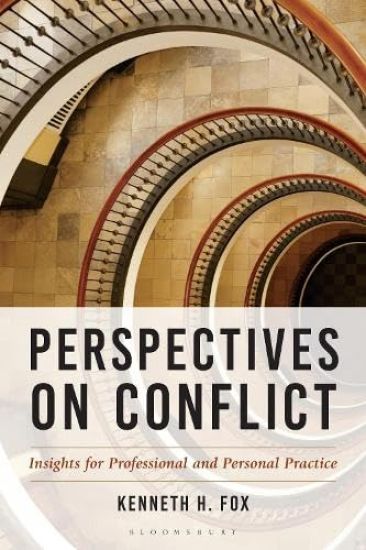
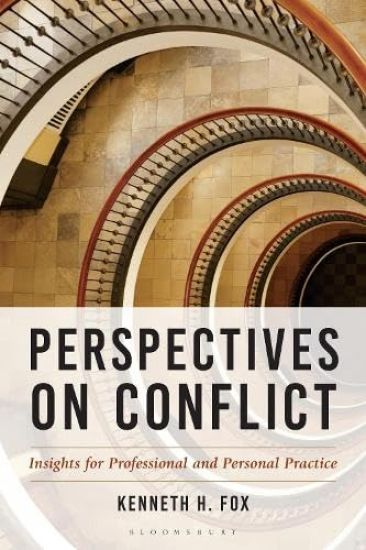
This multi-perspective examination provides deep insight into the many ways people can better understand conflict, with practical application to various roles and settings.Kenneth H. Fox provides a broadly interdisciplinary examination of conflict insights and dives into implications of how this can inform more reflective, insightful, and comprehensive conflict practice across a range of professional and personal settings. While the book is grounded in theory, it is written to be practical and accessible to students and practitioners. The book is organized into 3 parts. Part 1 introduces several metaphors that help the reader envision conflict in complementary ways and examines the importance of adopting multiple perspectives for broadening insights into conflict. It also introduces technical language that helps clarify the implications of conflict intervention and invites the readers to appreciate and engage in reflective and reflexive conflict practice. Part 2 examines sample conflict theories from six, broad disciplinary perspectives: the body; the non-conscious mind; the strategic mind; language and symbols; the co-creation of meaning; and social systems, structures, and the conflict ecosystem. Together, these 6 perspectives help provide a holistic sense of the conflicts we experience. Part 3 shifts focus to practical application of the insights examined. It discusses how the various perspectives impact the work of a conflict practitioner in general as well as particular practice roles and settings.
This multi-perspective examination provides deep insight into the many ways people can better understand conflict, with practical application to various roles and settings.Kenneth H. Fox provides a broadly interdisciplinary examination of conflict insights and dives into implications of how this can inform more reflective, insightful, and comprehensive conflict practice across a range of professional and personal settings. While the book is grounded in theory, it is written to be practical and accessible to students and practitioners. The book is organized into 3 parts. Part 1 introduces several metaphors that help the reader envision conflict in complementary ways and examines the importance of adopting multiple perspectives for broadening insights into conflict. It also introduces technical language that helps clarify the implications of conflict intervention and invites the readers to appreciate and engage in reflective and reflexive conflict practice. Part 2 examines sample conflict theories from six, broad disciplinary perspectives: the body; the non-conscious mind; the strategic mind; language and symbols; the co-creation of meaning; and social systems, structures, and the conflict ecosystem. Together, these 6 perspectives help provide a holistic sense of the conflicts we experience. Part 3 shifts focus to practical application of the insights examined. It discusses how the various perspectives impact the work of a conflict practitioner in general as well as particular practice roles and settings.

Fromajadas and Indigo: The Minorcan Colony in Florida
Kenneth H. Beeson
History Press Library Editions
2006
sidottu
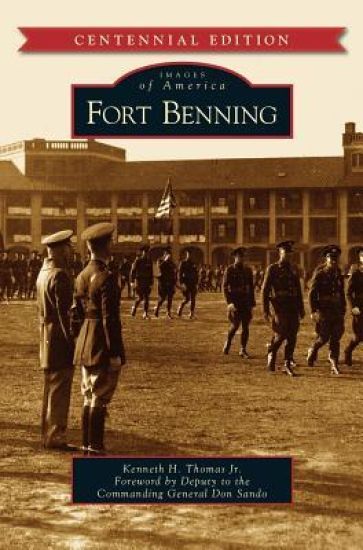
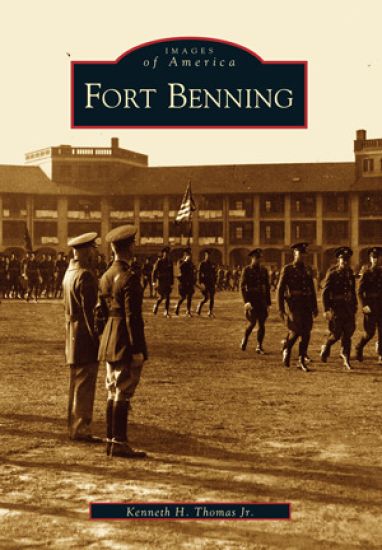
Established outside Columbus, Georgia, in October 1918 by the United States Army as Camp Benning, the base was moved to its permanent location, nine miles south, in June 1919. In 1922, the post was made permanent and was named Fort Benning. Created as the new location of The Infantry School of Arms, Fort Benning became the training post for many of the country's future leaders, as well as a major part of the military experience for hundreds of thousands of American soldiers.The post's current size, more than 180,000 acres, has long made it recognized as one of the largest infantry bases in the world. Named for Gen. Henry L. Benning of Columbus, the installation has had a major impact on the economic and social life of nearby Columbus. Images of America: Fort Benning features vintage photographs and postcards, mostly from 1918 to 1978, showcasing the first 60 years of the base's 85-year history. Included are scenes of the temporary encampment on Macon Road and the early wooden encampment on the Main Post. The permanent buildup from the late 1920s to the early 1940s is shown in photographs of The Infantry School, the Officers' Club, Main Post Chapel, Doughboy Stadium, Gowdy Field, the Jump Towers, Lawson Field, the Cuartel Barracks, and the officers' quarters, as well as Riverside, the Commandant's Home, formerly the Bussey Plantation. Activities and events include military reviews, visits of presidents, and the National Infantry Museum's dedication. Generals who served there and are featured include Bradley, Eisenhower, Marshall, and Patton. This centennial edition features a new foreword by Don Sando, deputy to the commanding general.
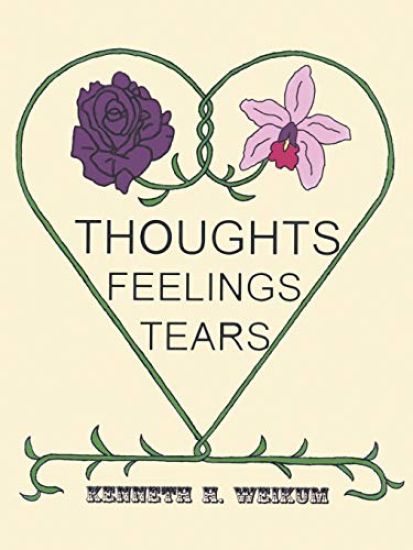
Years ago when I was sharing some of my poems with friends, a young lady asked me, "Is this what you actually think or just words that you write because they go good together?" The answer was to become the title to this book. These are my personal "THOUGHTS" about the places and people that have touched my life. My "FEELINGS" about those I've loved and was fortunate enough to have had them grace me with their love. And of the "TEARS" we all must cry throughout our lives, and some still do. I share these with you, a total stranger, not so much that you may know me better. But with hopes that you may get to know yourself better. That they might bring reflections on your own life, so that you might fully appreciate those around you ad with hopes they bring understanding of how precious life really is and how fragile love can be.
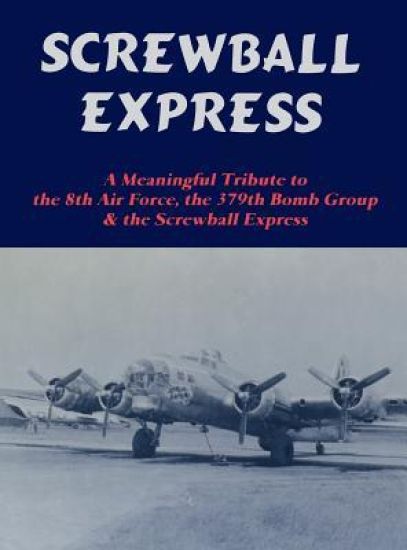
A detailed biography of a B-17G Flying Fortress assigned to the 379the Bomb Group at Kimbolton, England, during WWII.

The rise of the public sphere, as chronicled by social movements spanning the nineteenth, twentieth, and twenty-first centuries
The rise of the public sphere, as chronicled by social movements spanning the nineteenth, twentieth, and twenty-first centuries
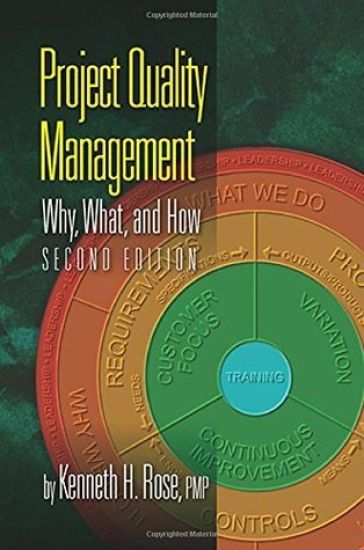
Project Quality Management: Why, What and How, Second Edition demonstrates how to implement the general methods defined in A Guide to the Project Management Body of Knowledge—Fifth Edition (PMBOK Guide) and augments those methods with more detailed, hands-on procedures that have been proven through actual practice. This edition presents case examples that illuminate the theory of quality planning, assurance, and control with real-world narratives, including situation, analysis, and lessons learned. It also provides course discussion points and practical exercises at the end of each chapter. In its first edition, Project Quality Management was the recipient of the 2006 PMI David I. Cleland Project Management Literature Award. The award-winner offered project managers a specific, succinct, step-by-step project quality management process found nowhere else. This second edition features updated and enhanced material that meets the needs of practitioners, trainers, college instructors, and their students! Course instructor material is also available.
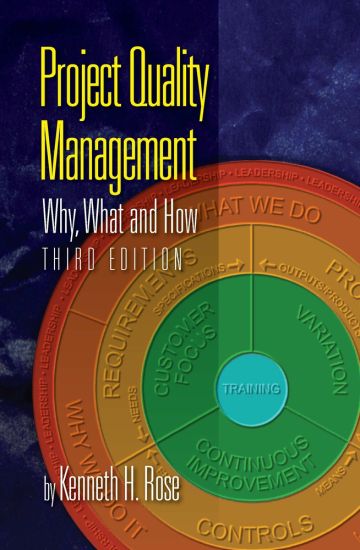
Project Quality Management: Why, What and How, Third Edition adds helpful detail and action steps to the generally described principles defined in A Guide to the Project Management Body of Knowledge—7th Edition (PMBOK Guide). It augments those methods with more detailed, hands-on procedures that have been proven through actual practice. This edition presents case examples that illuminate the theory of quality planning, assurance, and control with real-world narratives, including situation, analysis, and lessons learned. It also provides course discussion points and practical exercises at the end of each chapter. In its first edition, Project Quality Management was the recipient of the PMI David I. Cleland Project Management Literature Award. The award-winner offered project managers a specific, succinct, step-by-step project quality management process found nowhere else. This third edition features updated and enhanced material that meets the needs of practitioners, trainers, college instructors, and their students! Course instructor material is also available.

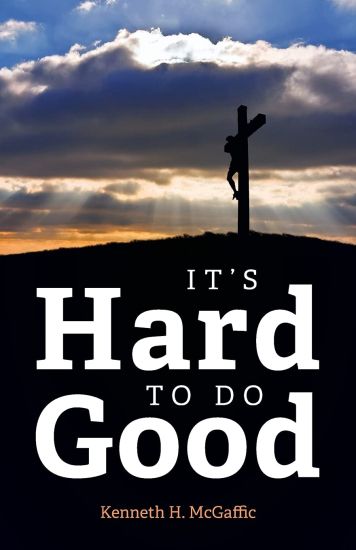
If something is hard, does that mean God is not in it? Someone once told me, "Doing the will of God is like a hot knife through butter." I'm not sure what Bible they were reading, but that hasn't been my Christian experience for half a century. Unfortunately, much of what is preached from today's pulpits emphasizes all the benefits that are ours as believers without mentioning the cost involved. In advertising we call this, "Giving them the streets of gold." It captures listeners and fills churches, but does it make disciples as Jesus commanded?Part of being a follower of Christ is to do good, even if it's hard. This book teaches us, from the scriptures and by personal experience, how we can be a more effective "do gooder."

A detailed biography of a B-17G Flying Fortress assigned to the 379the Bomb Group at Kimbolton, England, during WWII.
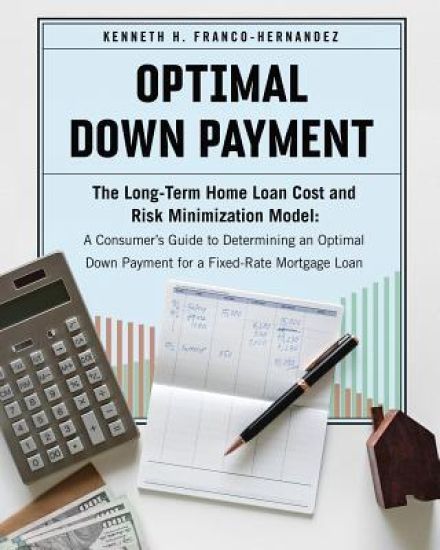
Optimal Down Payment: The Long-Term Home Loan Cost and Risk Minimization Model: A Consumer's Guide to Determining an Optimal Down Payment fo
Kenneth H. Franco-Hernandez
Kenneth H. Franco-Hernandez
2018
nidottu
"Optimal Down Payment" is the first book solely dedicated to helping millions of consumers (both home and investment buyers) determine an optimal down payment on a real estate purchase based on a new and innovative economic theory called the "Long-Term Home Loan Cost and Risk Minimization Model." After reading this book, readers will learn how to: 1) Determine an affordable home price; 2) Calculate an ideal down payment for a fixed-rate mortgage loan, which maximizes long-term interest-cost savings with the least financial risk; and 3) Develop a low-risk plan for paying off a mortgage early without necessarily having to make additional monthly payments to a mortgage bill. This book is short and concise to help busy home buyers make a well-informed borrowing decision in a short time frame. What's more, it offers great learning material for students studying economics and finance; and professors looking to connect abstract economic concepts to real life applications. The Long-Term Home Loan Cost and Risk Minimization Model was first written and unveiled in this book and is intended to pave a path for greater consumer empowerment.