Kirjojen hintavertailu. Mukana 12 016 292 kirjaa ja 12 kauppaa.

Kirjahaku

Etsi kirjoja tekijän nimen, kirjan nimen tai ISBN:n perusteella.

1000 tulosta hakusanalla Marko From

How Mark Twain Invented Ideas from His Names: I Want to Meet Your English Teacher
THIS BOOK IS AN ANTHOLOGY OF FAMOUS AUTHORS WHO PRACTICED A SECRET TECHNIQUE OF INVENTING IDEAS FROM THE NAMES OF THEIR CHARACTERS AND THEN GIVING THOSE DETAILS TO THE ROLE OF THE CHARACTER IN THE STORY. THEY INCLUDE ROBERT LOUIS STEVENSON, SIR ARTHUR CONAN DOYLE, MARK TWAIN, AND AGATHA CHRISTIE. THE NAME TWAIN CONTAINS THE WORD TWIN WHICH IS WHY THE PRINCE AND THE PAUPER WERE DESCRIBED AS IDENTICAL IN EVERY REGARD. YOU WILL BE AMAZED AT HOW MUCH DETAIL THESE AUTHORS INVENTED AND INCLUDED IN THEIR SHORT STORIES AND NOVELS
From Paul to Mark

From Paul to Mark

Laura Knight-Jadczyk

RED PILL PRESS
2021
pokkari
Nearly two thousand years ago the seeds of a new religion were sown in the eastern fringes of the Roman empire. An apostle named Paul wrote letters to his small congregations offering support, rebukes, and the outline of the gospel that would come to be known as Christianity. In the decades after came the Gospel of Mark, followed by more letters and more Gospels, controversies and debates, factions and infighting, until finally, Christianity became an empire.But what if nearly everything you thought you knew about early Christianity was wrong? When read without preconceptions, the available contemporary sources tell a very different story, filled with 'colorful' characters, hardened revolutionaries, political maneuvering, and ideological conflict. In this groundbreaking study, Laura Knight-Jadczyk strips away centuries of assumptions and dogma to reexamine the fundamentals of what we can truly know the early Christians, how we know it, and how that changes our picture of what was really happening in first-century Judea.Why are there no historical references to Jesus and Christianity until decades after the events of the Gospels were supposed to have occurred? Why do the first non-Christian historians who mention Jesus seem dependent on the Gospels? Why does Paul make no unambiguous references to the Gospels' Jesus of Nazareth? What was Paul talking about? Laura Knight-Jadczyk's answers to these questions are revolutionary. After reading this book, you'll never see the origins of Christianity the same way again."What will happen to you if you read this book? I'll be glad to tell you. Your paradigm will begin to shift, perhaps only gradually at first. Your assumptions, even your axioms, will be challenged, and this time you will no longer be able to nervously default to the familiar. And all this will happen because you will be seeing the emergence of an exciting new stage of biblical criticism. Laura Knight-Jadczyk has here synthesized the work of a new generation of scholars who are not afraid to venture beyond convention and consensus. She has shown that the work of Wells, Doherty, Doughty, Carrier, Detering, Pervo, and myself are not merely isolated fireworks displays but rather gleams of a new, rising dawn. And in that light she presses on to her own striking advances. Won't you join her?"--Robert M. Price, host of The Bible Geek podcast, author of Jesus Christ Superstition and The Amazing Colossal Apostle"Quite a delight, well written, well researched."--Russell Gmirkin, author of Plato and the Creation of the Hebrew Bible and Berossus and Genesis, Manetho and Exodus
We Mark Your Memory: writings from the descendants of indenture
Customers based in the United States and Canada, please order from here: https://bit.ly/2GAV2YRThe abolition of slavery was thecatalyst for the arrival of the first Indianindentured labourers into the sugar colonies ofMauritius (1834), Guyana (1838) and Trinidad (1845),followed some years later by theinception of the system in South Africa (1860)and Fiji (1879). By the time indenture was abolished in the British Empire(1917-20), over one million Indians had beencontracted, theoverwhelming majority of whom never returned toIndia. Today, an Indian indentured labour diaspora isto be found in Commonwealth countriesincluding Belize, Kenya, Malaysia, Sri Lanka and the Seychelles.Indenture, whereby individuals entered, or were coerced, into anagreement to work in a colony in return for a fixed period of labour, was open to abuse fromrecruitment to plantation. Hidden within this little-known system ofnineteenth- and early twentieth-century Indian migration under the British Empire are hithertoneglected stories of workers who were both exploited and unfree. These include indentured historiesfrom Madeira to the Caribbean, from West Africa to the Caribbean, and from China to the Caribbean, Mauritius andSouth Africa.To mark the centenary of the abolitionof the system in the British Empire (2017-20) this volume brings together, for the firsttime, new writing from across the Commonwealth. It is a unique attempt toexplore, through the medium of poetry and prose, the indentured heritage of the twenty-first century.
How Mark Twain Invented Stories from His Names: The Root Word Technique
THIS BOOK HAS UNDERGONE A NAME CHANGE. IT WAS FORMERLY CALLED: "THE LETTER B IN BREAST IS A PICTURE". THIS BOOK IS AN EXPOSE ON A SECRET TECHNIQUE USED TO INVENT OTHER WORDS FROM A ROOT WORD OR NAME. THIS SMALL E BOOK SHOWS HOW MARK TWAIN, ROBERT LOUIS STEVENSON, SIR ARTHUR CONAN DOYLE AND OTHERS INVENTED IDEAS FROM THEIR OWN NAMES OR THE NAMES OF THE CHARACTERS IN THEIR STORIES AND THEN USED THOSE IDEAS AS A PART OF THE STORY. FOR EXAMPLE THE LETTERS IN THE NAME TWAIN CAN BE USED TO INVENT THE PHRASE: "A TWIN" AND THIS THEME WAS USED AS THE BASIS FOR THE STORY: "THE PRINCE & THE PAUPER". YOU WILL FIND MY EXPOSE' ON THE PRINCE AND THE PAUPER RIVETING. TWAIN WAS A GENIUS. AND HIS USE OF INVENTING IDEAS FROM HIS NAME, FUN TO READ ABOUT. BUT THERE IS A FLY IN THE OINTMENT AS THEY SAY. THIS TECHNIQUE IS A CLOSELY GUARDED SECRET, AND HAS BEEN USED ON OCCASION TO DO VERY BAD THINGS. I HOPE YOU WILL TAKE THE TIME TO READ THIS BOOK BECAUSE YOU WILL FIND IT VERY RELEVANT TO "YOUR LIFE" AS YOU ARE GOING TO FIND OUT WHEN YOU READ IT'S COMPANIONS WHICH INCLUDE: "THE ACTUAL NAMING OF THE JFK ASSASSINS", AND "HOW JESUS WAS INVENTED" WHICH SHOWCASES HOW NAMES LIKE JESUS, LAZARUS AND OTHERS WERE USED TO INVENT THE DETAIL OF THE NEW TESTAMENT. AS A MATTER OF FACT THERE IS STRONG EVIDENCE THAT THESE NAMES WERE USED TO INVENT VOCABULARY OF THE ENGLISH LANGUAGE. YOU'RE GOING TO WITNESS MANY UNRECORDED DISCOVERIES IN THE FIELD OF LINGUISTICS. IT'S NOT THAT LINGUISTS ARE STUPID, IT'S THAT PEOPLE LIKE THE GRIMMS BROTHERS HELD BACK SOME OF THEIR KNOWLEDGE. THAT IS WHY YOU AND I WERE TAUGHT THAT THE LETTERS OF THE ALPHABET WERE USED AS SYMBOLS FOR SOUNDS AND NOT AS PICTURES. WELL, AS YOU'RE GOING TO SEE TWAIN, DOYLE, STEVENSON, CHRISTY, MYSELF AND MANY OTHERS KNOW FOR A FACT THAT THE LETTERS OF THE ALPHABET ARE PICTURES.
The Graybeard Lectures: Common Sense Marketing Wisdom From The Whiteboard of Mark "Dr. Maddog" Donnelly
The Graybeard Lectures slices through the noise with one timeless truth: people still make decisions with their hearts long before their heads ever get involved. It's an old-school, relentlessly practical roadmap to understanding how humans actually make decisions. Drawing on decades of teaching, consulting, storytelling, and field-tested simplicity, Dr. Donnelly returns with a no-nonsense guide for marketers, fundraisers, entrepreneurs, and anyone trying to build a sustainable brand that actually matters. INSIDE YOU'LL EXPLORE: - The Old School Advantage-and why the fundamentals still win. - The Psychology of Saying "Yes"-the brain's hidden rules - Why Logic Loses-and how real humans actually make choices. - The Rise of Useful Over Clever-the shift that reshaped modern branding. - The Generosity Algorithm-the principle behind successful relationships. - Meaningful Differentiation-how to stand out without showing off. - The Power of Story-because the brain is a theater, not a spreadsheet. - The Star Trek Strategy-going boldly where your competition can't follow. - Simplicity as Strategy-why doing less creates more. -The Coconut Telegraph-how messages really spread - The Graybeard 10 Commandments of Branding From donor psychology to brand storytelling-and from ancient wisdom to modern tactics... The Graybeard Lectures brings it all together with humor, heart, and hard-earned clarity. Because at the end of the day, the best marketing doesn't feel like marketing at all- It feels like someone is finally speaking your language.
From John of Apamea to Mark’s Gospel

From John of Apamea to Mark’s Gospel

Dempsey Rosales Acosta

Peter Lang Publishing Inc
2014
sidottu
From John of Apamea to Mark’s Gospel: Two Dialogues with Thomasios: A Hermeneutical Reading of Horáo, Blépo, and Theoréo combines two theological fields of investigation. The first is related to the Patristic theology of Eastern Syrian Christianity and the second resides in the field of Biblical theology. The research articulates the two fields, which complement each other through a logic exposition in that the theological conceptions of John of Apamea serve as the hermeneutical reading of the verbs of visual perception in the Markan Gospel. The first part expounds the problem related to the quest of the historical John of Apamea, an overview of the problem of his identity based upon the most important critical works attributed to him, proposing a plausible solution. The notion of the spiritual perception of the soul is intrinsically connected with the notion of «spiritual exegesis» and «spiritual senses», essential thoughts in the theology of the dialogues with Thomasios. Applying this methodological approach to the Scripture, the second part expounds the topic of the spiritual seeing in Mark’s Gospel. The section follows four expositive stages. The first consists of the semantic analysis of the Markan terminology and its psychological implications; the second analyzes the narrative portrait of the seeing of Jesus; the third examines briefly the seeing of the demons; the last stage considers the contemplative attitude of the women in the context of Christ’s passion, death, and resurrection. From John of Apamea to Mark’s Gospel is essential reading for scholars in Eastern Patristic theology, Biblical theology, and spiritual theology.
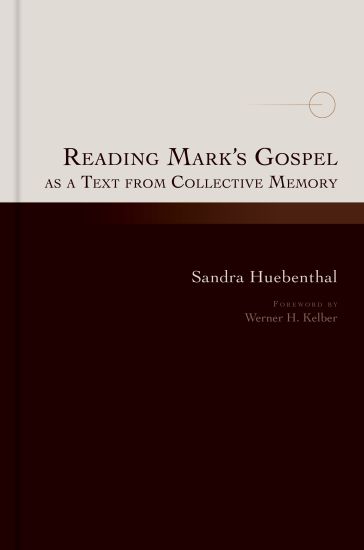
Reading Mark's Gospel as a Text from Collective Memory

Reading Mark's Gospel as a Text from Collective Memory

Sandra Huebenthal

William B. Eerdmans Publishing Company
2020
sidottu
How did the Gospel of Mark come to exist? And how was the memory of Jesus shaped by the experiences of the earliest Christians? For centuries, biblical scholars examined texts as history, literature, theology, or even as story. Curiously absent, however, has been attention to processes of collective memory in the creation of biblical texts. Drawing on modern explorations of social memory, Sandra Huebenthal presents a model for reading biblical texts as collective memories. She demonstrates that the Gospel of Mark is a text evolving from collective narrative memory based on recollections of Jesus's life and teachings. Huebenthal investigates the principles and structures of how groups remember and how their memory is structured and presented. In the case of Mark's Gospel, this includes examining which image of Jesus, as well as which authorial self-image, this text as memory constructs. Reading Mark's Gospel as a Text from Collective Memory serves less as a key to unlock questions about the historical Jesus and more as an examination of memory about him within a particular community, providing a new and important framework for interpreting the earliest canonical gospel in context.
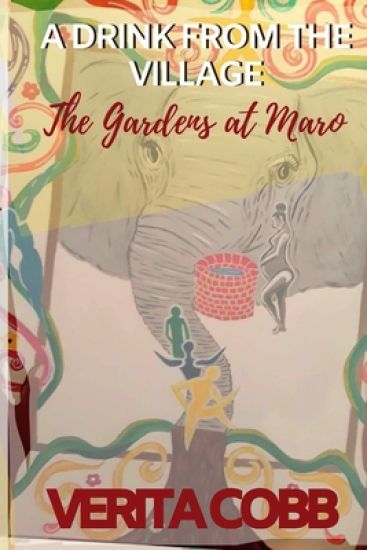
A Drink from the Village: The Gardens at Maro
A Drink From the Village is an amazing masterpiece that will transform the lives of its readers through the life of the author as well as powerful examples of how to recognize and move beyond common blocks to breaking through."Everyone has a gift and how they are called to serve is based on their personal relationship with God. In this world, you will not always find people who are willing to put their needs to the side and help you on your journey. You will encounter strangers supporting and pouring into you before a person you are close to.
Cavallini from Kane: the Snub, Mark's Pub, the Chair, A Rental Car, Mohawks, National Champions.
The 1984 National Championship hockey game between Bowling Green State University and Minnesota-Duluth is considered by many one of the greatest NCAA title games ever played. However, the game and the pass Gino Cavallini took from Danny Kane to finally end it, is merely one chapter in the story of this special group. The ensemble of individuals will forever be connected by the historic game, regardless of what team they wanted to win. It was a moment that unified a University and a community in Northwest Ohio. It also fused a University and community located near Lake Superior. While hundreds of articles have been written about the game, and the famous goal has been dissected frame by frame, what was missing were the stories of how those associated with the 1984 National Championship ended up in Lake Placid, New York on that March evening.
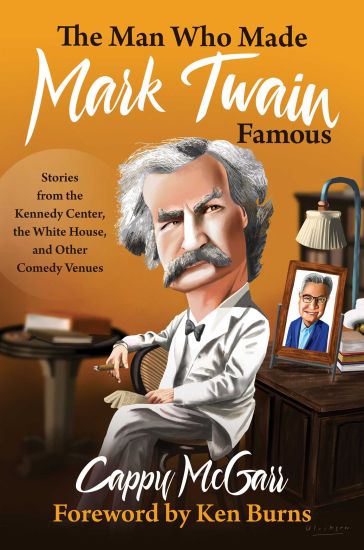
The Man Who Made Mark Twain Famous: Stories from the Kennedy Center, the White House, and Other Comedy Venues
In The Man Who Made Mark Twain Famous, Cappy McGarr shares how he became an Emmy-nominated founder/executive producer of the Kennedy Center Mark Twain Prize for American Humor, and got involved in national politics--all with charming southern style and a self-deprecating sense of humor. For decades, Cappy McGarr has been in the room where it happens. With The Man Who Made Mark Twain Famous, he'd like to invite you into that room, complete with his color commentary on the other folks inside. For the first time in print, Cappy reveals how the Mark Twain Prize was conceived, how it changed venues and networks, and even how it almost wasn't renewed after a controversial first outing with Richard Pryor. From there, Cappy pulls back the curtain for a behind-the-scenes look at over two decades of the Mark Twain Prize, sharing his take on the Kennedy Center's tributes to Pryor, Jonathan Winters, Carl Reiner, Whoopi Goldberg, Bob Newhart, Lily Tomlin, Lorne Michaels, Steve Martin, Neil Simon, Billy Crystal, George Carlin, Bill Cosby, Tina Fey, Will Ferrell, Ellen DeGeneres, Carol Burnett, Jay Leno, Eddie Murphy, Bill Murray, David Letterman, Julia Louis-Dreyfus, and Dave Chappelle. Cappy also gives the inside scoop on several shows he produced from the East Room of the White House, including the Gershwin Prize for Popular Song. Plus, he tells tales from his involvement in national politics--including encounters with the likes of President Lyndon B. Johnson, Senate Majority Leader Tom Daschle, Governor Ann Richards, President George W. Bush, President Barack Obama, and many others. "Reading Cappy's book is not unlike sitting down to dinner with him and listening to the stories he has picked up from decades of rubbing elbows with political leaders and comedians alike. There are historic set pieces. There are laughs and howls and chuckles and chortles." --Ken Burns Cappy is donating all of his proceeds from this book to the Kennedy Center Arts Education Programs.