Kirjojen hintavertailu. Mukana 11 627 463 kirjaa ja 12 kauppaa.

Kirjahaku

Etsi kirjoja tekijän nimen, kirjan nimen tai ISBN:n perusteella.

1000 tulosta hakusanalla Paola Gribaudo

Right-Wing Women

Right-Wing Women

Paola Bacchetta; Margaret Power

Routledge
2002
nidottu
An oft-neglected subject, right-wing women are an important component in understanding the many racist, fascist, and anti-feminist movements of the 20th century. Providing original research on an array of right-wing groups around the world, the contributors paint a disturbing and complicated portrait of the women involved in these movements. From Mussolini supporters to Klanswomen, this collection provides an eye-opening look at extremist women.
Atlas of Mediterranean Environments in Europe: The Desertification Context
The Mediterranean countries of Europe have been undergoing rapid change and development over the last thirty years and especially during the last ten. These changes have occurred in all aspects of life and livelihood, and for many countries such change has had far reaching social and economic impacts. In addition, the results of centuries of distinctive man—environment relationships in a climatically marginal region have been swept aside and the landscape itself is undergoing a rapid transformation. Large areas are being abandoned temporarily or permanently by rural populations; urban growth is rampant; agriculture has been intensified; and water scarcity, fed by the severe droughts of the 1980s and 1990s, has become a major environmental and resource concern. At the same time the threat of global climate change and the indication of deeper and more sustained future droughts has brought these issues into sharp focus. Based on the findings of the European Community’s Medalus Project, this Atlas brings to a wide audience the background to and a contemporary understanding of the environmental crisis, which is now facing the Mediterranean region of Europe, as well as the future prospects for a solution.
¡Un doctor por favor!

¡Un doctor por favor!

Paola Mina-Osorio

Science Education Online LLC
2020
pokkari
*****COLOR PAPERBACK VERSION*****Authored by a Hispanic doctor and scientist, Un Doctor, Por Favor was inspired by a Hispanic student who was told by her school counselor that she was "not college material." This real-life story, which is followed in the book, is but one example of the difficulties faced by young Hispanics trying to enter the medical field. Un Doctor, Por Favor provides an overview of the complex health and educational challenges faced by Hispanics in the U.S., and presents it both by the numbers-aggregating current research in an understandable format-and beyond the numbers through real people's struggles and successes. The book contains stories of Hispanic physicians who have achieved their goals despite the difficulties. Their stories illustrate what can be achieved with courage and perseverance. Most other books that address the lack of diversity in medicine are directed to educators, demographers, researchers, and policymakers. This book presents information in a concise and easy-to-understand manner. It includes more than 50 graphs and illustrations, a glossary, and more than 350 references. Each chapter features an "online resources" section with dozens of links to relevant websites on Hispanic demographics, information about underrepresented minorities in medicine, and advice for students who are interested in a career in medicine but do not know where to start or need to pursue an alternative path to medical education. Each chapter also contains a "key takeaways" section that summarizes the entire chapter in a few bullet points. Finally, the book highlights the remarkable progress in educational attainment that the Hispanic population has made over time, demonstrating that success is possible. Un Doctor, Por Favor provides answers to these questions and many more: What are the origins of the terms "Hispanic," "Latino" and "Latinx"?How do Hispanics identify themselves and what factors influence Hispanic racial identity?How does the U.S. Census define and count the Hispanic population?How many Hispanics live in the U.S. and how many go to medical school?Why is there a shortage of Hispanic physicians in the U.S.?What are the risk factors for low educational attainment among Hispanics?How early in the educational journey do the disparities begin?Is there racial bias in standardized testing?What is the health status of the Hispanic population?What is meant by terms, such as "cultural competence" and "health literacy?"Why do we need more Hispanic doctors?Contributions by: Arturo Casadevall MD PhD, Consuelo Casillas MD, Juan Carlos Caicedo MD; Latanya Benjamin MD, FAAD, FAAP, Marietta Vasquez MD, Nina Ramirez MD, FAAAAI, FCCP and Pilar Ortega MD.
Solis

Solis

Paola Mendoza; Abby Sher

Nancy Paulsen Books
2024
sidottu
From the authors of Sanctuary comes a haunting near-future companion tale about undocumented immigrants subjected to deadly experiments in a government labor camp and the four courageous rebels who set into place a daring plan to liberate them. The year is 2033, and in this near-future America where undocumented people are forced into labor camps, life is bleak. Especially so for seventeen-year-old Rania, a Lebanese teenager from Chicago. When she and her mother were rounded up by the Deportation Force, they were given the brutal job of digging in the labor camp's mine in search of the destructive and toxic--but potentially world-changing--mineral aqualinium. With this mineral, the corrupt and xenophobic government of the New American Republic could actually control the weather--ending devastating droughts sweeping the planet due to climate change. If the government succeeds, other countries would be at their mercy. Solidifying this power comes at the expense of the undocumented immigrants forced to endure horrendous conditions to mine the mineral or used in cruel experiments to test it, leaving their bodies wracked in extreme pain to the point of death. As the experiments ramp up, things only get worse. Rania and her fellow prisoners decide to start a revolution; if they don't, they know they will die. Told by four narrators--Rania, Jess (a former teenage Deportation Force officer), Vali, and Vali's mother, Liliana--Solis is about the courage and sacrifice it takes to stand and fight for freedom.
Solis

Solis

Paola Mendoza; Abby Sher

Nancy Paulsen Books
2025
nidottu
From the authors of Sanctuary comes a haunting near-future companion tale about undocumented immigrants subjected to deadly experiments in a government labor camp and the four courageous rebels who set into place a daring plan to liberate them. Now in paperback The year is 2033, and in this near-future America where undocumented people are forced into labor camps, life is bleak. Especially so for seventeen-year-old Rania, a Lebanese teenager from Chicago. When she and her mother were rounded up by the Deportation Force, they were given the brutal job of digging in the labor camp's mine searching for the destructive and toxic, but potentially world-changing chemical, aqualinium. With this chemical the corrupt and xenophobic government of the New American Republic could actually control the weather--ending devastating droughts sweeping the planet due to climate change. If the government succeeds, other countries would be at their mercy. Solidifying this power comes at the expense of the undocumented immigrants forced to endure horrendous conditions to mine the chemical or used in cruel experiments to test it, leaving their bodies wracked in extreme pain to the point of death. As the experiments ramp up, things only get worse. Rania and her fellow prisoners decide to start a revolution; if they don't, they know they will die. Told by four narrators--Rania, Jess (a former teenage Deportation Force officer), Vali, and Vali's mother Liliana--Solis is about the courage and sacrifice it takes to stand and fight for freedom.
Defectors: The Rise of the Latino Far Right and What It Means for America
AN NPR BEST BOOK OF 2024 - An award-winning journalist's exploration of how race, identity and political trauma have influenced the rise in far-right sentiment among Latinos, and how this group can shape American politics "A deeply reported, surprisingly personal exploration of a phenomenon that is little understood in our politics: the affiliation of Latino voters with causes and candidates that would seem, at first glance, unwelcoming to them." --Rachel Maddow Democrats have historically assumed they can rely on the Latino vote, but recent elections have called that loyalty into question. In fact, despite his vociferous anti-immigrant rhetoric and disastrous border policies, Trump won a higher percentage of the Latino vote in 2020 than he did in 2016. Now, journalist Paola Ramos pulls back the curtain on these voters, traveling around the country to uncover what motivates them to vote for and support issues that seem so at odds with their self-interest. From coast to coast, cities to rural towns, Defectors introduces readers to underdog GOP candidates, January 6th insurrectionists, Evangelical pastors and culture war crusaders, aiming to identify the influences at the heart of this rightward shift. Through their stories, Ramos shows how tribalism, traditionalism, and political trauma within the Latino community has been weaponized to radicalize and convert voters who, like many of their white counterparts, are fearful of losing their place in American society. We meet Monica de la Cruz, a Republican congresswoman from the Rio Grande Valley who won on a platform centered on finishing "what Donald Trump started" and pushing the Great Replacement Theory; David Ortiz, a Mexican man who refers to himself as a Spaniard and opposed the removal of a statue of a Spanish conquistador in New Mexico; Luis Cabrera, an evangelical pastor pushing to "Make America Godly Again;" Anthony Aguero, an independent journalist turned border vigilante; and countless other individuals and communities that make up the rising conservative Latino population. Cross-cultural and assiduously reported, Defectors highlights how one of America's most powerful and misunderstood electorates may come to define the future of American politics.
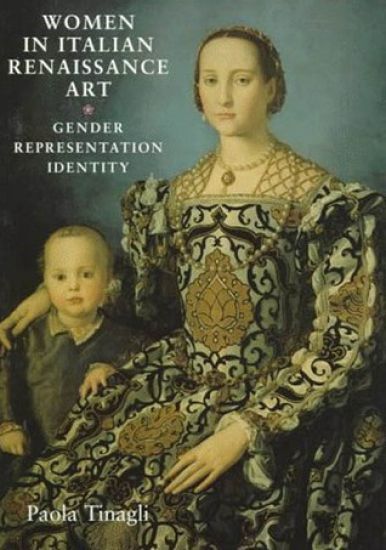
Women in Italian Renaissance Art

Women in Italian Renaissance Art

Paola Tinagli

Manchester University Press
1997
nidottu
This richly illustrated books tells the story of the different ways in which women were represented in Italian Renaissance painting. It is clearly arranged into four distinct areas that relate to the function of the art work: marriage furniture, portraiture, the nude and depictions of female saints. Uncovering the many layers of meaning hidden in the iconography of these paintings, the book reintroduces us to the cultural context in which the artists operated, providing interesting new readings of well-known works by Raphael, Leonardo and Titian, among others.
Sola Busca Tarot: Museum Quality Kit

Sola Busca Tarot: Museum Quality Kit

Paola Gnaccolini

Llewellyn Publications
2019
muu
One of the oldest tarot decks ever created, the Sola Busca is known for its alchemical symbolism and for having inspired many of the minor arcana of the Rider-Waite-Smith deck. The first entry in Lo Scarabeo's Anima Antiqua (Ancient Soul) series, this deck is now available as a deluxe kit with a guidebook in a premium hardbox. These cards, printed on premium cardstock, have been lovingly printed with great care from originals found in the greatest collections of rare tarot decks. Previously sold as a limited-edition deck, this new museum quality kit enhances the Sola Busca experience by providing the history behind the deck as well as card meanings and spread ideas from Sola Busca expert Paola Gnaccolini. Boxed kit (51/4 x 73/4) includes a 78-card deck printed on premium cardstock and a 144-page guidebook, all packaged in a deluxe box
Global Perspectives on Social Issues: Juvenile Justice Systems

Global Perspectives on Social Issues: Juvenile Justice Systems

Paola Zalkind; Rita J. Simon

Lexington Books
2004
sidottu
"On November 20, 1959, the United Nations adopted the Declaration of the Rights of the Child. The Charter was meant to safeguard the rights of children all over the world, and protect the most vulnerable members of society from mistreatment at the hands of their parents, the government, the military, educational institutions, and any establishment capable of exerting power over children." Authors Rita J. Simon and Paola Zalkind begin Global Perspectives on Social Issues: Juvenile Justice Systems with this declaration and the sense that its realization, sadly, has yet to happen. According to their study much of the world, including the most modern industrialized nations, fail to live up to the declaration's tenets. Juvenile Justice Systems is a comparative study of how these systems actually operate in the world. It establishes both the stated and legal rights of children, in many parts of the world, in the face of criminal proceedings as well as the actual experiences of children in different justice systems. This study is explicitly comparative, placing such issues in comparison as the age of criminal responsibility, the Court system for juvenile offenders, the rights of juveniles in conflict with the law and any differentiation from adult rights, and last the conditions and goals of punishment. This book explores a wide variety of approaches to the investigation of juvenile justice systems across the world. It is a valuable reference tool for sociologists, legal scholars, criminologists, policy makers, governmental and non-governmental organizations, educators, and many other professionals invested in the well being of children across the globe.
I Want Those Shoes

I Want Those Shoes

Paola Jacobbi

Bloomsbury Publishing PLC
2006
sidottu
'Shoes possess magic powers,' writes journalist and shoe obsessive Paola Jacobbi as she totters her way through the history of women's footwear and wonders why it is that women ( from Imelda Marcos to Carrie Bradshaw) love their shoes so, so much. Jacobbi pontificates (sandals are the bikini of footwear); psychoanalyses (the relationship between shoes and sex); and has fiery opinions (ankle boots are quite simply a no-no). She also has plenty of good advice: choosing the right heel for your physique, how to keep shoes lasting long and how to judge a man by his footwear. Witty, charming and stylish, I Want Those Shoes is an irresistible little book, almost as irresistible as buying that one last pair...
Shakespeare and the Just War Tradition

Shakespeare and the Just War Tradition

Paola Pugliatti

Ashgate Publishing Limited
2010
sidottu
Brought to light in this study is a connection between the treatment of war in Shakespeare's plays and the issue of the 'just war', which loomed large both in religious and in lay treatises of Shakespeare's time. The book re-reads Shakespeare's representations of war in light of both the changing historical and political contexts in which they were produced and of Shakespeare's possible connection with the culture and ideology of the European just war tradition. But to discuss Shakespeare's representations of war means, for Pugliatti, not simply to examine his work from a literary point of view or to historicize those representations in connection with the discourses (and the practice) of war which were produced in his time; it also means to consider or re-consider present-day debates for or against war and the kind of war ideology which is trying to assert itself in our time in light of the tradition which shaped those discourses and representations and which still substantiates our 'moral' view of war.
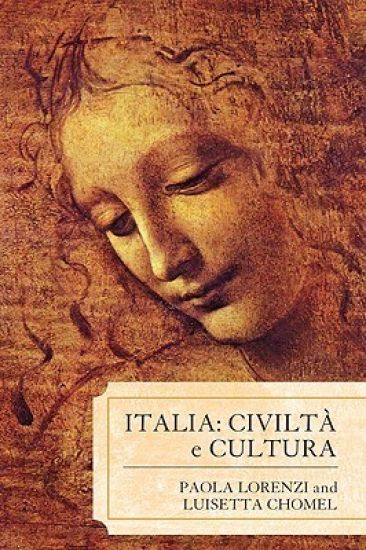
Italia: Civilta e Cultura

Italia: Civilta e Cultura

Paola Lorenzi; Luisetta Chomel

University Press of America
2009
sidottu
Italia: Civilta e Cultura offers a comprehensive description of historical and cultural development on the Italian peninsula. This project was developed to provide students and professors with a flexible and easy-to-read reference book about Italian civilization and cultural studies, also appropriate for cinema and Italian literature classes. This text is intended for students pursuing a minor or a major in Italian studies and serves as an important learning tool with its all-inclusive vision of Italy. Each chapter includes thematic itineraries to promote active class discussion and textual comprehension check-questions to guide students through the reading and understanding of the subject matter.
Italia: Civilta e Cultura

Italia: Civilta e Cultura

Paola Lorenzi; Luisetta Chomel

University Press of America
2009
nidottu
Italia: Civilta e Cultura offers a comprehensive description of historical and cultural development on the Italian peninsula. This project was developed to provide students and professors with a flexible and easy-to-read reference book about Italian civilization and cultural studies, also appropriate for cinema and Italian literature classes. This text is intended for students pursuing a minor or a major in Italian studies and serves as an important learning tool with its all-inclusive vision of Italy. Each chapter includes thematic itineraries to promote active class discussion and textual comprehension check-questions to guide students through the reading and understanding of the subject matter.
Jena Romanticism and Its Appropriation of Jakob Böhme

Jena Romanticism and Its Appropriation of Jakob Böhme

Paola Mayer

McGill-Queen's University Press
1999
sidottu
These appropriations fall into two main groups: those pertaining to the name Bohme or a life assigned to it, and those involving concepts or images from the mystic's oeuvre. The first group constituted an attempt to co-opt the aura of sanctity attached to portrayals of the poet-prophet in order to invest Romantic Poesie with the sacral standing of religion. The second group, exemplified by Friedrich Schlegel and Friedrich Schelling, involved the borrowing and radical redefinition of a few concepts and images from Bohme's work in the hope of bridging the gap between the abstract first principle of idealism and the personal God that became an emotional necessity for both thinkers. Jena Romanticism and Its Appropriation of Jakob Bohme treats the Romantic reception of Bohme as a striking example of how the past is appropriated and rewritten in the service of self-affirmation. Analysing the need and the techniques for this self-affirmation sheds light on the nature of the self to be affirmed and on the content and underlying motivation of the Romantic program.
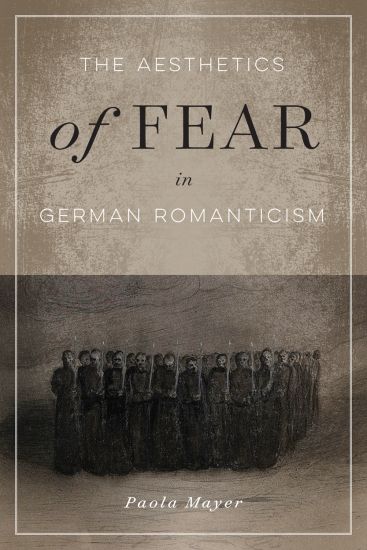
The Aesthetics of Fear in German Romanticism

The Aesthetics of Fear in German Romanticism

Paola Mayer

McGill-Queen's University Press
2020
sidottu
Enlightenment - both the phenomenon specific to the eighteenth century and the continuing trend in Western thought - is an attempt to dispel ignorance, achieve mastery of a potentially hostile environment, and contain fear of the unknown by promoting science and rationality. Enlightenment is often accompanied and challenged by countercultures such as German Romanticism, which explored the nature of fear and deployed it as a corrective to the excesses of rationalism. The Aesthetics of Fear in German Romanticism uncovers the formative role this movement played in the development of dark or negative aesthetics. Recovering a missing chapter in the history of the aesthetics of fear, Paola Mayer illustrates that Romanticism was a crucial transitional phase between the eighteenth-century sublime and the early twentieth-century uncanny. Mayer puts literature and philosophy in dialogue, examining how German Romantic literature employed narratives of fear to radicalize and then subvert the status quo in society, culture, and science. She traces the development of this aesthetic from its inception with pre-Romantics such as Jean Paul Richter to its end in Joseph von Eichendorff's critical retrospective, and juxtaposes canonical authors such as E.T.A. Hoffmann - the father of the modern fantastic - with writers who have previously been ignored. Today, when the dark side of science looms in the foreground, The Aesthetics of Fear in German Romanticism points to the power of a literary movement to construct competing currents of thought.
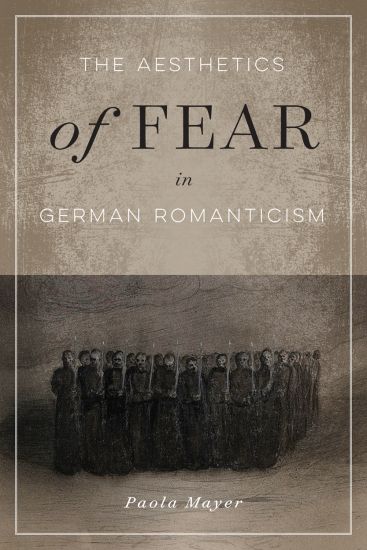
The Aesthetics of Fear in German Romanticism

The Aesthetics of Fear in German Romanticism

Paola Mayer

McGill-Queen's University Press
2020
nidottu
Enlightenment - both the phenomenon specific to the eighteenth century and the continuing trend in Western thought - is an attempt to dispel ignorance, achieve mastery of a potentially hostile environment, and contain fear of the unknown by promoting science and rationality. Enlightenment is often accompanied and challenged by countercultures such as German Romanticism, which explored the nature of fear and deployed it as a corrective to the excesses of rationalism. The Aesthetics of Fear in German Romanticism uncovers the formative role this movement played in the development of dark or negative aesthetics. Recovering a missing chapter in the history of the aesthetics of fear, Paola Mayer illustrates that Romanticism was a crucial transitional phase between the eighteenth-century sublime and the early twentieth-century uncanny. Mayer puts literature and philosophy in dialogue, examining how German Romantic literature employed narratives of fear to radicalize and then subvert the status quo in society, culture, and science. She traces the development of this aesthetic from its inception with pre-Romantics such as Jean Paul Richter to its end in Joseph von Eichendorff's critical retrospective, and juxtaposes canonical authors such as E.T.A. Hoffmann - the father of the modern fantastic - with writers who have previously been ignored. Today, when the dark side of science looms in the foreground, The Aesthetics of Fear in German Romanticism points to the power of a literary movement to construct competing currents of thought.
Parsing with Principles and Classes of Information
Parsing with Principles and Classes of Information presents a parser based on current principle-based linguistic theories for English. It argues that differences in the kind of information being computed, whether lexical, structural or syntactic, play a crucial role in the mapping from grammatical theory to parsing algorithms. The direct encoding of homogeneous classes of information has computational and cognitive advantages, which are discussed in detail. Phrase structure is built by using a fast algorithm and compact reference tables. A quantified comparison of different compilation methods shows that lexical and structural information are most compactly represented by separate tables. This finding is reconciled to evidence on the resolution of lexical ambiguity, as an approach to the modularization of information. The same design is applied to the efficient computation of long- distance dependencies. Incremental parsing using bottom-up tabular algorithms is discussed in detail. Finally, locality restrictions are calculated by a parametric algorithm. Students of linguistics, parsing and psycholinguistics will find this book a useful resource on issues related to the implementation of current linguistic theories, using computational and cognitive plausible algorithms.
La Genèse et la Trace

La Genèse et la Trace

Paola Marrati-Guénoun

Springer
1998
sidottu
PREMIERE PARTIE: DERRIDA LECTEUR DE HUSSERL : . . . . . . . . . . . 7 1. 1. L'EIDOSET LE TEMPS . . . . . . . . . . . . . . . . . . . . . . . . . . . . . . . . . . . . . . . . . . . . . . . . . . . . . . . . . . . . . . . . . . . . . . . . . 9 1. Le probleme de la genese: Ie temps et la verite . . . . . . . . . . . . . . . . . . . . . . . . . . . . . . . . . . . . . . . . . . . . 11 2. L'etre a toujours deja commence: geneses phenomenologique, ontologique, empirique . . . . . . . . . . . . . . . . . . . . . . . . . . . . . . . . . . . . . . . . . . . . . . . . . . . . . . . . . . . . . . . . . . . . . . . . . . . . . . . . . . . . . . . . . . . . . 16 3. La teleologie transcendantale et sa crise empirique : l'eidos Europe . . . . . . . . . . . . . . . . . . . . . . . . . . . . . . . . . . . . . . . . . . . . . . . . . . . . . . . . . . . . . . . . . . . . . . . . . . . . . . . . . . . . . . 29 1. 2. L'ABSOLU EST LE PASSAGE . . . . . . . . . . . . . . . . . . . . . . . . . . . . . . . . . . . . . . . . . . . . . . . . . . . . . . . . . . . . 39 1. Reactivation de l'origine : la question en retour . . . . . . . . . . . . . . . . . . . . . . . . . . . . . . . . . . . . . . . . . . . 40 2. La verite ne peut vivre qu'a condition de survivre . . . . . . . . . . . . . . . . . . . . . . . . . . . . . . . . . . . . . . . 45 3. L'ecriture et Ie sens transcendantal de la mort . . . . . . . . . . . . . . . . . . . . . . . . . . . . . . . . . . . . . . . . . . . . . . 47 4. La crise de l'histoire : Ie fait, l'eidos et la faute . . . . . . . . . . . . . . . . . . . . . . . . . . . . . . . . . . . . . . . . . . . . 51 1. 3. L'OUBLI ET LA MEMOIRE (DE L'IDEALITE) . . . . . . . . . . . . . . . . . . . . . . . . . . . . . . . . 57 1. La difference n'habite que Ie langage . . . . . . . . .. . . . . . . . . . . . . . . . . . . . . . . . . . . . . . . . . . . . . . . . . . . . . . . . . . 62 2. Memoire et oubli de I'idealite. . . . . . . . . . . . . . . . . . . . . . . . . . . . . . . . . . . . . . . . . . . . . . . . . . . . . . . . . . . . . . . . . . . . . . . 68 3. L'epoche et Ie discours solitaire de l'fune . . . . . . . . . . . . . . . . . . . . . . . . . . . . . . . . . . . . . . . . . . . . . . . . . . . . . 75 4. Intuition originaire et signification . . . . . . . . . . . . . . . . . . . . . . . . . . . . . . . . . . . . . . . . . . . . . . . . . . . . . . . . . . . . . . . 79 5. La duree de l'Augenblick : Ie monde dans Ie temps . . . . . . . . . . . . . . . . . . . . . . . . . . . . . . . . . . . . . . 83 6. Widersinnigkeit et Sinnlosigkeit : (Idealite de la Bedeutung et non-intuition) . . . . . . . . . . . . . . . . . . . . . . . . . . . . . . . . . . . . . . . . . . 92 DEUXIEME PARTIE: DERRIDA DEVANT HEIDEGGER : . . . . . . . . . . . 99 2. 1. L'ETRE NE SE RASSEMBLE PAS . . . . . . . . . . . . . . . . . . . . . . . . . . . . . . . . . . . . . . . . . . . . . . . . . . . . 101 1. De I'epoque de la representation . . . . . . . . . . . . . . . . . . . . . . . . . . . . . . . . . . . . . . . . . . . . . . . . . . . . . . . . . . . . . . . . . 101 2. Des envois . . . . . . . . . . . . . . . . . . . . . . . . . . . . . . . . . . . . . . . . . . . . . . . . . . . . . . . . . . . . . . . . . . . . . . . . . . . . . . . . . . . . . . . . . . . . . . . . . . 111 3. Le paradoxe de I'origine chez Heidegger . . . . . . . . . . . . . . . . . . . . . . . . . . . . . . . . . . . . . . . . . . . . . . . . . . . 126 2. 2. D'OU NOUS VIENT L' AVENIR ? . . . . . . . . . . . . . . . . . . . . . . . . . . . . . . . . . . . . . . . . . . . . . . . . . . . . 133 1. Temporalite et historialite originaires . . . . . . . . . . . . . . . . . . . . . . . . . . . . . . . . . . . . . . . . . . . . . . . . . . . . . . . . . 133 2. Genese et origine du temps . . . . . . . . . . . . . . . . . . . . . . . . . . . . . . . . . . . . . . . . . . . . . . . . . . . . . . . . . . . . . . . . . . . . . . . . 143 2. 3. LA VIE DU DASEIN . . . . . . . . . . . . . . . . . . . . . . . . . . . . . . . . . . . . . . . . . . . . . . . . . . . . . . . . . . . . . . . . . . . . . . . . . . . 165 1. Le Dasein ne passe pas . . . . . : . . . . . . . . . . . . . . . . . . . . . . . . . . . . . . . . . . . . . . . . . . . . . . . . . . . . . . . . . . . . . . . . . . . . . . . . 166 2. Ma mort est-elle possible ? . . . . . . . . . . . . . . . . . . . . . . . . . . . . . . . . . . . . . . . . . . . . . . . . . . . . . . . . . . . . . . . . . . . . . . . . 179 4 CONCLUSIONS . . . . . . . . . . . . . . . . . . . . . . . . . . . . . . . . . . . . . . . . . . . . . . . . . . . . . . . . . . . . . . . . . . . . . . . . . . . . . . . . . . . . . . . . . . . . . . . . . . . . . 205 1 . . . . . . . . . . . . . . . . . . . . . . . . . . . . . . . . . . . . . . . . . . . . . . . . . . . . . . . . . . . . . . . . . . . . . . . . . . . . . . . . . . . . . . . . . . . . . . . . . . . . . . . . . . . . . . . . . . . . . . . . . . . . . . . . 205 2 . . . . . . . . . . . . . . . . . . . . . . . . . . . . . . . . . . . . . . . . . . . . . . . . . . . . . . . . . . . . . . . . . . . . . . . . . . . . . . . . . . . . . . . . . . . . . . . . . . . . . . . . . . . . . . . . . . . . . . . . . . . . . . . . 208 3 . . . . . . . . . . . . . . . . . . . . . . . . . . . . . . . . . . . . . . . . . . . . . . . . . . . . . . . . . . . . . . . . . . . . . . . . . . . . . . . . . . . . . . . . . .. . . . . . . . . . . . . . . . . . . . . . . . . . . . . . . . . . . . . . 214 4 . . . . . . . . . . . . . . . . . . . . . . . . . . . . . . . . . . . . . . . . . . . . . . . . . . . . . . . . . . . . . . . . . . . . . . . . . . . . . . . . . . . . . . . . . . . . . . . . . . . . . . . . . . . . . . . . . . . . . . . . . . . . . . . . 218 BIBLIOGRAPHIE . . . . . . . . . . . . . . . . . . . . . . . . . . . . . . . . . . . . . . . . . . . . . . . . . . . . . . . . . . . . . . . . . . . . . . . . . . . . . . . . . . . . . . . . . . . . . . . . .