Kirjojen hintavertailu. Mukana 11 717 486 kirjaa ja 12 kauppaa.

Kirjahaku

Etsi kirjoja tekijän nimen, kirjan nimen tai ISBN:n perusteella.

1000 tulosta hakusanalla Rahman Baba

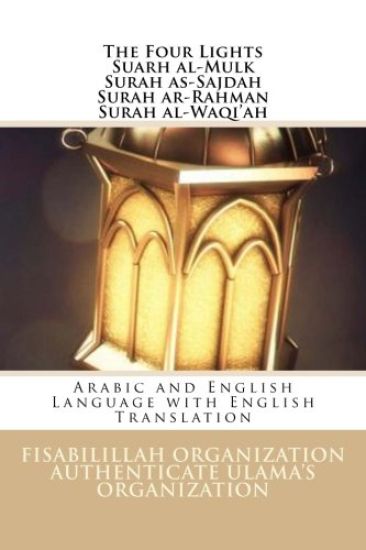
The Four Light - Suarh al-Mulk Surah as-Sajdah Surah ar-Rahman Surah al-Waqi'ah: Arabic and English Language with English Translation
The Qur'an should be recited daily so that in short spaces of time entire recitations are completed. This is something that many are punctual with in Ramadan, however, it is not something that is exclusive to that month. It's blessings transcend to every instance in our lives. To facilitate this, a table has been included at the end of this book which we can use to encourage and remind ourselves of this manner of pleasing Allah Ta'ala. Either we can tick a day when we reach a specific goal of verses/pages each day, or we can insert a number (to represent verses/pages) if our daily timetables are unpredictable or inconstant. In this manner we can still try to read a fixed number of pages per day One should try to aim for a Juz (Parah) a day. If one is trying to create a habit and this is too much, start smaller, e.g. a few pages. With the gradual build up of speed and comfort in reading, one will be able to set this or even higher goals. One should also try and read the Qur'an with a reputable translation at hand so one can reflect upon the meaning of what is recited. This is why the translation has also been included in this publication (and also our other Publications). With this addition we hope that our recitation of the Qur'an will rise above a repetition of unknown words, and progress to giving audience to the Words of Allah Ta'ala, and taking the commands and advices of Allah Ta'ala to heart. The chapters of the Qur'an presented in this book are those which should be recited daily. If one is not able to recite so much comfortably, then one should start with one or even part of one of these Surahs daily. The specific benefits for reciting each of these chapters are mentioned under their separate headings.
The Philosophy of Unity in the Writings of Fazlur Rahman Ansari
In the Unity of Philosophy in the Writings of Fazlur Rahman Ansari, the first part of Tawasul's Muhammad Fazlur Rahman Ansari Series, Abdul Kader Choughley, a foremost scholar of South Asian Muslim intellectual heritage, examines the concept of Tawhid in Ansari's oeuvres. Tawhid, the inimitable oneness and uniqueness of God, though beyond any likeness to anything conceivable or inconceivable, in the Quranic parlance, according to Ansari, must be reflected in the unity of God's creation. Tawhid, Ansari argues, is interlinked to the development of the integrated worldview about humanity's success in this world. Moreover, it expands the horizon of 'Ibadah (worship) by investing values that have far-reaching implications for a balanced outlook on life. It is this vision that cuts across the barriers of bigotry, irrationality and superstition. In its essence, the thematic significance of Tawhid is framed from the lens of Divine guidance (Wahy). Fazlur Rahman Ansari (1914-1974), one the brilliant South Asian Muslim scholars of the last century, contributed enormously to the revival Islamic thought through his many insightful books and lectures. Apart from the Tawhid, some of the recurring themes of Ansari's works are the Prophet's (peace be upon him) life and the meaning of his Sunnah, the true significance of Shari'ah, the meaning of Tasawwuf, the remembrance of God (Dhikr), the role of women in Islam, Islam relations with the West, Christianity, secularism and other modern ideologies.
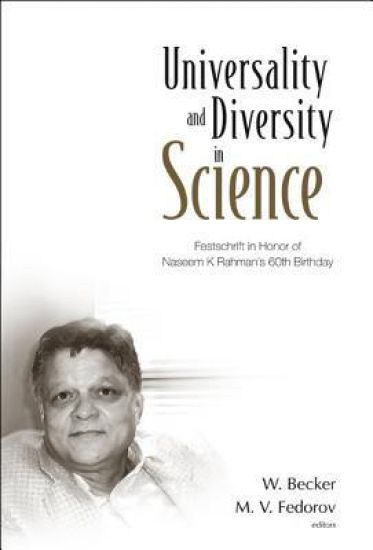
Universality And Diversity In Science: Festschrift In Honor Of Naseem K Rahman's 60th Birthday
This festschrift collects contributions from renowned experts in atomic and molecular physics, chemistry, and related fields dedicated to Professor Dr Naseem K Rahman on the occasion of his 60th birthday. The book includes topics at the forefront of research in these fields and captures insights of experts rarely found in other publications. Most of all, it reflects Rahman's wide interests in physics, chemistry and the life sciences.This book has been selected for coverage in:• CC / Physical, Chemical & Earth Sciences• Index to Scientific Book Contents® (ISBC)
The King's Physician: Lillias Hamilton at the Harem and Court of Amir 'Abd Al-Rahman, King of Afghanistan
This book examines the experiences and writings of Lillias Hamilton, a British woman who traveled to India and Afghanistan at end of nineteenth century and served as a medical advisor and physician to Amir 'Abd al-Rahman, King of Afghanistan. Hamilton's accounts of her experiences in Afghanistan are unique because they chronicle her double-layered interaction with the Royal Court and the Royal Harem. They provide insight into Amir 'Abd al-Rahman, King of Afghanistan's personality and court life. Additionally, they offer singular insights into harem, domestic life, and slavery in Afghanistan in the late nineteenth century.
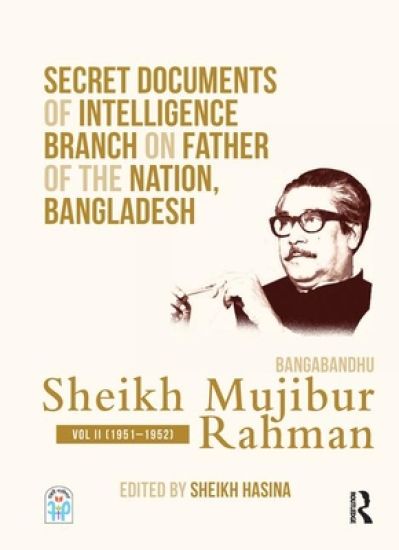
Secret Documents of Intelligence Branch on Father of The Nation, Bangladesh: Bangabandhu Sheikh Mujibur Rahman
Secret Documents of Intelligence Branch on Father of the Nation, Bangladesh: Bangabandhu Sheikh Mujibur Rahman, is a 14-volume set of declassified documents edited by Sheikh Hasina, Honorable Prime Minister of Bangladesh. These are a compilation of the files maintained by the Intelligence Branch of Pakistan Government on Sheikh Mujibur Rahman, who emerged as the sole leader of the country and became Bangabandhu (Friend of Bangladesh). For his long-standing struggle and contribution in fostering notions of Bengali nationhood that led to the independence of Bangladesh, he has been honored as the Father of the Nation.The volumes provide records for period 1948 to 1971 and chronologically elucidate the trajectory of the various movements and political struggles that led to the formation of an independent nation state called People's Republic of Bangladesh. These include the 1952 Bengali Language Movement that catalyzed the assertion of Bengali national identity in the region and became a forerunner to Bengali nationalist movements. Bangabandhu Sheikh Mujibur Rahman led the struggle for independence, first through massive populist and civil disobedience movements and later during the Bangladesh Liberation War. Important events cited in the present volumes include the 1954 United Front election victory, 1966 Six Point Movement, 1968 Agartala Conspiracy Case, 1969 mass uprising, 1970 election victory and 1971 Non-Cooperation Movement among others.These are the first ever declassified documents released by the Government of Bangladesh and will serve as an invaluable historical resource in understanding the liberation of Bangladesh.This is volume 2 holds records for the period 1951-1952. Major events included are as follows- The Language Movement, the programs of State Language Committee of Action, meeting with Pakistan’s Prime Minister Khawaza Nazimuddin and participation in a peace conference in Peking.
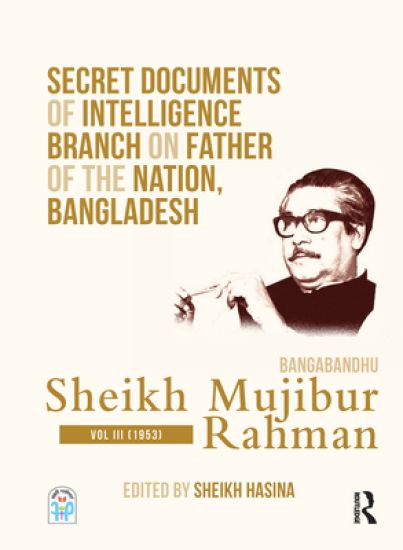
Secret Documents of Intelligence Branch on Father of The Nation, Bangladesh: Bangabandhu Sheikh Mujibur Rahman
Secret Documents of Intelligence Branch on Father of the Nation, Bangladesh: Bangabandhu Sheikh Mujibur Rahman, is a 14-volume set of declassified documents edited by Sheikh Hasina, Honorable Prime Minister of Bangladesh. These are a compilation of the files maintained by the Intelligence Branch of Pakistan Government on Sheikh Mujibur Rahman, who emerged as the sole leader of the country and became Bangabandhu (Friend of Bangladesh). For his long-standing struggle and contribution in fostering notions of Bengali nationhood that led to the independence of Bangladesh, he has been honored as the Father of the Nation. The volumes provide records for period 1948 to 1971 and chronologically elucidate the trajectory of the various movements and political struggles that led to the formation of an independent nation state called People's Republic of Bangladesh. These include the 1952 Bengali Language Movement that catalyzed the assertion of Bengali national identity in the region and became a forerunner to Bengali nationalist movements. Bangabandhu Sheikh Mujibur Rahman led the struggle for independence, first through massive populist and civil disobedience movements and later during the Bangladesh Liberation War. Important events cited in the present volumes include the 1954 United Front election victory, 1966 Six Point Movement, 1968 Agartala Conspiracy Case, 1969 mass uprising, 1970 election victory and 1971 Non-Cooperation Movement among others.These are the first ever declassified documents released by the Government of Bangladesh and will serve as an invaluable historical resource in understanding the liberation of Bangladesh.This third volume holds records for the year 1953. Events included are as follows:Sheikh Mujibur Rahman & Suhraward’s tour to various districts in North Bengal; demand to free Maulana Bhashani along with other leaders; Safety Acts and his criticism of Jute & Education Policy.
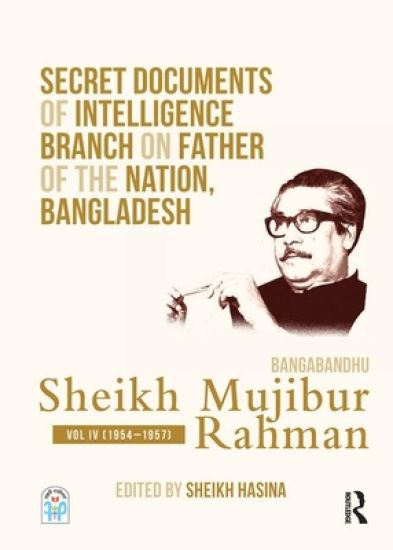
Secret Documents of Intelligence Branch on Father of The Nation, Bangladesh: Bangabandhu Sheikh Mujibur Rahman
Secret Documents of Intelligence Branch on Father of the Nation, Bangladesh: Bangabandhu Sheikh Mujibur Rahman, is a 14-volume set of declassified documents edited by Sheikh Hasina, Honorable Prime Minister of Bangladesh. These are a compilation of the files maintained by the Intelligence Branch of Pakistan Government on Sheikh Mujibur Rahman, who emerged as the sole leader of the country and became Bangabandhu (Friend of Bangladesh). For his long-standing struggle and contribution in fostering notions of Bengali nationhood that led to the independence of Bangladesh, he has been honored as the Father of the Nation. The volumes provide records for period 1948 to 1971 and chronologically elucidate the trajectory of the various movements and political struggles that led to the formation of an independent nation state called People's Republic of Bangladesh. These include the 1952 Bengali Language Movement that catalyzed the assertion of Bengali national identity in the region and became a forerunner to Bengali nationalist movements. Bangabandhu Sheikh Mujibur Rahman led the struggle for independence, first through massive populist and civil disobedience movements and later during the Bangladesh Liberation War. Important events cited in the present volumes include the 1954 United Front election victory, 1966 Six Point Movement, 1968 Agartala Conspiracy Case, 1969 mass uprising, 1970 election victory and 1971 Non-Cooperation Movement among others.These are the first ever declassified documents released by the Government of Bangladesh and will serve as an invaluable historical resource in understanding the liberation of Bangladesh.This fourth volume holds records for the period 1954-1957. Events included are as follows:WCR; the extracts & proceedings from various public meetings; grounds of detentions; a trip to Karachi to meet Pakistan’s Law Minister; Sheikh Mujibur Rahman’s decision to observe 25th May as ‘The Food Day’; criticism on the failure of Central & Provincial Govt.; the Hunger rally in Chittagong; the presentation of the report at the East Pakistan Awami League’s council session as the General Secretary; an appeal to the President Iskandar Mirza to investigate the food crisis and the resignation of Sheikh Mujibur Rahman from the cabinet portfolio of commerce and industry & other incidents.
Secret Documents of Intelligence Branch on Father of The Nation, Bangladesh: Bangabandhu Sheikh Mujibur Rahman
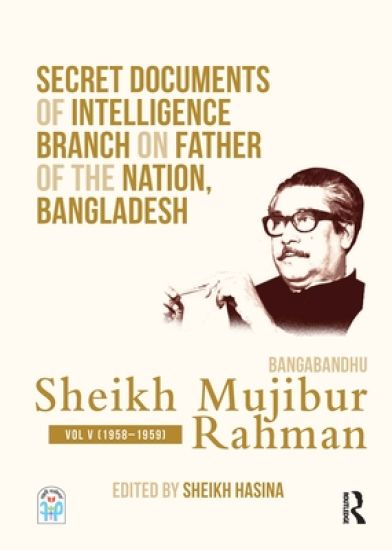
Secret Documents of Intelligence Branch on Father of the Nation, Bangladesh: Bangabandhu Sheikh Mujibur Rahman, is a 14-volume set of declassified documents edited by Sheikh Hasina, Honorable Prime Minister of Bangladesh. These are a compilation of the files maintained by the Intelligence Branch of Pakistan Government on Sheikh Mujibur Rahman, who emerged as the sole leader of the country and became Bangabandhu (Friend of Bangladesh). For his long-standing struggle and contribution in fostering notions of Bengali nationhood that led to the independence of Bangladesh, he has been honored as the Father of the Nation. The volumes provide records for period 1948 to 1971 and chronologically elucidate the trajectory of the various movements and political struggles that led to the formation of an independent nation state called People's Republic of Bangladesh. These include the 1952 Bengali Language Movement that catalyzed the assertion of Bengali national identity in the region and became a forerunner to Bengali nationalist movements. Bangabandhu Sheikh Mujibur Rahman led the struggle for independence, first through massive populist and civil disobedience movements and later during the Bangladesh Liberation War. Important events cited in the present volumes include the 1954 United Front election victory, 1966 Six Point Movement, 1968 Agartala Conspiracy Case, 1969 mass uprising, 1970 election victory and 1971 Non-Cooperation Movement among others.These are the first ever declassified documents released by the Government of Bangladesh and will serve as an invaluable historical resource in understanding the liberation of Bangladesh.This 5th volume holds records for the period 1958-1959.
Secret Documents of Intelligence Branch on Father of The Nation, Bangladesh: Bangabandhu Sheikh Mujibur Rahman
Secret Documents of Intelligence Branch on Father of the Nation, Bangladesh: Bangabandhu Sheikh Mujibur Rahman, is a 14-volume set of declassified documents edited by Sheikh Hasina, Honorable Prime Minister of Bangladesh. These are a compilation of the files maintained by the Intelligence Branch of Pakistan Government on Sheikh Mujibur Rahman, who emerged as the sole leader of the country and became Bangabandhu (Friend of Bangladesh). For his long-standing struggle and contribution in fostering notions of Bengali nationhood that led to the independence of Bangladesh, he has been honored as the Father of the Nation. The volumes provide records for period 1948 to 1971 and chronologically elucidate the trajectory of the various movements and political struggles that led to the formation of an independent nation state called People's Republic of Bangladesh. These include the 1952 Bengali Language Movement that catalyzed the assertion of Bengali national identity in the region and became a forerunner to Bengali nationalist movements. Bangabandhu Sheikh Mujibur Rahman led the struggle for independence, first through massive populist and civil disobedience movements and later during the Bangladesh Liberation War. Important events cited in the present volumes include the 1954 United Front election victory, 1966 Six Point Movement, 1968 Agartala Conspiracy Case, 1969 mass uprising, 1970 election victory and 1971 Non-Cooperation Movement among others.These are the first ever declassified documents released by the Government of Bangladesh and will serve as an invaluable historical resource in understanding the liberation of Bangladesh.This 6th volume holds records for the period 1960-1961.
Secret Documents of Intelligence Branch on Father of The Nation, Bangladesh: Bangabandhu Sheikh Mujibur Rahman
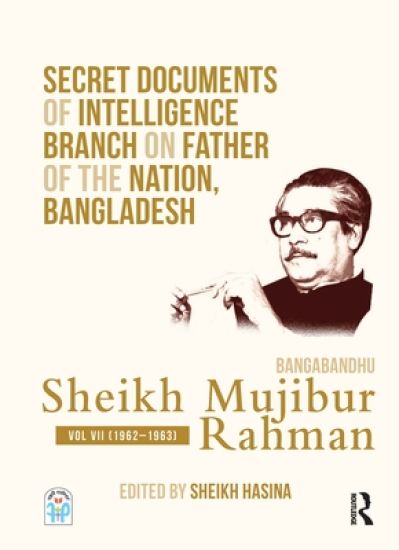
Secret Documents of Intelligence Branch on Father of the Nation, Bangladesh: Bangabandhu Sheikh Mujibur Rahman, is a 14-volume set of declassified documents edited by Sheikh Hasina, Honorable Prime Minister of Bangladesh. These are a compilation of the files maintained by the Intelligence Branch of Pakistan Government on Sheikh Mujibur Rahman, who emerged as the sole leader of the country and became Bangabandhu (Friend of Bangladesh). For his long-standing struggle and contribution in fostering notions of Bengali nationhood that led to the independence of Bangladesh, he has been honored as the Father of the Nation. The volumes provide records for period 1948 to 1971 and chronologically elucidate the trajectory of the various movements and political struggles that led to the formation of an independent nation state called People's Republic of Bangladesh. These include the 1952 Bengali Language Movement that catalyzed the assertion of Bengali national identity in the region and became a forerunner to Bengali nationalist movements. Bangabandhu Sheikh Mujibur Rahman led the struggle for independence, first through massive populist and civil disobedience movements and later during the Bangladesh Liberation War. Important events cited in the present volumes include the 1954 United Front election victory, 1966 Six Point Movement, 1968 Agartala Conspiracy Case, 1969 mass uprising, 1970 election victory and 1971 Non-Cooperation Movement among others.These are the first ever declassified documents released by the Government of Bangladesh and will serve as an invaluable historical resource in understanding the liberation of Bangladesh.This 7th volume holds records for the period 1962-1963.
Secret Documents of Intelligence Branch on Father of The Nation, Bangladesh: Bangabandhu Sheikh Mujibur Rahman
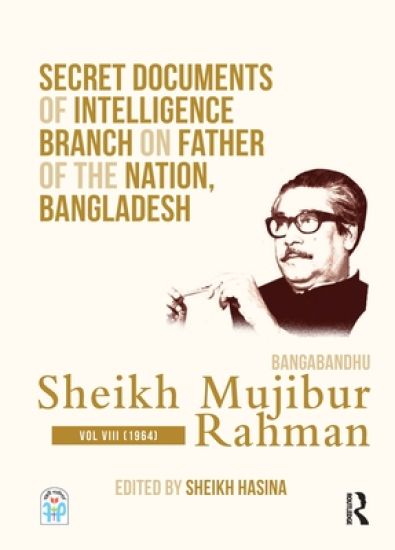
Secret Documents of Intelligence Branch on Father of the Nation, Bangladesh: Bangabandhu Sheikh Mujibur Rahman, is a 14-volume set of declassified documents edited by Sheikh Hasina, Honorable Prime Minister of Bangladesh. These are a compilation of the files maintained by the Intelligence Branch of Pakistan Government on Sheikh Mujibur Rahman, who emerged as the sole leader of the country and became Bangabandhu (Friend of Bangladesh). For his long-standing struggle and contribution in fostering notions of Bengali nationhood that led to the independence of Bangladesh, he has been honored as the Father of the Nation. The volumes provide records for period 1948 to 1971 and chronologically elucidate the trajectory of the various movements and political struggles that led to the formation of an independent nation state called People's Republic of Bangladesh. These include the 1952 Bengali Language Movement that catalyzed the assertion of Bengali national identity in the region and became a forerunner to Bengali nationalist movements. Bangabandhu Sheikh Mujibur Rahman led the struggle for independence, first through massive populist and civil disobedience movements and later during the Bangladesh Liberation War. Important events cited in the present volumes include the 1954 United Front election victory, 1966 Six Point Movement, 1968 Agartala Conspiracy Case, 1969 mass uprising, 1970 election victory and 1971 Non-Cooperation Movement among others.These are the first ever declassified documents released by the Government of Bangladesh and will serve as an invaluable historical resource in understanding the liberation of Bangladesh.This 8th volume holds records for the year 1964.
Secret Documents of Intelligence Branch on Father of The Nation, Bangladesh: Bangabandhu Sheikh Mujibur Rahman
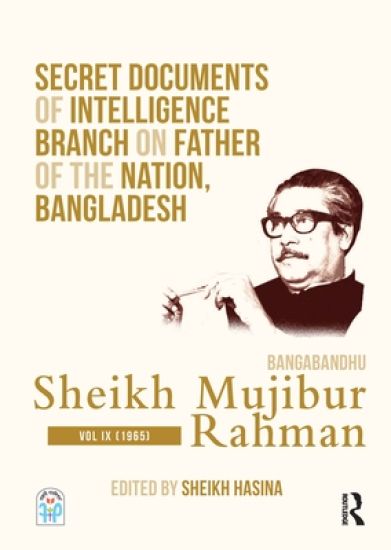
Secret Documents of Intelligence Branch on Father of the Nation, Bangladesh: Bangabandhu Sheikh Mujibur Rahman, is a 14-volume set of declassified documents edited by Sheikh Hasina, Honorable Prime Minister of Bangladesh. These are a compilation of the files maintained by the Intelligence Branch of Pakistan Government on Sheikh Mujibur Rahman, who emerged as the sole leader of the country and became Bangabandhu (Friend of Bangladesh). For his long-standing struggle and contribution in fostering notions of Bengali nationhood that led to the independence of Bangladesh, he has been honored as the Father of the Nation. The volumes provide records for period 1948 to 1971 and chronologically elucidate the trajectory of the various movements and political struggles that led to the formation of an independent nation state called People's Republic of Bangladesh. These include the 1952 Bengali Language Movement that catalyzed the assertion of Bengali national identity in the region and became a forerunner to Bengali nationalist movements. Bangabandhu Sheikh Mujibur Rahman led the struggle for independence, first through massive populist and civil disobedience movements and later during the Bangladesh Liberation War. Important events cited in the present volumes include the 1954 United Front election victory, 1966 Six Point Movement, 1968 Agartala Conspiracy Case, 1969 mass uprising, 1970 election victory and 1971 Non-Cooperation Movement among others.These are the first ever declassified documents released by the Government of Bangladesh and will serve as an invaluable historical resource in understanding the liberation of Bangladesh.This 9th volume holds records for the year 1965.
Secret Documents of Intelligence Branch on Father of The Nation, Bangladesh: Bangabandhu Sheikh Mujibur Rahman
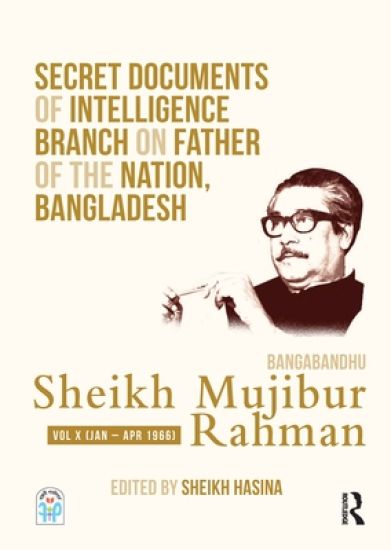
Secret Documents of Intelligence Branch on Father of the Nation, Bangladesh: Bangabandhu Sheikh Mujibur Rahman, is a 14-volume set of declassified documents edited by Sheikh Hasina, Honorable Prime Minister of Bangladesh. These are a compilation of the files maintained by the Intelligence Branch of Pakistan Government on Sheikh Mujibur Rahman, who emerged as the sole leader of the country and became Bangabandhu (Friend of Bangladesh). For his long-standing struggle and contribution in fostering notions of Bengali nationhood that led to the independence of Bangladesh, he has been honored as the Father of the Nation. The volumes provide records for period 1948 to 1971 and chronologically elucidate the trajectory of the various movements and political struggles that led to the formation of an independent nation state called People's Republic of Bangladesh. These include the 1952 Bengali Language Movement that catalyzed the assertion of Bengali national identity in the region and became a forerunner to Bengali nationalist movements. Bangabandhu Sheikh Mujibur Rahman led the struggle for independence, first through massive populist and civil disobedience movements and later during the Bangladesh Liberation War. Important events cited in the present volumes include the 1954 United Front election victory, 1966 Six Point Movement, 1968 Agartala Conspiracy Case, 1969 mass uprising, 1970 election victory and 1971 Non-Cooperation Movement among others.These are the first ever declassified documents released by the Government of Bangladesh and will serve as an invaluable historical resource in understanding the liberation of Bangladesh.This 10th volume holds records for the year 1966.
Secret Documents of Intelligence Branch on Father of The Nation, Bangladesh: Bangabandhu Sheikh Mujibur Rahman
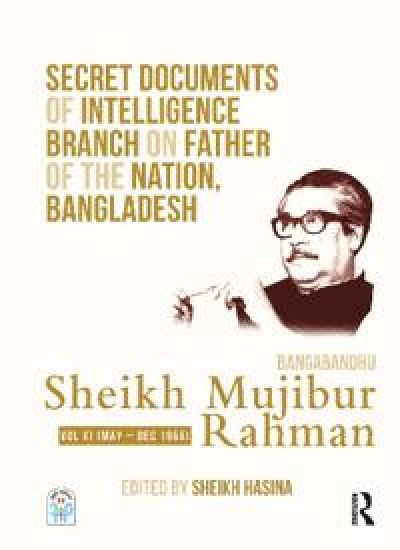
Secret Documents of Intelligence Branch on Father of the Nation, Bangladesh: Bangabandhu Sheikh Mujibur Rahman, is a 14-volume set of declassified documents edited by Sheikh Hasina, Honorable Prime Minister of Bangladesh. These are a compilation of the files maintained by the Intelligence Branch of Pakistan Government on Sheikh Mujibur Rahman, who emerged as the sole leader of the country and became Bangabandhu (Friend of Bangladesh). For his long-standing struggle and contribution in fostering notions of Bengali nationhood that led to the independence of Bangladesh, he has been honored as the Father of the Nation.The volumes provide records for period 1948 to 1971 and chronologically elucidate the trajectory of the various movements and political struggles that led to the formation of an independent nation state called People's Republic of Bangladesh. These include the 1952 Bengali Language Movement that catalyzed the assertion of Bengali national identity in the region and became a forerunner to Bengali nationalist movements. Bangabandhu Sheikh Mujibur Rahman led the struggle for independence, first through massive populist and civil disobedience movements and later during the Bangladesh Liberation War. Important events cited in the present volumes include the 1954 United Front election victory, 1966 Six Point Movement, 1968 Agartala Conspiracy Case, 1969 mass uprising, 1970 election victory and 1971 Non-Cooperation Movement among others.These are the first ever declassified documents released by the Government of Bangladesh and will serve as an invaluable historical resource in understanding the liberation of Bangladesh.This 11th volume holds records for the period May - December 1966.
Secret Documents of Intelligence Branch on Father of The Nation, Bangladesh: Bangabandhu Sheikh Mujibur Rahman
Secret Documents of Intelligence Branch on Father of the Nation, Bangladesh: Bangabandhu Sheikh Mujibur Rahman, is a 14-volume set of declassified documents edited by Sheikh Hasina, Honorable Prime Minister of Bangladesh. These are a compilation of the files maintained by the Intelligence Branch of Pakistan Government on Sheikh Mujibur Rahman, who emerged as the sole leader of the country and became Bangabandhu (Friend of Bangladesh). For his long-standing struggle and contribution in fostering notions of Bengali nationhood that led to the independence of Bangladesh, he has been honored as the Father of the Nation. The volumes provide records for period 1948 to 1971 and chronologically elucidate the trajectory of the various movements and political struggles that led to the formation of an independent nation state called People's Republic of Bangladesh. These include the 1952 Bengali Language Movement that catalyzed the assertion of Bengali national identity in the region and became a forerunner to Bengali nationalist movements. Bangabandhu Sheikh Mujibur Rahman led the struggle for independence, first through massive populist and civil disobedience movements and later during the Bangladesh Liberation War. Important events cited in the present volumes include the 1954 United Front election victory, 1966 Six Point Movement, 1968 Agartala Conspiracy Case, 1969 mass uprising, 1970 election victory and 1971 Non-Cooperation Movement among others.These are the first ever declassified documents released by the Government of Bangladesh and will serve as an invaluable historical resource in understanding the liberation of Bangladesh.This 12th volume holds records for the year 1967.
Secret Documents of Intelligence Branch on Father of The Nation, Bangladesh: Bangabandhu Sheikh Mujibur Rahman
Secret Documents of Intelligence Branch on Father of the Nation, Bangladesh: Bangabandhu Sheikh Mujibur Rahman, is a 14-volume set of declassified documents edited by Sheikh Hasina, Honorable Prime Minister of Bangladesh. These are a compilation of the files maintained by the Intelligence Branch of Pakistan Government on Sheikh Mujibur Rahman, who emerged as the sole leader of the country and became Bangabandhu (Friend of Bangladesh). For his long-standing struggle and contribution in fostering notions of Bengali nationhood that led to the independence of Bangladesh, he has been honored as the Father of the Nation. The volumes provide records for period 1948 to 1971 and chronologically elucidate the trajectory of the various movements and political struggles that led to the formation of an independent nation state called People's Republic of Bangladesh. These include the 1952 Bengali Language Movement that catalyzed the assertion of Bengali national identity in the region and became a forerunner to Bengali nationalist movements. Bangabandhu Sheikh Mujibur Rahman led the struggle for independence, first through massive populist and civil disobedience movements and later during the Bangladesh Liberation War. Important events cited in the present volumes include the 1954 United Front election victory, 1966 Six Point Movement, 1968 Agartala Conspiracy Case, 1969 mass uprising, 1970 election victory and 1971 Non-Cooperation Movement among others.These are the first ever declassified documents released by the Government of Bangladesh and will serve as an invaluable historical resource in understanding the liberation of Bangladesh.This 13th volume holds records for the period 1968-1969.