Kirjahaku
Etsi kirjoja tekijän nimen, kirjan nimen tai ISBN:n perusteella.
1000 tulosta hakusanalla Ralph E. Molnar

United States Diplomatic Codes and Ciphers, 1775-1938 is the first basic reference work on American diplomatic cryptography. Weber's research in national and private archives in the Americas and Europe has uncovered more than one hundred codes and ciphers. Beginning with the American Revolution, these secret systems masked confidential diplomatic correspondence and reports.During the period between 1775 and 1938, both codes and ciphers were employed. Ciphers were frequently used for American diplomatic and military correspondence during the American Revolution. At that time, a system was popular among American statesmen whereby a common book, such as a specific dictionary,was used by two correspondents who encoded each word in a message with three numbers. In this system, the first number indicated the page of the book, the second the line in the book, and the third the position of the plain text word on that line counting from the left. Codes provided the most common secret language basis for the entire nineteenth century.Ralph Weber describes in eight chapters the development of American cryptographic practice. The codes and ciphers published in the text and appendix will enable historians and others to read secret State Department dispatches before 1876, and explain code designs after that year.

Tell Me about the Presbyterians: Just What Do They Believe?
Ralph E. Bass Jr
Booksurge Publishing
2006
nidottu
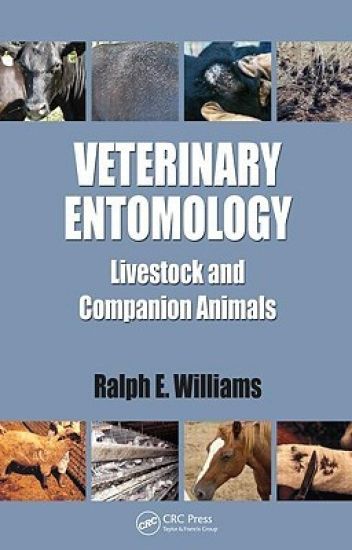
Livestock production systems and some husbandry practices are prone to producing veterinary important entomological concerns. In addition, various arthropod-borne diseases-such as West Nile and some types of encephalitis-can affect both humans and animals. To circumvent these problems successfully, a solid understanding of veterinary entomology should be the foundation of comprehensive animal-health programs and production management practices. Veterinary Entomology: Livestock and Companion Animals is a comprehensive guide to the recognition, biology, importance, and control of insects and related arthropods that may be encountered in animal husbandry practices and with companion animals. Unlike similar books, this single-authored textbook is focused exclusively on the veterinary aspects of entomology. In 15 highly readable chapters, it addresses the details of livestock/companion animal pest management within the current trends in pest management techniques and available technology such as pest surveillance and detection. Richly illustrated with more than 200 figures and a four-page color insert, the book discusses pertinent information on host–pest relationships, pest control methodology, identification, and biology of important pest groups, emphasizing those arthropods specifically associated with livestock and poultry production systems and those affecting companion animals. Written by a leading entomological expert, this book includes coverage of: CattleSwineSheep and goatsPoultryDomestic petsHorsesVeterinary Entomology: Livestock and Companion Animals is an excellent resource for all those involved with the handling and research of livestock and companion animals, as well as students in entomology, agriculture, and veterinary science.

Juristic Basis of Dynastic Right to the French Throne
Ralph E. Giesey
American Philosophical Society Press
1961
pokkari



Junior Studies in the Life of Christ
Ralph E. Diffendorfer; Charles H. Morgan
Kessinger Pub
2007
pokkari

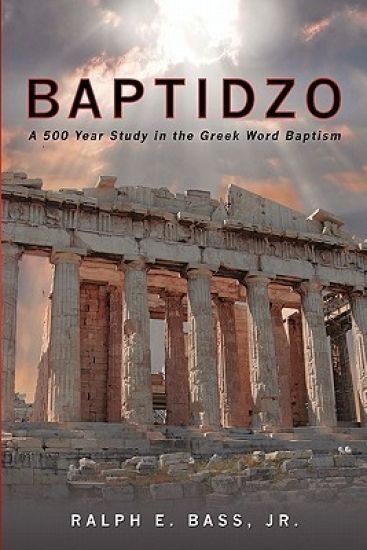
Baptidzo: A 500 Years Study in the Greek Word Baptism
Ralph E. Bass Jr
Booksurge Publishing
2009
nidottu




What About Baptism?: A Discussion on the Mode, Candidate and Purpose of Christian Baptism
Ralph E. Bass
Createspace Independent Publishing Platform
2010
nidottu



Basic Principles and Techniques of Molecular Quantum Mechanics
Ralph E. Christoffersen
Springer-Verlag New York Inc.
2012
nidottu
New textbooks at all levels of chemistry appear with great regularity. Some fields like basic biochemistry, organic reaction mechanisms, and chemical thermody namics are well represented by many excellent texts, and new or revised editions are published sufficiently often to keep up with progress in research. However, some areas of chemistry, especially many of those taught at the graduate level, suffer from a real lack of up-to-date textbooks. The most serious needs occur in fields that are rapidly changing. Textbooks in these subjects usually have to be written by scientists actually involved in the research which is advancing the field. It is not often easy to persuade such individuals to set time aside to help spread the knowledge they have accumulated. Our goal, in this series, is to pinpoint areas of chemistry where recent progress has outpaced what is covered in any available textbooks, and then seek out and persuade experts in these fields to produce relatively concise but instructive introductions to their fields. These should serve the needs of one semester or one quarter graduate courses in chemistry and biochemistry. In some cases, the availability of texts in active research areas should help stimulate the creation of new courses. New York, New York CHARLES R. CANTOR Preface This book is not a traditional quantum chemistry textbook. Instead, it represents a concept that has evolved from teaching graduate courses in quantum chemistry over a number of years, and encountering students with diverse backgrounds.