Kirjojen hintavertailu. Mukana 11 244 527 kirjaa ja 12 kauppaa.

Kirjahaku

Etsi kirjoja tekijän nimen, kirjan nimen tai ISBN:n perusteella.

1000 tulosta hakusanalla Steve Biddulph

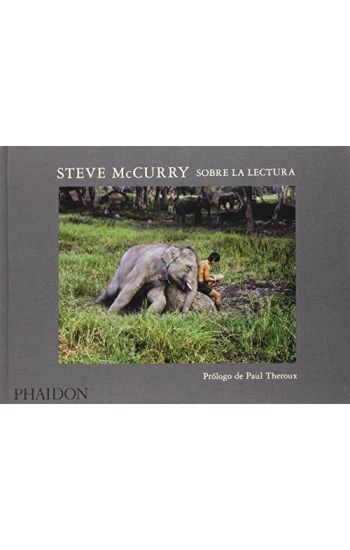
Steve McCurry: Sobre La Lectura (on Reading) (Spanish Edition)
Un homenaje a la lectura a través de las lentes de uno de los fotógrafos más queridos del mundo.Viejos y jóvenes, ricos y pobres, todo el mundo lee, ya sean textos religiosos o profanos. Es ese instante íntimo con el libro lo que ha captado Steve McCurry en esta colección de fotografías, tomadas a lo largo de más de 40 años de carrera y que conforman un homenaje al increíble poder de la palabra escrita.Con prólogo del escritor de literatura de viajes y novelista Paul Theroux, autor de La costa de los mosquitos, El gran bazar del ferrocarril y El último tren a la zona verde.Steve McCurry publica libros en Phaidon desde hace 20 años. Este es el decimotercero.
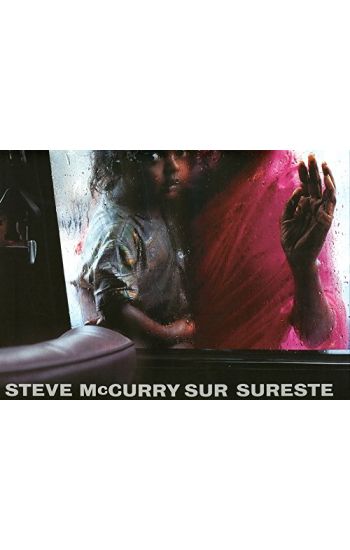
Steve McCurry: Sur Sureste (South Southeast) (Spanish Edition)
Imágenes mágicas y llenas de fuerza del sur y el sureste de Asia. Fotografías emblemáticas de las gentes, los lugares y los colores de Afganistán, India, Sri Lanka, Camboya, Tíbet y Myanmar (Birmania), tomadas por uno de los mejores fotógrafos en color del mundo. Con 69 fotografías en color reproducidas a toda página y acompañadas de un breve pie explicativo.
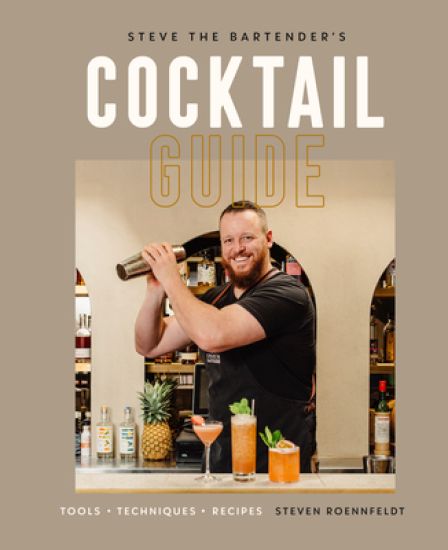
Steve the Bartender's Cocktail Guide
Pour yourself the perfect drink-or make a round for your guests.Making drinks at home has never been easier. In this guide to the perennial favorites and forgotten classics, YouTube's favorite Aussie mixologist Steve the Bartender shows you how to craft cocktails with ease. Approachable and unpretentious instructions ensure that every drink is simple and delicious. - Guidance on building a home bar, from the essential spirits to mixing equipment and glassware- 125 curated drink recipes for every occasion, from Manhattans to Mai Tais. - Photographs of every recipe and integrated QR codes linking to videos of Steve preparing each drink.
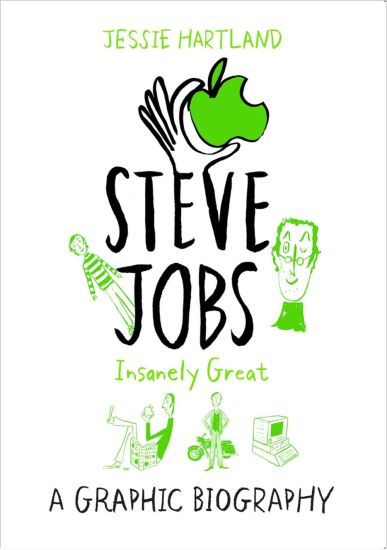
Steve Jobs: Insanely Great

Steve Jobs: Insanely Great

Jessie Hartland

Ebury Publishing
2015
pokkari
Enter the world of Steve Jobs -- disrupter, icon, hero -- and be inspired by his fascinating life presented here as a graphic novel. This fast-paced and entertaining biography is a perfect complement to text-heavy books on Steve Jobs like Walter Isaacson's biography.
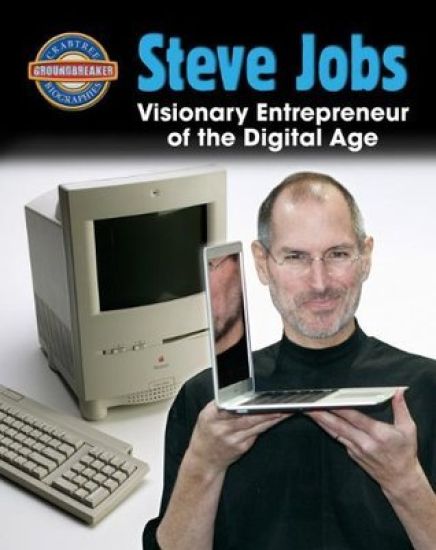
Steve Jobs

Steve Jobs

Diane Dakers

Crabtree Publishing Co,US
2014
nidottu
Steve Jobs was a pioneer of the personal computer age who passed away at the early age of 56 in 2011. This compelling biography describes his life and career as a visionary entrepreneur who helped usher the world into the digital age—in style and comfort.
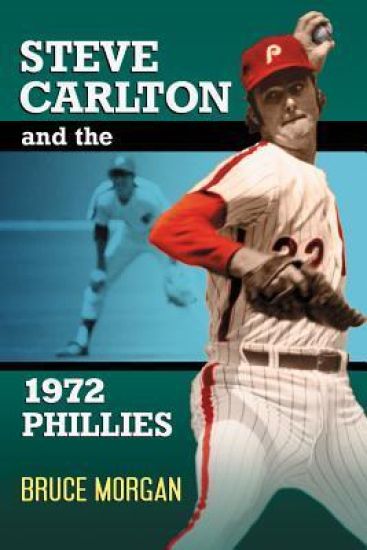
Steve Carlton and the 1972 Phillies

Steve Carlton and the 1972 Phillies

Bruce Morgan

McFarland Co Inc
2012
pokkari
In 1972, the Philadelphia Phillies experienced one of their worst seasons in franchise history, finishing with an abysmal 59-97 record. Yet throughout this disastrous season, Steve "Lefty" Carlton proved to be a diamond in the rough. In his first year with the club, he led the league with 27 wins, eight shutouts, and a sizzling 1.98 ERA, earning an astounding 45.8 percent of Philadelphia's wins. He also won his first Cy Young award, the first pitcher to do so with a last-place team. This work chronicles Carlton's magical season, including the Rick Wise-for-Carlton trade, his 5-1 start following the players' first-ever strike, his 15-game winning streak, and a number of memorable games along the way. Interviews with Phillies icons, Hall of Famers, and legendary sports writers add insights to this account of Carlton's remarkable achievements amidst one of the most calamitous periods in Phillies history.
Steve Vai - Alien Love Secrets

Steve Vai - Alien Love Secrets

Hal Leonard Corporation
1995
nidottu
(Guitar Recorded Versions). Seven-song matching folio with an introduction and 8 pages of color photos. Includes: Bad Horsie * Juice * Die to Live * The Boy from Seattle * Ya-Yo Gakk * Kill the Guy With the Ball/The God Eaters * Tender Surrender.
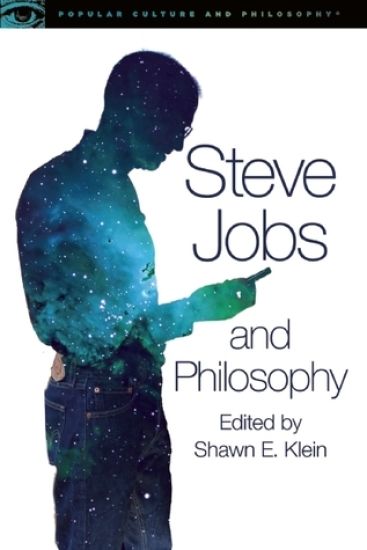
Steve Jobs and Philosophy

Steve Jobs and Philosophy

Open Court Publishing Co ,U.S.
2015
pokkari
Steve Jobs represents a whole range of values and ideas in pluralistic American culture. He was a barefoot hippy capitalist who did more to change our everyday lives than anyone since Thomas Edison. Coming from modest means and education, he revolutionized several key industries and became fantastically wealthy. In Steve Jobs and Philosophy 16 philosophers examine the inspiring yet often baffling world of Steve Jobs. What can we learn about business ethics from his example? What are the major virtues of a creative innovator? How could Jobs defy conventional business practices? How did he combine values and attitudes previously believed to be unmixable? What does it really mean to "think different"? Can entrepreneurs be made or are they just born? If Jobs didn't make any major inventions, what was his contribution? What does Jobs teach us about the notions of simplicity and functionality in design? How do Jobs's achievements alter the way we think about technology in relation to human life? Steve Jobs and Philosophy covers vital issues in ethics, business, aesthetics, and technology. It includes a fascinating appendix listing all the philosophers mentioned in the book, along with explanations of their lives and key themes in their thoughts.
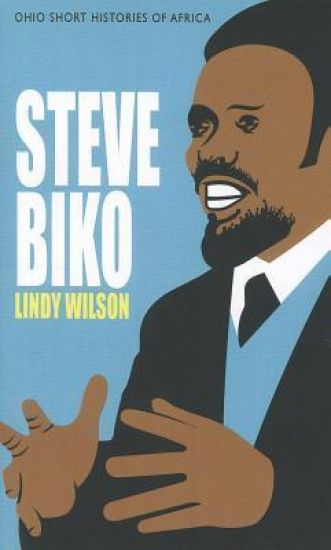
Steve Biko

Steve Biko

Lindy Wilson

Ohio University Press
2012
pokkari
Steve Biko inspired a generation of black South Africans to claim their true identity and refuse to be a part of their own oppression. Through his example, he demonstrated fearlessness and self-esteem, and he led a black student movement countrywide that challenged and thwarted the culture of fear perpetuated by the apartheid regime. He paid the highest price with his life. The brutal circumstances of his death shocked the world and helped isolate his oppressors. This short biography of Biko shows how fundamental he was to the reawakening and transformation of South Africa in the second half of the twentieth century—and just how relevant he remains. Biko's understanding of black consciousness as a weapon of change could not be more relevant today to "restore people to their full humanity." As an important historical study, this book's main sources were unique interviews done in 1989—before the end of apartheid—by the author with Biko's acquaintances, many of whom have since died.
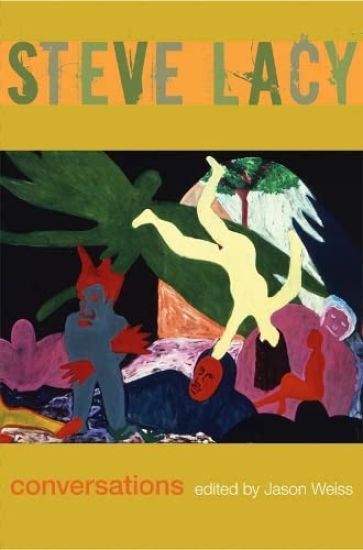
Steve Lacy

Steve Lacy

Duke University Press
2006
pokkari
Steve Lacy: Conversations is a collection of thirty-four interviews with the innovative saxophonist and jazz composer. Lacy (1934–2004), a pioneer in making the soprano saxophone a contemporary jazz instrument, was a prolific performer and composer, with hundreds of recordings to his name. This volume brings together interviews that appeared in a variety of magazines between 1959 and 2004. Conducted by writers, critics, musicians, visual artists, a philosopher, and an architect, the interviews indicate the evolution of Lacy’s extraordinary career and thought. Lacy began playing the soprano saxophone at sixteen, and was soon performing with Dixieland musicians much older than he. By nineteen he was playing with the pianist Cecil Taylor, who ignited his interest in the avant-garde. He eventually became the foremost proponent of Thelonious Monk’s music. Lacy played with a broad range of musicians, including Monk and Gil Evans, and led his own bands. A voracious reader and the recipient of a MacArthur “genius” grant, Lacy was particularly known for setting to music literary texts—such as the Tao Te Ching, and the work of poets including Samuel Beckett, Robert Creeley, and Taslima Nasrin—as well as for collaborating with painters and dancers in multimedia projects.Lacy lived in Paris from 1970 until 2002, and his music and ideas reflect a decades-long cross-pollination of cultures. Half of the interviews in this collection originally appeared in French sources and were translated specifically for this book. Jason Weiss provides a general introduction, as well as short introductions to each of the interviews and to the selection of Lacy’s own brief writings that appears at the end of the book. The volume also includes three song scores, a selected discography of Lacy’s recordings, and many photos from the personal collection of his wife and longtime collaborator, Irene Aebi.Interviews by: Derek Bailey, Franck Bergerot, Yves Bouliane, Etienne Brunet, Philippe Carles, Brian Case, Garth W. Caylor Jr., John Corbett, Christoph Cox, Alex Dutilh, Lee Friedlander, Maria Friedlander, Isabelle Galloni d'Istria, Christian Gauffre, Raymond Gervais, Paul Gros-Claude, Alain-René Hardy, Ed Hazell, Alain Kirili, Mel Martin, Franck Médioni, Xavier Prévost, Philippe Quinsac, Ben Ratliff, Gérard Rouy, Kirk Silsbee, Roberto Terlizzi, Jason Weiss
Steve Lacy

Steve Lacy

Duke University Press
2006
sidottu
Steve Lacy: Conversations is a collection of thirty-four interviews with the innovative saxophonist and jazz composer. Lacy (1934–2004), a pioneer in making the soprano saxophone a contemporary jazz instrument, was a prolific performer and composer, with hundreds of recordings to his name. This volume brings together interviews that appeared in a variety of magazines between 1959 and 2004. Conducted by writers, critics, musicians, visual artists, a philosopher, and an architect, the interviews indicate the evolution of Lacy’s extraordinary career and thought. Lacy began playing the soprano saxophone at sixteen, and was soon performing with Dixieland musicians much older than he. By nineteen he was playing with the pianist Cecil Taylor, who ignited his interest in the avant-garde. He eventually became the foremost proponent of Thelonious Monk’s music. Lacy played with a broad range of musicians, including Monk and Gil Evans, and led his own bands. A voracious reader and the recipient of a MacArthur “genius” grant, Lacy was particularly known for setting to music literary texts-such as the Tao Te Ching, and the work of poets including Samuel Beckett, Robert Creeley, and Taslima Nasrin-as well as for collaborating with painters and dancers in multimedia projects.Lacy lived in Paris from 1970 until 2002, and his music and ideas reflect a decades-long cross-pollination of cultures. Half of the interviews in this collection originally appeared in French sources and were translated specifically for this book. Jason Weiss provides a general introduction, as well as short introductions to each of the interviews and to the selection of Lacy’s own brief writings that appears at the end of the book. The volume also includes three song scores, a selected discography of Lacy’s recordings, and many photos from the personal collection of his wife and longtime collaborator, Irene Aebi.Interviews by: Derek Bailey, Franck Bergerot, Yves Bouliane, Etienne Brunet, Philippe Carles, Brian Case, Garth W. Caylor Jr., John Corbett, Christoph Cox, Alex Dutilh, Lee Friedlander, Maria Friedlander, Isabelle Galloni d'Istria, Christian Gauffre, Raymond Gervais, Paul Gros-Claude, Alain-RenÉ Hardy, Ed Hazell, Alain Kirili, Mel Martin, Franck MÉdioni, Xavier PrÉvost, Philippe Quinsac, Ben Ratliff, GÉrard Rouy, Kirk Silsbee, Roberto Terlizzi, Jason Weiss
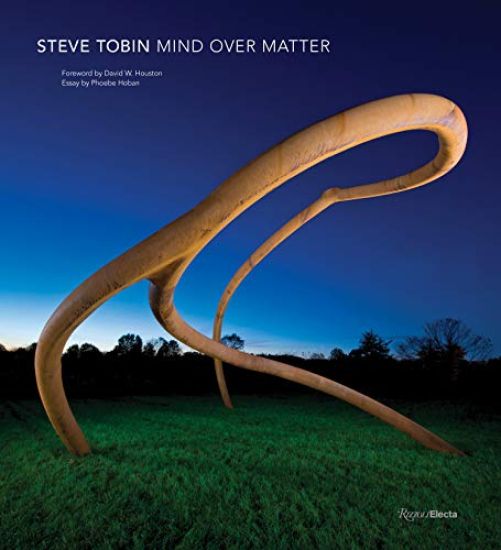
Steve Tobin

Steve Tobin

David Houston; Phoebe Hoban

Rizzoli International Publications
2019
sidottu
Exhibited around the world yet rarely seen together, Steve Tobin s site-specific massive sculptures and select key smaller works and installations are chronicled within a comprehensive selection of 150 images. This comprehensive monograph draws parallels between themes from nature that underpin his body of work, from the interplay of chaos and order to that of growth and decay, establishing his art and practice firmly within the tradition of contemporary monumental art. Tracing the development of his nearly thirty-year practice and featured work is an original text by Phoebe Hoban, author of the best-selling biography Basquiat: A Quick Killing in Art. A foreword by art curator David Houston establishes Tobin within the tradition of contemporary monumental sculptors.
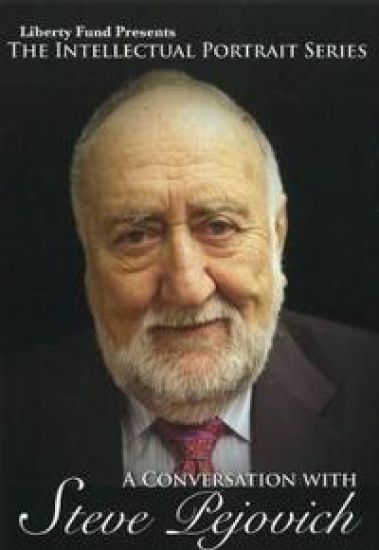
Conversation with Steve Pejovich DVD

Conversation with Steve Pejovich DVD

Steve Pejovich

Liberty Fund Inc
2010
muu
In this interview with Bill Jersey, Pejovich reflects on his experience in economics. With insight and humour, he demonstrates the power that empirical cases can bring to bear on theoretical problems. Born in Belgrade under the tyranny of the Nazis, Pejovich spent his early life subject to the despotism of the Communists, but his life was transformed when he moved to the United States as an adult, where he experienced a government based on ideas of "life, liberty, and the pursuit of happiness". In the expansive state of Texas, where he made his new home, Pejovich realised his vision of economic freedom and culture vitality. Pejovich is one of the most dynamic and insightful theorists writing on property rights. Some of his books include "The Economics of Property Rights: Towards a Theory of Comparative Systems" and "Law, Informal Rules, and Economic Performance: The Case for Common Law". Approximate running time: 52 minutes.
Steve Earle: Fearless Heart, Outlaw Poet
This book examines the life and music of Steve Earle, one of the most important and controversial singer-songwriters of our time. Through in-depth interviews with family members, producers, musicians, and with Earle himself, this volume traces Steve's journey from southeast Texas to his debut No. 1 country album, Guitar Town and his descent into drug addiction, and on to his triumphant comeback with Train a-Comin' and his subsequent challenging projects with co-producer Ray Kennedy. Rosanne Cash, Rodney Crowell, Peter Rowan, and Norman Blake are among the artists who offer insights into Earle's music.
Steve Allen on the Bible, Religion and Morality
America's dean of intelligent comedy doesn't think the Bible is a laughing matter. His good look at the good book is a closely reasoned examination of Scripture, designed to encourage rational analysis of the most influential document of Western civilization. Although the Bible has been consulted for more than twenty centuries, Allen asserts that there remains an extensive degree of common ignorance about it. Noting that most people today rarely read the Bible, Allen is convinced that the millions who do read it are not able to understand certain passages at all. Steve Allen on the Bible, Religion, and Morality took form when Allen began his own exploration of the Bible, marking passages that struck him as extraordinarily beautiful, or those that were profoundly confusing. Spellbound by the very mystery of it, he perceived that much of the text leads directly to controversy. And, he urges, it is of greater importance now than ever before that all Americans be conversant with the Bible, partly because of those who would use Scriptures as a weapon to force their views on others. Allen presents his ideas as a series of alphabetically arranged essays on characters, events, and books of the Scriptures, as well as on such controversial topics as abortion, anti-Semitism, capital punishment, death, evolution, and original sin. He draws on the expertise of biblical scholars, theologians, and philosophers to demonstrate that fundamentalist assumptions about the reliability and authenticity of the Bible as the inviolable Word of God simply have no rational or factual basis. Allen highlights the errors, inconsistencies, and self-contradictions of the Bible. While not denying the value of many biblical passages, he argues that Americans can and should critique the Bible as they would any other historical document. While Allen finds much in the Bible with which one can take issue, his examination also reveals that much is meaningful. Allen's goal - to make people think reasonably about Scripture - is achieved through remarkable clear, readable, and insightful prose.
Steve Allen on the Bible, Religion and Morality. More Steve Allen on the Bible, Religion and Morality
America's dean of intelligent comedy doesn't think the Bible is a laughing matter. His good look at the good book is a closely reasoned examination of "Scripture", designed to encourage rational analysis of the most influential document of Western civilisation. Although the Bible has been consulted for more than twenty centuries, Allen asserts that there remains an extensive degree of common ignorance about it. Noting that most people today rarely read the Bible, Allen is convinced that the millions who do read it are not able to understand certain passages at all.