Kirjahaku
Etsi kirjoja tekijän nimen, kirjan nimen tai ISBN:n perusteella.
1000 tulosta hakusanalla William John Fitzpatrick


In March 2020, events had been proceeding as normal. Then word came that we would suddenly have to adapt to a new way of life-albeit "only for two weeks"-to stop the spread of a new and deadly coronavirus known as COVID-19. As the pandemic spread rapidly around the globe, the world was also infected with something perhaps even deadlier than the disease itself: fear. Hope was in short supply as confusion and hysteria clouded our thoughts and minds. While some people tried to warn the masses about the damage this fear was causing, the battle to win back the hearts and minds of humanity seemed futile. Armchair warriors on all sides of the issue were unwilling to budge from their habitual manner of thinking. Meanwhile, it was obvious to a scant few that a great deception was taking place. Was this an example of prophecy unfolding? Was this pandemic and the ensuing hysteria and battle for control the Biblical abomination that causes desolation, spoken of by Daniel the prophet? Join author William John as he delves into an epic true story of how deception and misinformation infected people around the world, causing them to fear not only COVID-19 but also, on a more sinister level, each other. This book dives into the world of the unknown and dissects the ancient mysteries of God in an effort to find meaning and purpose in the midst of the chaos that so many now refer to as the "new normal."

In March 2020, events had been proceeding as normal. Then word came that we would suddenly have to adapt to a new way of life-albeit "only for two weeks"-to stop the spread of a new and deadly coronavirus known as COVID-19. As the pandemic spread rapidly around the globe, the world was also infected with something perhaps even deadlier than the disease itself: fear. Hope was in short supply as confusion and hysteria clouded our thoughts and minds. While some people tried to warn the masses about the damage this fear was causing, the battle to win back the hearts and minds of humanity seemed futile. Armchair warriors on all sides of the issue were unwilling to budge from their habitual manner of thinking. Meanwhile, it was obvious to a scant few that a great deception was taking place. Was this an example of prophecy unfolding? Was this pandemic and the ensuing hysteria and battle for control the Biblical abomination that causes desolation, spoken of by Daniel the prophet? Join author William John as he delves into an epic true story of how deception and misinformation infected people around the world, causing them to fear not only COVID-19 but also, on a more sinister level, each other. This book dives into the world of the unknown and dissects the ancient mysteries of God in an effort to find meaning and purpose in the midst of the chaos that so many now refer to as the "new normal."
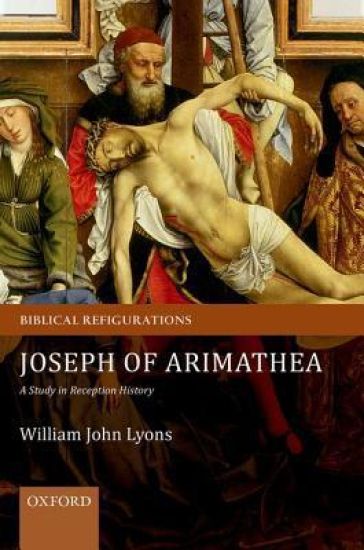
Joseph of Arimathea: A Study in Reception History examines the extensive and convoluted afterlives of a minor biblical character who nevertheless plays a major role in three pivotal scenes in the passion of Jesus Christ as presented by the four canonical Gospels: the request to Pilate for the body, the descent from the cross, and the burial of Jesus' corpse. Characterised in subtly different ways by each Evangelist, these sparse biblical Josephs were expanded, expounded, translated, harmonised, and extended by early literary sources and developed thematically by the artistic traditions of the Renaissance. In the Medieval Period, Joseph arrived, by 'fortuitous' accident, in the British Isles, becoming an iconic figure for English nationalists (through the Glastonbury tradition) and for British Imperialists (through Parry's musical setting of Blake's Jerusalem). Twentieth-century developments in church life, film, literature, spiritualism, and studies of the historical Joseph round out what such a minor character can accomplish, given a sufficient richness in original texts and the right opportunities afforded by later cultural developments. In Joseph of Arimathea's case, certain aspects proved highly adaptable, especially the sharp contrast provided by his portrayal as a bold active figure in the Gospel of Mark and as a fearful passive character in the Gospel of John, the attractiveness of his wealth and nobility to those who considered themselves of similar (or much higher) status, and the opportunities provided by his swift appearance and departure from the most important event in Christianity's foundational documents.
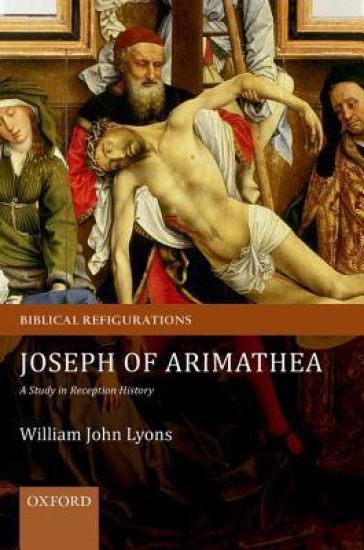
Joseph of Arimathea: A Study in Reception History examines the extensive and convoluted afterlives of a minor biblical character who nevertheless plays a major role in three pivotal scenes in the passion of Jesus Christ as presented by the four canonical Gospels: the request to Pilate for the body, the descent from the cross, and the burial of Jesus' corpse. Characterised in subtly different ways by each Evangelist, these sparse biblical Josephs were expanded, expounded, translated, harmonised, and extended by early literary sources and developed thematically by the artistic traditions of the Renaissance. In the Medieval Period, Joseph arrived, by 'fortuitous' accident, in the British Isles, becoming an iconic figure for English nationalists (through the Glastonbury tradition) and for British Imperialists (through Parry's musical setting of Blake's Jerusalem). Twentieth-century developments in church life, film, literature, spiritualism, and studies of the historical Joseph round out what such a minor character can accomplish, given a sufficient richness in original texts and the right opportunities afforded by later cultural developments. In Joseph of Arimathea's case, certain aspects proved highly adaptable, especially the sharp contrast provided by his portrayal as a bold active figure in the Gospel of Mark and as a fearful passive character in the Gospel of John, the attractiveness of his wealth and nobility to those who considered themselves of similar (or much higher) status, and the opportunities provided by his swift appearance and departure from the most important event in Christianity's foundational documents.

A collection of poems by three Lanarkshire writers, with a Foreword.

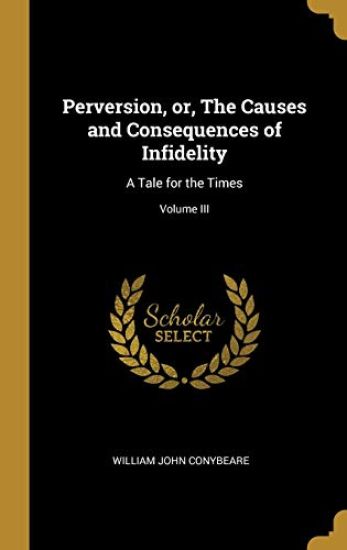
Perversion, or, The Causes and Consequences of Infidelity: A Tale for the Times; Volume III
William John Conybeare
Creative Media Partners, LLC
2019
sidottu


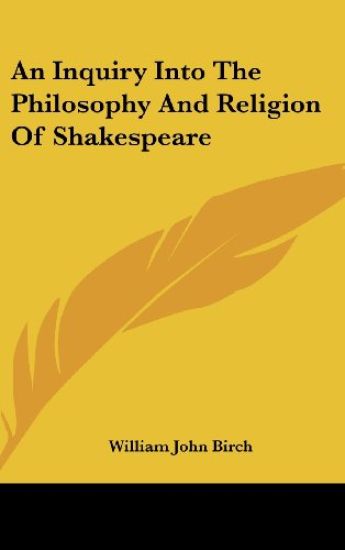
An Inquiry Into The Philosophy And Religion Of Shakespeare
William John Birch
KESSINGER PUBLISHING CO
2007
sidottu

The Liberal Movement In English Literature
William John Courthope
KESSINGER PUBLISHING CO
2007
sidottu