Kirjahaku
Etsi kirjoja tekijän nimen, kirjan nimen tai ISBN:n perusteella.
1000 tulosta hakusanalla Write Everyday
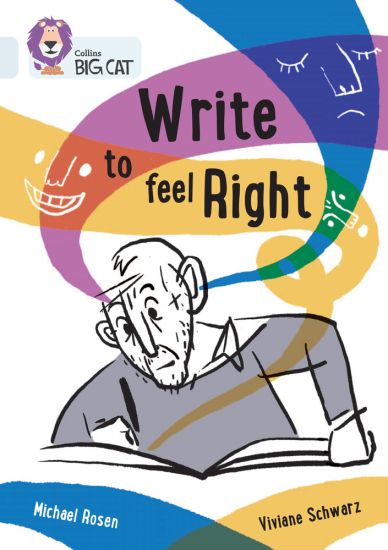
Collins Big Cat supports every primary child on their reading journey from phonics to fluency. Top authors and illustrators have created fiction and non-fiction books that children love to read. Levelled for guided and independent reading, each book includes ideas to support reading. Teaching and assessment support and eBooks are also available. Dive deep into your emotions, and discover how writing about them can help you explore how you’re feeling, and find healthy ways of dealing with your thoughts. Diamond/Band 17 books offer more complex, underlying themes to give opportunities for children to understand causes and points of view. Pages 54 and 55 allow children to re-visit the content of the book, supporting comprehension skills, vocabulary development and recall. Ideas for reading in the back of the book provide practical support and stimulating activities. A few words from Michael on why he wrote this book: I wrote this book because I’ve found writing about my state of mind really helpful and fun at the same time. Sometimes this is because I’ve been troubled – devastated even, as when my son died. Other times I’ve wanted to celebrate and remember great times I’ve had. The help it’s given me comes from seeing myself reflected back at me. This helps me view myself with some degree of detachment, and this enables me to put myself into the company of others, other people who may have experienced this pain or joy too. Togetherness feels better than isolation. I wanted to share these ideas with young people because I know mental health is a big issue for many young people and I hope this book will help them.
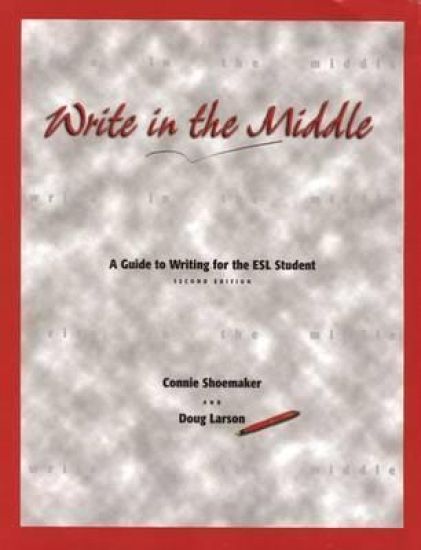
Designed for students who are "right in the middle" between the guided writing necessary for beginning ESL students and the independent writing assigned to college and university students, WRITE IN THE MIDDLE helps students express their ideas in writing and develop patterns for thinking and learning. WRITE IN THE MIDDLE blends a strong process approach to writing with proven product-oriened techniques.
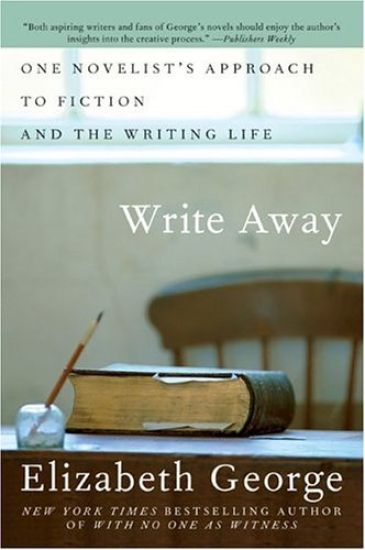
Write Away: One Novelist's Approach to Fiction and the Writing Life
Elizabeth George
HARPER PERENNIAL
2005
nidottu
Here's what I tell my students on the first day when I teach one of my creative writing courses: You will be published if you possess three qualities--talent, passion, and discipline.In Write Away, New York Times bestselling author Elizabeth George offers would-be writers exactly what they need to know about how to construct a novel. She provides a detailed overview of the craft and gives helpful instruction on all elements of writing, from setting and plot to technique and process. To illustrate her points, George presents excerpts from a number of well-known writers, including Barbara Kingsolver, Harper Lee, E. M. Forster, John Irving, Toni Morrison, Stephen King, Ernest Hemingway, and Alice Hoffman.In addition to being a clear and concise guide to fiction writing, Write Away also opens a window into the life of Elizabeth George. It reveals the inspiring personal story of how the distinguished author came to be published and how she meticulously researches and crafts her novels.I have a love-hate relationship with the writing life. I wouldn't wish to have any other kind of life . . . and on the other hand, I wish it were easier. And it never is. The reward comes sentence by sentence. The reward comes in the unexpected inspiration. The reward comes from creating a character who lives and breathes and is perfectly real. But such effort it takes to attain the reward I would never have believed it would take such effort. George's solid understanding of the craft is conveyed in the enticing manner of a true storyteller, making Write Away not only a marvelous, interesting, and informative book but also a glimpse inside the world of a beloved writer.
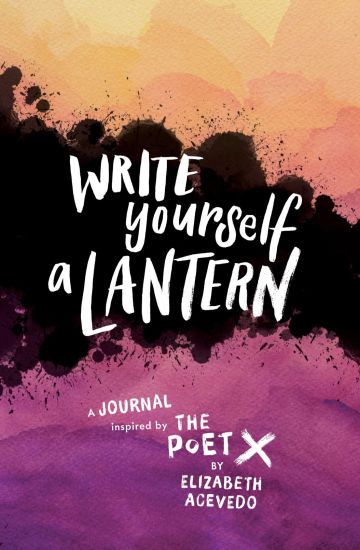
Write Yourself a Lantern: A Journal Inspired by the Poet X
Elizabeth Acevedo
Harpercollins
2020
sidottu
This journal is for the dreamers. The poets. The writers who don't yet know that they are writers, but know that they have plenty to say. Featuring lines from Elizabeth Acevedo's The Poet X among its lined pages, this full-color, beautifully designed journal is perfect for readers, long-time writers, those trying their hand at poetry, or anyone with a voice all their own. Let Xiomara's verses spark your own inspiration, as you pour your own thoughts and feelings onto the pages--and write the words you need most.
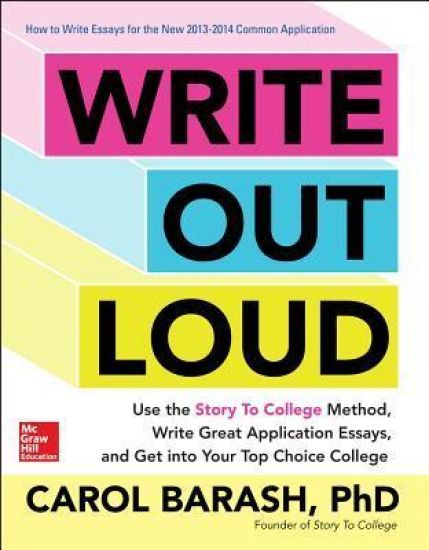
Write Out Loud: Use the Story To College Method, Write Great Application Essays, and Get into Your Top Choice College
Carol Barash
McGraw-Hill Professional
2013
nidottu
Tell your story and connect with the college of your dreams for admission and financial aid"If everyone wrote essays like this, admissions officers would have to take every student's essay seriously."--Steve LeMenager, founder of Edvice Princeton and former director of admission at Princeton University"With patience, contagious confidence, and plenty of real-life examples, Carol illuminates a process that can help anyone discover and articulate those stories that will help them stand out in their own way, and in their own words."--Shelley Krause, college counselor, Rutgers Preparatory School, and curator of the College Lists Wiki"Because the college essay offers applicants their lone opportunity to demonstrate what truly matters to them, and to share the qualities that make them unique, the stakes could not be any higher. With meticulous detail, Barash delivers a foolproof plan for helping college applicants strike essay gold."--Chad Troutwine, cofounder and CEO of Veritas PrepTo write out loud is to write and speak in a way that makes people pay attention. Write Out Loud teaches the Story To College program--with its proven storytelling-based approach, the Moments Method. This program has helped more than 8,000 students from high schools in the United States and around the world create effective, authentic application essays to win admission and financial aid at their top college choices. Write Out Loud enables anyone to masterfully integrate past experiences and future ambitions into successful application essays and interviews. The guided exercises help college essay writers get past the stress and confusion of writing about themselves. Write Out Loud reveals how to find unique topics for compelling essays, shows how to make the transition from a spoken story to a written essay, and provides examples of successful essays. The book also walks students through the Common Application, the online college application form used by more than 500 colleges and universities in the US and abroad. Inside, students will find:The 12 tools of the Moments Method Specific guidance for completing the Common Application Charts and checklists to organize essays and supplementsInsight from admissions officers on what characterizes a successful college application essay With Write Out Loud, students build confidence to show their best selves in writing and to gain admission into the college or university they desire.
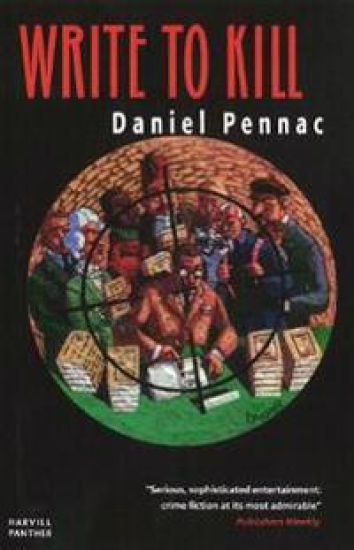
Benjamin Malaussene is a downtrodden publisher at Vendetta Press. Treated as a scapegoat by Queen Zabo, doyenne of publishing, he finally resigns, only for Zabo to offer him a starring role. All he has to do is to impersonate the world's best-loved, but hitherto anonymous author, J.L.B.
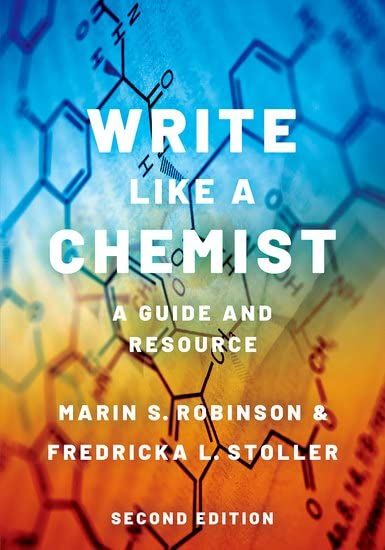
Write Like a Chemist
Marin S. Robinson; Fredricka L. Stoller
OXFORD UNIVERSITY PRESS INC
2023
sidottu
Write Like a Chemist: A Guide and Resource focuses on four types of writing that are common in chemistry: the journal article, conference abstract, scientific poster, and research proposal. Users of the book will learn to write through a host of exercises, ranging in difficulty from correcting single words and sentences to writing professional-quality papers, abstracts, posters, and proposals. This second edition of Write Like a Chemist has been updated to include new excerpts from the primary literature and other chemistry genres, updated tables and figures that can be consulted for chemistry-specific writing patterns and practices, infographics developed by inChemistry that convey essentials for writing conference abstracts and preparing scientific posters, a scientific poster template and corresponding model poster that can be used for poster creation, and updated exercises and task types. Additional resources for students and instructors have been placed on the Write Like a Chemist companion website, which includes exercises, answer keys, and a separate and secure section with materials for faculty adopting the book for a university course.
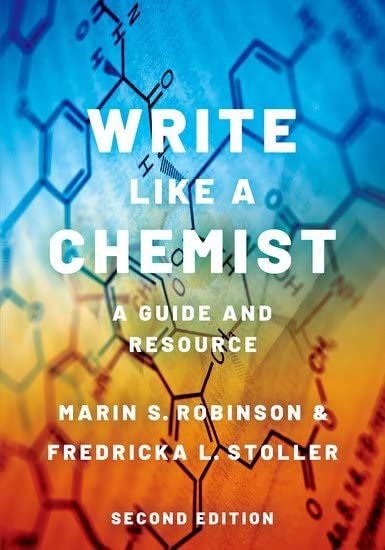
Write Like a Chemist
Marin S. Robinson; Fredricka L. Stoller
OXFORD UNIVERSITY PRESS INC
2023
nidottu
Write Like a Chemist: A Guide and Resource focuses on four types of writing that are common in chemistry: the journal article, conference abstract, scientific poster, and research proposal. Users of the book will learn to write through a host of exercises, ranging in difficulty from correcting single words and sentences to writing professional-quality papers, abstracts, posters, and proposals. This second edition of Write Like a Chemist has been updated to include new excerpts from the primary literature and other chemistry genres, updated tables and figures that can be consulted for chemistry-specific writing patterns and practices, infographics developed by inChemistry that convey essentials for writing conference abstracts and preparing scientific posters, a scientific poster template and corresponding model poster that can be used for poster creation, and updated exercises and task types. Additional resources for students and instructors have been placed on the Write Like a Chemist companion website, which includes exercises, answer keys, and a separate and secure section with materials for faculty adopting the book for a university course.
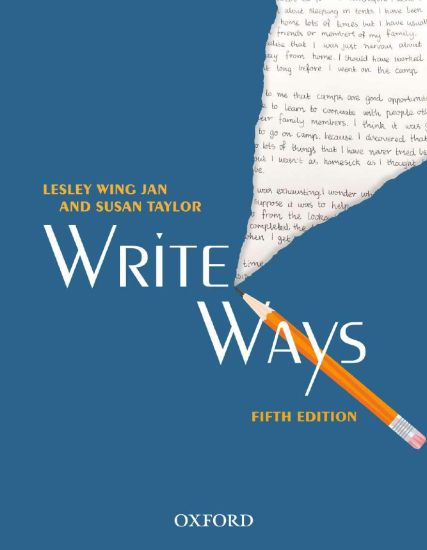
Effective writers use their knowledge of writing purposes, text structures and language features, and adapt these to create innovative and powerful texts that engage the reader and meet the writer's purpose. Write Ways is designed as teacher resource that can be drawn on for content and can be used in creative, timely and differentiated ways in whole class, small group or individual teaching contexts. It provides information that teachers can draw on when observing their students and their writing; assessing their progress; providing timely and explicit feedback, and planning focused teaching and learning sequences so that students develop as thoughtful, competent and engaged writers. This fifth edition includes links with the AC:E as well as an increased focus on grammar multiliteracies, literacy practices and teaching focuses at whole text, paragraph, clause, sentence, word group and word level. Chapters 1 to 2 describe program planning and teaching practices that underpin a comprehensive approach to teaching and learning about these purposes and text types. Chapters 3 to 6 describe the theory, reading and writing process, and how to use texts. Chapters 7 to 17 describe in more detail some of the text types for specific purposes. Chapters also include teaching sequences that demonstrate ways of making explicit the links between reading and writing. These sequences, along with the genre-specific assessment checklists that follow them, are available for download in classroom-friendly format.
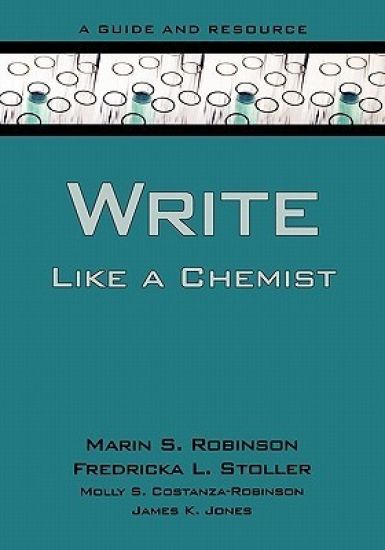
Write Like a Chemist
Marin S. Robinson; Fredricka L. Stoller; Molly Costanza-Robinson; James K. Jones
Oxford University Press Inc
2008
nidottu
Meant as a companion to The ACS Style Guide, not a competitor, this book is an extraordinary resource for upper-level chemistry majors as well as graduate students faced with writing a journal article, a conference abstract, or a thesis. Full of prepared research projects and exercises, Write Like a Chemist provides expert instruction ideal for students from diverse backgrounds, including both native and nonnative speakers of English. It is specifically designed to help students transition from the writing skills required in undergraduate lecture and laboratory classes to writing skills required by career chemists: a journal article, a scientific poster, and a research proposal. Each of these types of writing is directed toward a different audience, and writing for a journal requires a different writing style than writing a research proposal for the National Science Foundation. Thus to write like a chemist requires that one learns to write for different audiences. This book assists young scientists in developing that essential writing skill.

Write Like a Chemist
Marin S Robinson; Fredricka L Stoller; Molly Constanza-Robinson; James K Jones
Oxford University Press Inc
2008
sidottu
Write Like a Chemist is a unique guide to chemistry-specific writing. Written with National Science Foundation support and extensively piloted in chemistry courses nationwide, it offers a structured approach to writing that targets four important chemistry genres: the journal article, conference abstract, scientific poster, and research proposal. Chemistry students, post-docs, faculty, and other professionals interested in perfecting their disciplinary writing will find it an indispensable reference. Users of the book will learn to write through a host of exercises, ranging in difficulty from correcting single words and sentences to writing professional-quality papers, abstracts, posters, and proposals. The book's read-analyze-write approach teaches students to analyze what they read and then write, paying attention to audience, organization, writing conventions, grammar, and science content, thereby turning the complex process of writing into graduated, achievable tasks. Concise writing and organizational skills are stressed throughout, and "move structures" teach students conventional ways to present their stories of scientific discovery. This resource includes over 350 excerpts from ACS journal articles, ACS conference abstracts, and successful NSF CAREER proposals, excerpts that will serve as useful models of chemistry writing for years to come.
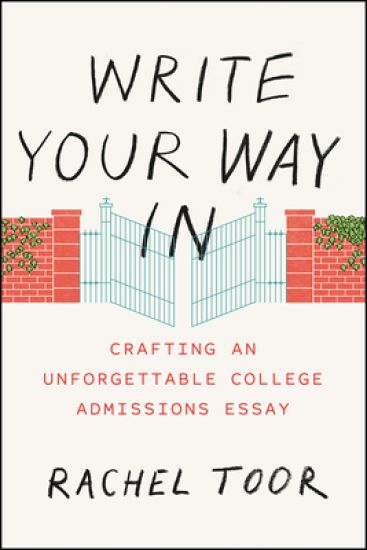
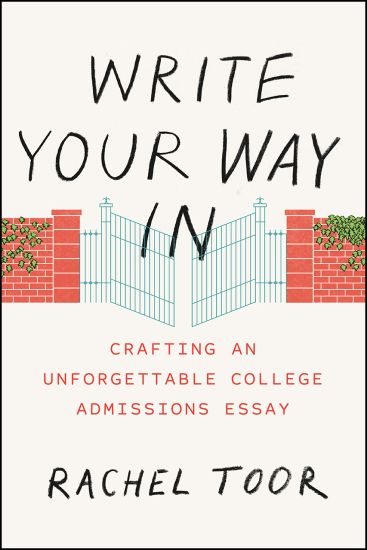
Writing, for most of us, is bound up with anxiety. It’s even worse when it feels like your whole future—or at least where you’ll spend the next four years in college—is on the line. It’s easy to understand why so many high school seniors put off working on their applications until the last minute or end up with a generic and clichéd essay. The good news? You already have the “secret sauce” for crafting a compelling personal essay: your own experiences and your unique voice. The best essays rarely catalog how students have succeeded or achieved. Good writing shows the reader how you’ve struggled and describes mistakes you’ve made. Excellent essays express what you’re fired up about, illustrate how you think, and illuminate the ways you’ve grown. More than twenty million students apply to college every year; many of them look similar in terms of test scores, grades, courses taken, extracurricular activities. Admissions officers wade through piles of files. As an applicant, you need to think about what will interest an exhausted reader. What can you write that will make her argue to admit you instead of the thousands of other applicants? A good essay will be conversational and rich in vivid details, and it could only be written by one person—you. This book will help you figure out how to find and present the best in yourself. You’ll acquire some useful tools for writing well—and may even have fun—in the process.
Writing, for most of us, is bound up with anxiety. It’s even worse when it feels like your whole future—or at least where you’ll spend the next four years in college—is on the line. It’s easy to understand why so many high school seniors put off working on their applications until the last minute or end up with a generic and clichéd essay. The good news? You already have the “secret sauce” for crafting a compelling personal essay: your own experiences and your unique voice. The best essays rarely catalog how students have succeeded or achieved. Good writing shows the reader how you’ve struggled and describes mistakes you’ve made. Excellent essays express what you’re fired up about, illustrate how you think, and illuminate the ways you’ve grown. More than twenty million students apply to college every year; many of them look similar in terms of test scores, grades, courses taken, extracurricular activities. Admissions officers wade through piles of files. As an applicant, you need to think about what will interest an exhausted reader. What can you write that will make her argue to admit you instead of the thousands of other applicants? A good essay will be conversational and rich in vivid details, and it could only be written by one person—you. This book will help you figure out how to find and present the best in yourself. You’ll acquire some useful tools for writing well—and may even have fun—in the process.
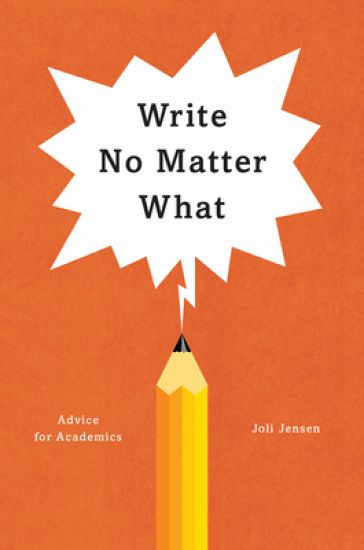
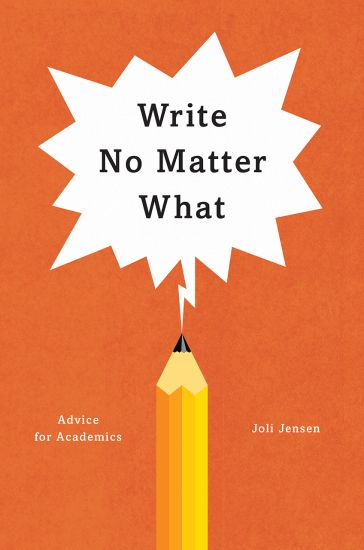
With growing academic responsibilities, family commitments, and inboxes, scholars are struggling to fulfill their writing goals. A finished book or even steady journal articles may seem like an impossible dream. But, as Joli Jensen proves, it really is possible to write happily and productively in academe. Jensen begins by busting the myth that universities are supportive writing environments. She points out that academia, an arena dedicated to scholarship, offers pressures that actually prevent scholarly writing. She shows how to acknowledge these less-than-ideal conditions, and how to keep these circumstances from draining writing time and energy. Jensen introduces tools and techniques that encourage frequent, low-stress writing. She points out common ways writers stall and offers workarounds that maintain productivity. Her focus is not on content, but on how to overcome whatever stands in the way of academic writing.Write No Matter What draws on popular and scholarly insights into the writing process and stems from Jensen's experience designing and directing a faculty writing program. With more than three decades as an academic writer, Jensen knows what really helps and hinders the scholarly writing process for scholars in the humanities, social sciences,and sciences. Cut down the academic sword of Damocles, Jensen advises. Learn how to write often and effectively, without pressure or shame. With her encouragement, writers of all levels will find ways to create the writing support they need and deserve.
With growing academic responsibilities, family commitments, and inboxes, scholars are struggling to fulfill their writing goals. A finished book or even steady journal articles may seem like an impossible dream. But, as Joli Jensen proves, it really is possible to write happily and productively in academe. Jensen begins by busting the myth that universities are supportive writing environments. She points out that academia, an arena dedicated to scholarship, offers pressures that actually prevent scholarly writing. She shows how to acknowledge these less-than-ideal conditions, and how to keep these circumstances from draining writing time and energy. Jensen introduces tools and techniques that encourage frequent, low-stress writing. She points out common ways writers stall and offers workarounds that maintain productivity. Her focus is not on content, but on how to overcome whatever stands in the way of academic writing.Write No Matter What draws on popular and scholarly insights into the writing process and stems from Jensen's experience designing and directing a faculty writing program. With more than three decades as an academic writer, Jensen knows what really helps and hinders the scholarly writing process for scholars in the humanities, social sciences,and sciences. Cut down the academic sword of Damocles, Jensen advises. Learn how to write often and effectively, without pressure or shame. With her encouragement, writers of all levels will find ways to create the writing support they need and deserve.

This engaging guide offers practical advice to teachers on how to utilize their existing classroom skills to become more effective public writers. After years spent cultivating their expertise and passion for a subject, scholars are uniquely positioned to write great books. Yet, accustomed to writing for an audience of their peers, many scholars find it challenging to adapt their writing to a style that is accessible and engaging to the general public. James M. Lang argues that academics are regularly called on to pitch their research to a general audience: their undergraduates. If only there were a way to translate the skills they use in the classroom into their writing. . . . In Write Like You Teach, Lang—a veteran writer and teacher—distills the elements of good classroom teaching into guidelines for writing for a general audience. He encourages authors to pay attention to how their readers learn and to embrace exploration, experimentation, and creativity in their writing. Lang asks his readers to consider the questions that all great teachers ask themselves: How will I get the attention of my students? How do I make them curious about the subject? What stories or examples will illustrate the more difficult concepts or theories in the course? When will I pause in the class and give students a break from hard thinking? What will I do at the end of the class to remind students about my key messages and leave them wanting to know more?Write Like You Teach includes examples from successful writers and useful anecdotes from Lang’s own classroom and writing career. Indeed, Lang takes his own advice to heart: like a good teacher, he varies the form of each chapter, making sure to introduce some surprises to keep the reader engaged. Each chapter ends with writing prompts to help readers practice their newly acquired skills, and an appendix provides additional advice on publishing and promoting one’s work. Teachers who follow Lang’s suggestions will find new ways to connect with their readers—and like any good student, they will never approach writing the same way again.
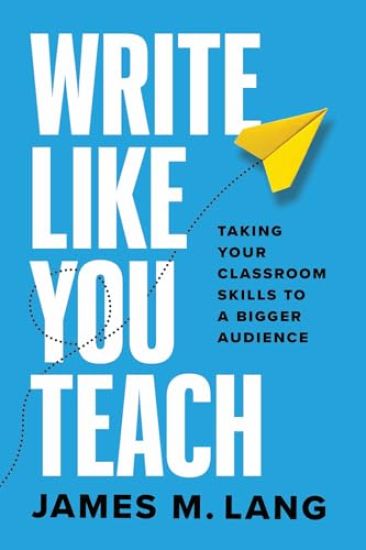
This engaging guide offers practical advice to teachers on how to utilize their existing classroom skills to become more effective public writers. After years spent cultivating their expertise and passion for a subject, scholars are uniquely positioned to write great books. Yet, accustomed to writing for an audience of their peers, many scholars find it challenging to adapt their writing to a style that is accessible and engaging to the general public. James M. Lang argues that academics are regularly called on to pitch their research to a general audience: their undergraduates. If only there were a way to translate the skills they use in the classroom into their writing. . . . In Write Like You Teach, Lang—a veteran writer and teacher—distills the elements of good classroom teaching into guidelines for writing for a general audience. He encourages authors to pay attention to how their readers learn and to embrace exploration, experimentation, and creativity in their writing. Lang asks his readers to consider the questions that all great teachers ask themselves: How will I get the attention of my students? How do I make them curious about the subject? What stories or examples will illustrate the more difficult concepts or theories in the course? When will I pause in the class and give students a break from hard thinking? What will I do at the end of the class to remind students about my key messages and leave them wanting to know more?Write Like You Teach includes examples from successful writers and useful anecdotes from Lang’s own classroom and writing career. Indeed, Lang takes his own advice to heart: like a good teacher, he varies the form of each chapter, making sure to introduce some surprises to keep the reader engaged. Each chapter ends with writing prompts to help readers practice their newly acquired skills, and an appendix provides additional advice on publishing and promoting one’s work. Teachers who follow Lang’s suggestions will find new ways to connect with their readers—and like any good student, they will never approach writing the same way again.
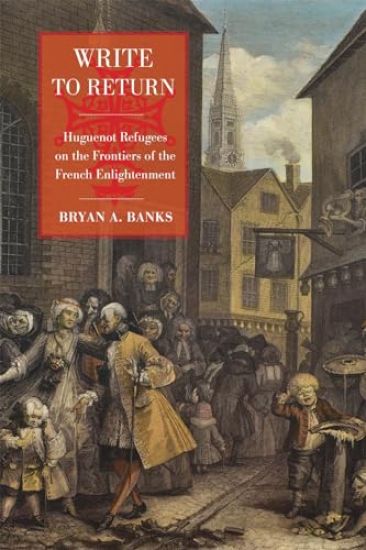
The revocation of the Edict of Nantes led more than 200,000 Huguenots to flee France after 1685. Many settled close to the country’s frontiers, where their leaders published apologetic texts arguing for their right to return to France and be recognized as French citizens. By framing their refugee experiences intentionally, even using the term “refugee” to describe their diaspora, Huguenots profoundly influenced Enlightenment debates on citizenship and religious tolerance.Write to Return is a cultural history of these Huguenot apologetics in which Bryan Banks examines the work of four authors: Pierre Jurieu, Pierre Bayle, Antoine Court, and Jean-Paul Rabaut Saint-Étienne. Each author advanced his arguments using key ideas of the Enlightenment, appealing to reason to argue for freedom of conscience all while appealing to emotion in his descriptions of Huguenot victimhood. The authors’ campaign succeeded. In 1789, France’s revolutionary National Assembly granted repatriation to all expelled Huguenots, offering them citizenship regardless of place of birth or baptism, and even permitting them to reclaim ancestral lands.International refugees played an overlooked role in shaping discourse around the nation and nationalism in the eighteenth century. Write to Return shows how early modern refugees could advocate for their interests, build international networks, and even craft a new collective identity. By presenting themselves as loyal citizens of France, Huguenots were at the forefront of constructing a French national identity.