
Kirjahaku
Etsi kirjoja tekijän nimen, kirjan nimen tai ISBN:n perusteella.
1000 tulosta hakusanalla A K Daniels

Unit 1: Water Technology And Green Chemistry, Unit 2: Electro Analytical tTechniques, Unit 3: Synthetic rganic Polymers, Unit 4: Fuels And Combustion, Unit 5: Chemistry Of Hydrogen And Carbon, Unit 6: Corros


It is a challenging task to predict the severe consequences of soil health degradation on plants, animals, and human beings. Soil erosion, degradation, nutrient depletion, pollution, organic matter decline, and inadequate management practices have caused Plant nutrient disorders due to imbalances, interactions, deficiencies, or toxicities of one or more plant nutrients. The quality of irrigation water and environmental stress also significantly impact this process. The current book provides insight into the reasons for the occurrence of such nutrient disorders, methodologies to monitor soil, plant, water, and environment, and ways to diagnose the problem through analytical and instrumental techniques. The widespread occurrence of secondary and micronutrient deficiencies in soils has resulted in low uptake of these nutrient ions by plants, which adversely affects human and animal health. Continuous cropping without efficient soil and water use has led to poor crop performance and low yields in many areas. This book answers some pertinent questions on the subject, including why plant nutrient disorders occur, whether they are site or crop-specific, how to diagnose the problem using sound analytical techniques, what the major concerns are, and how to manage such disorders to sustain soil health for crop production. Implementing a scientific soil management program requires good teamwork among scientists, extension workers, and field staff, with governmental support and farmers participation. This book, written in simple language, will be useful for students and teachers of Agriculture, Horticulture, Forestry, Fisheries, and allied disciplines.
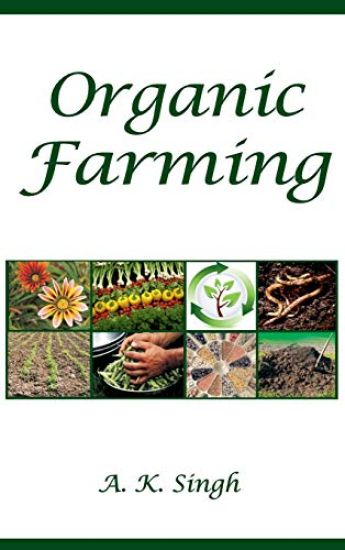
Organic Farming is a comprehensive resource that presents the fundamental principles and practices of organic farming. The text is organized into chapters that systematically cover the following topics: 1) the concepts and relevance of organic farming, 2) organic production requirements, 3) biological intensive nutrient management, 4) integrated pest, disease, and weed management, 5) quality control standards and certification, and 6) organic market opportunities. This book is designed to fulfill the needs of students studying agriculture in colleges and universities and serves as a standing guide for teachers to teach organic farming in the new concept of agriculture education and development.
Third Revised Edition 2019.
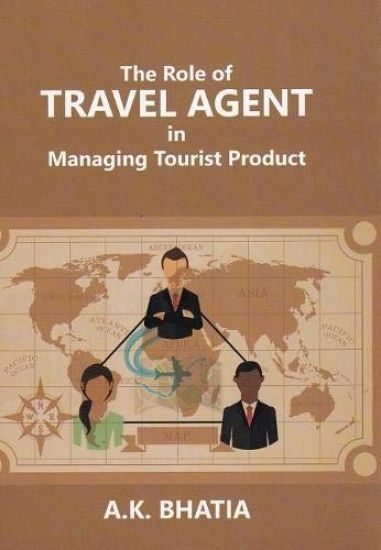
Role of TRAVEL AGENT in Managing Tourist Product
A K Bhatia
STERLING PUBLISHERS PVT.LTD
2020
pokkari
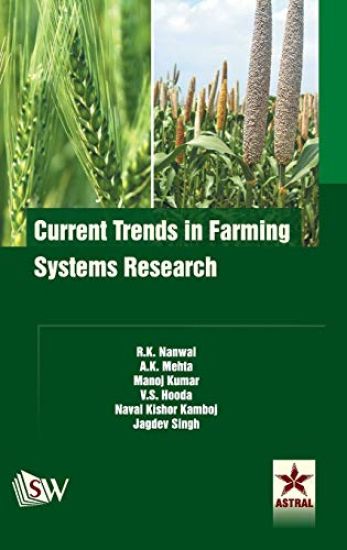
Farming system is the way of life for small and marginal farmers. Recently, the AICRP on Farming System Research at CCSHAU, Hisar, has developed various technologies on regional based cropping systems, integrated nutrient management, organic farming package, resource conservation technologies etc. Integrated farming system model developed under this project in one hectare area gives hope for realizing higher returns for farmers from a unit land. Family farming model of one hectare gives decent round the year income with more than 2 lacs as return over variable cost/annum. The on farm research in Sirsa district also intensified and regular scientist-farmer interaction, training and demonstrations were also organized. In the coming years, on farm research in farmer participatory IFS approach and capacity building of stake holders are to be given thrust. The book will be quiet helpful for policy makers, researchers, students and farming community to address the issues of farming system. The book has been written in a lucid language for easy understanding of the concept.
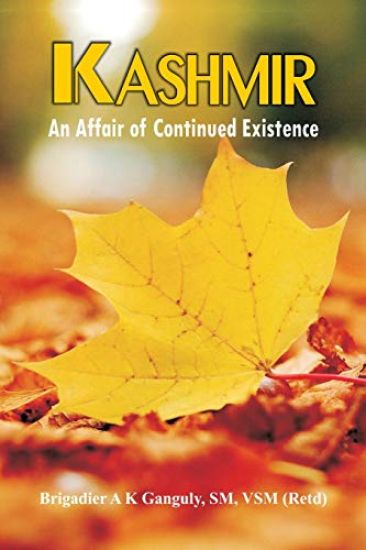
Kashmir has always been in the midst of geopolitical hullabaloo due to its pending UN Resolution and now the demand of 'Azadi' (Freedom) which became more pronounced after the inception of insurgency in the State in 1987-88. If we look into the issue, in reality, it is a bilateral issue between India and Pakistan, if the legality reason is applied then there is no doubt that India's stance is most legitimate. The people of Kashmir have invited the 'Jihad' into Indian Kashmir Region and declared 'Azadi' as a war of freedom through the Pakistan sponsored militancy and radicalisation of the society on communal lines by the militant organisations and separatists. In the present environment, the stakeholders are at a tangent and it is mainly because the main stakeholder, the people of Kashmir are uncertain and confused, the total population is not part of the 'Azadi' (freedom) thus there is vagueness and the vision of 'Azadi' (freedom) is very blurred. The other stakeholders are either taking advantage of the people's sentiments or going by their own agenda of self-interest or lack the will to take initiatives to resolve the Kashmir issue which meets their personal ends. In this book, the chapters are based on the stakeholders and their participation in the Kashmir embroil. The basic contents are based on the issues that have made Kashmir an affair of continued existence by various stakeholders, the creation of an environment of stalemate and prevailing status quo without any changes, none of the stakeholders are ready to budge or lose their turf. Written in a simple and lucid manner, the narratives made interesting with historical facts, quotations and factual as prevailing in Kashmir.
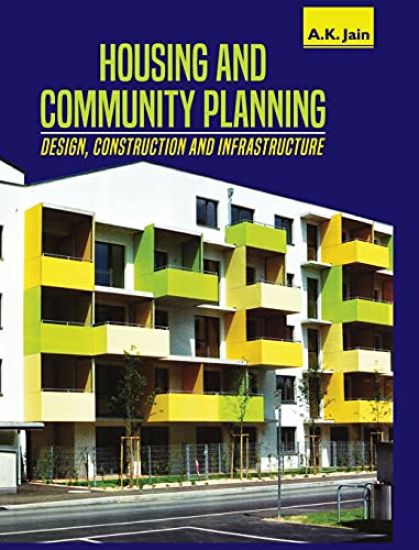
The book Housing and Community Planning in its 13 chapters provides an understanding of the various issues concerned with housing design, construction, and community development, infrastructure services, affordability, rental housing, slum upgradation and rehabilitation. The author provokes thinking beyond the public-private binary and develops the third option, where the local community is the driver, and housing is not considered as a commodity.
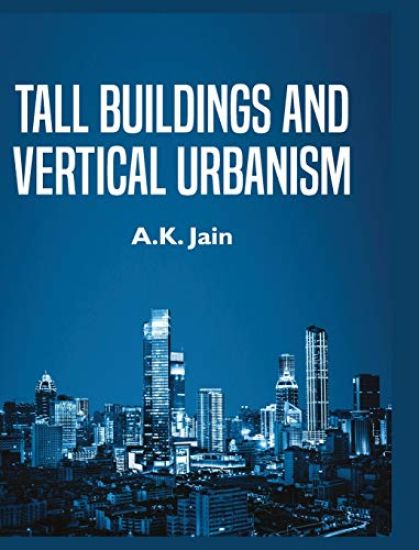
The book Tall Buildings and Vertical Urbanism looks at the evolution of tall buildings and their relationship with the urban growth, land, location, economy, climate and ecology. Various iconic and landmark examples explain the context and processes. A
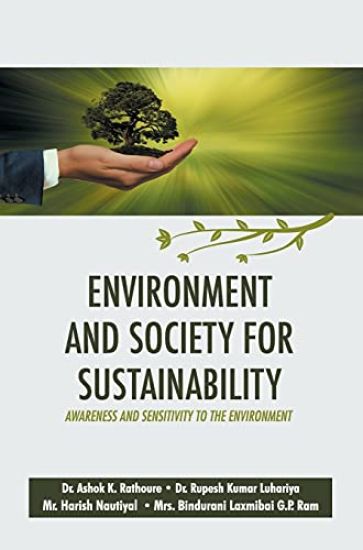
Environment and Society for Sustainability
A K Rathoure
DISCOVERY PUBLISHING HOUSE PVT LTD
2021
sidottu
In this book, we have presented about Environment and Society, Factors Affecting Environment and Society - Issues, Challenges, Developments, Case Studies on Environment and Society, Indian Constitution and the environment, Environment Impact Assessment Norms and their Application in India, Seminal cases in Environmental Protection, Environment Protection Act 1986, Forest Conversion Act 1980, Water (Prevention and control of pollution) Act, 1974, Air (Prevention and control of pollution) Act, 1981, Wildlife Protection Act 1972, Management of Western Ghats, Environmental Law and Coastal Protections - the CRZ norms, Our Common Future, International Conventions and Treaties, Convention on Biological Diversity (CBD), Sanitary and Phytosanitary Agreement of WTO, The Bonn Guidelines and Paris Summit, Environment Friendly Technologies and Sensitivity, Shannon-Weiner Indices of Diversity in EIA: Indian Context, Environment Impact Assessment of Highway development/Expansion and Chamoli Disaster 2021.
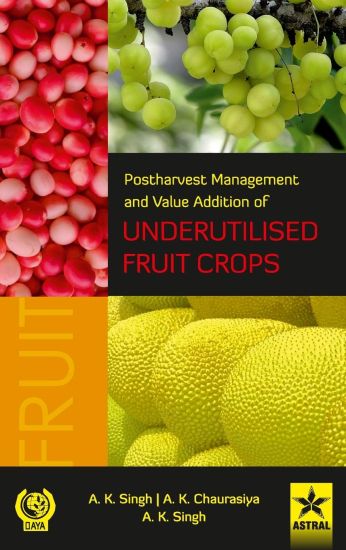
Postharvest Management and Value Addition of Underutilised Fruit Crops
A K Singh
Daya Pub. House
2019
sidottu
Horticultural produce plays a significant role in human nutrition by supplying vitamins, minerals, dietary fibre and anti-oxidants to the diet. The quality and safety of underutilized fruit produce reaching the consumer depends upon pre-harvest factors as well as proper post-harvest management practices throughout the food chain. This book reviews the factors which contribute to quality and safety during processing through easy steps of product preparation. Specific examples are given to illustrate the economic implications of investment in and applying proper post-harvest technologies. This book has been planned keeping in view the challenges faced during processing and as per the syllabus approved by ICAR for undergraduate and postgraduate students. Besides dealing with the processed products and processing type of underutilized fruits, this book contains a model question bank and suitable illustration with photographs. In addition to the students completing their undergraduate and postgraduate courses, the book will be great help to the Agriculturist, Horticulturist, Food scientist, as well as researchers and other stakeholders including industrialists.
Horticulture Based Integrated Farming Systems
A.K. Shukla; B.L. Jangid; Keerthika A.; N.B. Noor mohamed; R.S. Mehta
New India Publishing Agency- Nipa
2020
sidottu
The books content has been compiled and structured in a manner that presents advanced information on the subject of horticulture in India, with a focus on horticulture-based integrated farming systems, the integration of livestock into these systems, emerging issues in the field, natural resource management, disease and pest management, organic farming and certification, post-harvest measures and value addition for arid fruits and vegetables, marketing aspects, and export promotion measures and procedures.The book features chapters authored by highly specialized scientists from prestigious institutes of national importance, and it introduces a novel concept called Horticulture Based Integrated Farming System.
Drawing from hands-on experience, the authors suggest the ways and means necessary to secure India from emerging security challenges on land, air, sea, space, cyber domain and even cognitive domain. These essays imaginatively examine grey zone conflict, urban warfare and mountain warfare, along with dynamic military strategies to secure India.
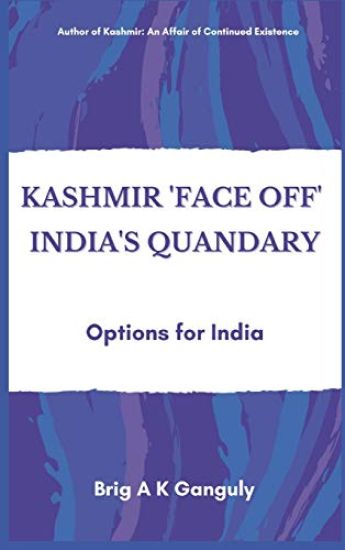
The book ‘Kashmir Face-Off India’s Quandary’ is about Kashmir. How it remained in the suspended, animated state since 1947 in three parts Pakistan Occupied Kashmir, China Occupied Kashmir and rightfully held Indian Jammu and Kashmir. So many years have passed in status quo state and none of the actors is ready to budge an inch. The legal status of Jammu and Kashmir (J&K) as per the documentary evidence and seconded by the British Empire, the day the Maharaja of the State signed the Accord of Accession in 1947 October. This had made both Pakistan and China not recognising the accord. Pakistan invaded India to take by force J&K, Indian Army drove out the invading forces, but as ceasefire came into being certain territories were still held by Pakistan. Same was the case with China who in 1962 captured Aksai Chen and never returned it to India. These occupied territories were and have been used in fermenting problems and instability, based on communal lines with a view to breakaway Kashmir from India. With the abrogation of special status which Pakistan and China have been exploiting, both these countries got the jolt which they were never expecting. It was for the first time India declared the occupied territories as part of India in August 2019 and put the reclamation of the same. In this book, the modus, modalities and way out have been discussed to get back all the occupied territories, even at the cost of going in for forced reclamation. The narrative has been made interesting with Maps and debating the pros and cons, where India stands and what it must do to improving its posturing of reclamations.