Alexandre Koj_ve offers a systematic discussion of key themes such as right, justice, law, equality, and autonomy in which he presages our contemporary world of economic globalization and international law. Edited and translated (with Robert Howse) by Bryan-Paul Frost, this is the authoritative English language translation of a monumental work in political philosophy.
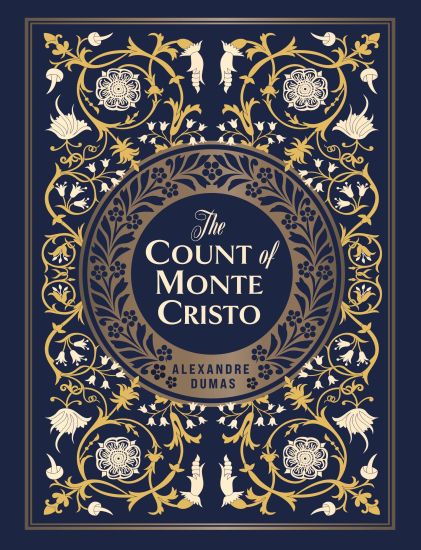
Enriched Classics offer readers accessible editions of great works of literature enhanced by helpful notes and commentary. Each book includes educational tools alongside the text, enabling students and readers alike to gain a deeper and more developed understanding of the writer and their work. Alexandre Dumas's thrilling adventure of one man's quest for freedom and vengeance on those who betrayed him. This edition includes: -A concise introduction that gives readers important background information -A chronology of the author's life and work -A timeline of significant events that provides the book's historical context -An outline of key themes and plot points to help readers form their own interpretations -Detailed explanatory notes -Critical analysis, including contemporary and modern perspectives on the work -Discussion questions to promote lively classroom and book group interaction -A list of recommended related books and films to broaden the reader's experience Enriched Classics offer readers affordable editions of great works of literature enhanced by helpful notes and insightful commentary. The scholarship provided in Enriched Classics enables readers to appreciate, understand, and enjoy the world's finest books to their full potential.
Welcome to the world of Lenormand! This system of divination was inspired by Madame Adelaide Lenormand, a well-known psychic at the time of the French Revolution, and was first realized in the late 1700s. This guide will help readers master a style that yields practical advice applicable to today’s world. Receive answers to your most puzzling questions by following simple steps that lead you through each of the 36 cards. Learn to work with spreads that will take you from beginning layouts to the famed revealing of the 8 keys that unlock the Grand Tableau, which uses all the cards in one spread for an in-depth reading. Identify and understand the symbolism of regular playing cards; find out the physical attributes of people identified in your readings; learn about love, health, money, time, and more. Can be used with any Lenormand deck.
This deck of divination cards was inspired by Madame Adelaide Lenormand, a well-known psychic at the time of the French Revolution, and was first realized in the late 1700s. Keeping with the tradition of the clear and consistent symbols of that time, these nostalgic oracle cards can yield practical advice applicable to today’s world and can lead to your finding well-defined and concise answers to your most puzzling questions. 36 Lenormand cards (plus three additional cards for Alternate Man, Woman, and Child) are included. To enhance your reading skills with this deck, look for its companion guide, The Art of Lenormand Reading, sold separately. Box contains 39 Lenormand art cards.
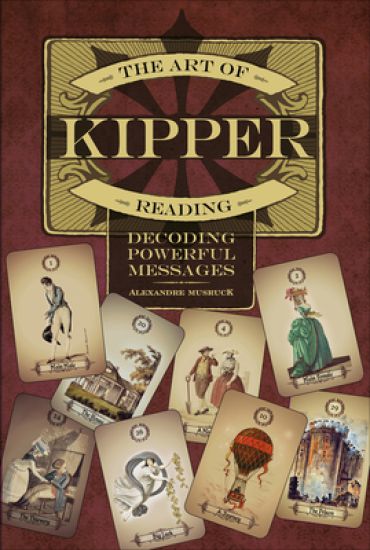
Developed in 1890, Kipper has long been a favorite of the German divination community. Kipper expert Alexandre Musruck’s classically styled deck reinterprets the original German images with a Parisian touch. Accessible and practical, it is perfect for beginners and advance readers seeking advice and guidance on their most-perplexing questions. Enhance your reading skills with the companion guide, The Art of Kipper Reading: Decoding Powerful Messages, sold separately. This box contains 36 Kipper art cards.
Discover the mystical world of Kipper in this easy-to-understand English-language guide to the popular German Kipper oracle system, acccessible for readers of all levels. Developed in 1890, Kipper has long been a favorite of the German divination community. Join Kipper expert Alexandre Musruck as he reinterprets the original the 36-card traditional German system with a Parisian touch. Explore each of the cards in detail through card sections, which focus on mantras, influence, direction, combinations, and more. You’ll also learn the importance of and how to apply direction; three essential card spreads: Basic 3, Cross 5, and Box 9; the 8 keys to unlocking the Grand Tableau; the three-step formula for memorizing Kipper cards; and three common mistakes to avoid. With practical insight and tips, Musruck shows how Kipper offers readers deeper insight into themselves and the questions they seek to answer. Musruck’s Kipper Oracle Cards sold separately.
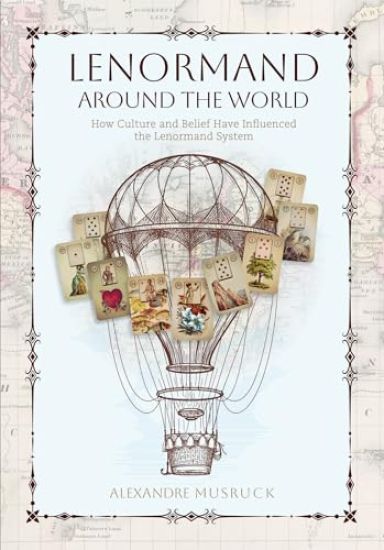
Discover how Lenormand is read differently in various cultures and how to incorporate these techniques and interpretations into your own readings! From its origins in 18th-century Germany, Lenormand card reading quickly grew in popularity, acquiring new techniques and meanings from each region it spread to. Lenormand Around the World is not just a historical account of how the Lenormand system spread globally; it’s a journey into the heart of how cultures, traditions, religions, and spiritual practices have breathed life into these cards over centuries. Through the pages of this book, you will • understand the origins of Lenormand and how it became a worldwide phenomenon; • explore the unique interpretations of the deck in various countries, from Europe to Latin America, Asia, the Creole Islands, and beyond; • learn how tradition and spirituality have influenced the Lenormand cards and how they are interpreted differently on the basis of cultural beliefs; • gain insights into the universal power of Lenormand to provide guidance, clarity, and answers in diverse spiritual practices; and • unlock deeper meanings of the cards by understanding the cultural contexts in which they are used. Whether you are a seasoned Lenormand reader or a curious beginner, this book will open your mind to the fascinating ways in which these cards serve as bridges between intuition, culture, and divination. Includes mini tear-out Lenormand deck!
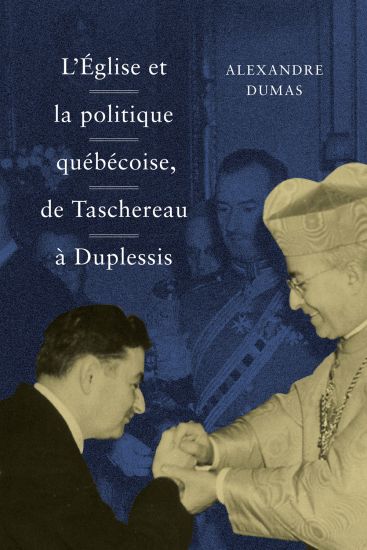
Si l'on en croit l'historien Denis Vaugeois, les gens inventent des histoires depuis soixante ans à propos du gouvernement de Maurice Duplessis. Dans le domaine de la politique, l'image généralement acceptée du Québec d'avant la Révolution tranquille est celle d'une société écrasée par une Église catholique omniprésente, avec la complicité d'un gouvernement de l'Union nationale corrompu. L'arrivée au pouvoir du Parti libéral de Jean Lesage en 1960 devait mettre un terme à cette puissante alliance et permettre ainsi au Québec d'entrer dans l'ère moderne. Se peut-il que les tendances politiques du clergé catholique se démarquaient alors de cette idée populaire et l'avaient toujours fait? L'Église et la politique québécoise, de Taschereau à Duplessis jette un nouveau regard sur des préjugés concernant le rôle historique joué par l'Église catholique dans la politique du Québec. Le soutien électoral du clergé à l'Union nationale, la ferme opposition de l'Église au droit de vote des femmes, l'origine cléricale de la Loi du cadenas et le soutien accordé par l'archevêque de Montréal au dirigeant fasciste Adrien Arcand sont toutes des notions qui ont reçu l'aval inconditionnel des historiens – des idées remises en question dans cet ouvrage. En ce qui a trait à la relation entre l'Église et l'État, Maurice Duplessis s'inscrivait dans la continuité de ses homologues libéraux. Après avoir consulté des archives jusqu'ici inaccessibles, Alexandre Dumas en vient à la conclusion surprenante que l'Église catholique était peut-être plus sympathique à la cause du Parti libéral qu'à celle de l'Union nationale.
Si l'on en croit l'historien Denis Vaugeois, les gens inventent des histoires depuis soixante ans à propos du gouvernement de Maurice Duplessis. Dans le domaine de la politique, l'image généralement acceptée du Québec d'avant la Révolution tranquille est celle d'une société écrasée par une Église catholique omniprésente, avec la complicité d'un gouvernement de l'Union nationale corrompu. L'arrivée au pouvoir du Parti libéral de Jean Lesage en 1960 devait mettre un terme à cette puissante alliance et permettre ainsi au Québec d'entrer dans l'ère moderne. Se peut-il que les tendances politiques du clergé catholique se démarquaient alors de cette idée populaire et l'avaient toujours fait? L'Église et la politique québécoise, de Taschereau à Duplessis jette un nouveau regard sur des préjugés concernant le rôle historique joué par l'Église catholique dans la politique du Québec. Le soutien électoral du clergé à l'Union nationale, la ferme opposition de l'Église au droit de vote des femmes, l'origine cléricale de la Loi du cadenas et le soutien accordé par l'archevêque de Montréal au dirigeant fasciste Adrien Arcand sont toutes des notions qui ont reçu l'aval inconditionnel des historiens – des idées remises en question dans cet ouvrage. En ce qui a trait à la relation entre l'Église et l'État, Maurice Duplessis s'inscrivait dans la continuité de ses homologues libéraux. Après avoir consulté des archives jusqu'ici inaccessibles, Alexandre Dumas en vient à la conclusion surprenante que l'Église catholique était peut-être plus sympathique à la cause du Parti libéral qu'à celle de l'Union nationale.
Uncover a thrilling tale of unforgettable characters and gripping plot twists with this handsome gift edition of the narrative masterpiece by Alexandre Dumas.The Count of Monte Cristo by Alexandre Dumas is a timeless tale of betrayal, revenge, and redemption that has captivated readers for generations. Set in the early 19th century, this epic adventure follows Edmond Dantès, a young and wrongfully imprisoned man who embarks on an extraordinary journey to seek vengeance on those who conspired against him.This collectible edition features:An elegant faux-leather cover with foil-embossed designsUnabridged textStunning sprayed edges for a continuous design on the front, edges, and backSure to be a cherished part of any bibliophile’s collection, this lovely classic is a perfect gift or a wonderful addition to your home library.Essential volumes for the shelves of every classic literature lover, Chartwell Deluxe Editions offer beautifully presented works from some of the most important authors in literary history. Other deluxe classics from Chartwell include Alice’s Adventures in Wonderland, Anne of Green Gables, The Essential Tales and Poems of Edgar Allan Poe, The Iliad, Inferno, Irish Fairy and Folk Tales, The Legend of Sleepy Hollow, Little Women, Meditations, and The Republic.
Alexandre Stern has compiled a veritable 'bucket list' of foods to try at least once in life. Bringing together gastronomy, discovery, and travel, this geographically organized journey highlights more than 700 culinary specialties spanning five continents. There is much food trivia and history to ponder: the common carrot originated in Afghanistan, while fish sperm is prized in Japan. Baba au rhum--famed as a refined masterpiece of upscale French patisserie--was invented in Poland as a humble, rumless cake. Closer to home, we learn that New England lobster, now a luxury, was once considered fit only for the poor. Organized alphabetically by continent and country, this is an engaging tour of the world's pantry from soup to nuts, including fruits, vegetables, spices, breads and baked goods, seafood, meats, dairy, drinks, and much more. Highly browsable, this is an inspirational guide to new tastes and culinary adventures.
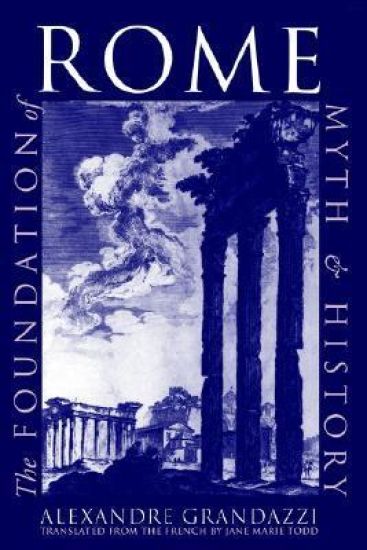
At once a historical essay and a self-conscious meditation on the writing of history, The Foundation of Rome takes as its starting point a series of accounts of Rome's origins offered over the course of centuries. Alexandre Grandazzi places these accounts in their contemporary contexts and shows how the growing sophistication in methodology gradually changed the accepted views of the city's origins. He looks, for example, at the hypercritical philology of the nineteenth century which cast aside everything that could not be verified. He then explains how the increase in archaeological discoveries and changing archaeological techniques influenced the story of Rome's birth.Grandazzi produces a depiction of Rome's origins that is both up-to-date and provocative. His use of scientific parallels in describing changes in the ways texts were analyzed and his broad familiarity with comparative material make his synthesis particularly illuminating, and he writes with clarity, verve, and wit.
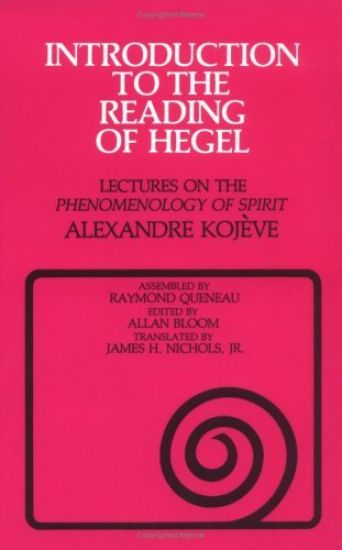
"This collection of Kojeve's thoughts about Hegel constitutes one of the few important philosophical books of the twentieth century—a book, knowledge of which is requisite to the full awareness of our situation and to the grasp of the most modern perspective on the eternal questions of philosophy."—Allan Bloom (from the Introduction) During the years 1933–1939, the Russian-born and German-educated Marxist political philosopher Alexandre Kojève (1902–1968) brilliantly explicated—through a series of lectures—the philosophy of Hegel as it was developed in the Phenomenology of Spirit. This collection of lectures—originally compiled by Raymond Queneau and edited for its English-language translation by Allan Bloom—shows the intensity of Kojève's study and thought and the depth of his insight into Hegel's Phenomenology. More important—for Kojève was above all a philosopher and not an ideologue—this profound and venturesome work on Hegel will expose the readers to the excitement of discovering a great mind in all its force and power.
During the sixteenth and seventeenth centuries a radical change occurred in the patterns and framework of European thought. In the wake of discoveries through the telescope and Copernican theory, the notion of an ordered cosmos of 'fixed stars' gave way to that of a universe infinite in both time and space - with significant and far-reaching consequences for human thought. Alexandre Koyre interprets this revolution in terms of the change that occurred in our conception of the universe and our place in it and shows the primacy of this change in the development of the modern world.
In this volume, members of the French Academy from several disciplines - including fluid mechanics, economics, philosophy, theoretcial physics and biology - offer scientific and theoretical analyses of the concepts of order, chaos and determinism as they emerge in such complex and diverse systems as atmosphere, oceans, monetary economics and biological organisms. Using turbulence in fluid mechanics as the chief model, the authors describe and explain the behaviour of systems that tend toward a particular end-state, such as an attractor in dynamic systems. The result is an interdisciplinary study of complex behaviour and its philosophical consequences in fluid mechanics, meteorology, oceanography, physics, embryology, genetics and economics.