In many countries in Central and Eastern Europe, Roma are the main poverty risk group. Unfortunately, information on their living conditions and the characteristics of their poverty are scant, fragmented, and often anecdotal. Poverty and Ethnicity analyzes data, from a new cross-country household survey, conducted by the Center for Comparative Research at Yale University in the United States. This survey, the first of its kind, addresses the ethnic dimension of poverty across countries, covering Roma in Hungary, Bulgaria, and Romania and evaluates the welfare of Roma from a quantitative perspective.
In this survey, we assemble recent theoretical and empirical advances in the literature on economic informality, analyzing the causes and costs of informality in developed and developing economies. In accordance with recent evidence, we discuss the nature and the roots of informal economic activity across countries distinguishing between informality as the result of 'exclusion' and 'exit'. We then provide an extensive review of recent international experience with policies aimed at reducing informality, in particular policies that: facilitate the formalization process, create a framework for the transition from informality to formality, lend support to newly created firms, reduce or eliminate inconsistencies across regulation and government agencies, increase information flows, and increase enforcement.
Social norms, gender roles, beliefs about one's own capacity, and assets, as well as communities and countries, determine the opportunities available to women and men, and their ability to take advantage of them. World Development Report 2012 shows significant progress in many areas, but gender disparities still persist. Our study covered 20 countries in all world regions, where over 4,000 women and men, in remote and traditional villages and dense urban neighbourhoods, in more than 500 focus groups, discussed the effects of gender differences and inequalities on their lives. Despite diverse social and cultural settings, traits and expectations of the ideal “good” woman and “good” man were remarkably similar across all sample urban and rural communities. Participants acknowledged that women are actively seeking equal power and freedom, but must constantly negotiate and resist traditional expectations about what they are to do and who they are to be. When women achieve the freedom to work for pay or get more education, they must still accommodate their gains to these expectations, especially on household responsibilities. Girls' desire for education, which nurtures their aspirations for greater agency, exceeded that of boys in rural and urban communities. Both young women and men wished for more education and better jobs than are common in their communities and strikingly wanted to marry later, bear children later, and have more autonomy in choosing their partners than traditional community norms dictated. The main pathways for women to gain agency are education, employment, and decreased risk of domestic violence. A safer space encourages women to negotiate for more participation and equality in household discussions and decisions. Women's ability to contribute to family finances and control (even partially) major or minor assets helps them gain more voice at home and in public spheres. Women's aspirations and empowerment to break gender barriers occur regardless of dynamic or poor economies, while men's perceived gain in agency-and their identity as breadwinner-largely depends on economic conditions. When only a few women manage to break with established norms-without a critical mass-traditional norms are not contested and may be reinforced. The process of gender norm change thus appears to be uneven and challenging, lagging behind topical conditions. The easy co-existence of new and old norms means that households in the same community can vary markedly in how much agency women can exercise, and women feel less empowered when opinions and values of families and communities stay with traditional norms.
In this audacious book, Ana María Ochoa Gautier explores how listening has been central to the production of notions of language, music, voice, and sound that determine the politics of life. Drawing primarily from nineteenth-century Colombian sources, Ochoa Gautier locates sounds produced by different living entities at the juncture of the human and nonhuman. Her "acoustically tuned" analysis of a wide array of texts reveals multiple debates on the nature of the aural. These discussions were central to a politics of the voice harnessed in the service of the production of different notions of personhood and belonging. In Ochoa Gautier's groundbreaking work, Latin America and the Caribbean emerge as a historical site where the politics of life and the politics of expression inextricably entangle the musical and the linguistic, knowledge and the sensorial.
In this audacious book, Ana María Ochoa Gautier explores how listening has been central to the production of notions of language, music, voice, and sound that determine the politics of life. Drawing primarily from nineteenth-century Colombian sources, Ochoa Gautier locates sounds produced by different living entities at the juncture of the human and nonhuman. Her "acoustically tuned" analysis of a wide array of texts reveals multiple debates on the nature of the aural. These discussions were central to a politics of the voice harnessed in the service of the production of different notions of personhood and belonging. In Ochoa Gautier's groundbreaking work, Latin America and the Caribbean emerge as a historical site where the politics of life and the politics of expression inextricably entangle the musical and the linguistic, knowledge and the sensorial.
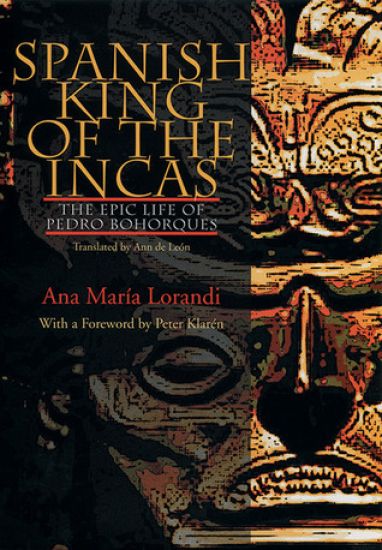
Described in his lifetime as “mad,” “a dreamer,” “quixotic,” and “a lunatic,” Pedro Bohorques is one of the most fascinating personalities of Spanish colonial America. A common man from an ordinary Andalusian family, he sought his fortune in the new world as a Renaissance adventurer. Smitten with the idea of the mythical cities of gold, Bohorques led a series of expeditions into the jungles of Peru searching for the paradise of El Dorado. Having mastered the Quechua language of the countryside, he presented himself as a descendent of Inca royalty and quickly rose to power as a king among the Calchaquíes of Tucumán. He was later arrested and executed by the crown for his participation in a peasant revolt against Spanish rule. In Spanish King of the Incas, Ana María Lorandi examines Bohorques as a character whose vision, triumphs, and struggles are a reflection of his seventeenth-century colonial world. In this thoroughly engaging ethnohistory, Lorandi brings to light the many political and cultural forces of the time. The status of the Inca high nobility changed dramatically after the Spanish conquest, as native populations were subjugated by the ruling class. Utopian ideals of new cities of riches such as El Dorado prevailed in the public imagination alongside a desire to restore an idealized historic past. As the Middle Ages gave way to the new belief systems of the Renaissance, ingenuousness about mythical creatures became strong, and personal success was measured by the performance of heroic deeds and the attainment of kingdoms. Charismatic and bold, Pedro Bohorques flourished in the ambiguous margins of this society full of transition and conflict. Ann de León's artful translation preserves both the colorful details of the story and the clarity of expression in Lorandi's complex analyses.
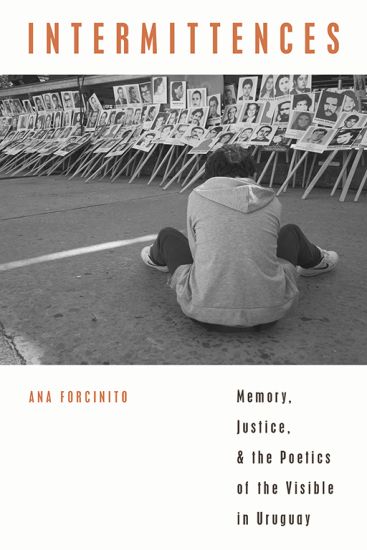
The construction of memory entails a battle not only between memory and forgetting but also between different memories. There are multiple constructions of memory, and in the dispute between them, some become hegemonic, while others remain in the margins. Ana Forcinito explores the intermittences of transitional justice and memory in post-dictatorship Uruguay. The processes of building memory and transitional justice are repetitive but inconstant. They are contested by both internal and external forces and shaped by tensions between oblivion and silence. Forcinito explores models of reconciliation to present an alternative narrative of the past and to expose the blind spots of memory.
Forcinito explores how testimonial voices have played a pivotal role in the fight for justice, memory, and gender rights. Through the concept of diffraction, she examines how these voices move through and reshape barriers to construct sonic spaces that connect bodies and create spaces for listening. While Argentina is sometimes regarded as a global leader in human rights, LGBTQI+ rights, and feminist movements, legal and judicial responses to gender-based violence following the last military dictatorship (1976-1983) were slow to materialize. This book explores these delayed advancements while highlighting the role of testimonial voices in shaping them. Testimonial expressions outside the legal scenario denounce violence and explore the edges of memory, the difficulty of remembering, as well as the doubts surrounding memory. They expose the difficulties of narrating violent events and their aftermaths and how gender-based violence is entangled with other expressions of violence.
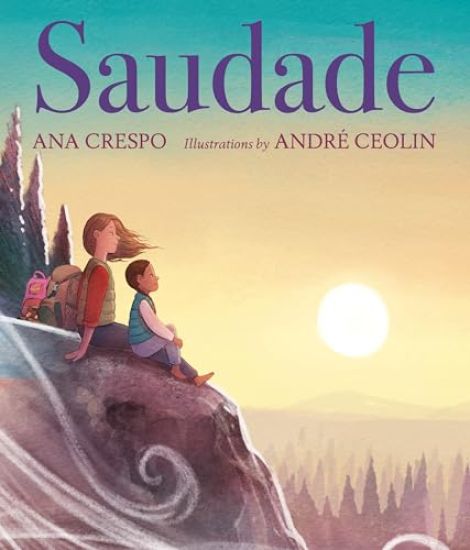
If your heart has ever ached remembering a place or a person, a smell or a taste, then you've felt saudade. Saudade is a Portuguese and Galician word with no perfect translation to English; it's a strong, melancholy longing for something you once had. Hiking in the hills, a little girl and her Brazilian immigrant mother contemplate what makes them feel saudade. A cool salty breeze miles from the ocean; the smell of Mam e's perfume; memories of playing with cousins under trees or waterfalls, riding waves with grandparents who are now stuck in the square of a video call. Though deeply woven through Brazilian music and literature, saudade is a familiar companion to us all. Readers who live far from loved ones or have adopted new homes will especially connect with this exploration of nostalgia and yearning. An endnote offers author Ana Crespo's personal story of saudade as a Brazilian immigrant, and a glossary covers other Portuguese words the mother and daughter use. Andre Ceolin's vivid illustrations, twining with daydreamy wisps of haze, set the perfect mood for this bittersweet, profoundly human story. A Junior Library Guild Gold Standard Selection
This volume details the theories, mechanisms, technologies and trends for solving qualitative and quantitative problems in diverse areas of analytical research - emphasizing physicochemical principles. It focuses on deriving simpler and more extensive chemiluminescence (CL) detectors reflecting miniaturization trends, including narrow-bone and capillary liquid chromatography versus high-performance liquid chromatography and miniaturized high-performance thin-layer chromatography. It also covers the sensitivity, selectivity, wide detection range and versatility of CL-based methodologies.
This volume is a welcome and excellent resource for all clinicians working with severely traumatized children. Francine Shapiro, PhD Founder, EMDR Humanitarian Assistance Programs Over the past 15 years, Ms. Gomez has developed highly original and brilliant interventions for working with these very difficult to treat children. This book will be an enormous great gift to our field. Dr. Susan Coates Clinical Professor of Psychology in Psychiatry College of Physicians and Surgeons Columbia University This is the first book to provide a wide range of leading-edge, step-by-step strategies for clinicians using EMDR therapy and adjunct approaches with children with severe dysregulation of the affective system. Written by an author internationally known for her innovative work with children, the book offers developmentally appropriate and advanced tools for using EMDR therapy in treating children with complex trauma, attachment wounds, dissociative tendencies, and compromised social engagement. The book also presents the theoretical framework for case conceptualization in EMDR therapy and in the use of the Adaptive Information Processing model with children. Principles and concepts derived from the Polyvagal Theory, affective neuroscience, attachment theory, interpersonal neurobiology, developmental neuroscience and the neurosequential model of therapeutics, which can greatly support and expand our understanding of the AIP model and complex trauma, are presented. The text also offers an original and pioneering EMDR therapy-based model to working with parents with abdicated caregiving systems. The model is directed at assisting parents in developing the ability for mentalization, insightfulness, and reflective capacities linked to infant's development of attachment security. A unique and innovative feature of this book is the masterful integration of strategies from other therapeutic approaches, such as Play therapy, Sandtray therapy, Sensorimotor psychotherapy, Theraplay and Internal Family Systems (IFS), into a comprehensive EMDR treatment maintaining appropriate adherence to the AIP model and EMDR therapy methodology. Key Features: Provides creative, step-by-step, "how-to" information about the use of EMDR therapy with children with complex trauma from an internationally known and innovative leader in the field Explores thoroughly the eight phases of EMDR therapy in helping children with attachment wounds, dissociative tendencies and high dysregulation Incorporates adjunct approaches into a comprehensive EMDR therapy while maintaining fidelity to the AIP model and EMDR therapy methodology Contains an original EMDR therapy-based model for helping parents with abdicated caregiving systems to develop metalizing and reflective capacities
Helps counselors-in-training develop their sense of identity as advocates and seekers of social justice Distinguished by a potent social justice and multicultural perspective, this comprehensive introductory text for counselors-in-training delivers foundational concepts through the lens of advocacy and intersectionality. This book emphasizes exploration of the individual and collective effect of local, national, and global social issues on clients and their communities and imparts real world experiences from authors and clinical experts who provide personal accounts of challenges and successes in their practices. The text examines key evidence-based counseling theories with an in-depth focus on trauma-informed counseling and prompts reflection and dialogue about critical issues in counselor development. It introduces specific counseling micro-skills, techniques, and modalities and describes the varied settings in which counselors can practice. Engaging activities that foster self-analysis and self-actualization illuminate the path to becoming a professional counselor. Chapters encompass several features that promote high-level thinking and reinforce understanding of content. These include reflection exercises that relate chapter content to individual counselor identity, learning objectives at the beginning of each chapter, Voices from the Field to bring counseling to life, Call to Action features to help students put learning into action, case studies, Group Process activities, and additional resources. Abundant instructor activities include Instructor's Manual, Test Bank, PowerPoints, and video podcasts. Purchase includes digital access for use on most mobile devices or computers. Key Features: Addresses the foundations of counseling through the perspective of multiculturalism, advocacy, social justice, and intersectionality Emphasizes understanding of the individual and collective effect of social issues on clients and their communities Includes podcast interviews with clinical experts and Voices from the Field Weaves the concept of trauma-informed counseling throughout Covers such trending topics as telemental health, the influence of climate change, psychedelic-assisted therapies, the effect of social media on counseling, and neuroscience Offers engaging self-actualization and reflection activities to enhance counselor training Includes learning objectives, Call to Action features, Think About This reflection exercises, Group Process activities, case studies, and more in each chapter Offers an abundant ancillaries package including Instructor's Manual, Test Bank, chapter PowerPoints, and video podcasts
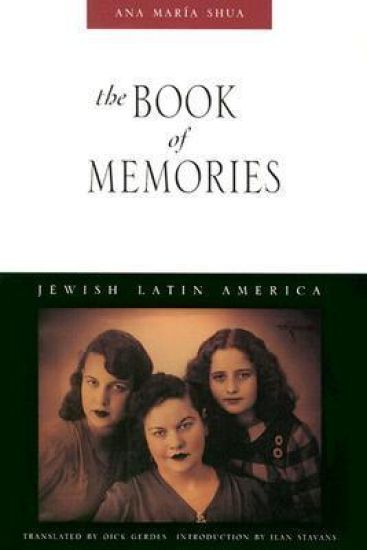
Originally published in Spanish in 1994, this is a humorous yet moving exploration of a Jewish family's history, as seen through the eyes of three generations of women.
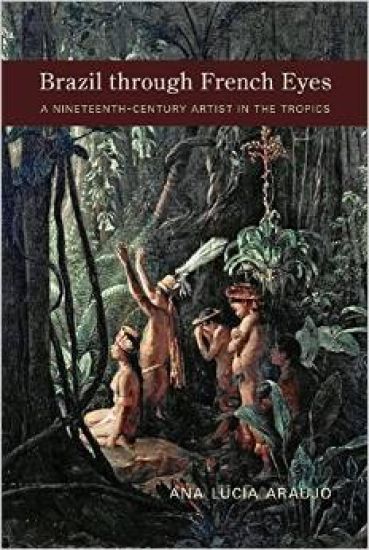
In 1858 François-Auguste Biard, a well-known sixty-year-old French artist, arrived in Brazil to explore and depict its jungles and the people who lived there. What did he see and how did he see it? In this book historian Ana Lucia Araujo examines Biard’s Brazil with special attention to what she calls his “tropical romanticism”: a vision of the country with an emphasis on the exotic.Biard was not only one of the first European artists to encounter and depict native Brazilians, but also one of the first travelers to photograph the rain forest and its inhabitants. His 1862 travelogue Deux années en Brésil includes 180 woodcuts that reveal Brazil’s reliance on slave labor as well as describe the landscape, flora, and fauna, with lively narratives of his adventures and misadventures in the rain forest. Thoroughly researched, Araujo places Biard’s work in the context of the European travel writing of the time and examines how representations of Brazil through French travelogues contributed and reinforced cultural stereotypes and ideas about race and race relations in Brazil. She further summarizes that similar representations continue and influence perspectives today.
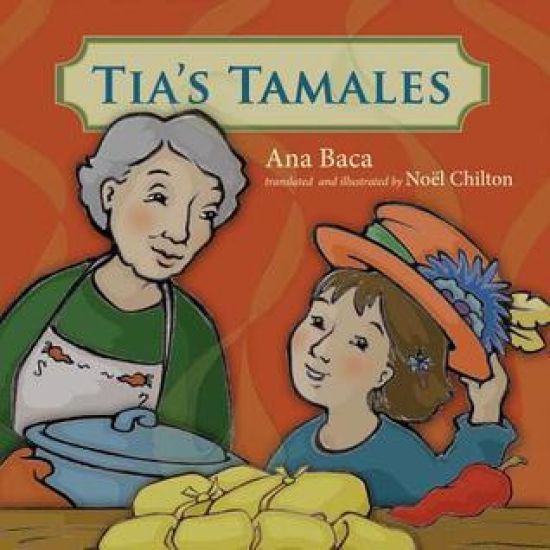
Ana Baca's bilingual tale of how two children from different generations learn to make their family recipe for tamales will delight readers of her earlier picture books that combine folklore and traditional cuisine. Luz's school day is cancelled because of snow and her abuela decides it's the perfect time to teach her to make tamales, just as Abuela's father, Diego, was taught by his tía on a long-ago winter day. As Abuela tells it, when Tía showed up unexpectedly at Diego's home, the pantry was almost bare, with only a few dried squash, two pumpkins, three onions, a bundle of dried corn, and one red chile ristra on the shelves. Diego didn't think they'd be able to do much with such meager ingredients, but by the end of the afternoon, Tía had taught him that with laughter and a little embellishment, a delicious meal can be made from almost nothing. Winner of the 2011 New Mexico Book Award
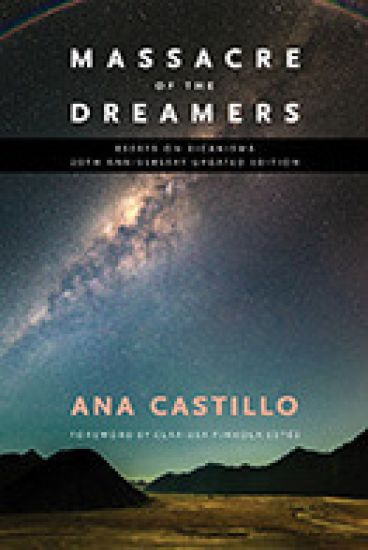
Gustavus Myers Outstanding Book Award from the Gustavus Myers centre for the Study of Bigotry and Human Rights.This new edition of an immensely influential book gives voice to Mexic Amerindian women silenced for hundreds of years by the dual censorship of being female and indigenous. Castillo replaced the term “Chicana feminism” with “Xicanisma” to include mestiza women on both sides of the border. In history, myth, interviews, and ethnography Castillo revisits her reflections on Chicana activism, spiritual practices, sexual attitudes, artistic ideology, labor struggles, and education-related battles. Her book remains a compelling document, enhanced here with a new afterword that reexamines the significance of Our Lady of Guadalupe.
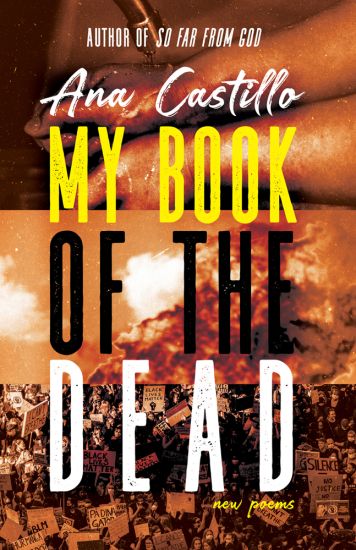
For more than thirty years, Ana Castillo has been mesmerizing and inspiring readers from all over the world with her passionate and fiery poetry and prose. Now the original Xicanista is back to her first literary love, poetry, and to interrogating the social and political upheaval the world has seen over the last decade. Angry and sad, playful and wise, Castillo delves into the bitter side of our world--the environmental crisis, COVID-19, ongoing systemic racism and violence, children in detention camps, and the Trump presidency--and emerges stronger from exploring these troubling affairs of today. Drawings by Castillo created over the past five years are featured throughout the collection and further showcase her connection to her work as both a writer and a visual artist. My Book of the Dead is a remarkable collection that features a poet at the height of her craft.
For more than thirty years, Ana Castillo has been mesmerizing and inspiring readers from all over the world with her passionate and fiery poetry and prose. Now the original Xicanista is back to her first literary love, poetry, and to interrogating the social and political upheaval the world has seen over the last decade. Angry and sad, playful and wise, Castillo delves into the bitter side of our world - the environmental crisis, COVID-19, ongoing systemic racism and violence, children in detention camps, and the Trump presidency - and emerges stronger from exploring these troubling affairs of today. Drawings by Castillo created over the past five years are featured throughout the collection and further showcase her connection to her work as both a writer and a visual artist. My Book of the Dead is a remarkable collection that features a poet at the height of her craft.
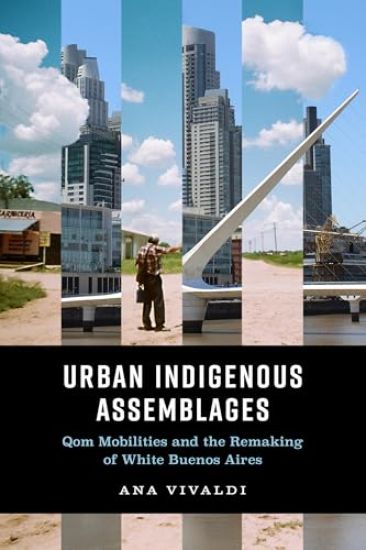
Over the past two decades, Latin American politicians and activists have reckoned with their nations' histories of racism, forced displacement of native peoples, and inequality by embracing Indigenous communities. In Argentina--a nation long fixated on presenting itself as "white" and "European"--this shift has been dramatic. After decades of erasure and racism toward Indigenous peoples, Argentinian politicians are now presenting Indigenous groups as central to the country's culturally plural and multi-racial identity. In Urban Indigenous Assemblages, Vivaldi considers how Argentina's urban Indigenous population fits into this recent political and social movement. To do this, she focuses on how the Qom Indigenous people--whose traditional territories are in the north of Argentina--have moved to Buenos Aires, made homes in shantytowns alongside other migrants, and remade urban space by building Indigenous lives in the city. Starting from a Qom barrio in Greater Buenos Aires, Vivaldi traces how Qom peoples' travels to rural communities and movement across the city create complex networks and produce an urban life always in connection to other places. She argues that urban racialized indigeneities represent sites of contradictory relations visible and invisible to state actors and hyper-visible to development agencies, as the Qom are expected to prove their authenticity and remove themselves from important relationships with nonwhite neighbors to access rights and recognition. Based on eighteen months of fieldwork, the book's five chapters analyze the historical process that created the barrio: the constant remaking of this Indigenous space in interaction with state institutions and NGOs, the links between the barrio and the northern Argentina through travels "far out" to rural communities in the Chaco, and the expansion of "Indigenous territories" beyond bounded location.