
Kirjahaku
Etsi kirjoja tekijän nimen, kirjan nimen tai ISBN:n perusteella.
1000 tulosta hakusanalla April Sinclair

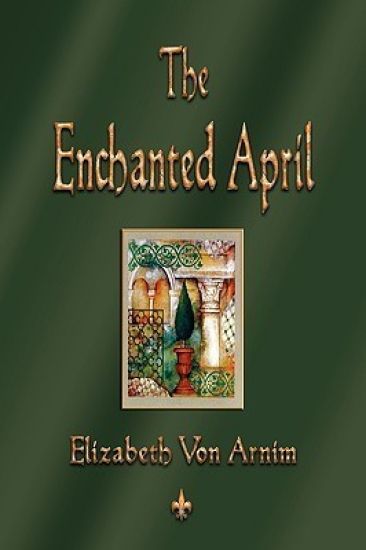
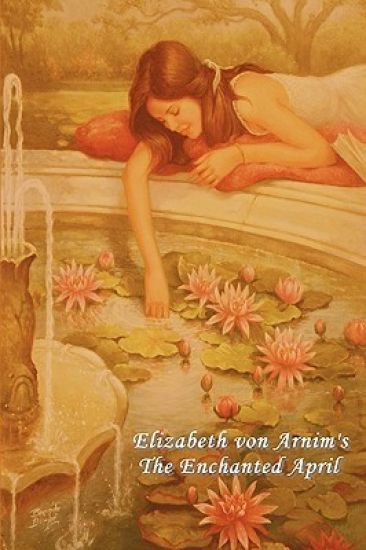

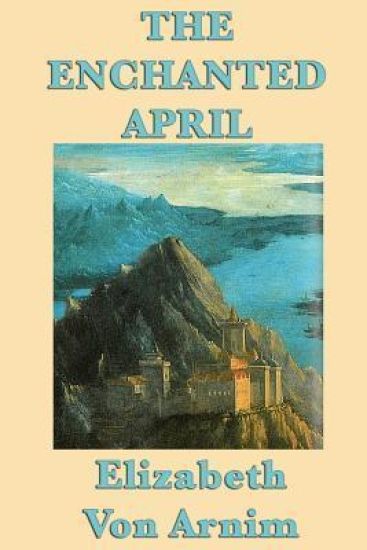

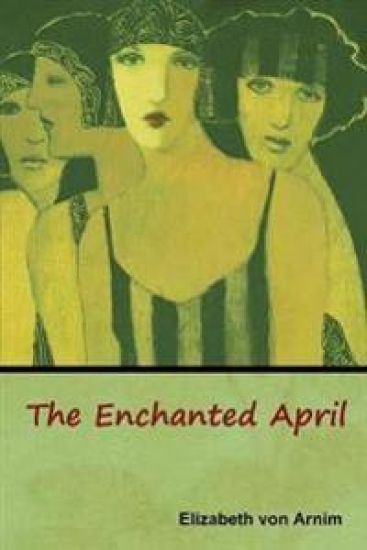
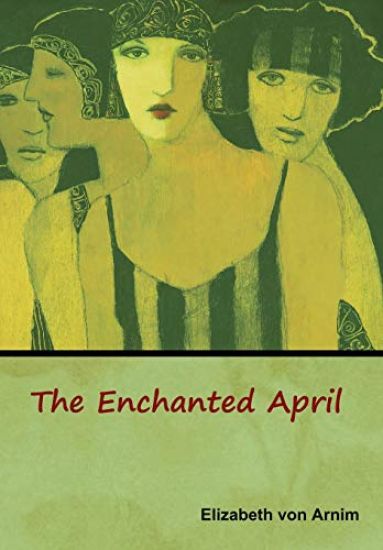
Elizabeth von Arnim (31 August 1866 - 9 February 1941), born Mary Annette Beauchamp, was an Australian born British novelist. By marriage she became Gr fin (Countess) von Arnim-Schlagenthin, and by a second marriage, Countess Russell. Although known in her early life as May, "after the publication of her first book, she was known to her readers, eventually to her friends, and finally even to her family as Elizabeth." and she is now invariably referred to as Elizabeth von Arnim. She also wrote under the pen name Alice Cholmondeley.She was born in Kirribilli Point (today part of Sydney), Australia. When she was three years old the family returned to England where she was raised. Her parents were Henry Herron Beauchamp (1825-1907), merchant, and her mother Elizabeth (Louey) Weiss Lassetter (1836-1919). Arnim had four brothers, a sister and an adopted cousin from New Zealand, Kathleen Beauchamp, who later married John Middleton Murray and wrote under the pen name Katherine Mansfield.In 1898 she started her literary career by publishing Elizabeth and Her German Garden, a semi-autobiographical novel about a rural idyll published anonymously and, as it turned out to be highly successful, reprinted 20 times within the first year. Von Arnim wrote another 20 books, which were all published "By the author of Elizabeth and Her German Garden". The Enchanted April is a 1922 novel by Elizabeth von Arnim. It was made into an RKO Radio movie in 1935, and a second adaptation, directed by Mike Newell, was released in 1992. The 1992 release received several Golden Globe and Academy Award nominations. A Tony Award-nominated stage play by Matthew Barber, also adapted from the novel, was presented on Broadway in 2003.Elizabeth von Arnim's novel tells the story of four dissimilar women in 1920s England who leave their damp and rainy environs to go on a holiday to a secluded coastal castle in Italy. Mrs Arbuthnot and Mrs Wilkins, who belong to the same ladies' club but have never spoken, become acquainted after reading an advertisement for villas for rent in a newspaper. They find some common ground in that both are struggling to make the best of unhappy marriages. Having decided to seek other ladies to help share expenses, they reluctantly take on the waspish, elderly Mrs Fisher and the stunning, but aloof, Lady Caroline Dester. The four women come together at the castle and find rejuvenation in the tranquil beauty of their surroundings, rediscovering hope and love. (wikipedia.org)
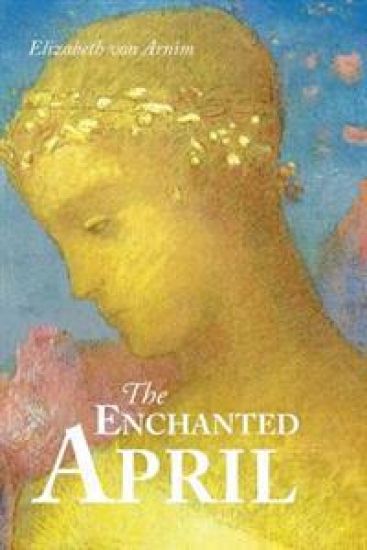
Elizabeth von Arnim (31 August 1866 - 9 February 1941), born Mary Annette Beauchamp, was an Australian born British novelist. By marriage she became Gr fin (Countess) von Arnim-Schlagenthin, and by a second marriage, Countess Russell. Although known in her early life as May, "after the publication of her first book, she was known to her readers, eventually to her friends, and finally even to her family as Elizabeth." and she is now invariably referred to as Elizabeth von Arnim. She also wrote under the pen name Alice Cholmondeley.She was born in Kirribilli Point (today part of Sydney), Australia. When she was three years old the family returned to England where she was raised. Her parents were Henry Herron Beauchamp (1825-1907), merchant, and her mother Elizabeth (Louey) Weiss Lassetter (1836-1919). Arnim had four brothers, a sister and an adopted cousin from New Zealand, Kathleen Beauchamp, who later married John Middleton Murray and wrote under the pen name Katherine Mansfield.In 1898 she started her literary career by publishing Elizabeth and Her German Garden, a semi-autobiographical novel about a rural idyll published anonymously and, as it turned out to be highly successful, reprinted 20 times within the first year. Von Arnim wrote another 20 books, which were all published "By the author of Elizabeth and Her German Garden". The Enchanted April is a 1922 novel by Elizabeth von Arnim. It was made into an RKO Radio movie in 1935, and a second adaptation, directed by Mike Newell, was released in 1992. The 1992 release received several Golden Globe and Academy Award nominations. A Tony Award-nominated stage play by Matthew Barber, also adapted from the novel, was presented on Broadway in 2003.Elizabeth von Arnim's novel tells the story of four dissimilar women in 1920s England who leave their damp and rainy environs to go on a holiday to a secluded coastal castle in Italy. Mrs Arbuthnot and Mrs Wilkins, who belong to the same ladies' club but have never spoken, become acquainted after reading an advertisement for villas for rent in a newspaper. They find some common ground in that both are struggling to make the best of unhappy marriages. Having decided to seek other ladies to help share expenses, they reluctantly take on the waspish, elderly Mrs Fisher and the stunning, but aloof, Lady Caroline Dester. The four women come together at the castle and find rejuvenation in the tranquil beauty of their surroundings, rediscovering hope and love. (wikipedia.org)

Flavia Albia is the adopted daughter of Marcus Didius Falco and Helena Justina. From her mother, she learned how to blend in at all levels of society; from her father, she learned the tricks of their mutual professional trade. But her wits and (frequently) sharp tongue are hers alone. Now, working as a private informer in Rome during the reign of Domitian, Flavia has taken over her father's old ramshackle digs at Fountain Court in the Surbura district, where she plies her trade with energy, determination, and the usual Falco luck. Recently hired to help investigate a fatal accident, she finds herself stuck with a truly awful person for a client and facing a well-heeled, well-connected opponent. That is, until her client unexpectedly dies under what might be called suspicious circumstances. While this is not a huge loss for society, it is a loss for Flavia Albia's pocket. Even worse, it's just one of a series of similar deaths for which she now finds herself under suspicion. Before things go from abysmal to worse, Flavia must sort out what is happening, and who is responsible.

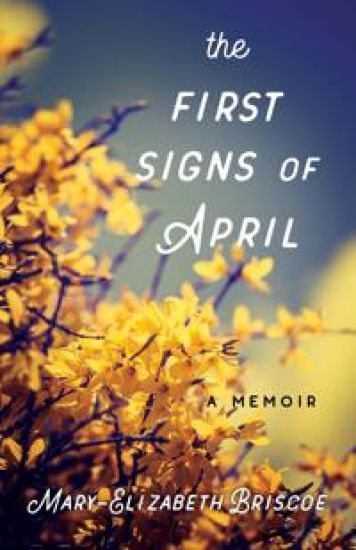
Wounds fester and spread in the darkness of silence. The First Signs of April, explores the destructive patterns of unresolved grief and the importance of connection for true healing to occur. The narrative weaves through time to explore grief reactions to two very different losses: suicide and cancer.

Kosei Arima was a piano prodigy until his cruel taskmaster of a mother died suddenly, changing his life forever. Driven by his pain to abandon piano, Kosei now lives in a monotonous, colourless world. Having resigned himself to a bland life, he is surprised when he meets Kaori Miyazono, a violinist with an unorthodox style. Can she bring Kosei back to music, and back to life?

Kosei Arima was a piano prodigy until his cruel taskmaster of a mother died suddenly, changing his life forever. Driven by his pain to abandon piano, Kosei now lives in a monotonous, colourless world. Having resigned himself to a bland life, he is surprised when he meets Kaori Miyazono, a violinist with an unorthodox style. Can she bring Kosei back to music, and back to life?

Kosei Arima was a piano prodigy until his cruel taskmaster of a mother died suddenly, changing his life forever. Driven by his pain to abandon piano, Kosei now lives in a monotonous, colourless world. Having resigned himself to a bland life, he is surprised when he meets Kaori Miyazono, a violinist with an unorthodox style. Can she bring Kosei back to music, and back to life?

Kosei Arima was a piano prodigy until his cruel taskmaster of a mother died suddenly, changing his life forever. Driven by his pain to abandon piano, Kosei now lives in a monotonous, colourless world. Having resigned himself to a bland life, he is surprised when he meets Kaori Miyazono, a violinist with an unorthodox style. Can she bring Kosei back to music, and back to life?