
Kirjahaku
Etsi kirjoja tekijän nimen, kirjan nimen tai ISBN:n perusteella.
1000 tulosta hakusanalla Charles F. Dunbar

Star Sailor: My Life as a NASA Astronaut
Charles F. Bolden; Tonya Bolden
Candlewick Press (MA)
2024
sidottu
Space science and shared humanity shine as the first Black head of NASA offers an up-close and thrilling account of his shuttle missions, including some of the defining moments of NASA's history. With immersive full-color photos. Sail the stars with astronaut Charlie Bolden as he recounts his amazing shuttle missions, including deploying the Hubble Space Telescope, training with Sally Ride, and leading the first US space mission that included a Russian cosmonaut as a crew member. Charlie even got to congratulate Star Wars creator George Lucas at the Academy Awards--from space Follow Charlie's incredible story, from watching movies as a kid about Flash Gordon flying to Mars--from the balcony where Black people had to sit--all the way to becoming the first Black NASA Administrator. From the thrill of watching lightning storms from the mesosphere to the heartbreak of the Challenger disaster, Charles's life as a star sailor is full of adventure and discovery, told in his own words along with award-winning author Tonya Bolden. In-depth looks at how astronauts train, work, and live are complemented by diagrams, highlighted vocabulary, scientific sidebars, and incredible personal photographs. Back matter includes an author's note and timeline.

Star Sailor: My Life as a NASA Astronaut
Charles F. Bolden; Tonya Bolden
Candlewick Press (MA)
2025
nidottu
"An important and inspiring astronaut memoir." --Kirkus Reviews Sail the stars with astronaut Charlie Bolden as he recounts his amazing shuttle missions, including deploying the Hubble Space Telescope, training with Sally Ride, and leading the first US space mission that included a Russian cosmonaut as a crew member. Charlie even got to congratulate Star Wars creator George Lucas at the Academy Awards--from space Follow Charlie's incredible story, from watching movies as a kid about Flash Gordon flying to Mars--from the balcony where Black people had to sit--all the way to becoming the first Black NASA Administrator. From the thrill of watching lightning storms from the mesosphere to the heartbreak of the Challenger disaster, Charles's life as a star sailor is full of adventure and discovery, told in his own words along with award-winning author Tonya Bolden. In-depth looks at how astronauts train, work, and live are complemented by diagrams, highlighted vocabulary, scientific sidebars, and incredible personal photographs. Back matter includes an author's note and timeline.
Nifty Experiential Learning Exercises For Building Powerful Teams
Charles F. Martinetz
Createspace Independent Publishing Platform
2017
nidottu

Las Vegas Restaurant Guide 2017: Best Rated Restaurants in Las Vegas, Nevada - 500 Restaurants, Bars and Cafés recommended for Visitors, 2017
Charles F. Wharton
Createspace Independent Publishing Platform
2016
nidottu
Calc Hero: Ultimate Infusion Calculation Mastery
Charles F. Swearingen
Createspace Independent Publishing Platform
2016
nidottu

ABG Hero: Dominating the pH Interpretation
Charles F. Swearingen
Createspace Independent Publishing Platform
2016
nidottu
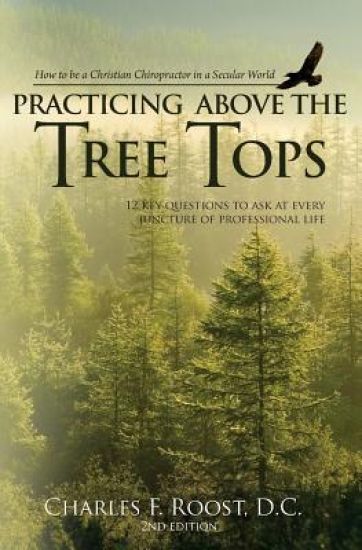
Practicing Above the Tree Tops: 12 Key Questions to Ask at Ever Juncture of Professional Life
Charles F. Roost D. C.
Createspace Independent Publishing Platform
2017
nidottu
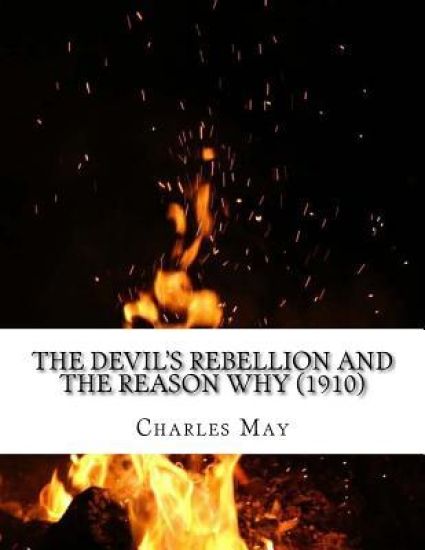
The Devil's Rebellion and the Reason Why (1910)
Charles F. May
Createspace Independent Publishing Platform
2017
nidottu
This book is a reprint of the original scan, due to its age it may occasionally contain slight imperfections such as margin errors, notes on pages, marks, Blurred pages or low resolution images. We have done everything in our power to conserve the history and culture of the book. Please refer to the look inside option. Tell me, if there was any sunshine, When this old world of ours was made, Why the architect of all the worlds Put into ours so much of shade? Come, answer at the bar of reason, For I would know the reason why, If we are made in God's own image, Canst tell me why we all must die? Tell me about the heathen nations Who do not know the living God; They who never heard of Jesus Christ, Must they all saps beneath the rod? If God is love and full of mercy What thinkest thou, or can you tell, Will it serve the ends of justice best To leave the heathen all in hell? Or, is there provision in God's great plan For the just heathen man to be, When the dead of every clime are raised, A part of His great company? Then, if this be true, why did God send His Son to die upon the tree? Or, if there are degrees in heaven, What will their cro'wns of glory be?
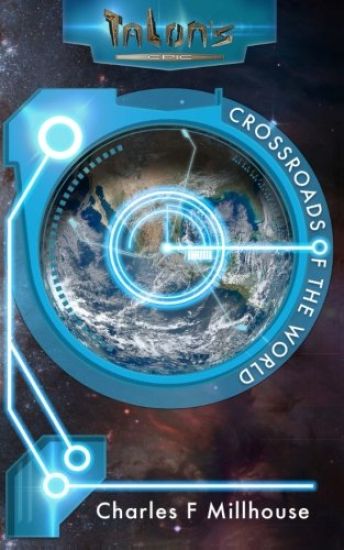
Crossroads of the World: Talon's Epic Book 2
Charles F. Millhouse
Createspace Independent Publishing Platform
2017
nidottu

Tales of the Lost Empire: Talon's Epic Book 3
Charles F. Millhouse
Createspace Independent Publishing Platform
2017
nidottu
The pieces are falling into place. "In Memory Alone" was just the beginning. After discovering the library of Polar the ship builder on the barren world of Vor'oshaven, and rescuing prisoners from the planet Cassess O'Learvs in "Crossroads of the World". Jeremiah is ready to take the next step. He has a ship and a crew, now he needs weapons. Aqualon: The "Tales of the Lost Empire," entice Jeremiah and fill his thoughts of wonder and excitement. The fables of the dead kingdom are told as bed time stories across the galaxy. Yet every story has a hint of truth. The people of the lost Empire were believed to be warriors of sound and shadow and wield weapons of devastation and dismay. Weapons desperately needed if Jeremiah is to wage war against the Hy'dirian Citadel and free the broken planets in their grip. As the third chapter in Talon's Epic begins, Jeremiah and his freedom fighters fall victim to the history of Aqualon and each are subjugated to the terrors of the planets past. Separated, tested and studied, Jeremiah must prove his good intentions to the planet's custodian. That the use of Aqualon's technologies will be used for the purpose intended: The defeat of the Citadel. With time running out and his very existence on the line Jeremiah comes face to face with the idea that he and his crew will be trapped - prisoners forever in Aqualon's twisted past, while the Citadel runs amok, waging war and destruction on an even wider scale.
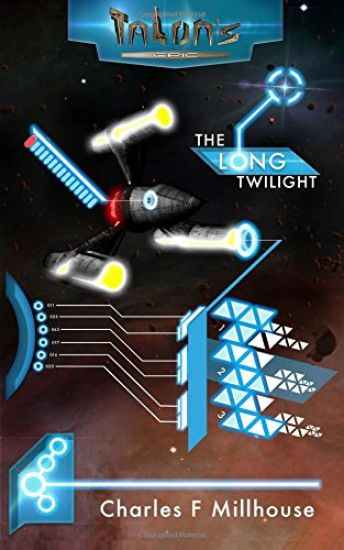
The Long Twilight: Talon's Epic Book 4
Charles F. Millhouse
Createspace Independent Publishing Platform
2017
nidottu
Tracing My Letters: Tracing My Letters
Charles F. Dashiell; Moneshia Dashiell
Createspace Independent Publishing Platform
2017
nidottu
Battle Lines: Talon's Epic Book 5
Charles F. Millhouse
Createspace Independent Publishing Platform
2017
nidottu
Tracing My Numbers: Tracing My Numbers
Charles F. Dashiell; Moneshia Dashiell
Createspace Independent Publishing Platform
2017
nidottu
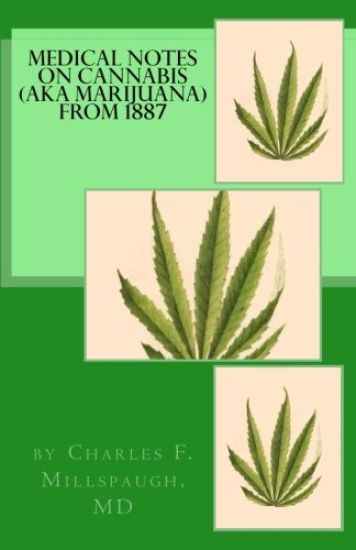
Medical Notes On Cannabis (aka Marijuana) From 1887
Charles F Millspaugh
Createspace Independent Publishing Platform
2017
pokkari
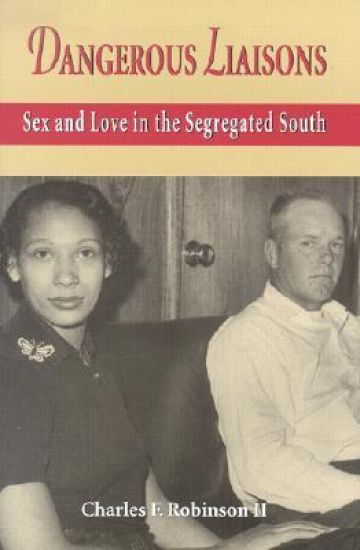
In the tumultuous decades after the Civil War, as the southern white elite reclaimed power, “racial mixing” was the central concern of segregationists who strove to maintain “racial purity.” Segregation—and race itself—was based on the idea that interracial sex posed a biological threat to the white race. In this groundbreaking study, Charles Robinson examines how white southerners enforced anti-miscegenation laws. His findings challenge conventional wisdom, documenting a pattern of selective prosecution under which interracial domestic relationships were punished even more harshly than transient sexual encounters. Robinson shows that the real crime was to suggest that black and white individuals might be equals, a notion which undermined the legitimacy of the economic, political, and social structure of white male supremacy.Robinson examines legal cases from across the South, considering both criminal prosecutions brought by states and civil disputes over marital and family assets. He also looks at U.S. Supreme Court decisions, debates in state legislatures, comments in the U.S. Congressional Record, and newspaper editorials. He not only shows the hardening of racial categories but assesses the attitudes of African Americans about anti-miscegenation laws and intermarriage. The epilogue concerns “The Demise of Anti-miscegenation Law” including the case of Richard and Mildred Loving.Dangerous Liaisons vividly documents the regulation of intimacy and its fundamental role in the construction of race.
In the tumultuous decades after the Civil War, as the southern white elite reclaimed power, ""racial mixing"" was the central concern of segregationists who strove to maintain ""racial purity."" Segregation - and race itself - was based on the idea that interracial sex posed a biological threat to the white race. In this groundbreaking study, Charles Robinson examines how white southerners enforced anti-miscegenation laws. His findings challenge conventional wisdom, documenting a pattern of selective prosecution under which interracial domestic relationships were punished even more harshly than transient sexual encounters. Robinson shows that the real crime was to suggest that black and white individuals might be equals, a notion which undermined the legitimacy of the economic, political, and social structure of white male supremacy. Robinson examines legal cases from across the South, considering both criminal prosecutions brought by states and civil disputes over marital and family assets. He also looks at U.S. Supreme Court decisions, debates in state legislatures, comments in the U.S. Congressional Record, and newspaper editorials. He not only shows the hardening of racial categories but assesses the attitudes of African Americans about anti-miscegenation laws and intermarriage. Dangerous Liaisons vividly documents the regulation of intimacy and its fundamental role in the construction of race.