
Kirjahaku
Etsi kirjoja tekijän nimen, kirjan nimen tai ISBN:n perusteella.
1000 tulosta hakusanalla David M Pack
Sketches Of The Poetical Literature Of The Past Half-Century (1856)
David M. Moir
KESSINGER PUBLISHING, LLC
2008
sidottu
Cancer Emergencies, Part II, An Issue of Emergency Medicine Clinics
David M. Spiro; Mohamud Daya
W B Saunders Co Ltd
2009
sidottu
Doctors Daya and Spiro concluded the two part series on Cancer Emergencies with articles on: "GI Bleeding," "Hepatic Encephalopathy," "Bleeding diatheses, Disseminated intravascular coagulation," "Hyperviscosity syndrome, Polycythemia, Hyperleukocytosis, Thrombocytosis," and more!
Cancer Emergencies, An Issue of Hematology/Oncology Clinics of North America
David M. Spiro; Mohamud Daya; Charles Thomas
W B Saunders Co Ltd
2010
sidottu
This issue provides the reader with a summary of evidence-based therapies of how to manage emergency care for cancer disorders. Articles are dedicated to specific presentation syndromes, such as malignant epidural spinal cord compression, superior vena cava syndrome, and airway obstruction. These reviews update the reader on evidence-based therapies for these entities and highlight the emerging role of stent therapies. This issue also includes articles dealing with the neurological, renal, and metabolic (electrolyte and adrenal) emergencies encountered in the cancer patient. Also addressed are selected gastrointestinal presentations commonly encountered in cancer patients, such as the acute abdomen, gastrointestinal bleeding, and hepatic encephalopathy. The issue concludes with several articles dedicated to hematologic considerations including venous thrombosis, acquired bleeding disturbances, and myeloproliferative/hyperviscosity syndromes.

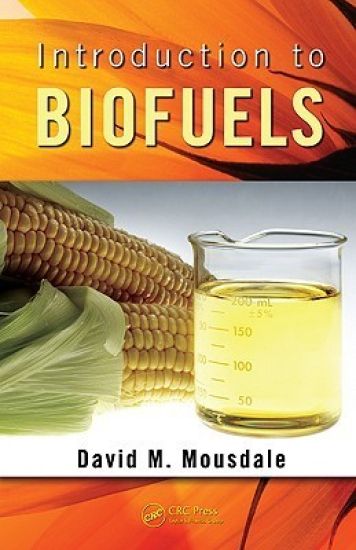
What role will biofuels play in the scientific portfolio that might bring energy independence and security, revitalize rural infrastructures, and wean us off of our addiction to oil? The shifting energy landscape of the 21st century, with its increased demand for renewable energy technology, poses a worrying challenge. Discussing the multidisciplinary study of bioenergy and its potential for replacing fossil fuels in the coming decades, Introduction to Biofuels provides a roadmap for understanding the broad sweep of technological, sociological, and energy policy issues that intermingle and intertwine.Copiously illustrated and with numerous examples, this book explores key technologies, including biotechnology, bioprocessing, and genetic reprogramming of microorganisms. The author examines the future of biofuels from a broader perspective, addressing the economic, social, and environmental issues crucial for studying the sustainable development of bioenergy. Each chapter begins with questions and provides the answers later in the chapter as key informational points. Embedded Science, Technology, Engineering, and Math (STEM) sections provide detailed derivations and equations for a subset of topics that can be found easily as buzzwords in popular media and on web sites. Together, the STEM topics form a thread of essential technologies and a guide to how researchers have established quantitative parameters that are crucial to the ever-growing biofuels database.With so much information scattered throughout the literature, it is often difficult to make sense of what is real and what is an optimistic selling of ideas with no scientific credibility. This book does an excellent job of filtering through volumes of data, providing a historical perspective on which to anchor the information, and outlining the strengths and constraints of the different biofuels.
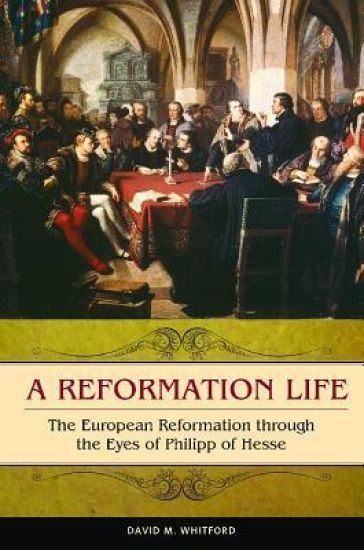
This title presents the European Reformation as seen through the life of an important but little-known participant—Philipp of Hesse, a nobleman who became a Reformation leader in Germany.The Reformation was the most cataclysmic event in Western Christianity. An ideal resource for undergraduate history students and general readers, this title provides an accessible human narrative through the complex events of the period that many find bewildering. History comes alive and events unfold through the eyes of Philipp of Hesse, a German nobleman who ascended to becoming a key Reformation leader.The book begins with a detailed survey of the Holy Roman Empire at the turn of the 16th century and provides chronological coverage of Philipp's life and role in the Reformation through to after his death in 1567, after which Calvinism rose within the empire. The chapters document how Philipp of Hesse knew every major figure of the German Reformation; participated in every major Reformation-era imperial diet; was present at every important event in the Lutheran-dominated, foundational period of 1521 to 1555; and became a leading Lutheran prince in the Holy Roman Empire. Additionally, the work thoroughly documents the connections between religion, politics, and society and explains the important role of the German nobility in the development of the Reformation.

Christianity in the Later Roman Empire: A Sourcebook
David M. Gwynn
Bloomsbury Academic USA
2014
nidottu
This sourcebook gathers into a single collection the writings that illuminate one of the most fundamental periods in the history of Christian Europe. Beginning from the Great Persecution of Diocletian and the conversion of Constantine the first Christian Roman emperor, the volume explores Christianity’s rise as the dominant religion of the Later Roman empire and how the Church survived the decline and fall of Roman power in the west and converted the Germanic tribes who swept into the western empire. These years of crisis and transformation inspired generations of great writers, among them Eusebius of Caesarea, Ammianus Marcellinus, Julian ‘the Apostate’, Ambrose of Milan, John Chrysostom, Jerome and Augustine of Hippo. They were also years which saw Christianity face huge challenges on many crucial questions, from the evolution of Christian doctrine and the rise of asceticism to the place of women in the early Church and the emerging relationship between Church and state. All these themes will be made accessible to specialists and general readers alike, and the sourcebook will be invaluable for students and teachers of courses in history and church history, the world of late antiquity, and religious studies.