
Kirjahaku
Etsi kirjoja tekijän nimen, kirjan nimen tai ISBN:n perusteella.
1000 tulosta hakusanalla Elizabeth Ferrars

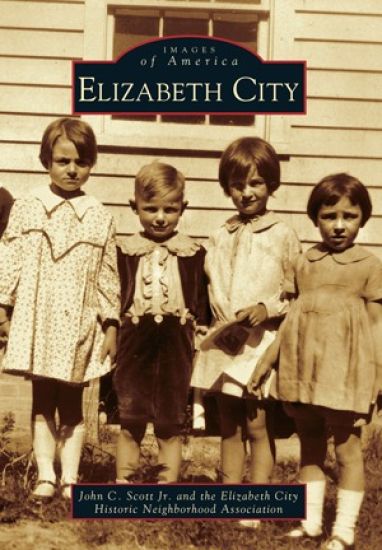
Elizabeth (Revised)
Jean-Rae Turner; Richard T Koles
Arcadia Publishing Library Editions
2004
sidottu

There was one book, Walk of Life, published by Zoya Schmuter, MD, back in 2012, a collection of stories and essays covering travel experiences, various places of life, and unusual adventures. The new book is essentially continuation of that previous by offering a various stories, including travel to Italy and Israel, emigration from Nazi Germany and Soviet Union, and even adventure of the semi-wild cat Habib. Elizabeth story, the longest, describes the friendship of the author with Holocaust survivor, 103 years old woman escaping young from Nazi Germany, her life in Germany before WWII and after emigration. The author presents comparison of the young years of the Jewish woman in Germany with the author own childhood in the Soviet Union during and after the war. From Tuscany to Rome is a travel story with unique Untour company, that describes two weeks' vacation in Italy, staying in local apartments and observing places and live of this old and vibrant country. A River Cruise on Danube is the description of visits to some Eastern European countries (Chech, Hungary, Austria, Slovakia) which awake the author feelings about participation of these countries in WWII. Habib is a touchy and loving story of a semi-wild cat and his relationship with his masters, the author's family, deeply in love with their animals.

Elizabeth Magic Garden Coloring Book
Joanie Boney
Createspace Independent Publishing Platform
2016
nidottu
Cranford, by Elizabeth Gaskell novel (Oxford World's Classics): Cranford is one of the better-known novels of the 19th-century English writer Elizabet
Elizabeth Cleghorn Gaskell
Createspace Independent Publishing Platform
2016
nidottu
Round the Sofa (1859), by Elizabeth Gaskell complete volume 1, and 2: novel (original version)
Elizabeth Cleghorn Gaskell
Createspace Independent Publishing Platform
2016
nidottu
The narrator, Miss Greatorex, is invited to join a party of friends who meet on a weekly basis 'round the sofa' in Mrs Dawson's house. When Mrs Dawson mentions her cousin Lady Ludlow, Miss Greatorex wants to find out more about her and the storytelling begins.Round the Sofa is not really a story. It is a vehicle to contain short stories. The narrator is invited to the home of a sickly invalid for weekly gatherings where each person in the circle takes turns telling a story. Round the Sofa is not really a story. It is a vehicle to contain short stories. The narrator is invited to the home of a sickly invalid for weekly gatherings where each person in the circle takes turns telling a story. The first short story is "My Lady Ludlow" which I'd already read, but listening to it here gives context to who the narrator is and helps to give context to the story. The next story is "An Accursed Race" which is really and academic history of a persecuted people called the Cagots. I have no idea who these people are and still don't after reading this story except that they lived in Europe and were ill treated in similar ways to Jews or other minorities. The third story is "The Doom of the Griffiths". A curse follows that Griffiths family in which the son of the 8th generation is supposed to kill his father. The way in which the curse is realized is well told. The fourth story is "Half a Life-Time Ago" is the story of Susan who in her youth has a chance for love, but must give it up to care for her family. She ends up old and lonely, but has amassed riches which ultimately bless others. The fifth story is "The Poor Clare" which tells the story of a supposed witch. The narrator discovers her history and the origin of a curse she places. The story explores how bitterness can canker our soul, but forgiveness can liberate. The final story is "The Half-Brothers" tells of two brothers - one who is loved and spoiled and the other who is misunderstood and poorly treated. It tells of an act of selfless love. Overall, I enjoyed the stories. Some are better than others, but Gaskell proves that she is incredible at writing characters who are believable and situations that tug at one's emotions Elizabeth Cleghorn Gaskell, (n e Stevenson, 29 September 1810 - 12 November 1865), often referred to as Mrs Gaskell, was an English novelist and short story writer during the Victorian era. Her novels offer a detailed portrait of the lives of many strata of society, including the very poor, and are of interest to social historians as well as lovers of literature. Her first novel, Mary Barton, was published in 1848. Gaskell's The Life of Charlotte Bront , published in 1857, was the first biography about Bront . Some of Gaskell's best known novels are Cranford (1851-53), North and South (1854-55), and Wives and Daughters (1865).Gaskell was born Elizabeth Cleghorn Stevenson on 29 September 1810 at 93 Cheyne Walk, Chelsea. She was the youngest of eight children; only she and her brother John survived infancy. Her father, William Stevenson, was a Scottish Unitarian minister at Failsworth, Lancashire, but resigned his orders on conscientious grounds and moved to London in 1806 with the intention of going to India after he was appointed private secretary to the Earl of Lauderdale, who was to become Governor General of India. That position did not materialise, however, and instead Stevenson was nominated Keeper of the Treasury Records. His wife, Elizabeth Holland, came from a family from the English Midlands that was connected with other prominent Unitarian families, including the Wedgwoods, the Martineaus, the Turners and the Darwins. When she died 13 months after giving birth to her youngest daughter, 1] she left a bewildered husband who saw no alternative for Elizabeth but to be sent to live with her mother's sister, Hannah Lumb, in Knutsford, Cheshire...
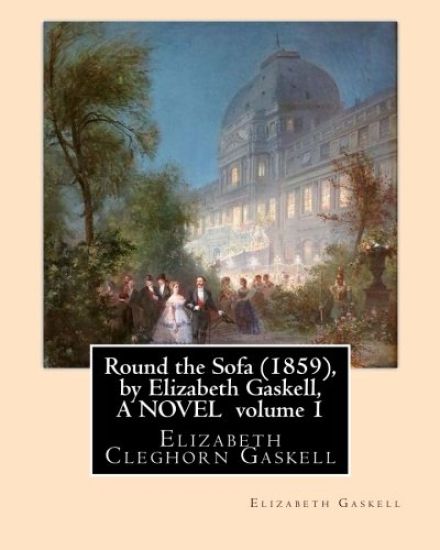
Round the Sofa (1859), by Elizabeth Gaskell, A NOVEL volume 1: Elizabeth Cleghorn Gaskell
Elizabeth Cleghorn Gaskell
Createspace Independent Publishing Platform
2016
nidottu
The narrator, Miss Greatorex, is invited to join a party of friends who meet on a weekly basis 'round the sofa' in Mrs Dawson's house. When Mrs Dawson mentions her cousin Lady Ludlow, Miss Greatorex wants to find out more about her and the storytelling begins.Round the Sofa is not really a story. It is a vehicle to contain short stories. The narrator is invited to the home of a sickly invalid for weekly gatherings where each person in the circle takes turns telling a story. Round the Sofa is not really a story. It is a vehicle to contain short stories. The narrator is invited to the home of a sickly invalid for weekly gatherings where each person in the circle takes turns telling a story. The first short story is "My Lady Ludlow" which I'd already read, but listening to it here gives context to who the narrator is and helps to give context to the story. The next story is "An Accursed Race" which is really and academic history of a persecuted people called the Cagots. I have no idea who these people are and still don't after reading this story except that they lived in Europe and were ill treated in similar ways to Jews or other minorities. The third story is "The Doom of the Griffiths". A curse follows that Griffiths family in which the son of the 8th generation is supposed to kill his father. The way in which the curse is realized is well told. The fourth story is "Half a Life-Time Ago" is the story of Susan who in her youth has a chance for love, but must give it up to care for her family. She ends up old and lonely, but has amassed riches which ultimately bless others. The fifth story is "The Poor Clare" which tells the story of a supposed witch. The narrator discovers her history and the origin of a curse she places. The story explores how bitterness can canker our soul, but forgiveness can liberate. The final story is "The Half-Brothers" tells of two brothers - one who is loved and spoiled and the other who is misunderstood and poorly treated. It tells of an act of selfless love. Overall, I enjoyed the stories. Some are better than others, but Gaskell proves that she is incredible at writing characters who are believable and situations that tug at one's emotions Elizabeth Cleghorn Gaskell, (n e Stevenson, 29 September 1810 - 12 November 1865), often referred to as Mrs Gaskell, was an English novelist and short story writer during the Victorian era. Her novels offer a detailed portrait of the lives of many strata of society, including the very poor, and are of interest to social historians as well as lovers of literature. Her first novel, Mary Barton, was published in 1848. Gaskell's The Life of Charlotte Bront , published in 1857, was the first biography about Bront . Some of Gaskell's best known novels are Cranford (1851-53), North and South (1854-55), and Wives and Daughters (1865). Gaskell was born Elizabeth Cleghorn Stevenson on 29 September 1810 at 93 Cheyne Walk, Chelsea. She was the youngest of eight children; only she and her brother John survived infancy. Her father, William Stevenson, was a Scottish Unitarian minister at Failsworth, Lancashire, but resigned his orders on conscientious grounds and moved to London in 1806 with the intention of going to India after he was appointed private secretary to the Earl of Lauderdale, who was to become Governor General of India. That position did not materialise, however, and instead Stevenson was nominated Keeper of the Treasury Records. His wife, Elizabeth Holland, came from a family from the English Midlands that was connected with other prominent Unitarian families, including the Wedgwoods, the Martineaus, the Turners and the Darwins. When she died 13 months after giving birth to her youngest daughter, she left a bewildered husband who saw no alternative for Elizabeth but to be sent to live with her mother's sister, Hannah Lumb, in Knutsford, Cheshire

Round the Sofa (1859), by Elizabeth Gaskell, A NOVEL (volume 2): Elizabeth Cleghorn Gaskell
Elizabeth Cleghorn Gaskell
Createspace Independent Publishing Platform
2016
nidottu
The narrator, Miss Greatorex, is invited to join a party of friends who meet on a weekly basis 'round the sofa' in Mrs Dawson's house. When Mrs Dawson mentions her cousin Lady Ludlow, Miss Greatorex wants to find out more about her and the storytelling begins.Round the Sofa is not really a story. It is a vehicle to contain short stories. The narrator is invited to the home of a sickly invalid for weekly gatherings where each person in the circle takes turns telling a story. Round the Sofa is not really a story. It is a vehicle to contain short stories. The narrator is invited to the home of a sickly invalid for weekly gatherings where each person in the circle takes turns telling a story. The first short story is "My Lady Ludlow" which I'd already read, but listening to it here gives context to who the narrator is and helps to give context to the story. The next story is "An Accursed Race" which is really and academic history of a persecuted people called the Cagots. I have no idea who these people are and still don't after reading this story except that they lived in Europe and were ill treated in similar ways to Jews or other minorities. The third story is "The Doom of the Griffiths". A curse follows that Griffiths family in which the son of the 8th generation is supposed to kill his father. The way in which the curse is realized is well told. The fourth story is "Half a Life-Time Ago" is the story of Susan who in her youth has a chance for love, but must give it up to care for her family. She ends up old and lonely, but has amassed riches which ultimately bless others. The fifth story is "The Poor Clare" which tells the story of a supposed witch. The narrator discovers her history and the origin of a curse she places. The story explores how bitterness can canker our soul, but forgiveness can liberate. The final story is "The Half-Brothers" tells of two brothers - one who is loved and spoiled and the other who is misunderstood and poorly treated. It tells of an act of selfless love. Overall, I enjoyed the stories. Some are better than others, but Gaskell proves that she is incredible at writing characters who are believable and situations that tug at one's emotions Elizabeth Cleghorn Gaskell, (n e Stevenson, 29 September 1810 - 12 November 1865), often referred to as Mrs Gaskell, was an English novelist and short story writer during the Victorian era. Her novels offer a detailed portrait of the lives of many strata of society, including the very poor, and are of interest to social historians as well as lovers of literature. Her first novel, Mary Barton, was published in 1848. Gaskell's The Life of Charlotte Bront , published in 1857, was the first biography about Bront . Some of Gaskell's best known novels are Cranford (1851-53), North and South (1854-55), and Wives and Daughters (1865).Gaskell was born Elizabeth Cleghorn Stevenson on 29 September 1810 at 93 Cheyne Walk, Chelsea. She was the youngest of eight children; only she and her brother John survived infancy. Her father, William Stevenson, was a Scottish Unitarian minister at Failsworth, Lancashire, but resigned his orders on conscientious grounds and moved to London in 1806 with the intention of going to India after he was appointed private secretary to the Earl of Lauderdale, who was to become Governor General of India. That position did not materialise, however, and instead Stevenson was nominated Keeper of the Treasury Records. His wife, Elizabeth Holland, came from a family from the English Midlands that was connected with other prominent Unitarian families, including the Wedgwoods, the Martineaus, the Turners and the Darwins. When she died 13 months after giving birth to her youngest daughter, she left a bewildered husband who saw no alternative for Elizabeth but to be sent to live with her mother's sister, Hannah Lumb, in Knutsford, Cheshire

Round the Sofa (1859) By: Elizabeth Gaskell
Elizabeth Gaskell
Createspace Independent Publishing Platform
2016
nidottu
Elizabeth Cleghorn Gaskell, 29 September 1810 - 12 November 1865), often referred to as Mrs Gaskell, was an English novelist and short story writer during the Victorian era. Her novels offer a detailed portrait of the lives of many strata of society, including the very poor, and are of interest to social historians as well as lovers of literature. Her first novel, Mary Barton, was published in 1848. Gaskell's The Life of Charlotte Bront , published in 1857, was the first biography about Bront . Some of Gaskell's best known novels are Cranford (1851-53), North and South (1854-55), and Wives and Daughters (1865). Gaskell was born Elizabeth Cleghorn Stevenson on 29 September 1810 at 93 Cheyne Walk, Chelsea. She was the youngest of eight children; only she and her brother John survived infancy. Her father, William Stevenson, was a Scottish Unitarian minister at Failsworth, Lancashire, but resigned his orders on conscientious grounds and moved to London in 1806 with the intention of going to India after he was appointed private secretary to the Earl of Lauderdale, who was to become Governor General of India. That position did not materialise, however, and instead Stevenson was nominated Keeper of the Treasury Records. His wife, Elizabeth Holland, came from a family from the English Midlands that was connected with other prominent Unitarian families, including the Wedgwoods, the Martineaus, the Turners and the Darwins. When she died 13 months after giving birth to her youngest daughter, she left a bewildered husband who saw no alternative for Elizabeth but to be sent to live with her mother's sister, Hannah Lumb, in Knutsford, Cheshire. While she was growing up Elizabeth's future was uncertain, as she had no personal wealth and no firm home, though she was a permanent guest at her aunt and grandparents' house. Her father married Catherine Thomson in 1814 and they had a son, William (born 1815), and a daughter, Catherine (born 1816). Although Elizabeth spent several years without seeing her father and his new family, her older brother John often visited her in Knutsford. John was destined for the Royal Navy from an early age, like his grandfathers and uncles, but he had no entry and had to join the Merchant Navy with the East India Company's fleet. 3] John went missing in 1827 during an expedition to India. Much of Elizabeth's childhood was spent in Cheshire, where she lived with her aunt Hannah Lumb in Knutsford, a town she immortalised as Cranford. They lived in a large red-brick house called Heathwaite, on Heathside (now Gaskell Avenue), which faces the large open area of Knutsford Heath. From 1821 to 1826 she attended a school run by the Miss Byerlys at Barford House, and after that Avonbank in Stratford-on-Avon where she received the traditional education in arts, the classics, decorum and propriety given to young ladies at the time. Her aunts gave her the classics to read, and she was encouraged by her father in her studies and writing. Her brother John sent her modern books, and descriptions of his life at sea and his experiences abroad.

Round the Sofa (1859) By: Elizabeth Gaskell ( VOLUME 2)
Elizabeth Gaskell
Createspace Independent Publishing Platform
2016
nidottu
Elizabeth Cleghorn Gaskell, 29 September 1810 - 12 November 1865), often referred to as Mrs Gaskell, was an English novelist and short story writer during the Victorian era. Her novels offer a detailed portrait of the lives of many strata of society, including the very poor, and are of interest to social historians as well as lovers of literature. Her first novel, Mary Barton, was published in 1848. Gaskell's The Life of Charlotte Bront , published in 1857, was the first biography about Bront . Some of Gaskell's best known novels are Cranford (1851-53), North and South (1854-55), and Wives and Daughters (1865). Gaskell was born Elizabeth Cleghorn Stevenson on 29 September 1810 at 93 Cheyne Walk, Chelsea. She was the youngest of eight children; only she and her brother John survived infancy. Her father, William Stevenson, was a Scottish Unitarian minister at Failsworth, Lancashire, but resigned his orders on conscientious grounds and moved to London in 1806 with the intention of going to India after he was appointed private secretary to the Earl of Lauderdale, who was to become Governor General of India. That position did not materialise, however, and instead Stevenson was nominated Keeper of the Treasury Records. His wife, Elizabeth Holland, came from a family from the English Midlands that was connected with other prominent Unitarian families, including the Wedgwoods, the Martineaus, the Turners and the Darwins. When she died 13 months after giving birth to her youngest daughter, she left a bewildered husband who saw no alternative for Elizabeth but to be sent to live with her mother's sister, Hannah Lumb, in Knutsford, Cheshire. While she was growing up Elizabeth's future was uncertain, as she had no personal wealth and no firm home, though she was a permanent guest at her aunt and grandparents' house. Her father married Catherine Thomson in 1814 and they had a son, William (born 1815), and a daughter, Catherine (born 1816). Although Elizabeth spent several years without seeing her father and his new family, her older brother John often visited her in Knutsford. John was destined for the Royal Navy from an early age, like his grandfathers and uncles, but he had no entry and had to join the Merchant Navy with the East India Company's fleet. 3] John went missing in 1827 during an expedition to India. Much of Elizabeth's childhood was spent in Cheshire, where she lived with her aunt Hannah Lumb in Knutsford, a town she immortalised as Cranford. They lived in a large red-brick house called Heathwaite, on Heathside (now Gaskell Avenue), which faces the large open area of Knutsford Heath. From 1821 to 1826 she attended a school run by the Miss Byerlys at Barford House, and after that Avonbank in Stratford-on-Avon where she received the traditional education in arts, the classics, decorum and propriety given to young ladies at the time. Her aunts gave her the classics to read, and she was encouraged by her father in her studies and writing. Her brother John sent her modern books, and descriptions of his life at sea and his experiences abroad.
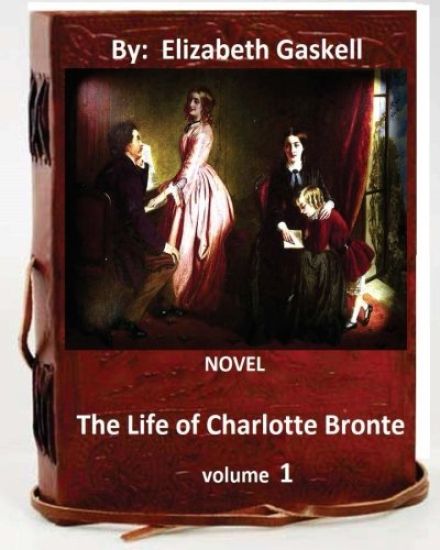
The life of Charlotte Bronte. NOVEL By: Elizabeth Gaskell ( VOLUME 1)
Elizabeth Gaskell
Createspace Independent Publishing Platform
2016
nidottu
The Life of Charlotte Bront is the posthumous biography of Charlotte Bront by fellow novelist Elizabeth Gaskell. The first edition was published in 1857 by Smith, Elder & Co.. A major source was the hundreds of letters sent by Bront to her lifelong friend Ellen Nussey. Gaskell had to deal with some sensitive issues. She toned down some of her material: in the case of her description of the Clergy Daughters' School, attended by Charlotte and her sisters, this was to avoid legal action from the Rev. William Carus Wilson, the founder of the school. The published text does not go so far as to blame him for the deaths of two Bront sisters, but even so the Carus Wilson family published a rebuttal with the title "A refutation of the statements in 'The life of Charlotte Bronte, ' regarding the Casterton Clergy Daughters' School, when at Cowan Bridge". Although quite frank in many places, Gaskell suppressed details of Charlotte's love for Constantin H ger, a married man, on the grounds that it would be too great an affront to contemporary morals and a possible source of distress to Charlotte's still-living friends, father Patrick Bront and husband. 1] She also suppressed any reference to Charlotte's romance with George Smith, her publisher, who was also publishing the biographyElizabeth Cleghorn Gaskell, 29 September 1810 - 12 November 1865), often referred to as Mrs Gaskell, was an English novelist and short story writer during the Victorian era. Her novels offer a detailed portrait of the lives of many strata of society, including the very poor, and are of interest to social historians as well as lovers of literature. Her first novel, Mary Barton, was published in 1848. Gaskell's The Life of Charlotte Bront , published in 1857, was the first biography about Bront . Some of Gaskell's best known novels are Cranford (1851-53), North and South (1854-55), and Wives and Daughters (1865). Gaskell was born Elizabeth Cleghorn Stevenson on 29 September 1810 at 93 Cheyne Walk, Chelsea. She was the youngest of eight children; only she and her brother John survived infancy. Her father, William Stevenson, was a Scottish Unitarian minister at Failsworth, Lancashire, but resigned his orders on conscientious grounds and moved to London in 1806 with the intention of going to India after he was appointed private secretary to the Earl of Lauderdale, who was to become Governor General of India. That position did not materialise, however, and instead Stevenson was nominated Keeper of the Treasury Records. His wife, Elizabeth Holland, came from a family from the English Midlands that was connected with other prominent Unitarian families, including the Wedgwoods, the Martineaus, the Turners and the Darwins. When she died 13 months after giving birth to her youngest daughter, she left a bewildered husband who saw no alternative for Elizabeth but to be sent to live with her mother's sister, Hannah Lumb, in Knutsford, Cheshire. .

On Duty and Off, Letters of Elizabeth Cabot Putnam
Elizabeth Cabot Putnam
Createspace Independent Publishing Platform
2016
nidottu

The adventures of Elizabeth in Rugen, By Elizabeth von Arnim A NOVEL (travel story)
Elizabeth Von Arnim
Createspace Independent Publishing Platform
2016
nidottu

Elizabeth and her German garden. Illustrated by Simon Harmon Vedder: by Elizabeth von Arnim and Simon Harmon Vedder (1866-1937), Professions: Painter;
Simon Harmon Vedder; Elizabeth Von Arnim
Createspace Independent Publishing Platform
2016
nidottu
Elizabeth and Her German Garden is a novel by Elizabeth von Arnim, first published in 1898; it was very popular and frequently reprinted during the early years of the 20th century.The story is a year's diary written by the protagonist Elizabeth about her experiences learning gardening and interacting with her friends. It includes commentary on the beauty of nature and on society, but is primarily humorous due to Elizabeth's frequent mistakes and her idiosyncratic outlook on life. She looked down upon the frivolous fashions of her time writing "I believe all needlework and dressmaking is of the devil, designed to keep women from study." The book is the first in a series about the same character. It is noteworthy for being published without a named author. Simon Harmon Vedder (1866-1937), Professions: Painter; Sculptor; Illustrator. Elizabeth von Arnim (31 August 1866 - 9 February 1941), born Mary Annette Beauchamp, was an Australian-born British novelist. By marriage she became Gr fin (Countess) von Arnim-Schlagenthin, and by a second marriage, Countess Russell. Although known in her early life as Mary, after the publication of her first book, she was known to her readers, eventually to her friends, and finally even to her family as Elizabeth 1] and she is now invariably referred to as Elizabeth von Arnim. She also wrote under the pen name Alice Cholmondeley.Elizabeth von Arnim (31 August 1866 - 9 February 1941), born Mary Annette Beauchamp, was an Australian-born British novelist. By marriage she became Gr fin (Countess) von Arnim-Schlagenthin, and by a second marriage, Countess Russell. Although known in her early life as Mary, after the publication of her first book, she was known to her readers, eventually to her friends, and finally even to her family as Elizabeth 1] and she is now invariably referred to as Elizabeth von Arnim. She also wrote under the pen name Alice Cholmondeley.In 1891, Elizabeth married Count Henning August von Arnim-Schlagenthin, a Prussian aristocrat, whom she had met during an Italian tour with her father. They lived in Berlin and eventually moved to the countryside where, in Nassenheide, Pomerania, the Arnims had their family estate. The couple had five children, four daughters and a son. The children's tutors at Nassenheide included E. M. Forster and Hugh Walpole.n 1908 Arnim left Nassenheide to return to London.Count von Arnim died in 1910, and later that year she moved to Randogne, Switzerland, where she built the Chalet Soleil and entertained literary and society friends.From 1910 until 1913, she was a mistress of the novelist H.G. Wells.In 1916 she married John Francis Stanley Russell, 2nd Earl Russell, elder brother of Bertrand Russell. The marriage ended in acrimony, with Elizabeth fleeing to the United States and the couple separating in 1919, although they never divorced. In 1920, she embarked on an affair with Alexander Stuart Frere Reeves (1892-1984), a British publisher nearly 30 years her junior; he later married and named his only daughter Elizabeth in her honour. After leaving Germany, she lived, variously, in London, France and Switzerland.In 1939, on the outbreak of the Second World War, she returned to the United States, where she died of influenza at the Riverside Infirmary, Charleston, South Carolina, on 9 February 1941, aged 74. She was cremated at Fort Lincoln cemetery, Maryland and in 1947 her ashes were mingled with her brother Sydney's in the churchyard of St Margaret's, Tylers Green, Penn, Buckinghamshire.The Latin inscription on her tombstone reads, parva sed apta (small but apt), alluding to her short stature.
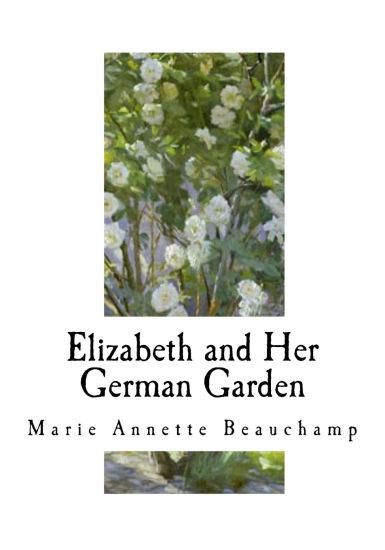
Elizabeth and Her German Garden
Elizabeth Von Arnim; Marie Annette Beauchamp
Createspace Independent Publishing Platform
2016
nidottu
Elizabeth and Her German Garden by Elizabeth AKA Marie Annette Beauchamp / Elizabeth von Arnim. Elizabeth and Her German Garden is a novel by Elizabeth von Arnim, first published in 1898; it was very popular and frequently reprinted during the early years of the 20th century. The story is a year's diary written by the protagonist Elizabeth about her experiences learning gardening and interacting with her friends. It includes commentary on the beauty of nature and on society, but is primarily humorous due to Elizabeth's frequent mistakes and her idiosyncratic outlook on life. She looked down upon the frivolous fashions of her time writing
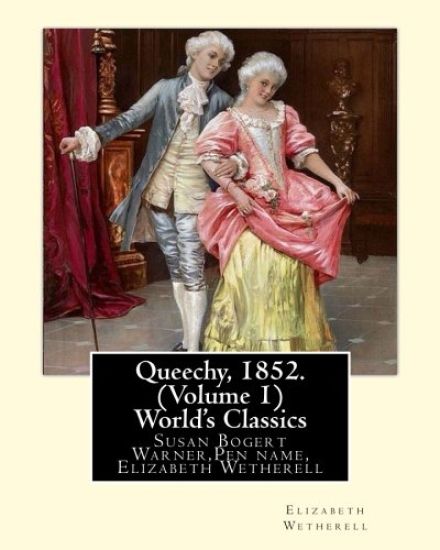
Queechy, 1852. By Susan Warner Pen name, Elizabeth Wetherell (Volume 1): Susan Bogert Warner, Pen name, Elizabeth Wetherell
Elizabeth Wetherell
Createspace Independent Publishing Platform
2016
nidottu
Susan Bogert Warner (July 11, 1819 - March 17, 1885), was an American evangelical writer of religious fiction, children's fiction, and theological works.Pen name, Elizabeth Wetherell.Born in New York City, she wrote, under the name of "Elizabeth Wetherell", thirty novels, many of which went into multiple editions. However, her first novel, The Wide, Wide World (1850), was the most popular. It was translated into several other languages, including French, German, and Dutch. Other than Uncle Tom's Cabin, it was perhaps the most widely circulated story of American authorship. Other works include Queechy (1852), The Law and the Testimony, (1853), The Hills of the Shatemuc, (1856), The Old Helmet (1863), and Melbourne House (1864). In the nineteenth century, critics admired the depictions of rural American life in her early novels. American reviewers also praised Warner's Christian and moral teachings, while London reviewers tended not to favor her didacticism. Early twentieth-century critics classified Warner's work as "sentimental" and thus lacking in literary value. In the later twentieth century, feminist critics rediscovered The Wide, Wide World, discussing it as a quintessential domestic novel and focusing on analyzing its portrayal of gender dynamics. Some of her works were written jointly with her younger sister Anna Bartlett Warner, who sometimes wrote under the pseudonym "Amy Lothrop". The Warner sisters also wrote famous children's Christian songs. Susan wrote "Jesus Bids Us Shine" while Anna was author of the first verse of the well-known children's song "Jesus Loves Me", which she wrote at Susan's request. Both sisters became devout Christians in the late 1830s. After their conversion, they became confirmed members of the Mercer Street Presbyterian church, although in later life, Warner became drawn into Methodist circles. The sisters also held Bible studies for the West Point cadets. When they were on military duty, the cadets would sing "Jesus Loves Me." The popularity of the song was so great that upon Warner's death, she was buried in the West Point Cemetery. Warner could trace her lineage back to the Puritans on both sides. Her father was Henry Warner, a New York City lawyer originally from New England, and her mother was Anna Bartlett, from a wealthy, fashionable family in New York's Hudson Square. When Warner was a young child, her mother died, and her father's sister Fanny came to live with the Warners. Although Henry Warner had been a successful lawyer, he lost most of his fortune in the Panic of 1837 and in subsequent lawsuits and poor investments. The family had to leave their mansion at St. Mark's Place in New York and move to an old Revolutionary War-era farmhouse on Constitution Island, near West Point, NY. In 1849, seeing little change in their family's financial situation, Susan and Anna started writing to earn income. Susan Warner died in Highland Falls, New York and is buried in the West Point Cemetery.

Queechy, 1852. By Susan Bogert Warner Pen name, Elizabeth Wetherell. (Volume 2): Susan Bogert Warner Pen name, Elizabeth Wetherell.(World's Classics)
Elizabeth Wetherell
Createspace Independent Publishing Platform
2016
nidottu
Susan Bogert Warner (July 11, 1819 - March 17, 1885), was an American evangelical writer of religious fiction, children's fiction, and theological works.Pen name, Elizabeth Wetherell. Born in New York City, she wrote, under the name of "Elizabeth Wetherell", thirty novels, many of which went into multiple editions. However, her first novel, The Wide, Wide World (1850), was the most popular. It was translated into several other languages, including French, German, and Dutch. Other than Uncle Tom's Cabin, it was perhaps the most widely circulated story of American authorship. Other works include Queechy (1852), The Law and the Testimony, (1853), The Hills of the Shatemuc, (1856), The Old Helmet (1863), and Melbourne House (1864). In the nineteenth century, critics admired the depictions of rural American life in her early novels. American reviewers also praised Warner's Christian and moral teachings, while London reviewers tended not to favor her didacticism. Early twentieth-century critics classified Warner's work as "sentimental" and thus lacking in literary value. In the later twentieth century, feminist critics rediscovered The Wide, Wide World, discussing it as a quintessential domestic novel and focusing on analyzing its portrayal of gender dynamics. Some of her works were written jointly with her younger sister Anna Bartlett Warner, who sometimes wrote under the pseudonym "Amy Lothrop". The Warner sisters also wrote famous children's Christian songs. Susan wrote "Jesus Bids Us Shine" while Anna was author of the first verse of the well-known children's song "Jesus Loves Me", which she wrote at Susan's request. Both sisters became devout Christians in the late 1830s. After their conversion, they became confirmed members of the Mercer Street Presbyterian church, although in later life, Warner became drawn into Methodist circles. The sisters also held Bible studies for the West Point cadets. When they were on military duty, the cadets would sing "Jesus Loves Me." The popularity of the song was so great that upon Warner's death, she was buried in the West Point Cemetery. Warner could trace her lineage back to the Puritans on both sides. Her father was Henry Warner, a New York City lawyer originally from New England, and her mother was Anna Bartlett, from a wealthy, fashionable family in New York's Hudson Square. When Warner was a young child, her mother died, and her father's sister Fanny came to live with the Warners. Although Henry Warner had been a successful lawyer, he lost most of his fortune in the Panic of 1837 and in subsequent lawsuits and poor investments. The family had to leave their mansion at St. Mark's Place in New York and move to an old Revolutionary War-era farmhouse on Constitution Island, near West Point, NY. In 1849, seeing little change in their family's financial situation, Susan and Anna started writing to earn income. Susan Warner died in Highland Falls, New York and is buried in the West Point Cemetery.

Queechy, 1852. (Complete set volume 1 AND 2) World's Classics: Susan Bogert Warner, Pen name, Elizabeth Wetherell.
Elizabeth Wetherell
Createspace Independent Publishing Platform
2016
nidottu
Susan Bogert Warner (July 11, 1819 - March 17, 1885), was an American evangelical writer of religious fiction, children's fiction, and theological works.Pen name, Elizabeth Wetherell. Born in New York City, she wrote, under the name of "Elizabeth Wetherell", thirty novels, many of which went into multiple editions. However, her first novel, The Wide, Wide World (1850), was the most popular. It was translated into several other languages, including French, German, and Dutch. Other than Uncle Tom's Cabin, it was perhaps the most widely circulated story of American authorship. Other works include Queechy (1852), The Law and the Testimony, (1853), The Hills of the Shatemuc, (1856), The Old Helmet (1863), and Melbourne House (1864). In the nineteenth century, critics admired the depictions of rural American life in her early novels. American reviewers also praised Warner's Christian and moral teachings, while London reviewers tended not to favor her didacticism. Early twentieth-century critics classified Warner's work as "sentimental" and thus lacking in literary value. In the later twentieth century, feminist critics rediscovered The Wide, Wide World, discussing it as a quintessential domestic novel and focusing on analyzing its portrayal of gender dynamics. Some of her works were written jointly with her younger sister Anna Bartlett Warner, who sometimes wrote under the pseudonym "Amy Lothrop". The Warner sisters also wrote famous children's Christian songs. Susan wrote "Jesus Bids Us Shine" while Anna was author of the first verse of the well-known children's song "Jesus Loves Me", which she wrote at Susan's request. Both sisters became devout Christians in the late 1830s. After their conversion, they became confirmed members of the Mercer Street Presbyterian church, although in later life, Warner became drawn into Methodist circles. The sisters also held Bible studies for the West Point cadets. When they were on military duty, the cadets would sing "Jesus Loves Me." The popularity of the song was so great that upon Warner's death, she was buried in the West Point Cemetery. Warner could trace her lineage back to the Puritans on both sides. Her father was Henry Warner, a New York City lawyer originally from New England, and her mother was Anna Bartlett, from a wealthy, fashionable family in New York's Hudson Square. When Warner was a young child, her mother died, and her father's sister Fanny came to live with the Warners. Although Henry Warner had been a successful lawyer, he lost most of his fortune in the Panic of 1837 and in subsequent lawsuits and poor investments. The family had to leave their mansion at St. Mark's Place in New York and move to an old Revolutionary War-era farmhouse on Constitution Island, near West Point, NY. In 1849, seeing little change in their family's financial situation, Susan and Anna started writing to earn income. Susan Warner died in Highland Falls, New York and is buried in the West Point Cemetery.

Elizabeth Swan: Giant City
Brittany Carol Crumb
Createspace Independent Publishing Platform
2016
nidottu