Kirjahaku
Etsi kirjoja tekijän nimen, kirjan nimen tai ISBN:n perusteella.
1000 tulosta hakusanalla Emory M. Thomas
Discoveries in Hebrew, Gaelic, Gothic, Anglo-saxon, Latin, Basque and Other Caucasic Languages
Allison Emery Drake
Kessinger Pub
2007
pokkari
The External And Internal Parasites Of Domestic Animals: Their Effects And Remedies (1870)
Addison Emery Verrill
KESSINGER PUBLISHING, LLC
2008
sidottu
Concerning A Certain Type Of Continued Fractions Depending On A Variable Parameter (1907)
Thomas Emery McKinney
Kessinger Publishing
2008
pokkari
While many things about Shakespeare's life are unknown, certainly, like everyone else, he had a family. This book gathers into a single source as much information as possible concerning Shakespeare's immediate family, from his grandfathers on the maternal and paternal sides to his granddaughter, the last member of his direct family line. But readers may ask, to what extent did the relationships in the plays reflect the actual familial structures of Shakespeare's day? To what extent did Shakespeare experience personally the familial dynamics about which he wrote so eloquently? And to what extent were Shakespeare's own family experiences typical or atypical of other Elizabethan or Jacobean families? These questions can be addressed because more is known of Shakespeare's family than of the families of any of his fellow writers and actors. For several generations members of Shakespeare's family were important local figures in and around Stratford-upon-Avon, and, fortunately, from the Middle Ages until the present day, Stratford-upon-Avon has been one of the best-documented towns in England. While many things about Shakespeare's life are unknown, certainly, like everyone else, he had a family. This book gathers into a single source as much information as possible concerning Shakespeare's immediate family, from his grandfathers on the maternal and paternal sides to his granddaughter, the last member of his direct family line. But readers may ask, to what extent did the relationships in the plays reflect the actual familial structures of Shakespeare's day? To what extent did Shakespeare experience personally the familial dynamics about which he wrote so eloquently? And to what extent were Shakespeare's own family experiences typical or atypical of other Elizabethan or Jacobean families? These questions can be addressed because more is known of Shakespeare's family than of the families of any of his fellow writers and actors. For several generations, members of Shakespeare's family were important local figures in and around Stratford-upon-Avon, and, fortunately, from the Middle Ages until the present day Stratford-upon-Avon has been one of the best-documented towns in England. In vivid detail, Pogue provides an overview of the various members of Shakespeare's family and, where possible, draws conclusions concerning Shakespeare's relationships with his various family members. Further, the author notes to what extent Shakespeare's family experiences were typical or atypical of the time, and includes at the end of each chapter a discussion of scenes from Shakespeare's plays presenting the relevant familial relationship, juxtaposing the relational scenes he wrote with what we know of his own experience. Such a comparison impresses us once again not just with his skill at holding the mirror up to the nature of his time, but with the imaginative insight into humanity that lay at the heart of his dramatic genius.
Meme: Ancestors Journey from Germany to America
Karen Emery Dwyer
Createspace Independent Publishing Platform
2009
nidottu
Professor Bruno Noteworthy's Guitar Course For Kids (and other humans)
James Emery Vigh
Createspace Independent Publishing Platform
2009
nidottu
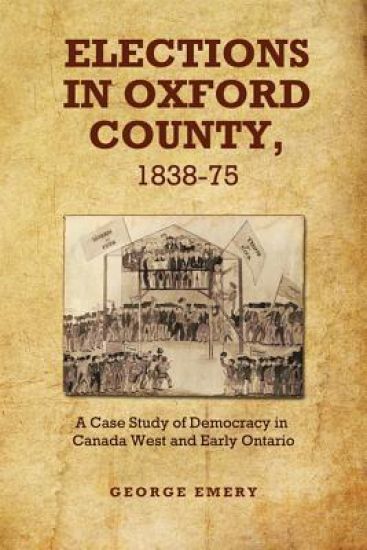
Elections in Oxford County, 1837-75 is a unique exploration of the forms, practices, and issues of democracy in a mid-nineteenth-century colonial setting. In this case study of thirty-eight elections in Oxford County — first as part of the United Province of Canada, then in early Ontario — George Emery delves into the advances, setbacks, and flaws of a partially democratic system. Emery demonstrates that while its forms and issues evolved, the net amount of democracy remained stable over time. Elections in Oxford County, 1837-75 breaks new ground with its detailed treatment of the county's voice-vote method of election, which ended with the adoption of the secret ballot in 1874. Employing an idealized parliamentary democracy as an explanatory model, Emery captures both geographically specific details and general features of this era's electoral process to enrich current understandings of nineteenth-century Canadian democracy.

Dog Agility Equipment Construction Instructions: YOU CAN! Build Better Training Obstacles for your Dog
Ann Embry
Createspace Independent Publishing Platform
2010
nidottu
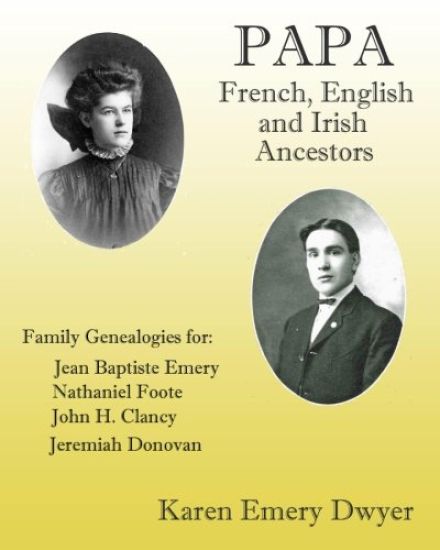
Papa: French, English and Irish Ancestors
Karen Emery Dwyer
Createspace Independent Publishing Platform
2010
nidottu
This book contains family genealogies about the following families: Emery family settling in Utica, New YorkFoote family settling in Madison County, New YorkClancy family settling in Utica, New YorkDonovan family settling in Utica, New York
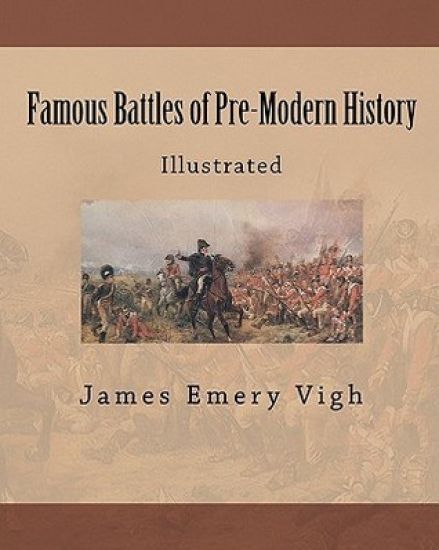
Famous Battles of Pre-Modern History: Illustrated
James Emery Vigh
Createspace Independent Publishing Platform
2010
nidottu
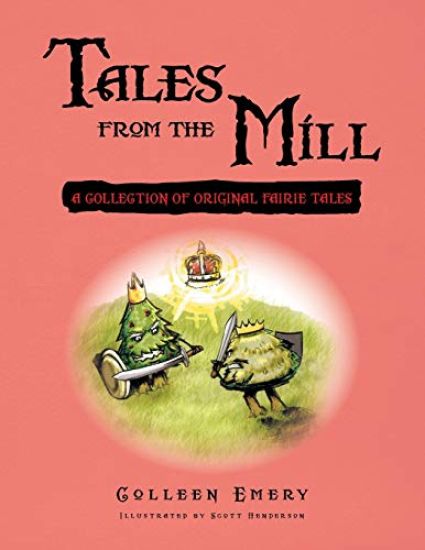
This book is a collection of original fairie tales, all growing out of my imagination. Please enjoy the journey.
Anthony Burns A History
Charles Emery Stevens
Createspace Independent Publishing Platform
2011
nidottu
Anthony Burns: A History
Charles Emery Stevens
Createspace Independent Publishing Platform
2012
nidottu