

Kirjahaku
Etsi kirjoja tekijän nimen, kirjan nimen tai ISBN:n perusteella.
1000 tulosta hakusanalla Ernst Probst

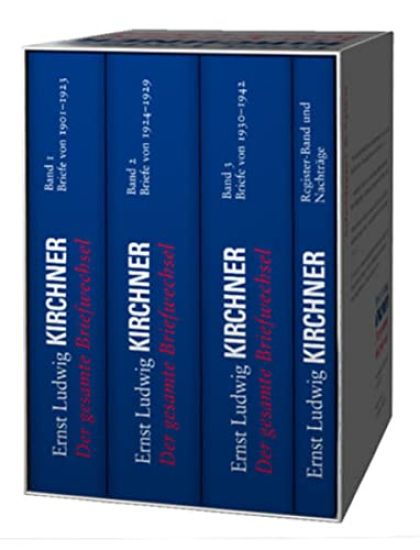
Ernst Ludwig Kirchner
Scheidegger und Spiess AG, Verlag
2022
sidottu

Catalog of an exhibition held at the Kunstmuseum Luzern, October 22, 2011 - February 12, 2012.

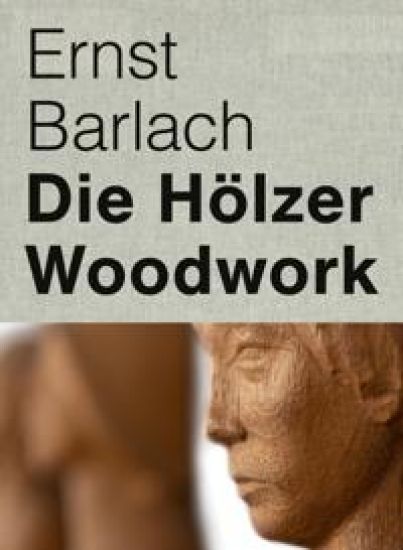
As we mark the 150th anniversary of Barlach's birth in 2020, the Ernst Barlach Haus in Hamburg pays tribute to the artist with a comprehensive overview of his wood sculptures. Starting with its own collection, the museum elaborately documented all available figures between Lübeck and Zurich with new photographs. This book is the result of this monumental project. It introduces 72 of the 84 extant wood sculptures and includes many fascinating large-format colour plates presenting the statues and their details. Wood held particular importance for Barlach as an artistic material: he regarded it as animate matter. Consequently, woodwork takes centre stage in Barlach's artistic practice - a fact that is often obscured by the large number of mostly posthumous bronze casts of his works. Around 1907, Barlach began to explore the centuries-old medieval art of woodcarving without any prior training. The poor, the homeless, the struggling, invalids, beggars and outlaws: Barlach turned his attention to those pushed to the margins of society and paid tribute to them by placing them at the centre of his art. This book does justice to the reductive character of his forms, which gestures at simplification and a transcendence of time, by highlighting Barlach's contemporary relevance. Text in English and German.

Ernst Moritz Arndt - Erinnerungen aus dem äußeren Leben (1908)
Ernst Moritz Arndt
Severus
2012
pokkari
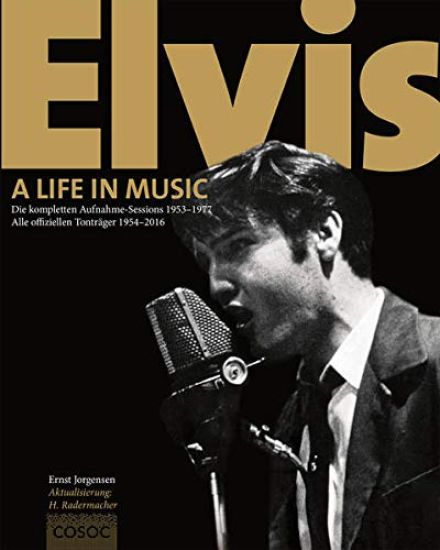
Ernst Jorgensen
Bosworth GmbH
2017
pokkari

Ernst Ludwig Kirchner: Die Skizzenbücher - The Sketchbooks
Ernst Ludwig Kirchner
modo verlag
2020
sidottu
The small format oilcloth booklets that Ernst Ludwig Kirchner fills throughout his life, page for page with pencil, crayon, chalk, Ink, watercolor paints or charcoal, were for him, who didn't spend a day without a sketchbook, drawn diaries, documentation, and experiment room. The masterly talent of the painter for drawing is revealed in them. With a few precise strokes he could capture whole sceneries. Kirchner recorded everything his artistic eye appealed to him for painting and sometimes animated to write. The inconspicuous black booklets form their own and unique genre in Ernst Ludwig Kirchner's oeuvre and are among the most important original documents for art historical research. For the very first time, they were published within the publication for the exhibition "Kirchner's Sketchbook. From Pencil Stroke To Hologram" in Kirchner Museum Davos. The sketchbooks show, which like no other genre, motive groups occupied Kirchner throughout his life and how he got his stylistic development from the street scenes to the New Style in thousands of sketches worked out. Based on their studies, it is possible tracing genesis from draft to finished painting.