Read's revolutionary work postulates that there is a hidden key to Pound's lifework, a hermetic coherence created from a pagan calendar that Pound devised and published in 1922 and from the Great Seal and Constitution of the United States. From these Read extrapolates an elaborate combination of heraldry, numerology, and geometry that he applies to Pound's entire poetic work. Discussing each canto separately, Read shows that the designs, paradigms, and arcana were deliberately constructed.
Forrest's long-awaited last work follows the last days of journalist Joubert Jones and his long relationship with his friend and mentor, the idealistic and doomed poet Leonard Foster.
A virtuosic epic applauded by Stanley Crouch as “an adventurous masterwork that provides our literature with a signal moment,” back in print in a definitive new edition “I have an awful memory for faces, but an excellent one for voices,” muses Joubert Jones, the aspiring playwright at the center of Divine Days. A kaleidoscopic whorl of characters, language, music, and Black experience, this saga follows Jones for one week in 1966 as he pursues the lore and legends of fictional Forest County, a place resembling Chicago’s South Side. Joubert is a veteran, recently returned to the city, who works for his aunt Eloise’s newspaper and pours drinks at her Night Light Lounge. He wants to write a play about Sugar-Groove, a drifter, “eternal wunderkind,” and local folk hero who seems to have passed away. Sugar-Groove’s disappearance recalls the subject of one of Joubert’s earlier writing attempts—W. A. D. Ford, a protean, diabolical preacher who led a religious sect known as “Divine Days.” Joubert takes notes as he learns about both tricksters, trying to understand their significance.Divine Days introduces readers to a score of indelible characters: Imani, Joubert’s girlfriend, an artist and social worker searching for her lost siblings and struggling to reconcile middle-class life with her values and Black identity; Eloise, who raised Joubert and whose influence is at odds with his writerly ambitions; (Oscar) Williemain, a local barber, storyteller, and founder of the Royal Rites and Righteous Ramblings Club; and the Night Light’s many patrons. With a structure inspired by James Joyce and jazz, Leon Forrest folds references to African American literature and cinema, Shakespeare, the Bible, and classical mythology into a heady quest that embraces life in all its tumult and adventure. This edition brings Forrest’s masterpiece back into print, incorporating hundreds of editorial changes that the author had requested (but were never made) when the book was picked up by W. W. Norton after a disastrous warehouse fire destroyed most of the inventory from the original printing of the book by Another Chicago Press.
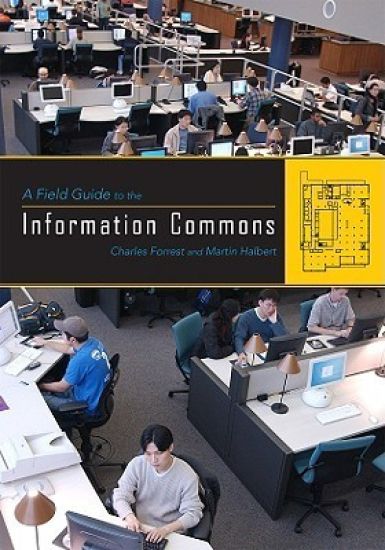
Our sources of information, and the practices we use to find it, are in a period of rapid flux. Libraries must respond by selecting, acquiring, and making accessible a host of new information resources, developing innovative services, and building different types of spaces to support changing user behaviors and patterns of learning. A Field Guide to the Information Commons describes an emerging library service model that embodies all three spheres of response: new information resources, collaborative service programs, and redesigned staff and user spaces. Technology has enabled new forms of information-seeking behavior and scholarship, causing a renovation of libraries that revisits the idea of the "commons"—a public place that is free to be used by everyone. A Field Guide to the Information Commons describes the emergence, growth, and adoption of the concept of the information commons in libraries. This book includes a variety of contributed articles, and descriptive, structured entries for various information commons in libraries across the country and around the world.
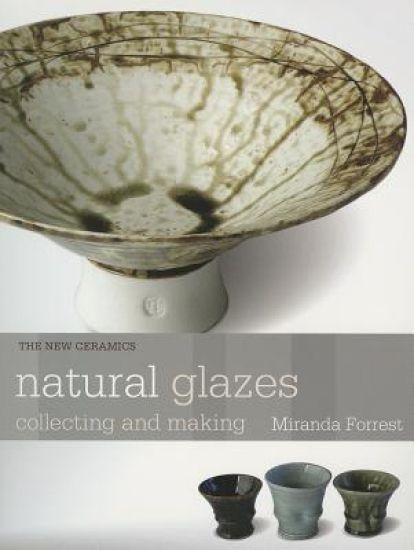
Like clay, all glaze materials come from the earth. Traditionally, stones, plants, and other natural materials provided the elements for ceramic surface decoration. In an age of synthetic and mass-produced glazes, handmade glazes from locally sourced ingredients allow artists to produce unique pieces that reflect their surrounding landscapes. In Natural Glazes, Miranda Forrest guides readers through the process of experimentation and discovery to make amazing hues from organic materials. Whether a glaze is mixed from scratch or local items are added to a commercial glaze, this concise book teaches the essential steps. A variety of glaze materials is available in any location, and Forrest shows artists how to recognize and gather appropriate ingredients and prepare them for blending. She explains how to work with vegetation and organic materials such as grass, wood, and seashells, giving step-by-step directions for mixing glazes and testing sample blends for optimal results. Natural Glazes covers application and firing techniques such as raku and offers health and environmental safety information. Natural Glazes contains full-color photographs of completed works, charts and tables providing firing times and other data, and insightful essays from other ceramic artists specializing in natural glaze work. Using found materials in glazes is a creative way to add a local touch to ceramics. With Natural Glazes, inspiration may be as close as your own backyard.
In this work Alan Forrest brings together some of the recent research on the Revolutionary army that has been undertaken on both sides of the Atlantic by younger historians, many of whom look to the influential work of Braudel for a model. Forrest places the armies of the Revolution in a broader social and political context by presenting the effects of war and militarization on French society and government in the Revolutionary period.Revolutionary idealists thought of the French soldier as a willing volunteer sacrificing himself for the principles of the Revolution; Forrest examines the convergence of these ideals with the ordinary, and often dreadful, experience of protracted warfare that the soldier endured.
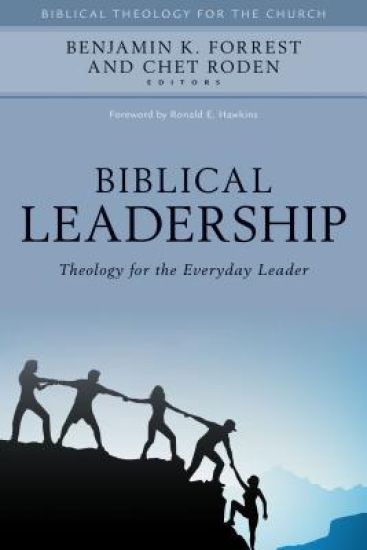
Biblical Leadership takes the best of evangelical scholarship to make the leadership lessons of Scripture tangible for today's readers. All contributors are biblical scholars who not only think seriously about the texts covered in their individual chapters, but have committed their lives to teaching and living the truths therein. This volume walks through the sections of the Bible, gleaning insights from each biblical writer. Every chapter analyzes the original setting of the writing, extrapolates the leadership principles in the text, and provides advice on applying that theology of leadership. Presented in everyday language understandable to both professionals and practitioners, these lessons will equip current and upcoming leaders to make a Christlike impact.
A biblical theology of worship spanning both the Old and New Testaments While many books on worship focus on contemporary trends, Biblical Worship plumbs every book of the Bible to uncover its teaching on worship and then applies these insights to our lives and churches today. A team of respected evangelical scholars unearths insights into a variety of issues surrounding worship, including: The Old Testament concept of worshipWorship before the ExodusWorship in the Old Testament feasts and celebrationsWorship in the Psalms of Lament and Thanksgiving The New Testament concept of worshipWorship in the GospelsWorship in ActsWorship in the Pastoral Epistles, and much more. Pastors, worship leaders, instructors, and anyone who wants to grow in their knowledge of the Bible's full teaching on worship and how it applies today will benefit from this volume, part of the Biblical Theology for the Church series.
Susanna Forrest grew up in the 1980s near Norwich and, like many a girl, she yearned for a pony. She never did get one of her own, but this didn't stop her becoming obsessed with all things equine.If Wishes Were Horses is the story of that all-consuming interest. As Susanna's journey unfolds, it leads her to horse-fixated princesses, recovering crack addicts, national heroines and runaways across the ages. From girl-riders of the Bronze Age, to lavishly adorned equestrian Victorians and twenty-first-century children on horseback in Brixton, she explores the development of this Pony Cult from its earliest times to the present day. In doing so, she takes to the saddle once more and rediscovers her own riding legs in this frank, eclectic and captivating memoir of an ever-changing equine world.
Man has always been fascinated by Equus caballus, recasting horse power into many forms: a hunk of meat, an industrial and agricultural machine, a luxury good, a cherished dancer, a comrade in arms and a symbol of a mythical past. From the wild tarpans sought by the Nazis to jade-laden treasure steeds in Ancient China, broken-down nags recycled into sausages and furniture stuffing, stallions that face fighting bulls and brewery horses that charmed the founder of the Sikh Empire, The Age of the Horse knits the history of the horse into that of humans, through revolution, war, social change and uneasy peace. It also uncovers new roles for the horse in the twenty-first century as a tool in the fight against climate change and as a therapist for soldiers damaged in unwinnable conflicts. In this captivating book, Susanna Forrest takes a journey through time and around the world, from the Mongolian steppes to a mirrored manège at Versailles, an elegant polo club in Beijing and a farm, a fort and an auction house in America, exploring the horse's crucial role and revealing how our culture and economy were generated, nourished and shaped by horse power and its gifts and limits.
What is the most important thing to remember about stargazing? When to do it, who to do it with, what to look for? It’s none of those! This picture book’s spare, lyrical text offers many possible ways to do stargazing: with a friend, with family or alone; on a moonless night, or with a full moon, or even with some clouds; on the beach, lying in the grass or standing on a snowy hill. There is only one rule of stargazing, which is saved for the end, and that is just to do it! Magical illustrations show polar bears, whales and other animals stargazing too, and in the final illustration, diverse kids and animals gaze at the night sky together. Back matter about the constellations completes this bedtime story with its underlying message of love and respect for nature.
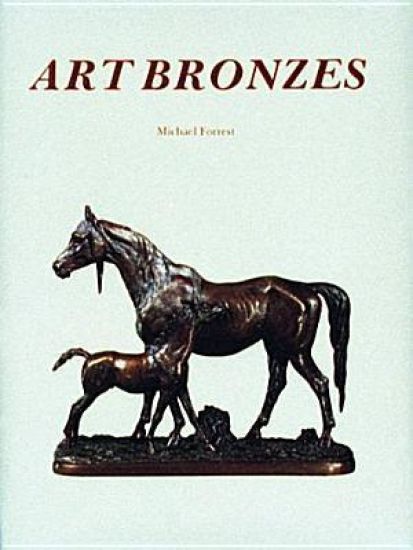
An illustrated look at the discovery, appreciation, recognition, and selection of fine bronze statuary created during the 19th and early 20th centuries. This period was an era of great social and cultural change in which bronze sculpture managed to capture the evolving spirit of romance, turbulence and excitement. Art Bronzes presents over 1,100 illustrations, 200 in full color, and many pages of carefully researched text with relevant marks, inscriptions, artist signatures, dates, and foundry stamps. Over 450 well-and lesser-known artists in Romantic, Animal, Oriental, Frontier, Victorian, and Exotic styles working in Europe, Asia and the Americas are represented. Dealers, collectors, artists, and art historians all will find inspiration and important, newly discovered information in Art Bronzes.
Jon Forrest has created an essential resource for anyone leading events with students including youth ministry leaders, camp workers, and volunteers. Filled with 52 fun games for small and large audiences, this book will draw your group together and create an environment where relationship building and learning can take place. Forrest also shares relatable personal narrative based on his twenty plus years of youth ministry experience. This work also provides instruction needed to gain the right skills in leading games along with the tools for successful group participation. The games are divided into categories for planning convenience. Added words of wisdom and encouragement for student ministry staff is provided in the final chapter of the book.
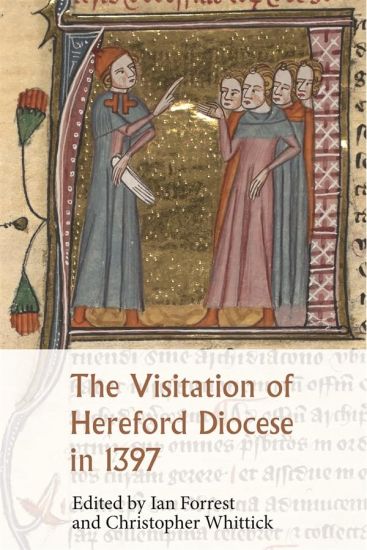
Text with facing English translation provides fascinating insights into medieval religious life. JOINT WINNER: 2023 BRITISH RECORD ASSOCIATION HARLEY PRIZE In 1397 the bishop of Hereford toured his diocese asking questions about its churches and people. The answers he received were written into a slim paper book, which survives in the cathedral archives today. This important medieval document offers unparalleled insight into social life, sexual behaviour, religious belief and practice, and gender relations during a period of religious and political turmoil, revealing how the clergy were disciplined, how English- and Welsh-speakers interacted, and how the congregation experienced worship. It is also a major early source for Welsh naming practices, and a treasure trove of information about local churches and parishes before the Reformation. This volume provides a complete scholarly edition, accompanied by a full facing-page translation, introduction and notes; it will be invaluable for experienced researchers and students alike.
Imagine waking up refreshed, energised, and ready to tackle your day without the aftereffects of over-drinking. In this practical guide, Tansy Forrest offers proven strategies and hypnotherapy techniques to help you regain control of your drinking habits, improve your confidence, and build a healthier relationship with alcohol—and with yourself. Packed with real-life case studies and actionable steps, this book empowers you to: * Assess whether moderation is right for you. * Develop essential skills for reducing your alcohol intake. * Handle setbacks and create a sustainable future. By following a straightforward 10-step process, you’ll learn how to sleep better, save money, and strengthen your connections with loved ones. With Tansy’s guidance, you can leave binge drinking behind and embrace a more balanced, fulfilling life.