Kirjahaku
Etsi kirjoja tekijän nimen, kirjan nimen tai ISBN:n perusteella.
1000 tulosta hakusanalla Geiger Ludwig
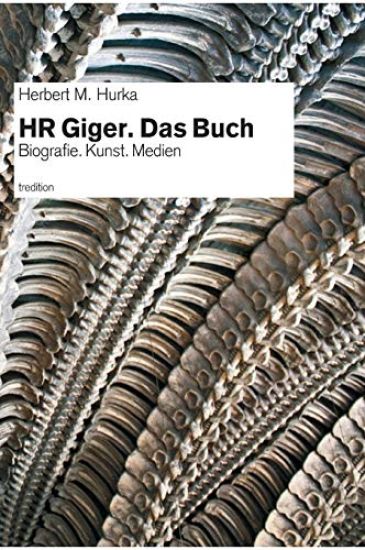
Weltruhm erlangte der Schweizer K nstler HR Giger mit seinem biomechanischen Stil, vor allem aber durch seinen Oscar f r das zukunftsweisende Design in dem SF-Film "Alien". Das als Biografie konzipierte Buch entstand aus einer ber zweij hrigen Zusammenarbeit mit HR Giger und diente von vornherein auch dem Ziel, Gigers kunst- und mediengeschichtliche Bedeutung nicht nur f r die phantastische Kunst hervorzuheben, sondern generell f r die beharrliche Unterwanderung der Demarkationen zwischen Hoch- und Popul rkultur.

Wie kommt eine Geige in ein Rapsfeld? Wie kann ein ung ltiger Lottoschein Gl ck und Frieden bringen? Wieso ist es entscheidend, ob ein Kuss nach Himbeeren schmeckt? Dies ist ein Buch voller berraschungen - spannend, humorvoll und hintersinnig. Mit viel Liebe und Feingef hl erz hlt die Autorin von Menschen aus ihrer Heimat Schleswig-Holstein, von ihren Freuden, Hoffnungen und Tr umen oder l sst ihrer Fantasie freien Lauf. Die Geschichten regen zum Nachdenken an, zaubern ein L cheln ins Gesicht, vermitteln Wohlgef hl und Entspannung.
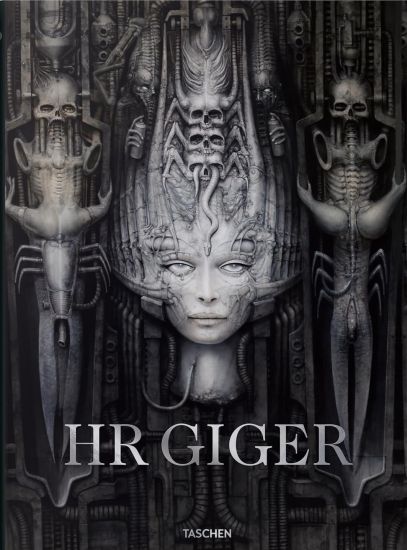
“At its essence, Giger’s art digs down into our psyches and touches our very deepest primal instincts and fears. His art stands in a category of its own. The proof of this lies in the intensity of his work and imagination, which I can only compare to Hieronymus Bosch and Francis Bacon in their powers to provoke and disturb.” – Ridley Scott Swiss artist HR Giger (1940–2014) is most famous for his creation of the space monster in Ridley Scott’s 1979 horror sci-fi film Alien, which earned him an Oscar. In retrospect, this was just one of the most popular expressions of Giger’s biomechanical arsenal of creatures, which consistently merged hybrids of human and machine into images of haunting power and dark psychedelia. The visions drew on demons of the past, as well as evoking mythologies for the future. Above all, they gave expression to the collective fears and fantasies of his age: fear of the atom, of pollution and wasted resources, and of a future in which our bodies depend on machines for survival. This book was begun shortly before the artist’s untimely death and shows the complete story of Giger’s life and art, his sculptures, film work, and iconic album covers as well as the heritage he left us in his own artist’s museum and self-designed bar in the Swiss Alps. In an in-depth essay, Giger scholar Andreas J. Hirsch plunges into the themes of Giger’s oeuvre and world while an extensive artist biography draws on contemporary quotes and Giger’s own writings.
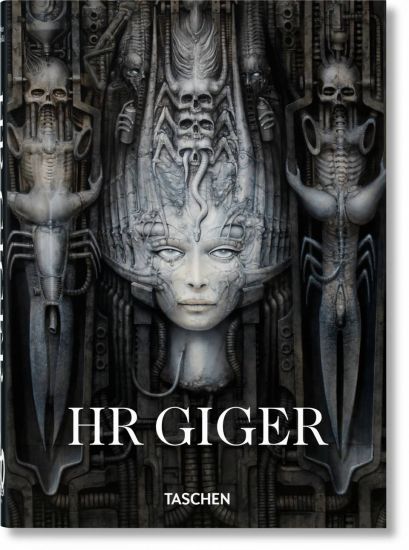
Swiss artist HR Giger (1940–2014) is most famous for his creation of the space monster in Ridley Scott’s 1979 horror sci-fi film Alien, which earned him an Oscar. Yet this was just one of the most popular expressions of Giger’s biomechanical arsenal of creatures, which consistently merged hybrids of human and machine into images of haunting power and dark psychedelia. The visions drew on demons of the past, as well as evoking mythologies for the future. Above all, they gave expression to the collective fears and fantasies of his age: fear of the atom, of pollution and wasted resources, and of a future in which our bodies depend on machines for survival. Following the SUMO-sized monograph which was begun shortly before the artist's unexpected death, this affordable anniversay edition pays homage to Giger’s unique vision. The book shows the complete story of Giger’s life and art, his sculptures, film design, and iconic album covers as well as the heritage he left us in his own artist’s museum and self-designed bar in the Swiss Alps. In an in-depth essay, Giger scholar Andreas J. Hirsch plunges into the themes of the artist’s oeuvre while an extensive biography draws on contemporary quotes and Giger’s own statements.
Swetlana Geier. Das Credo der Übersetzerin
BoD - Books on Demand
2012
nidottu