The book shows how Conrad and Joyce project different shades of consciousness- socio-political, moral, religious, individual and artistic from an autobiographical perspective to enrich modernist values. It evaluates the achievement of the authors' use of this technique of parallel narratives to portray the nihilism of the early twentieth century. Joseph Conrad, in exposing the mode of existence in the early twentieth century, suggests that man lives in a civilization in which obsession with materialistic ambitions undermines genuine values. James Joyce in a similar vein reveals that social arrangement hinders progress and so the artist has to overthrow rather than embrace the nihilistic aspects of the society. A comparative analysis of the texts of Conrad and Joyce shows how these authors artistically integrate facts or history with fiction.
How can we use art to reconstruct ourselves and the material world? Is every individual an art object? Is the material world an art text? This book answers these questions by examining modernist literature, especially James Joyce and W.B. Yeats, in the context of anarchist intellectual thought and Georges Sorel's theory of social myth.
Colantonio has created a book composed of his interviews, impressions and recollections with professional ballplayers, managers, media people, an author, business owners and regular folks. He found not everyone is willing to give even the slightest information about themselves for personal reasons and for reasons dictated by the management they work for. With others he found them to be co-operative and warm.Once again he shares his personal interactions with people who have lorded their positions over him and others. Colantonio has been scrupulous in his dealings with people and has expected the same consideration in return. It has not always been the case. Throughout his life, he has always sought out the truth and demanded justice.His insights in the realm of personal relationships has been from a unique perspective due to bias from relatives and co-workers. He shares these moments with the reader bluntly and earnestly.
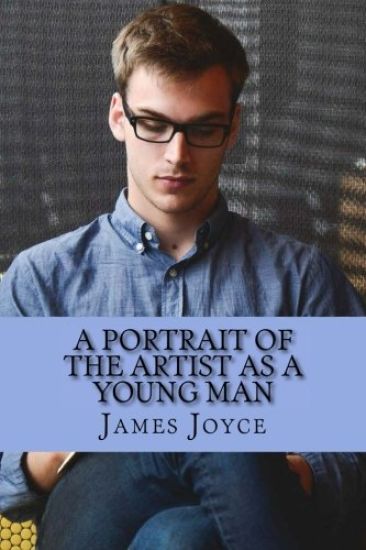
This work has been selected by scholars as being culturally important and is part of the knowledge base of civilization as we know it.This work is in the public domain in the United States of America, and possibly other nations. Within the United States, you may freely copy and distribute this work, as no entity (individual or corporate) has a copyright on the body of the work.Scholars believe, and we concur, that this work is important enough to be preserved, reproduced, and made generally available to the public. To ensure a quality reading experience, this work has been proofread and republished using a format that seamlessly blends the original graphical elements with text in an easy-to-read typeface.We appreciate your support of the preservation process, and thank you for being an important part of keeping this knowledge alive and relevant.
How can we use art to reconstruct ourselves and the material world? Is every individual an art object? Is the material world an art text? This book answers these questions by examining modernist literature, especially James Joyce and W.B. Yeats, in the context of anarchist intellectual thought and Georges Sorel's theory of social myth.