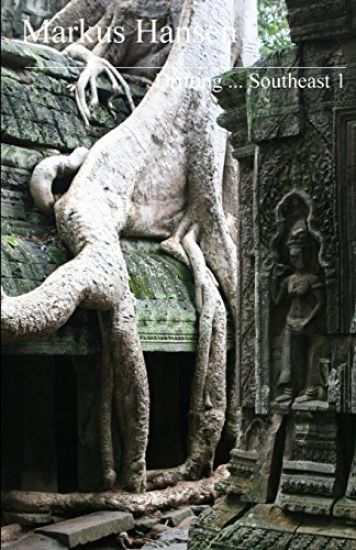
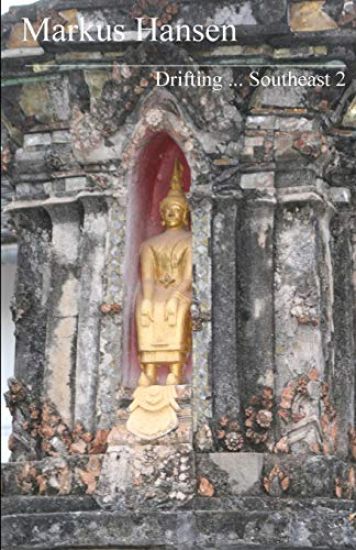
Radiating sounds and thoughts. The sermon of the wide sky and the deep sea. Worshipping the It. Queequeg's last thoughts as he understands all of this. It will remain and It will understand. It will be unimpressed and It will forget you.Markus Hansen grew up in various countries. He experienced his formative years during the 70s in London. It was a time of creative outbursts, as it never occurred since. It was a time when modern literature became so boring, that new and more exciting fields of experimentations were sought. "To think in new ways does not occur by developing what is already known, but by being radically confronted with the unknown." Having arrived in the later part of his life, he writes neither for fortune nor for fame. "Writing is a journey through various experiences." He dedicates his time to studying and to travelling. His writing evolves somewhere in between.
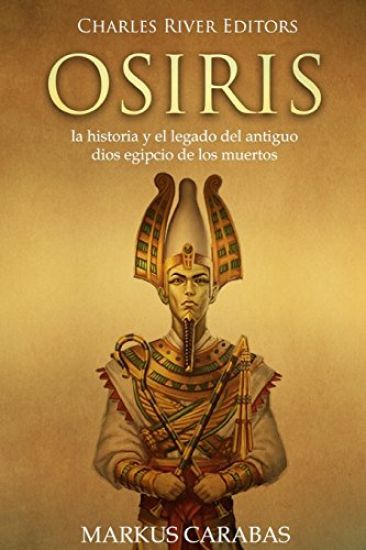
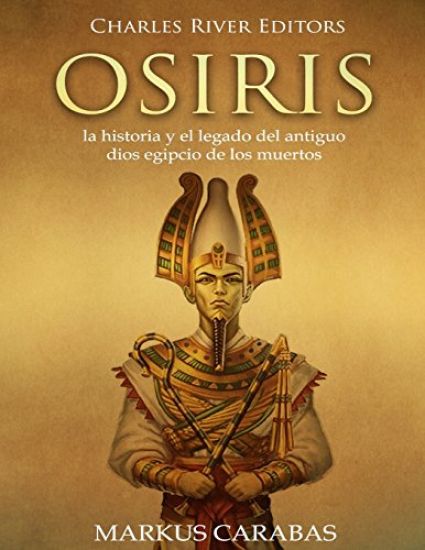
*Includes pictures*Includes ancient accounts*Includes online resources and a bibliography for further readingTo the ancient Egyptians, as was the case with any society made up of inquiring humans, the world was a confusing and often terrifying place of destruction, death and unexplained phenomena. In order to make sense of such an existence, they resorted to teleological stories. Giving a phenomenon a story made it less horrifying, and it also helped them make sense of the world around them. Unsurprisingly, then, the ancient Egyptian gods permeated every aspect of existence. Given the abundance of funerary artifacts that have been found within the sands of Egypt, it sometimes seems as though the Ancient Egyptians were more concerned with the matters of the afterlife than they were with matters of the life they experienced from day to day. This is underscored most prominently by the pyramids, which have captured the world's imagination for centuries. Thus, it's little surprise that Osiris was one of the most important gods in the Egyptian pantheon, and he could well be the most famous of the Egyptian gods today. Aside from the ubiquity of the sun-god Re in much of modern popular culture, it is Osiris who captivates the minds of modern readers most. His story is both familiar and strangely alien. He is the god of the dead, but he became so by the very fact of his mortality. All the gods of ancient Egypt were capable of dying, but Osiris was also a symbol of resurrection, not unlike Christ in Christian theology. Osiris was betrayed by somebody close to him (in this case, his brother Seth) and was murdered and reborn, but here is where Osiris and Christ part ways. Osiris's death is brutal, and his resurrection is the product of his wife Isis's love for him. Furthermore, Osiris was associated with the kings of Egypt because the Egyptians believed he was a king himself. The ancient Egyptians could trace their kings back, one by one, to a time when the gods were believed to have ruled the land in person. Osiris was the third or fourth successor to the Egyptian throne after creation, and the Egyptians believed that Osiris's connection with kingship is what allowed their kings to be reborn in a way themselves. He was also said to be physically enormous - almost 15 and a half feet according to some sources - which was said to have aided him in his military campaigns. Despite his grotesque appearance - it's likely that his green and black skin coloration was an early attempt at depicting putrefaction - Osiris was the epitome of hope and renewal. His skin later came to represent the lush green of the crops around the Nile and the fertile black land they grew out of nearby. He was often shown as a mummified king sitting on a throne with the flail of a pharaoh and the crook of a shepherd, since he was the shepherd of people to the land of the dead, Duat. In fact, although Osiris was said to be capable of sending "demons" to the world of the living, he was generally considered to be a benevolent king of the underworld. Depending on the phenomenon or feeling the ancient Egyptians experienced, there was a corresponding deity and a story to explain the connection. Acclaimed Egyptologist Garry Shaw described this ethos an "an endless repetition of creations, destructions and rebirths, entangled in a net of divine interactions ... each person living] as the hero of his own mythic narrative each day." In this way, the ancient Egyptian would "assimilate" themselves with the corresponding deity that defined their situation at any given time. Osiris: The History and Legacy of the Ancient Egyptian God of the Dead looks at the mythology surrounding one of antiquity's most famous deities. Along with pictures depicting important people, places, and events, you will learn about Osiris like never before.
*Includes pictures *Includes ancient accounts *Includes online resources and a bibliography for further reading To the ancient Egyptians, as was the case with any society made up of inquiring humans, the world was a confusing and often terrifying place of destruction, death and unexplained phenomena. In order to make sense of such an existence, they resorted to teleological stories. Giving a phenomenon a story made it less horrifying, and it also helped them make sense of the world around them. Unsurprisingly, then, the ancient Egyptian gods permeated every aspect of existence. Given the abundance of funerary artifacts that have been found within the sands of Egypt, it sometimes seems as though the Ancient Egyptians were more concerned with the matters of the afterlife than they were with matters of the life they experienced from day to day. This is underscored most prominently by the pyramids, which have captured the world's imagination for centuries. Thus, it's little surprise that Osiris was one of the most important gods in the Egyptian pantheon, and he could well be the most famous of the Egyptian gods today. Aside from the ubiquity of the sun-god Re in much of modern popular culture, it is Osiris who captivates the minds of modern readers most. His story is both familiar and strangely alien. He is the god of the dead, but he became so by the very fact of his mortality. All the gods of ancient Egypt were capable of dying, but Osiris was also a symbol of resurrection, not unlike Christ in Christian theology. Osiris was betrayed by somebody close to him (in this case, his brother Seth) and was murdered and reborn, but here is where Osiris and Christ part ways. Osiris's death is brutal, and his resurrection is the product of his wife Isis's love for him. Furthermore, Osiris was associated with the kings of Egypt because the Egyptians believed he was a king himself. The ancient Egyptians could trace their kings back, one by one, to a time when the gods were believed to have ruled the land in person. Osiris was the third or fourth successor to the Egyptian throne after creation, and the Egyptians believed that Osiris's connection with kingship is what allowed their kings to be reborn in a way themselves. He was also said to be physically enormous - almost 15 and a half feet according to some sources - which was said to have aided him in his military campaigns. Despite his grotesque appearance - it's likely that his green and black skin coloration was an early attempt at depicting putrefaction - Osiris was the epitome of hope and renewal. His skin later came to represent the lush green of the crops around the Nile and the fertile black land they grew out of nearby. He was often shown as a mummified king sitting on a throne with the flail of a pharaoh and the crook of a shepherd, since he was the shepherd of people to the land of the dead, Duat. In fact, although Osiris was said to be capable of sending "demons" to the world of the living, he was generally considered to be a benevolent king of the underworld. Depending on the phenomenon or feeling the ancient Egyptians experienced, there was a corresponding deity and a story to explain the connection. Acclaimed Egyptologist Garry Shaw described this ethos an "an endless repetition of creations, destructions and rebirths, entangled in a net of divine interactions ... each person living] as the hero of his own mythic narrative each day." In this way, the ancient Egyptian would "assimilate" themselves with the corresponding deity that defined their situation at any given time. Osiris: The History and Legacy of the Ancient Egyptian God of the Dead looks at the mythology surrounding one of antiquity's most famous deities. Along with pictures depicting important people, places, and events, you will learn about Osiris like never before.
Ein Buch ber die Bildgestaltung in Zeichnungen. Lerne wie Du eigene Bilder kreieren kannst und beim Zeichnen beeindruckende Bildkompositionen erschaffst. In diesem Buch werden die Grundlagen und wichtigsten Regeln der Bildgestaltung vermittelt. Zudem lernst Du auch psychologische Hintergr nde kennen, die unsere Art und Weise wie wir Bilder wahrnehmen beeinflussen. Wichtige Inhalte im berblick: Was ist bedeutet Bildkomposition beim Zeichnen? Ordnungsprinzipien des Bildaufbaus Psychologische Grundlagen der Bildgestaltung Die richtige Bildeinteilung Goldener Schnitt Goldene Spirale Drittelregel Diagonalenmethode Grafische Gestaltungselemente Fl che und Form zur Gestaltung Kontraste f r bessere Kompositionen Perspektive & Raum einsetzen Licht & Schatten Viele Gem lde aus der Welt der Kunst dienen als Bildbeispiele, die zum idealen Verst ndnis der Theorie beitragen sollen. Zudem finden sich auch viele meiner eigenen Zeichnungen und Illustrationen im Buch wieder, wobei ich dabei genauer beschreibe auf welchen Prinzipien meine Bildkomposition beruht.
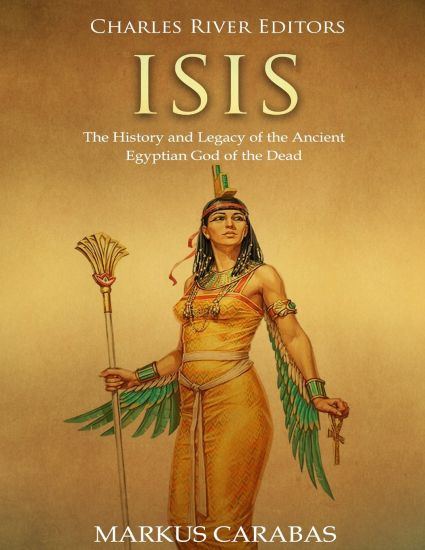
*Includes pictures *Includes ancient accounts *Includes online resources and a bibliography for further reading Africa may have given rise to the first human beings, and Egypt probably gave rise to the first great civilizations, which continue to fascinate modern societies across the globe nearly 5,000 years later. From the Library and Lighthouse of Alexandria to the Great Pyramid at Giza, the Ancient Egyptians produced several wonders of the world, revolutionized architecture and construction, created some of the world's first systems of mathematics and medicine, and established language and art that spread across the known world. With world-famous leaders like King Tut and Cleopatra, it's no wonder that today's world has so many Egyptologists. To the ancient Egyptians, as was the case with any society made up of inquiring humans, the world was a confusing and often terrifying place of destruction, death and unexplained phenomena. In order to make sense of such an existence, they resorted to teleological stories. Giving a phenomenon a story made it less horrifying, and it also helped them make sense of the world around them. Unsurprisingly, then, the ancient Egyptian gods permeated every aspect of existence. Isis first appears during the period of Old Kingdom (ca. 2660-2190 BCE) but only later does she take on her most famous role of being a sister-wife of Osiris. Originally, she is simply the mother of Horus and the details surrounding his conception are more obscure. Her absence in the original myths about Osiris is confirmed by the fact that her appearances at Abydos, a famous cult center of Osiris, are scarce until the New Kingdom (ca. 1549-1069 BCE). In fact, Isis had no known cult center throughout the majority of ancient Egyptian dynastic history, though it didn't seem to have a negative effect on her worship. Isis was one of the nine principal deities of the Egyptian pantheon called the Ennead and her hieroglyph was the throne, a glyph that would later connect her with Osiris, whose hieroglyph was a throne and an eye, and royalty in general. In fact, as the goddess of the throne, she came to represent the "mother" of all the kings of Egypt. Regardless of her royal attributes, however, Isis was fundamentally a healer and a peacemaker. Nevertheless, as time went on and Egypt became more influenced by the outside world, Greece and Rome in particular, Isis came to be seen as the wrathful protector of Egypt and its kings. According to the sources, she was "cleverer than millions of gods" and more capable of protecting the country than "millions of soldiers." What is most fascinating about Isis is the agency she has in her myths, particularly the most famous, that of the death and rebirth cycle of Osiris. In this myth she even demonstrates traits of the female trickster, which is considerably less common in world mythology than the male equivalent. According to one New Kingdom source, Isis transformed herself into an old woman in order to fool the divine ferryman between the worlds of the living and the dead, and she also turned herself into a young woman in order to get Seth to admit that his claim for power was unjust. All the while, she created cultural and geographical mainstays - such as the Nile - while being worshipped as a helper goddess. It is curious that, until the 30th Dynasty, Isis was worshipped in the temples of other gods as she did not have a dedicated cult center of her own. During the 30th Dynasty, this changed with two large temples built in her honor in the Nile Delta. Later on, the Ptolemaic and Roman rulers of Egypt would develop these sites and her worship would outlive the draconian abolishment of pagan religion in Egypt and would even be transported out of Egypt as Isis was revered and worshipped at the farthest reaches of the Roman Empire.
*Includes pictures *Includes ancient accounts *Includes online resources and a bibliography for further reading Africa may have given rise to the first human beings, and Egypt probably gave rise to the first great civilizations, which continue to fascinate modern societies across the globe nearly 5,000 years later. From the Library and Lighthouse of Alexandria to the Great Pyramid at Giza, the Ancient Egyptians produced several wonders of the world, revolutionized architecture and construction, created some of the world's first systems of mathematics and medicine, and established language and art that spread across the known world. With world-famous leaders like King Tut and Cleopatra, it's no wonder that today's world has so many Egyptologists. To the ancient Egyptians, as was the case with any society made up of inquiring humans, the world was a confusing and often terrifying place of destruction, death and unexplained phenomena. In order to make sense of such an existence, they resorted to teleological stories. Giving a phenomenon a story made it less horrifying, and it also helped them make sense of the world around them. Unsurprisingly, then, the ancient Egyptian gods permeated every aspect of existence. Isis first appears during the period of Old Kingdom (ca. 2660-2190 BCE) but only later does she take on her most famous role of being a sister-wife of Osiris. Originally, she is simply the mother of Horus and the details surrounding his conception are more obscure. Her absence in the original myths about Osiris is confirmed by the fact that her appearances at Abydos, a famous cult center of Osiris, are scarce until the New Kingdom (ca. 1549-1069 BCE). In fact, Isis had no known cult center throughout the majority of ancient Egyptian dynastic history, though it didn't seem to have a negative effect on her worship. Isis was one of the nine principal deities of the Egyptian pantheon called the Ennead and her hieroglyph was the throne, a glyph that would later connect her with Osiris, whose hieroglyph was a throne and an eye, and royalty in general. In fact, as the goddess of the throne, she came to represent the "mother" of all the kings of Egypt. Regardless of her royal attributes, however, Isis was fundamentally a healer and a peacemaker. Nevertheless, as time went on and Egypt became more influenced by the outside world, Greece and Rome in particular, Isis came to be seen as the wrathful protector of Egypt and its kings. According to the sources, she was "cleverer than millions of gods" and more capable of protecting the country than "millions of soldiers." What is most fascinating about Isis is the agency she has in her myths, particularly the most famous, that of the death and rebirth cycle of Osiris. In this myth she even demonstrates traits of the female trickster, which is considerably less common in world mythology than the male equivalent. According to one New Kingdom source, Isis transformed herself into an old woman in order to fool the divine ferryman between the worlds of the living and the dead, and she also turned herself into a young woman in order to get Seth to admit that his claim for power was unjust. All the while, she created cultural and geographical mainstays - such as the Nile - while being worshipped as a helper goddess. It is curious that, until the 30th Dynasty, Isis was worshipped in the temples of other gods as she did not have a dedicated cult center of her own. During the 30th Dynasty, this changed with two large temples built in her honor in the Nile Delta. Later on, the Ptolemaic and Roman rulers of Egypt would develop these sites and her worship would outlive the draconian abolishment of pagan religion in Egypt and would even be transported out of Egypt as Isis was revered and worshipped at the farthest reaches of the Roman Empire.
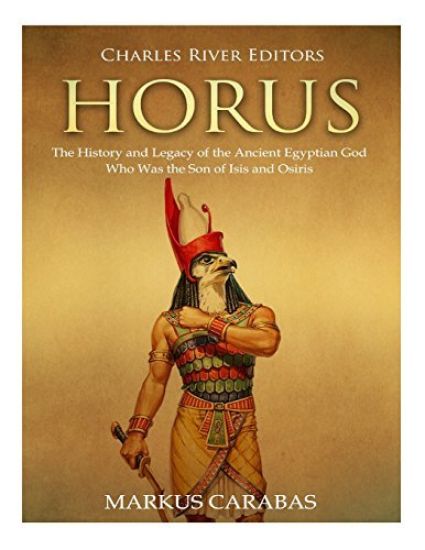
*Includes pictures *Includes ancient accounts *Includes online resources and a bibliography for further reading Africa may have given rise to the first human beings, and Egypt probably gave rise to the first great civilizations, which continue to fascinate modern societies across the globe nearly 5,000 years later. From the Library and Lighthouse of Alexandria to the Great Pyramid at Giza, the Ancient Egyptians produced several wonders of the world, revolutionized architecture and construction, created some of the world's first systems of mathematics and medicine, and established language and art that spread across the known world. With world-famous leaders like King Tut and Cleopatra, it's no wonder that today's world has so many Egyptologists. To the ancient Egyptians, as was the case with any society made up of inquiring humans, the world was a confusing and often terrifying place of destruction, death and unexplained phenomena. In order to make sense of such an existence, they resorted to teleological stories. Giving a phenomenon a story made it less horrifying, and it also helped them make sense of the world around them. Unsurprisingly, then, the ancient Egyptian gods permeated every aspect of existence. There are few characters in Egyptian myth whose image and name are more widely known than Horus. His name most probably means "the Distant One;" as the celestial falcon, his wings were believed to span the length of the distant sky and his eyes were the sun and the moon. This name betrays the connection Horus shared with Re, the "all powerful" sun god, and also hints at his earlier incarnation as one of the earliest celestial gods in Egyptian religious belief. One of the earliest images from ancient Egypt is that of a falcon residing in the famous "sun-Barque" of Re, which the ancient Egyptians believed traversed the sky during the day and crossed the dangerous land of the dead during the night. Horus' place in the sun-barque probably represents Horus as a 'star or planet crossing the Winding Waterway of the sky," since the ancient Egyptians were famous for their complex astronomical system that incorporated many mythical elements, but his position there is much more than being just another of the sun-god's divine entourage. Horus' mythological lineage places him as the direct descendant of the Ennead, the nine gods and goddesses who were formed from the earlier abstract concepts in the primordial waters of "Nun". This places him at an interesting crossroads in terms of his relationships with the greater pantheon. Not being one of the Ennead weakens Horus' claim to the divine right of kingship, in contrast to Seth, his uncle, who could claim primacy as one of the Ennead himself. The result of this contention made for a fascinating power struggle and a myth that would have real-world ramifications throughout the vast expanse of Egyptian history. Horus would eventually ascend the throne of his father, Osiris, and for this reason he held a deep connection with the throne of united Egypt. The earliest kings were shown as hawks (long considered part of the "Falconidae Family") preying on their enemies, the reason for which lies in the mythological foundation of Horus' life and also in the real world understanding of the "history" of the royal line of kings. Integral to Horus' myths is the notion of royal inheritance. Born of the murdered god Osiris and the magical goddess Isis, Horus' - the younger, at least - life was defined by his establishment of the royal line of Egyptian kings. To the modern Western reader, this notion of gods being mortal and inheriting the power of their fathers may seem a little strange, but, to the ancient Egyptians, stories about feuding mortal deities were par for the rather strange course, and an understanding of the nuances of Egyptian religious belief can go some way towards dispelling that confusion.
*Includes pictures *Includes ancient accounts *Includes online resources and a bibliography for further reading Africa may have given rise to the first human beings, and Egypt probably gave rise to the first great civilizations, which continue to fascinate modern societies across the globe nearly 5,000 years later. From the Library and Lighthouse of Alexandria to the Great Pyramid at Giza, the Ancient Egyptians produced several wonders of the world, revolutionized architecture and construction, created some of the world's first systems of mathematics and medicine, and established language and art that spread across the known world. With world-famous leaders like King Tut and Cleopatra, it's no wonder that today's world has so many Egyptologists. To the ancient Egyptians, as was the case with any society made up of inquiring humans, the world was a confusing and often terrifying place of destruction, death and unexplained phenomena. In order to make sense of such an existence, they resorted to teleological stories. Giving a phenomenon a story made it less horrifying, and it also helped them make sense of the world around them. Unsurprisingly, then, the ancient Egyptian gods permeated every aspect of existence. There are few characters in Egyptian myth whose image and name are more widely known than Horus. His name most probably means "the Distant One;" as the celestial falcon, his wings were believed to span the length of the distant sky and his eyes were the sun and the moon. This name betrays the connection Horus shared with Re, the "all powerful" sun god, and also hints at his earlier incarnation as one of the earliest celestial gods in Egyptian religious belief. One of the earliest images from ancient Egypt is that of a falcon residing in the famous "sun-Barque" of Re, which the ancient Egyptians believed traversed the sky during the day and crossed the dangerous land of the dead during the night. Horus' place in the sun-barque probably represents Horus as a 'star or planet crossing the Winding Waterway of the sky," since the ancient Egyptians were famous for their complex astronomical system that incorporated many mythical elements, but his position there is much more than being just another of the sun-god's divine entourage. Horus' mythological lineage places him as the direct descendant of the Ennead, the nine gods and goddesses who were formed from the earlier abstract concepts in the primordial waters of "Nun". This places him at an interesting crossroads in terms of his relationships with the greater pantheon. Not being one of the Ennead weakens Horus' claim to the divine right of kingship, in contrast to Seth, his uncle, who could claim primacy as one of the Ennead himself. The result of this contention made for a fascinating power struggle and a myth that would have real-world ramifications throughout the vast expanse of Egyptian history. Horus would eventually ascend the throne of his father, Osiris, and for this reason he held a deep connection with the throne of united Egypt. The earliest kings were shown as hawks (long considered part of the "Falconidae Family") preying on their enemies, the reason for which lies in the mythological foundation of Horus' life and also in the real world understanding of the "history" of the royal line of kings. Integral to Horus' myths is the notion of royal inheritance. Born of the murdered god Osiris and the magical goddess Isis, Horus' - the younger, at least - life was defined by his establishment of the royal line of Egyptian kings. To the modern Western reader, this notion of gods being mortal and inheriting the power of their fathers may seem a little strange, but, to the ancient Egyptians, stories about feuding mortal deities were par for the rather strange course, and an understanding of the nuances of Egyptian religious belief can go some way towards dispelling that confusion.
frica puede haber sido la cuna de los primeros seres humanos, y Egipto probablemente levant la primera gran civilizaci n que, cinco mil a os despu s, contin a fascinando a las sociedades modernas de todo el globo. Desde la Biblioteca y el Faro de Alejandr a a la Gran Pir mide de Giza, los antiguos egipcios produjeron varias maravillas del mundo, revolucionaron la arquitectura y la construcci n, crearon algunos de los primeros sistemas de matem ticas y medicina del mundo, y establecieron un lenguaje y un arte que se esparci por todo la tierra conocida. Con personajes tan famosos como el Rey Tut Y Cleopatra, no es de sorprender que el mundo de hoy tenga tantos egipt logos. Lo que hace notables los logros de los antiguos egipcios es que el pa s fue hist ricamente un lugar de gran turbulencia pol tica. Su posici n lo hizo tan valioso como vulnerable a los ojos de otros pueblos a lo largo del Mediterr neo y el Medio Oriente; adem s, el Antiguo Egipto no careci de luchas intestinas. Sus m s famosos conquistadores vendr an de Europa, con Alejandro Magno poniendo los fundamentos de la dinast a ptolemaica hel nica, y con los romanos acabando con ese linaje luego de derrotar a Cleopatra y llevarla al suicidio. Dada la abundancia de artefactos funerarios que han sido hallados en las arenas de Egipto, a veces parece como si los egipcios estuvieran m s preocupados con los asuntos del m s all que en las cosas que experimentaban en su d a a d a. Esto destaca a n m s gracias a las pir mides, que han capturado la imaginaci n del mundo durante siglos. En consecuencia, no es de sorprender que Osiris fuese uno de los dioses m s importantes del pante n egipcio, tanto, que hoy en d a podr a ser el m s famoso de los dioses egipcios. Apartando la ubicuidad del dios sol Re en la cultura popular moderna, es Osiris quien captura las mentes de los lectores modernos. Su historia es tan familiar como extra amente ajena. Es el dios de los muertos, pero se convirti en eso por su sola mortalidad. Todos los dioses del antiguo Egipto eran capaces de morir, pero Osiris era tambi n un s mbolo de resurrecci n, no muy distinto a Cristo en la teolog a cristiana. Osiris fue traicionado por alguien cercano a l (en este caso su hermano Set), fue asesinado y renaci , pero aqu es donde Osiris y Cristo se diferencian. La muerte de Osiris es brutal, y su resurrecci n es el producto del amor de su esposa Isis hacia l. M s a n, Osiris fue asociado con los reyes de Egipto porque los egipcios cre an que l mismo era un rey. Los antiguos egipcios pod an listar a todos sus reyes, uno por uno, hasta el tiempo en que se cre a que los dioses gobernaron la tierra en persona. Osiris fue el tercero o cuarto sucesor en el trono egipcio despu s de la creaci n, y los egipcios cre an que la conexi n de Osiris con la monarqu a era permitir que sus reyes mismos renacieran. Se dec a tambi n que f sicamente era enorme -alrededor de cinco metros de acuerdo a algunas fuentes- lo que le ayud en sus campa as militares. Dependiendo del fen meno o del sentimiento que los antiguos egipcios experimentaran, hab a una deidad o historia correspondiente para explicar la conexi n. El aclamado egipt logo Gary Shaw describ a este ethos como una "una interminable repetici n de creaciones, destrucciones y renacimientos, formando una red de interacciones divinas... cada persona viviente] es cada d a el h roe de su propia narrativa m tica" . De esta forma, los antiguos egipcios se "asimilaban" a la deidad correspondiente que defin a su situaci n en un momento dado. Shaw brind un excelente conjunto de ejemplos sobre este tema: "Una persona con un dolor de cabeza se convert a en Horus Ni o, cuidado por su madre, que asimismo se convert a en Isis; en la muerte, el difunto se transformaba en diversos dioses mientras se desplazaba por el mundo de la otra vida, asumiendo por un rato la autoridad
frica puede haber sido la cuna de los primeros seres humanos, y Egipto probablemente levant la primera gran civilizaci n que, cinco mil a os despu s, contin a fascinando a las sociedades modernas de todo el globo. Desde la Biblioteca y el Faro de Alejandr a a la Gran Pir mide de Giza, los antiguos egipcios produjeron varias maravillas del mundo, revolucionaron la arquitectura y la construcci n, crearon algunos de los primeros sistemas de matem ticas y medicina del mundo, y establecieron un lenguaje y un arte que se esparci por todo la tierra conocida. Con personajes tan famosos como el Rey Tut Y Cleopatra, no es de sorprender que el mundo de hoy tenga tantos egipt logos. Lo que hace notables los logros de los antiguos egipcios es que el pa s fue hist ricamente un lugar de gran turbulencia pol tica. Su posici n lo hizo tan valioso como vulnerable a los ojos de otros pueblos a lo largo del Mediterr neo y el Medio Oriente; adem s, el Antiguo Egipto no careci de luchas intestinas. Sus m s famosos conquistadores vendr an de Europa, con Alejandro Magno poniendo los fundamentos de la dinast a ptolemaica hel nica, y con los romanos acabando con ese linaje luego de derrotar a Cleopatra y llevarla al suicidio. Dada la abundancia de artefactos funerarios que han sido hallados en las arenas de Egipto, a veces parece como si los egipcios estuvieran m s preocupados con los asuntos del m s all que en las cosas que experimentaban en su d a a d a. Esto destaca a n m s gracias a las pir mides, que han capturado la imaginaci n del mundo durante siglos. En consecuencia, no es de sorprender que Osiris fuese uno de los dioses m s importantes del pante n egipcio, tanto, que hoy en d a podr a ser el m s famoso de los dioses egipcios. Apartando la ubicuidad del dios sol Re en la cultura popular moderna, es Osiris quien captura las mentes de los lectores modernos. Su historia es tan familiar como extra amente ajena. Es el dios de los muertos, pero se convirti en eso por su sola mortalidad. Todos los dioses del antiguo Egipto eran capaces de morir, pero Osiris era tambi n un s mbolo de resurrecci n, no muy distinto a Cristo en la teolog a cristiana. Osiris fue traicionado por alguien cercano a l (en este caso su hermano Set), fue asesinado y renaci , pero aqu es donde Osiris y Cristo se diferencian. La muerte de Osiris es brutal, y su resurrecci n es el producto del amor de su esposa Isis hacia l. M s a n, Osiris fue asociado con los reyes de Egipto porque los egipcios cre an que l mismo era un rey. Los antiguos egipcios pod an listar a todos sus reyes, uno por uno, hasta el tiempo en que se cre a que los dioses gobernaron la tierra en persona. Osiris fue el tercero o cuarto sucesor en el trono egipcio despu s de la creaci n, y los egipcios cre an que la conexi n de Osiris con la monarqu a era permitir que sus reyes mismos renacieran. Se dec a tambi n que f sicamente era enorme -alrededor de cinco metros de acuerdo a algunas fuentes- lo que le ayud en sus campa as militares. Dependiendo del fen meno o del sentimiento que los antiguos egipcios experimentaran, hab a una deidad o historia correspondiente para explicar la conexi n. El aclamado egipt logo Gary Shaw describ a este ethos como una "una interminable repetici n de creaciones, destrucciones y renacimientos, formando una red de interacciones divinas... cada persona viviente] es cada d a el h roe de su propia narrativa m tica" . De esta forma, los antiguos egipcios se "asimilaban" a la deidad correspondiente que defin a su situaci n en un momento dado. Shaw brind un excelente conjunto de ejemplos sobre este tema: "Una persona con un dolor de cabeza se convert a en Horus Ni o, cuidado por su madre, que asimismo se convert a en Isis; en la muerte, el difunto se transformaba en diversos dioses mientras se desplazaba por el mundo de la otra vida, asumiendo por un rato la autoridad
Der eine ist ausgeruht, der andere angespannt. Der eine ist zuversichtlich, der andere skeptisch. Unterfordert und berfordert. Schnell reisend und langsam reisend. Abhakend und festhaltend. Getrieben und angezogen. Ein st ndiges Ringen, wie die Zeit ausgef llt werden soll.
Eine aussterbende Generation beobachtet sich gegenseitig, w hrend sich eine junge Generation darin bt elit r zu sein. Die letzten Reste lebender Traditionen, bevor sie als Ausstellungsobjekte enden. Die Vergangenheit ist in allem sichtbar, doch eben nicht mehr vollst ndig.Markus Hansen ist in verschiedenen L ndern aufgewachsen. Er hat seine formativen Jahre in den 70er Jahren in London erlebt. Es war die Zeit kreativer Ausbr che, wie es seither nicht mehr passiert ist. Es war eine Zeit, in der Modernismus in der Literatur so langweilig wurde, dass neue und aufregendere Experimentierfelder gesucht wurden. "Neu zu denken entsteht nicht aus einer Weiterentwicklung des bereits Bekannten, sondern durch die radikale Konfrontation mit dem Unbekannten." Im letzten Drittel seines Lebens angelangt, schreibt er weder f r Ruhm, noch f r Reichtum. "Schreiben ist eine Reise durch die verschiedensten Erfahrungen." Seine Zeit widmet er sich einem Studium und dem Reisen. Sein Schreiben entsteht irgendwo dazwischen.
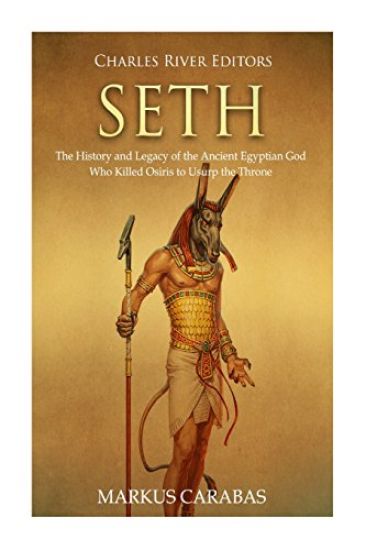
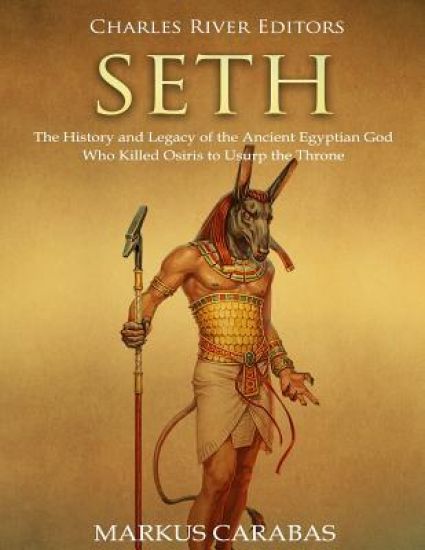
*Includes pictures*Includes ancient accounts*Includes online resources and a bibliography for further reading"On the third day Typhon Seth] was born, but not in due season or manner, but with a blow he broke through his mother's side and leapt forth ... For this reason the kings considered the third of the intercalated days as inauspicious, and transacted no business on that day, nor did they give any attention to their bodies until nightfall." - Plutarch, On Isis and OsirisAfrica may have given rise to the first human beings, and Egypt probably gave rise to the first great civilizations, which continue to fascinate modern societies across the globe nearly 5,000 years later. From the Library and Lighthouse of Alexandria to the Great Pyramid at Giza, the Ancient Egyptians produced several wonders of the world, revolutionized architecture and construction, created some of the world's first systems of mathematics and medicine, and established language and art that spread across the known world. With world-famous leaders like King Tut and Cleopatra, it's no wonder that today's world has so many Egyptologists.To the ancient Egyptians, as was the case with any society made up of inquiring humans, the world was a confusing and often terrifying place of destruction, death and unexplained phenomena. In order to make sense of such an existence, they resorted to teleological stories. Giving a phenomenon a story made it less horrifying, and it also helped them make sense of the world around them. Unsurprisingly, then, the ancient Egyptian gods permeated every aspect of existence.In the first dynastic period there is a symbolic depiction of the earliest form of kingship. The symbol consisted of the "Two Ladies and Two Lords." The Ladies were the goddesses Nekhbet and Wadjyt, who represented the Upper and Lower kingdoms of Egypt, each with her crown of either White or Red; the Two Lords were the conflicting gods Horus and Seth. The contention between these two gods was transmuted into real-world conflict when, during the Second Dynasty, king Peribsen chose to put the mysterious "Seth Animal" above his name, thus favoring one of the "Two Lords" over the other. Peribsen kept this close association with Seth, betraying the earlier kingly association with Horus, until king Khasekhemwy dethroned him and placed both gods" animals above his own name and declared "the Two Lords are at rest." The modern historian Geraldine Pinch suggests that this is a very early example of the Egyptians" tendency to mythologize their real-world conflicts, a trait the Egyptians would continue well into their long history.It's true that the vast history of Egypt can only be given a cursory view at any one time, but, in the case of its myths, just enough to contextualize the story can be sufficient to understand the progression of a deity like Seth through the millennia. In fact, the development of Seth's character throughout history is possibly one of the most fascinating and divisive among the Egyptian deities. Beginning as one of the "Two Lords" Seth's pre-eminence among the gods continues well into the later dynasties as he never loses his place among the principal nine deities, known as the Ennead, despite his nefarious dealings with his brother, Osiris, his sister and sister-in-law, Isis, and his nephew, their son, Horus. At first glance it is easy to see how Seth came to be vilified as a kind of "demon" or "devil" but, with an understanding of the belief structure he was born out of, modern readers can see that this divisive god was much more complex than a mere "adversary."Seth: The History and Legacy of the Ancient Egyptian God Who Killed Osiris to Usurp the Throne looks at the mythology surrounding one of antiquity's most famous deities. Along with pictures depicting important people, places, and events, you will learn about Seth like never before.
*Includes pictures*Includes ancient accounts*Includes online resources and a bibliography for further reading"On the third day Typhon Seth] was born, but not in due season or manner, but with a blow he broke through his mother's side and leapt forth ... For this reason the kings considered the third of the intercalated days as inauspicious, and transacted no business on that day, nor did they give any attention to their bodies until nightfall." - Plutarch, On Isis and OsirisAfrica may have given rise to the first human beings, and Egypt probably gave rise to the first great civilizations, which continue to fascinate modern societies across the globe nearly 5,000 years later. From the Library and Lighthouse of Alexandria to the Great Pyramid at Giza, the Ancient Egyptians produced several wonders of the world, revolutionized architecture and construction, created some of the world's first systems of mathematics and medicine, and established language and art that spread across the known world. With world-famous leaders like King Tut and Cleopatra, it's no wonder that today's world has so many Egyptologists.To the ancient Egyptians, as was the case with any society made up of inquiring humans, the world was a confusing and often terrifying place of destruction, death and unexplained phenomena. In order to make sense of such an existence, they resorted to teleological stories. Giving a phenomenon a story made it less horrifying, and it also helped them make sense of the world around them. Unsurprisingly, then, the ancient Egyptian gods permeated every aspect of existence.In the first dynastic period there is a symbolic depiction of the earliest form of kingship. The symbol consisted of the "Two Ladies and Two Lords." The Ladies were the goddesses Nekhbet and Wadjyt, who represented the Upper and Lower kingdoms of Egypt, each with her crown of either White or Red; the Two Lords were the conflicting gods Horus and Seth. The contention between these two gods was transmuted into real-world conflict when, during the Second Dynasty, king Peribsen chose to put the mysterious "Seth Animal" above his name, thus favoring one of the "Two Lords" over the other. Peribsen kept this close association with Seth, betraying the earlier kingly association with Horus, until king Khasekhemwy dethroned him and placed both gods" animals above his own name and declared "the Two Lords are at rest." The modern historian Geraldine Pinch suggests that this is a very early example of the Egyptians" tendency to mythologize their real-world conflicts, a trait the Egyptians would continue well into their long history.It's true that the vast history of Egypt can only be given a cursory view at any one time, but, in the case of its myths, just enough to contextualize the story can be sufficient to understand the progression of a deity like Seth through the millennia. In fact, the development of Seth's character throughout history is possibly one of the most fascinating and divisive among the Egyptian deities. Beginning as one of the "Two Lords" Seth's pre-eminence among the gods continues well into the later dynasties as he never loses his place among the principal nine deities, known as the Ennead, despite his nefarious dealings with his brother, Osiris, his sister and sister-in-law, Isis, and his nephew, their son, Horus. At first glance it is easy to see how Seth came to be vilified as a kind of "demon" or "devil" but, with an understanding of the belief structure he was born out of, modern readers can see that this divisive god was much more complex than a mere "adversary."Seth: The History and Legacy of the Ancient Egyptian God Who Killed Osiris to Usurp the Throne looks at the mythology surrounding one of antiquity's most famous deities. Along with pictures depicting important people, places, and events, you will learn about Seth like never before.
Questions relating to (im)migration are among the most heated topics on both sides of the Atlantic. Western societies have changed dramatically because of large-scale immigration in the last decades. Christians are also engaged in the discussion, attempting to find direction from the biblical texts. Overwhelmingly, persons in leading positions (both in the secular world and in churches and faith-based organizations) support the concept of "welcoming the stranger." The Bible is seen by them as urging us to open the borders as wide as we can. In the broader population, however, reservations remain. This book, written by a Bible professor who has witnessed mass-migration first-hand, both in Europe and in the U.S., and who has been a migrant himself for over twenty years, attempts to step back and look at the whole of the complex biblical witness, instead of cherry-picking passages that further a specific agenda. It also looks at the salient data on the ground, in the fields of psychology, demography, economy, and security--data that can no longer be ignored when trying to apply the Bible in a responsible way. The book demonstrates the shortcomings of the vast majority of biblical and theological publications on the issue of (im)migration and presents a comprehensive argument for the use of wisdom and caution, and against short-sighted and emotionally driven policies supporting open borders.
Questions relating to (im)migration are among the most heated topics on both sides of the Atlantic. Western societies have changed dramatically because of large-scale immigration in the last decades. Christians are also engaged in the discussion, attempting to find direction from the biblical texts. Overwhelmingly, persons in leading positions (both in the secular world and in churches and faith-based organizations) support the concept of "welcoming the stranger." The Bible is seen by them as urging us to open the borders as wide as we can. In the broader population, however, reservations remain. This book, written by a Bible professor who has witnessed mass-migration first-hand, both in Europe and in the U.S., and who has been a migrant himself for over twenty years, attempts to step back and look at the whole of the complex biblical witness, instead of cherry-picking passages that further a specific agenda. It also looks at the salient data on the ground, in the fields of psychology, demography, economy, and security--data that can no longer be ignored when trying to apply the Bible in a responsible way. The book demonstrates the shortcomings of the vast majority of biblical and theological publications on the issue of (im)migration and presents a comprehensive argument for the use of wisdom and caution, and against short-sighted and emotionally driven policies supporting open borders.
Das kompakte Sondeng nger HandbuchDer Ratgeber f r Einsteiger und erfahrene Schatzsucher mit Lust auf Abenteuer N tzliches Wissen und hilfreiche Tipps offenbaren alles Wichtige ber die erfolgreiche Schatzsuche mit dem Metalldetektor. Der Autor fasst die wichtigsten Themen zusammen und schildert in einmaliger Form einen tiefen Einblick in dieses faszinierende Hobby. Ein Muss f r jeden ambitionierten Schatzsucher in Deutschland. Das kompakte Handbuch f r Sondeng nger Das Buch rund um Metalldetektoren: ➤Die besten Schatzverstecke➤Die richtige Ausr stung f r Sondeng nger➤Versteckte Sch tze in Deutschland➤M nzen, Militaria und Edelmetalle mit dem Detektor finden➤Noch bessere Bodenfunde➤Metalldetektor, Pinpointer und Ausr stung➤Das ist beim Sondeln verboten ➤Das ist bei der Schatzsuche erlaubtWarum sollten Sie genau dieses Buch kaufen? ➤Sie erhalten kompakte Infos, wie Sie mit dem Metalldetektor bessere Funde verzeichnen➤Sie erfahren, was beim Sondeln hierzulande erlaubt ist➤Sie lernen die besten Verstecke f r Gold, Silber und Militaria kennen➤Sie k nnen sofort auf die Schatzsuche gehen und bessere Funde machenSie erhalten viele Tipps rund um das Thema Metalldetektoren, Sondeln und wertvolle Informationen rund ums Schatzsuchen.Worauf warten Sie noch? Kaufen Sie dieses Buch und erhalten Sie einen tiefen Einblick in den deutschen Volkssport "Sondeln gehen".Klicken Sie einfach auf "Jetzt kaufen" um Ihr pers nliches Exemplar zu sichern
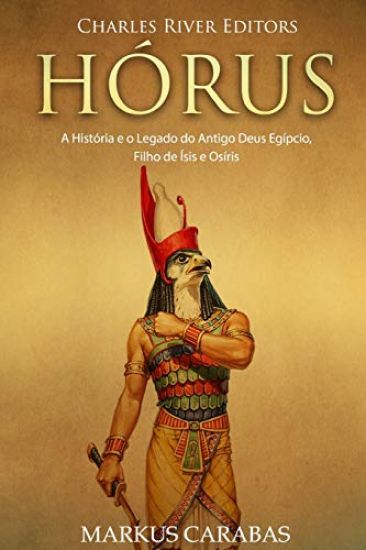
A frica pode ter dado origem os primeiros humanos, enquanto o Egito, provavelmente, deu origem s primeiras grandes civiliza es, que continuam a fascinar sociedades modernas por todo o mundo, mesmo depois de quase cinco mil anos. Da Biblioteca e do Farol de Alexandria Grande Pir mide de Giz , os antigos eg pcios criaram diversas maravilhas do mundo, revolucionaram a arquitetura e a constru o, criaram alguns dos primeiros sistemas de matem tica e medicina do mundo e estabeleceram idiomas e arte que se espalharam por todo o mundo conhecido. Com l deres mundialmente famosos como Rei Tut e Cle patra, n o de se admirar que hoje existem tantos egipt logos. Para os antigos eg pcios, como em qualquer sociedade composta por humanos curiosos, o mundo era um lugar confuso e muitas vezes assustador, repleto de destrui o, morte e fen menos inexplic veis. A fim de encontrar o sentido de tal exist ncia, eles recorreram s hist rias teleol gicas. Criar uma explica o para um fen meno, deixava-o menos horripilante e ajudava a dar sentido ao mundo que os rodeava. N o surpreende, portanto, que antigos deuses eg pcios tenham se infiltrado em todas as particularidades da exist ncia. H alguns personagens da mitologia eg pcia cujas imagens e nomes s o mais conhecidos que H rus. Seu nome provavelmente significava "O Distante," como o falc o celestial, e acreditava-se que suas asas se abriam ao longo de toda a extens o do c u distante e que seus olhos eram o sol e a lua. Tal nome trai a conex o de H rus com R , o deus "todo poderoso" do sol, e tamb m sugere que sua encarna o anterior fora um dos primeiros deuses celestiais da cren a religiosa eg pcia. Uma das primeiras imagens do Antigo Egito a de um falc o habitando a famosa "Barca Solar" de R , que os antigos eg pcios acreditavam atravessar o c u durante o dia e cruzar as perigosas terras dos mortos durante a noite. O lugar de H rus na Barca provavelmente o representa como "uma estrela ou planeta cruzando o Canal Sinuoso do c u," j que os eg pcios eram famosos por seu complexo sistema astron mico que incorporava diversos elementos m ticos, mas o papel dele na barca era muito mais do que ser apenas mais um na comitiva divina do deus-sol. A linhagem mitol gica de H rus o coloca como um descendente direto da En ade, os nove deuses e deusas que surgiram a partir de conceitos abstratos anteriores nas guas primordiais de "Nun". Isso o p e numa encruzilhada interessante em rela o a seu relacionamento com o grande pante o. N o fazer parte da En ade enfraquece a reivindica o de H rus pelo direito divino ao trono quando contrastado a Set, seu tio, que reivindica supremacia por ser um membro da En ade. O resultado deste confronto cria uma fascinante briga de poder e um mito, que teria ramifica es pelo mundo real ao longo de toda a vasta extens o da hist ria eg pcia. H rus, eventualmente, ascende ao trono do pai, Os ris, e por isso manteve uma profunda conex o com o trono do Egito unificado. Os primeiros deuses eram representados por falc es (h muito considerados membros da "Fam lia dos Falcon deos") transformando inimigos em presas, a raz o disso est no alicerce mitol gico da vida de H rus e tamb m na compreens o, pelo mundo real, da "hist ria" da linhagem real dos reis. Integrada aos mitos de H rus, est a no o de heran a real. Nascido do deus assassinado, Os ris, e da deusa m gica, sis, H rus, o mais novo, pelo menos, teve a vida definida pelo estabelecimento da linhagem real dos reis eg pcios. Para o leitor moderno ocidental, esta no o de deuses mortais e herdeiros do poder de seus pais pode parecer estranha, mas, para os antigos eg pcios, hist rias sobre disputas entre divindades mortais foram comuns ao decorrer da hist ria, e uma compreens o das nuances das cren as religiosas do Antigo Egito pode ajudar a evitar confus o.