- 33 illustrations - Coloring Book is 8.5" X 11". - Each drawing is printed on a separate sheet. - Below every drawing is information about the picture. - 5 extra pages at the back are for use to avoid bleed through. Saddle Pals coloring book is created from photos of the riding group known as the Sierra Saddle Pals. These horse lovers have enjoyed the beautiful trails through the Sierra Nevada mountain range for many years. All ages and varying artistic talents will enjoy this horse coloring book. Crayons, pencils, chalk, colored ink pens or pastels are different coloring mediums to choose from when adding your personal touch to these drawing. Coloring books are a great way to relax and help reduce stress. Frame your finished pages to display at home and work or delight a special person with one of your colored creations.
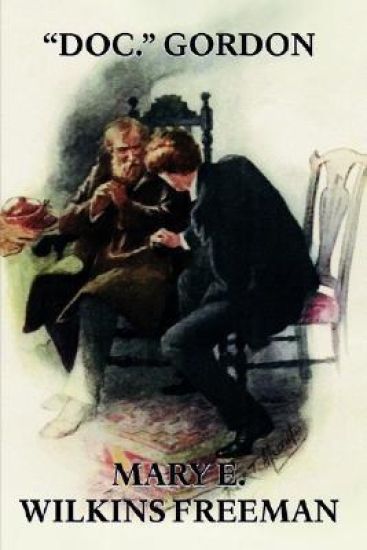
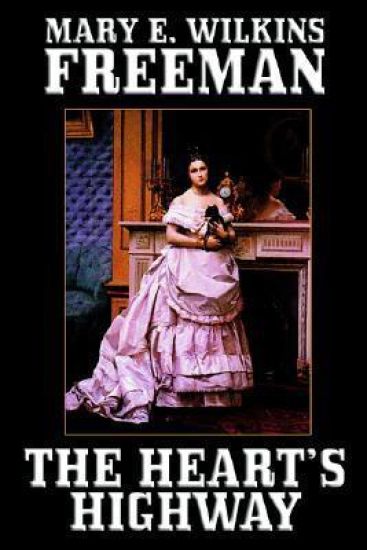
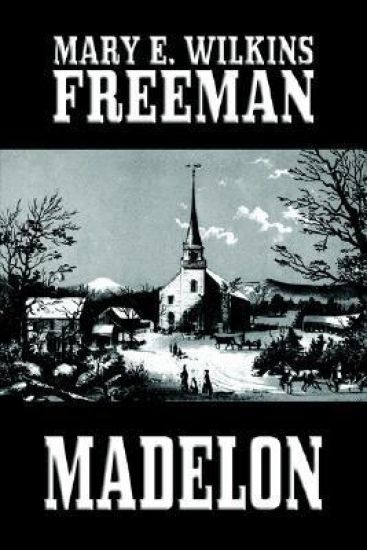
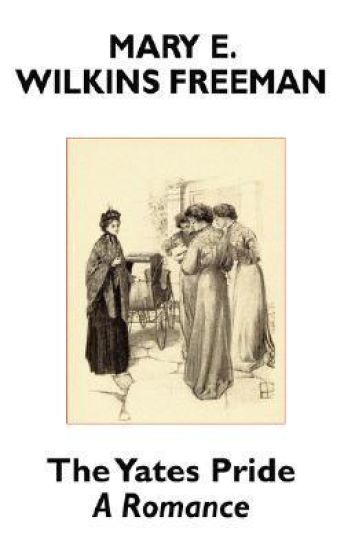
Originally published in 1936, here is a charming novel of a rural doctor's life, trials, and tribulations. Barter, conniving horse traders, and more face "Doc." Gordon on his rural rounds! MARY E. WILKINS FREEMAN (1852-1930) was born in Randolph, Massachusetts and died in Metuchen, New Jersey. Among her published regional short fiction and novels are A Humble Romance and Other Stories, A New England Nun and Other Stories, Jane Field, and The Portion of Labor. In 1926 she received the William Dean Howells Medal of the American Academy of Arts and Letters for distinction in fiction. That same year, she and Edith Wharton were among the first women to be elected to membership in the National Institute of Arts and Letters.
This fine collection includes sixteen of Mary E. Wilkins Freeman's classic stories: "The Pot of Gold," "The Cow with the Golden Horns," "The Christmas Monks," "The Silver Hen," and many more.
This great short story collection includes twelve of Mary E. Wilkins Freeman's best stories: "The Copy-Cat," "The Cock of the Walk," "Johnny-In-The-Woods," "Daniel and Little Dan'l," "Big Sister Solly," "Little Lucy Rose," "Noblesse," "Coronation," "The Amethyst Comb," "The Umbrella Man," "The Balking of Christopher," and "Dear Annie."
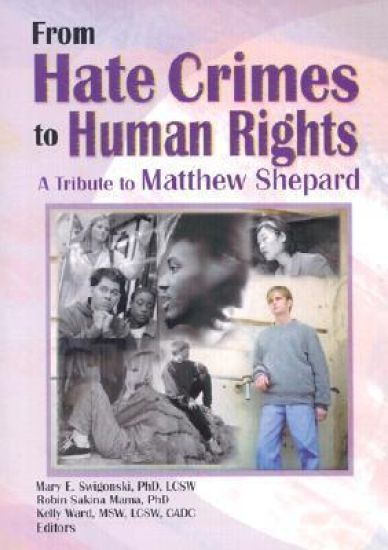
Fight for the human rights of LGBT individuals with strategies from this powerful book!From the intimate horror of domestic violence to the institutionalized heterosexism of marriage laws, this volume takes an unsparing look at the interconnections of prejudice and hate crimes in the lives of LGBT individuals. Bringing together original research and solidly grounded theory, From Hate Crimes to Human Rights: A Tribute to Matthew Shepard also offers fresh strategies so you can work effectively for social change. This moving, thoughtful volume begins with a friend's memoir of the murdered Matthew Shepard; this intimate glimpse is powerful testimony that hate crimes affect individuals, not just symbolic martyrs. From Hate Crimes to Human Rights drags hidden homophobia from the closet and examines it with clean, incisive intelligence. It tackles taboo topics, including: what the Bible really says about homosexuality how minority cultures sometimes foster hatred against the LGBT individuals in their midst why child welfare services don't protect LGBT youth from peer violence how internalized LGBT self-hatred can be expressed as domestic violenceHate crimes do not occur in a cultural vacuum. From Hate Crimes to Human Rights searches out the roots of hatred and suggests ways to eradicate them, drawing on economics, theology, and linguistics as well as sociology, history, and political science. Specific suggestions include: how to use language as a social and cultural change strategy what individuals and universities can do to promote human rights how to make use of the intersection of difference and tolerance to prevent hate crimes why equal treatment for LGBT individuals is a human rights issue, not a special-interest advantageFrom Hate Crimes to Human Rights provides powerful explanations of the ways hatred generates hate crimes and proposes positive action you can take to validate human rights. A Statement from the Authors One of the premises of this book is that if we want to progress from hate crimes to human rights, we must learn to respect, honor, and celebrate diversity. The chapter authors exemplify a rainbow of ethnicities, sexual orientations, and gender identities. Each of us is committed to advocate for human rights and to work to end hate crime. Toward those ends, the royalties from the sale of this book will go directly to a memorial fund that has been established at Monmouth University in Matthew Shepard's honor. The proceeds from that fund will be used to support students in their preparation for human rights advocacy.
Fight for the human rights of LGBT individuals with strategies from this powerful book!From the intimate horror of domestic violence to the institutionalized heterosexism of marriage laws, this volume takes an unsparing look at the interconnections of prejudice and hate crimes in the lives of LGBT individuals. Bringing together original research and solidly grounded theory, From Hate Crimes to Human Rights: A Tribute to Matthew Shepard also offers fresh strategies so you can work effectively for social change. This moving, thoughtful volume begins with a friend's memoir of the murdered Matthew Shepard; this intimate glimpse is powerful testimony that hate crimes affect individuals, not just symbolic martyrs. From Hate Crimes to Human Rights drags hidden homophobia from the closet and examines it with clean, incisive intelligence. It tackles taboo topics, including: what the Bible really says about homosexuality how minority cultures sometimes foster hatred against the LGBT individuals in their midst why child welfare services don't protect LGBT youth from peer violence how internalized LGBT self-hatred can be expressed as domestic violenceHate crimes do not occur in a cultural vacuum. From Hate Crimes to Human Rights searches out the roots of hatred and suggests ways to eradicate them, drawing on economics, theology, and linguistics as well as sociology, history, and political science. Specific suggestions include: how to use language as a social and cultural change strategy what individuals and universities can do to promote human rights how to make use of the intersection of difference and tolerance to prevent hate crimes why equal treatment for LGBT individuals is a human rights issue, not a special-interest advantageFrom Hate Crimes to Human Rights provides powerful explanations of the ways hatred generates hate crimes and proposes positive action you can take to validate human rights. A Statement from the Authors One of the premises of this book is that if we want to progress from hate crimes to human rights, we must learn to respect, honor, and celebrate diversity. The chapter authors exemplify a rainbow of ethnicities, sexual orientations, and gender identities. Each of us is committed to advocate for human rights and to work to end hate crime. Toward those ends, the royalties from the sale of this book will go directly to a memorial fund that has been established at Monmouth University in Matthew Shepard's honor. The proceeds from that fund will be used to support students in their preparation for human rights advocacy.
This text discusses and compares men's and women's career patterns in state government. It is based upon newly conducted original research surveys in six states. From this research, generalisations are made concerning commonalities and differences between men's and women's experiences in public adminstration at the state level. This is a new area of research: while much has been done at the federal level (and there is a federal database to work from) until now little work has been done and little data is available for the states.
This text discusses and compares men's and women's career patterns in state government. It is based upon newly conducted original research surveys in six states. From this research, generalisations are made concerning commonalities and differences between men's and women's experiences in public adminstration at the state level. This is a new area of research: while much has been done at the federal level (and there is a federal database to work from) until now little work has been done and little data is available for the states.
Focusing on private schools, this book makes an important contribution to our understanding of schools as social settings, illustrating their potential to create alternative cultures. Intriguing comparisons are made between the Waldorf School, a clear example of holistic education, and St. Catherine's, a traditional, elite college-preparatory school. The characteristics of each school are examined and compared. On the one hand, the Waldorf School, embracing an holistic model, advocates an aesthetically enriching life in harmony with nature for its students. Its emphasis on natural materials, as well as its developmental view of the child and curriculum focused on music and the arts, is unique. The Waldorf School asserts a romantic and progressive view of education that is relevant in a world that is becoming increasingly alienating and dehumanizing. On the other hand, St. Catherine's represents an academic elite model of education and faces the problems of our modern society in a different way, by teaching students to compete and excel in a competitive world while holding onto moral and ethical values. The schools' meanings are shown to be imbued through five cultural domains: history and myths; curriculum; rituals; time and space; and social relationships. The analysis reveals the schools' quite different responses to the world, to others, and toward the individual self.
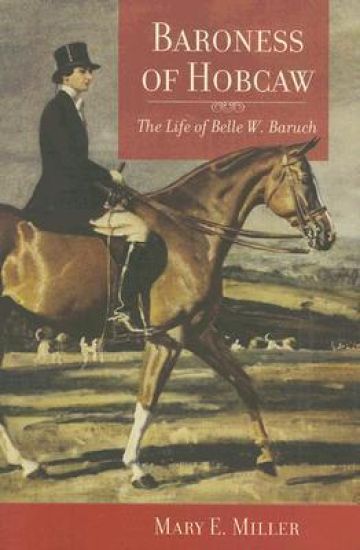
Daughter of the ""Wolf of Wall Street,"" Belle Baruch (1899-1964) could outride, outshoot, outhunt, and outsail most of the young men of her elite social circle. Unapologetic for her athleticism and interests in traditionally masculine pursuits, Baruch towered above male and female counterparts in height and daring. She is known today for the wildlife conservation and biological research center on the South Carolina coast that bears her family name. Belle's life reflects the world of wealthy northerners like the Vanderbilts and Luces who bought tracts of southern acreage. Miller details Belle's fox hunting at Hobcaw, show jumping at Deauville, flying her own plane, and traveling with Edith Bolling Wilson. She recounts Belle's efforts to win her mother's approval and her father's attention, as well as her unraveling relationships with friends, family, employees, and lovers - both male and female. Miller describes Belle's final success in saving Hobcaw from development as the overarching triumph of a tempestuous life.