
Kirjahaku
Etsi kirjoja tekijän nimen, kirjan nimen tai ISBN:n perusteella.
1000 tulosta hakusanalla Slason Thompson
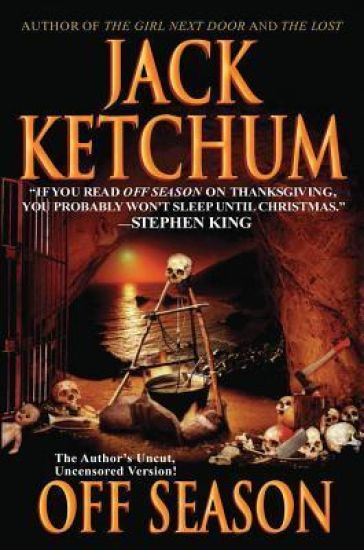
September. A beautiful New York editor retreats to a lonely cabin on a hill in the quiet Maine beach town of Dead River--off season--awaiting her sister and friends. Nearby, a savage human family with a taste for flesh lurks in the darkening woods, watching, waiting for the moon to rise and night to fall...And before too many hours pass, five civilized, sophisticated people and one tired old country sheriff will learn just how primitive we all are beneath the surface...and that there are no limits at all to the will to survive.This novel contains graphic content and is recommended for regular readers of horror novels.

Killing Season is an outback drama set in the fictional outpost of Dingo Flat in Central Australia. The mysterious and shocking death of eight tribal Aborigines ignites a wildfire of racial conflict that shakes Australian society. Traditional Aboriginal culture clashes head-on with the Northern Territory justice system. The police investigation struggles to find the killer while media attention and political activism combine to create an explosive scenario.


A Season of Giving for Children
J. A. Zilske
Createspace Independent Publishing Platform
2012
nidottu
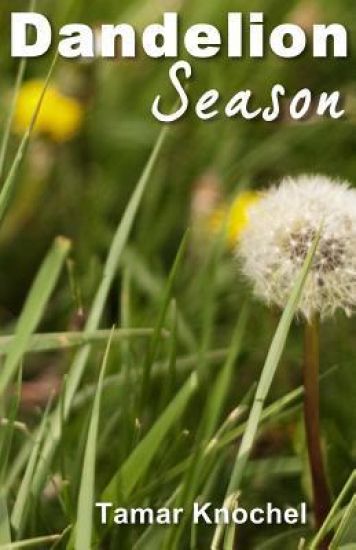
Dandelions, weeds... or flowers? You know, those plants growing in the gardens of our lives that we've deemed as "weeds", but are they really? Author Tamar Knochel lets you tag along on her own thirty-day journey. Showing you the flowers in life that we so often believe to be weeds. The battles we think are ours to win, victories we chalk up as defeats. Our God is an awesome God, join us in this thirty-day devotional to get just a small glimpse of just how awesome God can be.
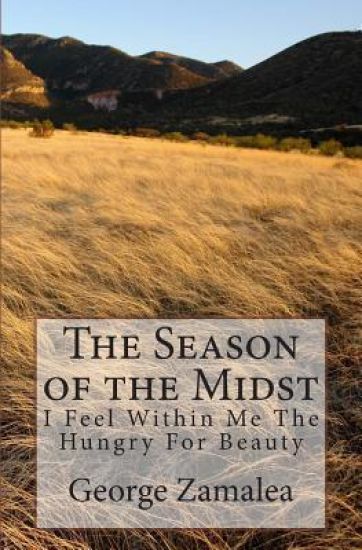
The Season of the Midst: I Feel Within Me The Hungry For Beauty
George Zamalea
Createspace Independent Publishing Platform
2013
nidottu

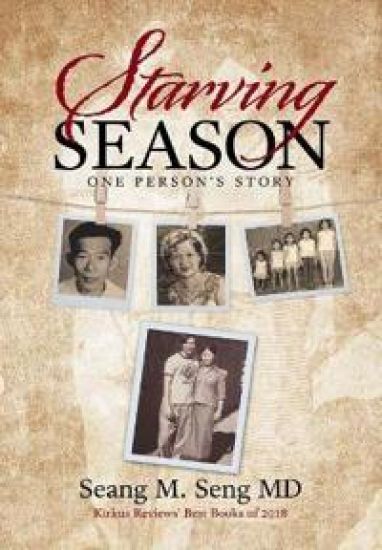
Seang Seng was born and raised in Cambodia, the Southeast Asian country Prince Sihanouk had coined an ?Island of Peace.? The Cambodian people knew only two natural seasons: the dry and the rainy. In the dry season, farmers celebrated the harvest. At the New Year, farmers and city dwellers alike brought rice and prepared foods to the temple to celebrate. During the rainy season, farmers prepared their fields and planted new crops with hopes for a bountiful future harvest. In the cities, students studied, moviegoers flocked to the popular cinemas, and sidewalk vendors hawked all manner of plentiful food and drink. But once the barbaric Khmer Rouge seized power in April 1975, they forcibly evacuated the cities, including the capital of Phnom Penh, and fourth-year medical student Seang Seng found himself and his family of 24 persons driven into a countryside of forced labor camps that would come to be known as the ""Killing Fields.""
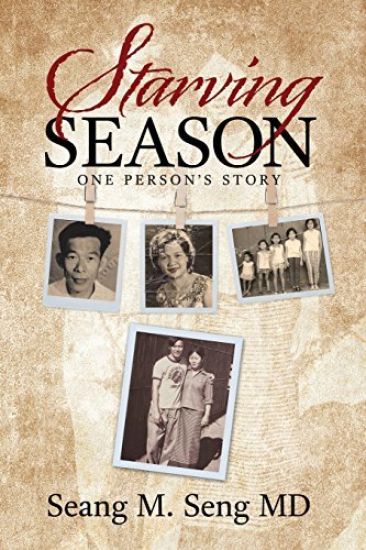
Seang Seng was born and raised in Cambodia, the Southeast Asian country Prince Sihanouk had coined an ?Island of Peace.? The Cambodian people knew only two natural seasons: the dry and the rainy. In the dry season, farmers celebrated the harvest. At the New Year, farmers and city dwellers alike brought rice and prepared foods to the temple to celebrate. During the rainy season, farmers prepared their fields and planted new crops with hopes for a bountiful future harvest. In the cities, students studied, moviegoers flocked to the popular cinemas, and sidewalk vendors hawked all manner of plentiful food and drink. But once the barbaric Khmer Rouge seized power in April 1975, they forcibly evacuated the cities, including the capital of Phnom Penh, and fourth-year medical student Seang Seng found himself and his family of 24 persons driven into a countryside of forced labor camps that would come to be known as the ""Killing Fields.""