The novels in this collection include one by a fierce opponent to the New Woman movement, as well as two from women whose work can be seen as archetypal New Woman fiction.
Observera att förlaget som ger ut denna produkt baserar innehållet i sina produkter på fria källor som Wikipedia. Boken är med stor sannolikhet endast ett utdrag ur dessa informationskällor, alltså inte en vanlig bok i den bemärkelsen.
AMINO ACIDS AND PROTEINS IN FOSSIL BIOMINERALS An essential cross-disciplinary guide to the proteins that form biominerals and that are preserved in the fossil record Amino Acids and Proteins in Fossil Biominerals is an authoritative guide to the patterns of survival and degradation of ancient biomolecules in the fossil record. The author brings together new research in biomineralization and ancient proteins to describe mechanisms of protein diagenesis. The book draws on the author's experiences as well as current information from three research fields: geochemistry, archaeology and Quaternary sciences. The author examines the history of the study of ancient proteins, from the dating of Quaternary biominerals to the present advances in shotgun proteomics, and discusses their applications across archaeology, geology and evolutionary biology. This important guide: Explores the main components of biomineralsDescribes the breakdown of proteins in fossilsReviews the applications of ancient protein studies Written for students and researchers of biomolecular archaeology and palaeontology, Amino Acids and Proteins in Fossil Biominerals provides a cross-disciplinary guide to the proteins responsible for the formation of biominerals and to the survival of biomolecules in the archaeological and palaeontological record. This book forms one volume of the popular New Analytical Methods in Earth and Environmental Science Series.
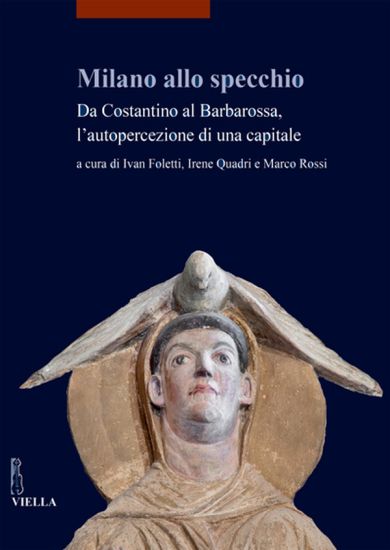
English summary: The seven essays of this book are connected through an analysis of Milan, from Late Antiquity to the high Middle Ages, through the lens of self-perception. This text -- with works by historians, archaeologists, art historians, and philologists -- allows us to better understand the identity of Milan. French description: L'autoreferenzialita quale prisma attraverso cui leggere la Milano tardoantica e medievale e il filo rosso sotteso ai sette saggi che compongono questo libro. Capitale dell'impero segnata dall'episcopato di Ambrogio, metropoli ecclesiastica di prim'ordine e potente Comune, la Milano medievale ha uno sviluppo eccezionale sulla lunga durata. Solo sporadicamente, pero, tale stratificazione - storica, culturale e materiale - e stata indagata in una prospettiva di autoreferenzialita, centrale invece per la mentalita medievale e soprattutto per una citta come Milano, dove la tradizione diviene garante del ruolo chiave che il capoluogo lombardo intende assumere nel corso del Medioevo. Il patrimonio immateriale e materiale della citta - significativamente rappresentato dalla basilica di Sant'Ambrogio, fulcro della cultura e della coscienza milanese - e indagato da un punto di vista pluridisciplinare. L'analisi di storici, archeologi, storici dell'arte e filologi permette d'individuare i punti nodali di questo meccanismo, fornendo una visione a tutto tondo per molti aspetti innovativa, al fine di meglio comprendere in che modo Milano si relazioni al proprio passato e come questo passato costituisca una continuita attraverso la quale plasmare un'immagine di se, diventando un aggregatore identitario fondamentale.