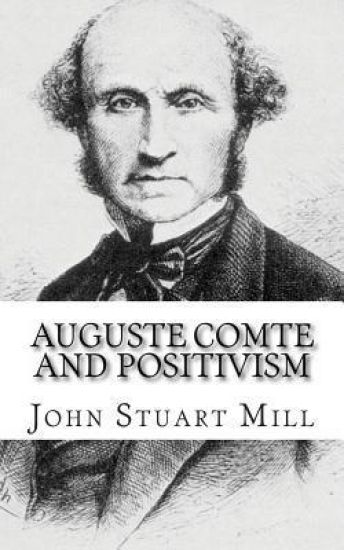
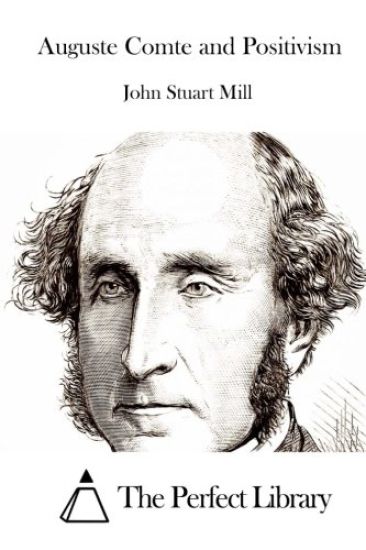
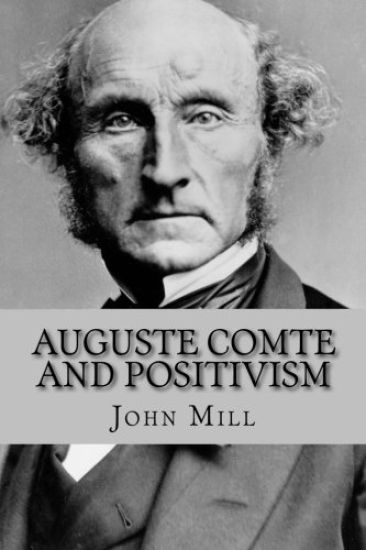
John Stuart Mill was an English philosopher, political economist and civil servant. One of the most influential thinkers in the history of liberalism, he contributed widely to social theory, political theory and political economy. He has been called "the most influential English-speaking philosopher of the nineteenth century." Mill's conception of liberty justified the freedom of the individual in opposition to unlimited state control. 8]Mill expresses his view on freedom by illustrating how an individual's drive to better their station, and for self-improvement, is the sole source of true freedom. Only when an individual is able to attain such improvements, without impeding others in their own efforts to do the same, can true freedom prevail. Mill's linking of freedom and self-improvement has inspired many. By establishing that individual efforts to excel have worth, Mill was able to show how they should achieve self-improvement without harming others, or society at large.
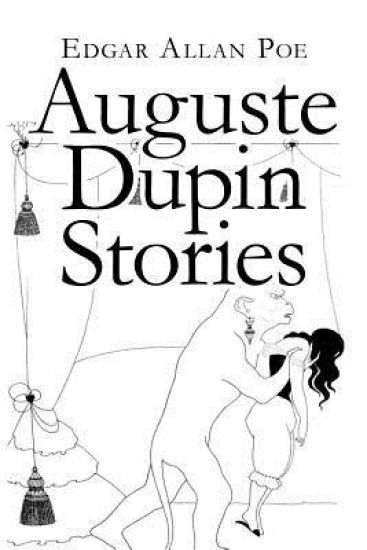
Auguste Dupin is the character created by Edgar Allan Poe and made his first appearance in Poe's "The Murders in the Rue Morgue" (1841), widely considered the first detective fiction story. He reappears in "The Mystery of Marie Rog t" (1842) and "The Purloined Letter" (1844), all included in this book. Dupin is not a professional detective and his motivations for solving the mysteries change throughout the three stories. Using what Poe termed "ratiocination", Dupin combines his considerable intellect with creative imagination, even putting himself in the mind of the criminal. His talents are strong enough that he appears able to read the mind of his companion, the unnamed narrator of all three stories. Poe created the Dupin character before the word detective had been coined. The character laid the groundwork for fictitious detectives to come, including Sherlock Holmes, and established most of the common elements of the detective fiction genre.