The ultimate nuts-and-bolts guide to foreign exchange operations The foreign exchange landscape is particularly risky since so much of the world is unregulated and takes place over the counter (off exchange). Brilliant traders and money managers who are profitable may find themselves underperforming, or worse, losing, simply because they failed to establish strong operations. In this book, David DeRosa provides industry players with everything they need for strong operational functions from all the types of trades to execution, master trading agreements, documentation, settlement, margin and collateral, and prime brokerage services. Contains vital work flow solutions for trading in the volatile foreign exchange marketplaceOffers information for mastering the operational aspect of foreign exchange trading to help determine best partners such as prime brokers and othersWritten by David DeRosa a leading foreign exchange expert who has consulted to hundreds of financial institutions Foreign Exchange Operations helps traders mitigate risks and offers a guide to all aspects of trading operations from mastering trading agreements to margin documentation.
Stresses how A/D and D/A converters operate, their important parameters and how to choose the best type for an application. Contains pertinent information on analog switches and comparators; reference voltages; how to power, ground and shield analog circuitry used in conversion systems to obtain desired accuracy and dynamic range. Features one of the few operational descriptions of code wheels used to perform rotational-to-digital conversion. Organized to allow readers to go directly to the subject conversion data of interest.
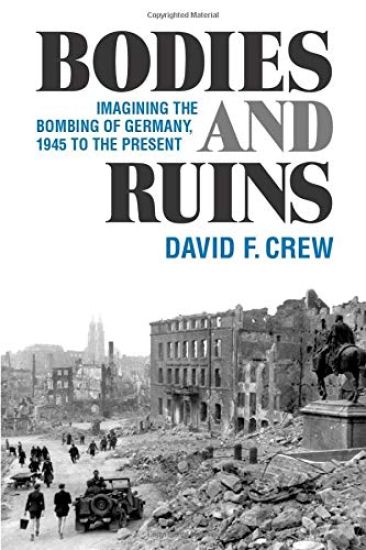
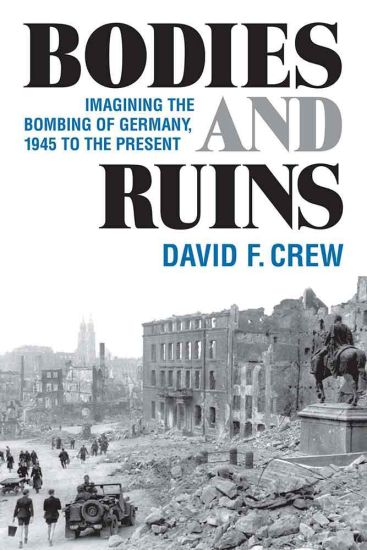
Bodies and Ruins explores changing German memories of World War II as it analyzes the construction of narratives in the postwar period including the depiction of the bombing of individual German cities. The book offers a corrective notion rising in the late 1990s notion that discussions of the Allied bombing were long overdue, because Germans who had endured the bombings had largely been condemned to silence after 1945. David Crew shows that far from being marginalized in postwar historical consciousness, the bombing war was in fact a central strand of German memory and identity. Local narratives of the bombing war, including photographic books, had already established themselves as important “vectors of memory” in the late 1940s and early 1950s. The bombing war had allowed Germans to see themselves as victims at a time when the Allied liberation of the concentration camps and the Nuremberg trials presented Germans to the world as perpetrators or at least as accomplices. The bombing war continued to serve this function even as Germans became more and more willing directly to confront the genocide of European Jews—which by the 1960s was beginning to be referred to as the Holocaust.Bodies and Ruins examines a range of local publications that carried photographic images of German cities destroyed in the air war, images that soon entered the visual memory of World War II. Despite its obvious importance, historians have paid very little attention to the visual representation of the bombing war. This book follows the search for what were considered to be the “right” stories and the “right” pictures of the bombing war in local publications and picture books from 1945 to the present, and is intended for historians as well as general readers interested in World War II, the Allied bombing of German cities, the Holocaust, the history of memory and photographic/visual history.
Bodies and Ruins explores changing German memories of World War II as it analyzes the construction of narratives in the postwar period including the depiction of the bombing of individual German cities. The book offers a corrective notion rising in the late 1990s notion that discussions of the Allied bombing were long overdue, because Germans who had endured the bombings had largely been condemned to silence after 1945. David Crew shows that far from being marginalized in postwar historical consciousness, the bombing war was in fact a central strand of German memory and identity. Local narratives of the bombing war, including photographic books, had already established themselves as important “vectors of memory” in the late 1940s and early 1950s. The bombing war had allowed Germans to see themselves as victims at a time when the Allied liberation of the concentration camps and the Nuremberg trials presented Germans to the world as perpetrators or at least as accomplices. The bombing war continued to serve this function even as Germans became more and more willing directly to confront the genocide of European Jews—which by the 1960s was beginning to be referred to as the Holocaust.Bodies and Ruins examines a range of local publications that carried photographic images of German cities destroyed in the air war, images that soon entered the visual memory of World War II. Despite its obvious importance, historians have paid very little attention to the visual representation of the bombing war. This book follows the search for what were considered to be the “right” stories and the “right” pictures of the bombing war in local publications and picture books from 1945 to the present, and is intended for historians as well as general readers interested in World War II, the Allied bombing of German cities, the Holocaust, the history of memory and photographic/visual history.
A fun and engaging way for young children to figure out concepts and solving problems on his or her own.Rookie Readers (Ages 5-7) have provided entertaining, high-quality introductions to reading for more than a generation. Each title features full-color, often hilarious illustrations and engaging stories that always involve a young child figuring out concepts or solving problems on his or her own. A little boy does everything the doctor tells him to do when he goes for his check-up.
European intellectual history of the late 19th and early 20th centuries presents a picture of extraordinary creative richness. Many historians have looked at this period as one of a "revolt against positivism in the attempts of thinkers such as Freud, Weber, Dilthey, and Durkheim to encompass and submit to strict investigation the irrational aspects of human behavior. At the same time, however, other thinkers such as Russell, Frege, Husserl, Wittgenstein, and Meinong were seeking to revise and expand the notion of reason itself through investigation of language and its relation to logic and psychology; this trend might be seen as a "revolt within positivism." David Lindenfeld shows that these two trends were integrally related in the thought of the Austrian philosopher Alexius Meinong, and that he was representative of the major trends of the age. Meinong played a role in several intellectual movements which are now thought of as distinct. He, like Husserl, studied under the philosopher Fraz Brentano, whose ideas inspired the phenomenological movement. In addition, however, Meinong exerted a decisive influence on Bertrand Russell in the early 1900's and thus also figures prominently in the history of British analytical philosophy. Furthermore, he developed a theory of values and their meaning which dealt with many of the issues raised by German social philosophers such as Weber and Dilthey. Finally, Meinong has an acknowledged place in the history of psychology, where he is cited as a precursor of the Gestalt psychology of Wertheimer, Kohler and Koffka. The first part of The Transformation of Positivism locates the background of Meinong's thought in the long-run traditions of British empiricism as well as in the political and social conditions of Austria in the late 19th century. The second part traces Meinong's intellectual development as he participated in the movement away from "psychologism"--the tendency to reduce all philosophical and social questions to psychological ones. After 1900, Meinong moved to a new concern with language and semantics, culminating in his "theory of objects." The third part shows how positivism, experimental psychology, and phenomenology developed away from Meinong's concepts to emerge as distinct, even opposed, by the 1920's. This title is part of UC Press's Voices Revived program, which commemorates University of California Press's mission to seek out and cultivate the brightest minds and give them voice, reach, and impact. Drawing on a backlist dating to 1893, Voices Revived makes high-quality, peer-reviewed scholarship accessible once again using print-on-demand technology. This title was originally published in 1980.
European intellectual history of the late 19th and early 20th centuries presents a picture of extraordinary creative richness. Many historians have looked at this period as one of a "revolt against positivism in the attempts of thinkers such as Freud, Weber, Dilthey, and Durkheim to encompass and submit to strict investigation the irrational aspects of human behavior. At the same time, however, other thinkers such as Russell, Frege, Husserl, Wittgenstein, and Meinong were seeking to revise and expand the notion of reason itself through investigation of language and its relation to logic and psychology; this trend might be seen as a "revolt within positivism." David Lindenfeld shows that these two trends were integrally related in the thought of the Austrian philosopher Alexius Meinong, and that he was representative of the major trends of the age. Meinong played a role in several intellectual movements which are now thought of as distinct. He, like Husserl, studied under the philosopher Fraz Brentano, whose ideas inspired the phenomenological movement. In addition, however, Meinong exerted a decisive influence on Bertrand Russell in the early 1900's and thus also figures prominently in the history of British analytical philosophy. Furthermore, he developed a theory of values and their meaning which dealt with many of the issues raised by German social philosophers such as Weber and Dilthey. Finally, Meinong has an acknowledged place in the history of psychology, where he is cited as a precursor of the Gestalt psychology of Wertheimer, Kohler and Koffka. The first part of The Transformation of Positivism locates the background of Meinong's thought in the long-run traditions of British empiricism as well as in the political and social conditions of Austria in the late 19th century. The second part traces Meinong's intellectual development as he participated in the movement away from "psychologism"--the tendency to reduce all philosophical and social questions to psychological ones. After 1900, Meinong moved to a new concern with language and semantics, culminating in his "theory of objects." The third part shows how positivism, experimental psychology, and phenomenology developed away from Meinong's concepts to emerge as distinct, even opposed, by the 1920's. This title is part of UC Press's Voices Revived program, which commemorates University of California Press's mission to seek out and cultivate the brightest minds and give them voice, reach, and impact. Drawing on a backlist dating to 1893, Voices Revived makes high-quality, peer-reviewed scholarship accessible once again using print-on-demand technology. This title was originally published in 1980.
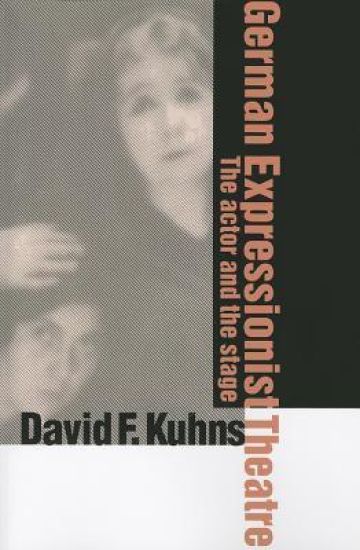
German Expressionist Theatre: The Actor and the Stage considers the powerfully stylized, anti-realistic styles of acting on the German Expressionist stage from 1916 to 1921. It relates this striking departure from the dominant European acting tradition of realism to the specific cultural crises that enveloped the German nation during the course of its involvement in World War I. This book describes three distinct Expressionist acting styles, all of which in their own ways attempted to show how symbolic stage performance could be a powerful rhetorical resource for a culture struggling to come to terms with the crises of historical change. The examination of Expressionist script and actor memoirs allows for an unprecedented focus on description and analysis of acting itself.
The Observation and Analysis of Stellar Photospheres describes the equipment, observational techniques, and analysis used in the investigation of stellar photospheres. This third edition builds on the success of the previous editions, improving the presentation, and revising topics and results to keep up to date with the latest research. The first half of the book develops the tools of analysis and the second half demonstrates how they can be applied. Topics covered include radiation transfer, models of stellar photospheres, spectroscopic equipment, observing stellar spectra, and techniques for measuring stellar characteristics. Useful real star data can be found throughout the text and in the appendices, and there are extensive references to the primary literature. This comprehensive textbook is suitable for advanced undergraduates and graduate students of stellar physics. Each chapter contains exercises to test understanding and a wealth of useful reference material is included.
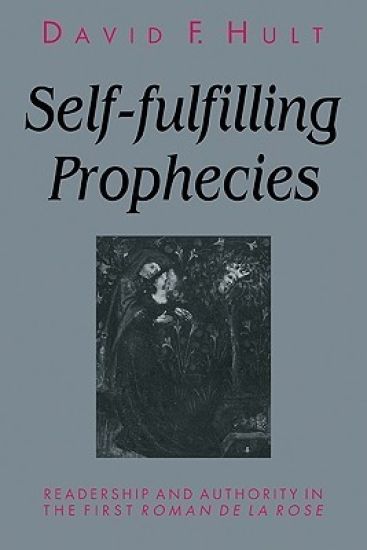
The thirteenth-century poem Roman de la Rose is one of the most significant literary contributions of the Middle Ages. The poem is a composite work by two separate authors; the first part, By Guillaume de Lorris, has always been viewed as an unfinished fragment made complete thanks to the work of his continuator. In Self-Fulfilling Prophecies David F. Hult offers a reading of the 'first' poem by Guillaume, viewed within its literary and cultural context. The book ultimately places into question such modern literary concerns as 'authorial intentionality', 'unity', 'originality' and 'textual closure', and will therefore be of interest to students of literary theory as well as to those specialising in medieval French literature. English translations of quotations from the poems are provided to ensure that a broader audience will benefit from this clearly argued study.
Do memory abilities decline with aging? Are changes in memory universal or differential? Do they occur similarly or differently for all types of memory and to all aging persons? These are some of the principal questions explored in the Victoria Longitudinal Study and presented in this volume. Although there is a tremendous amount of research comparing the memory performance of younger and older adults, very few studies have followed the same older adults over time. Only through the use of such longitudinal methods can one directly observe changes in memory functioning with aging. This monograph reports longitudinal data following the same individuals over a six-year period. The authors consider a variety of theoretical and methodological issues related to memory and aging.
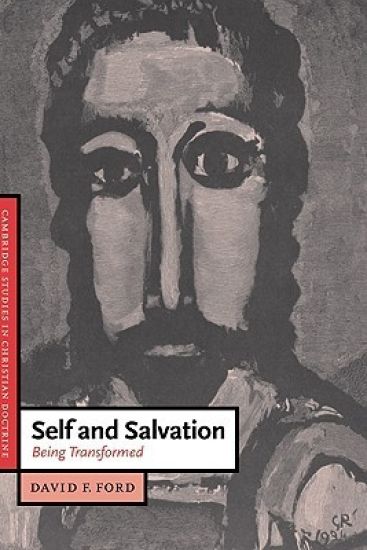
This eagerly awaited book by David F. Ford makes a unique and important contribution to the debate about the Christian doctrine of salvation. Using the pivotal image of the face, Professor Ford offers a constructive and contemporary account of the self being transformed. He engages with three modern thinkers (Levinas, Jüngel and Ricoeur) in order to rethink and reimagine the meaning of self. Developing the concept of a worshipping self, he explores the dimensions of salvation through the lenses of scripture, worship practices, the life, death and resurrection of Christ, and the lives of contemporary saints. He uses different genres and traditions to show how the self flourishes through engagement with God, other people, and the responsibilities and joys of ordinary living. The result is a habitable theology of salvation immersed in Christian faith, thought and practice while also being deeply involved with modern life in a pluralist world.
This eagerly awaited book by David F. Ford makes a unique and important contribution to the debate about the Christian doctrine of salvation. Using the pivotal image of the face, Professor Ford offers a constructive and contemporary account of the self being transformed. He engages with three modern thinkers (Levinas, Jüngel and Ricoeur) in order to rethink and reimagine the meaning of self. Developing the concept of a worshipping self, he explores the dimensions of salvation through the lenses of scripture, worship practices, the life, death and resurrection of Christ, and the lives of contemporary saints. He uses different genres and traditions to show how the self flourishes through engagement with God, other people, and the responsibilities and joys of ordinary living. The result is a habitable theology of salvation immersed in Christian faith, thought and practice while also being deeply involved with modern life in a pluralist world.
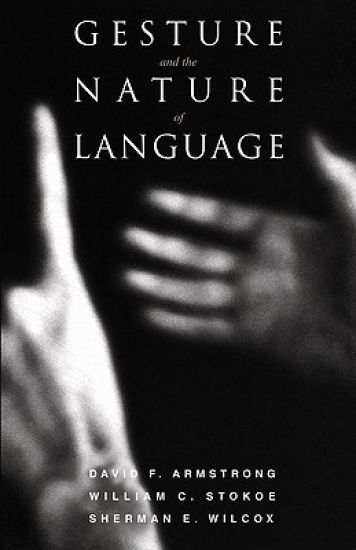
This book proposes a radical alternative to dominant views of the evolution of language, and in particular the origins of syntax. The authors argue that manual and vocal communication developed in parallel, and that the basic elements of syntax are intrinsic to gesture. They draw on evidence from areas such as primatology, anthropology, and linguistics, to present a groundbreaking account of the notion that language emerged through visible bodily action. They go on to examine the implications of their findings for linguistic theory and theories of the biological evolution of the capacity for language. Written in a clear and accessible style, Gesture and the Nature of Language will be indispensable reading for all those interested in the origins of language.
Do memory abilities decline with aging? Are changes in memory universal or differential? Do they occur similarly or differently for all types of memory and to all aging persons? These are some of the principal questions explored in the Victoria Longitudinal Study and presented in this volume. Although there is a tremendous amount of research comparing the memory performance of younger and older adults, very few studies have followed the same older adults over time. Only through the use of such longitudinal methods can one directly observe changes in memory functioning with aging. This monograph reports longitudinal data following the same individuals over a six-year period. The authors consider a variety of theoretical and methodological issues related to memory and aging.
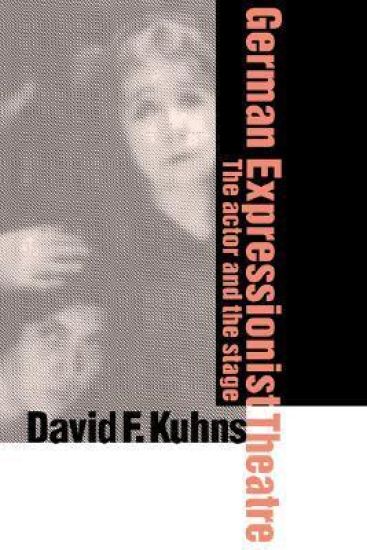
German Expressionist Theatre: The Actor and the Stage considers the powerfully stylised, anti-realistic styles of acting on the German Expressionist stage from 1916 to 1921. It relates this striking departure from the dominant European acting tradition of realism to the specific cultural crises that enveloped the German nation during the course of its involvement in World War I. Unlike any of the very few publications in English on stage Expressionism, this book describes three distinct Expressionist acting styles, all of which in their own ways attempted to show how symbolic stage performance could be a powerful rhetorical resource for a culture struggling to come to terms with the crises of historical change. The examination of previously untranslated portions of Expressionist script and actor memoirs allows for an unprecedented focus on description and analysis of acting itself.
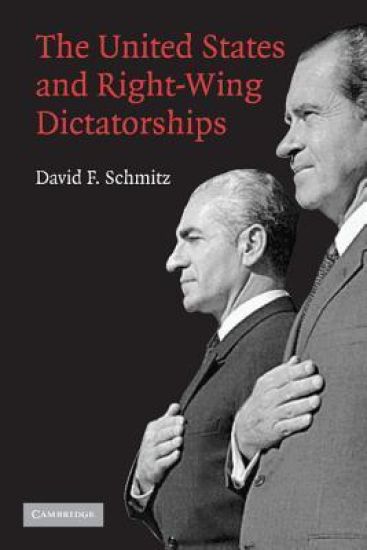
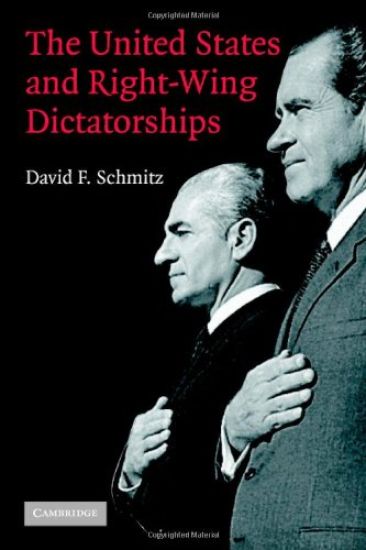
Building on Schmitz's earlier work, Thank God They're on our Side, this is an examination of American policy toward right-wing dictatorships from the 1960s to the end of the Cold War. During the 1920s American leaders developed a policy of supporting authoritarian regimes because they were seen as stable, anti-communist, and capitalist. After 1965, however, American support for these regimes became a contested issue. The Vietnam War served to undercut the logic and rationale of supporting right-wing dictators. By systematically examining US support for right-wing dictatorships in Africa, Latin America, Europe, and Asia, and bringing together these disparate episodes, this book examines the persistence of older attitudes, the new debates brought about by the Vietnam War, and the efforts to bring about changes and an end to automatic US support for authoritarian regimes.
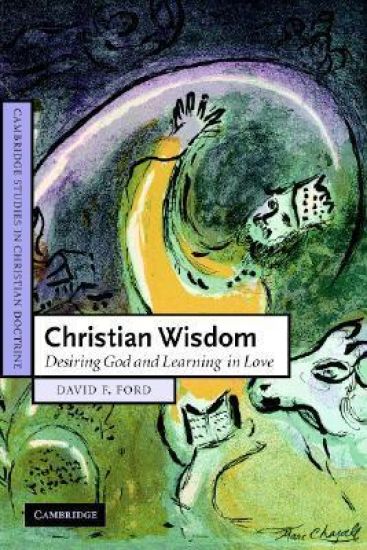
What is Christian wisdom for living in the twenty-first century? Where is it to be found? How can it be learnt? In the midst of diverse religions and worldviews and the demands and complexities of our world, David Ford explores a Christian way of uniting love of wisdom with wisdom in love. Core elements are the 'discernment of cries', the love of God for God's sake, interpretation of scripture, and the shaping of desire in faith. Case studies deal with inter-faith wisdom among Jews, Christians and Muslims, universities as centres of wisdom as well as knowledge and know-how and the challenge of learning disabilities. Throughout, there is an attempt to do justice to the premodern, modern and postmodern while grappling with scripture, tradition and the cries of the world today. Ford opens up the rich resources of Christianity in engaging with the issues and urgencies of contemporary life.
Building on Schmitz's earlier work, Thank God They're on our Side, this is an examination of American policy toward right-wing dictatorships from the 1960s to the end of the Cold War. During the 1920s American leaders developed a policy of supporting authoritarian regimes because they were seen as stable, anti-communist, and capitalist. After 1965, however, American support for these regimes became a contested issue. The Vietnam War served to undercut the logic and rationale of supporting right-wing dictators. By systematically examining US support for right-wing dictatorships in Africa, Latin America, Europe, and Asia, and bringing together these disparate episodes, this book examines the persistence of older attitudes, the new debates brought about by the Vietnam War, and the efforts to bring about changes and an end to automatic US support for authoritarian regimes.