

Kirjahaku
Etsi kirjoja tekijän nimen, kirjan nimen tai ISBN:n perusteella.
1000 tulosta hakusanalla G. E. Lessing


G. E. Lessings Schriften. Teil 3/4
De Gruyter
1770
sidottu

G. E. Lessings Schriften. Teil 5/6
De Gruyter
1771
sidottu

G. E. Lessings Umgang mit der Fabeltradition in "Der Rabe und der Fuchs"
Anonymous
GRIN Verlag
2022
nidottu
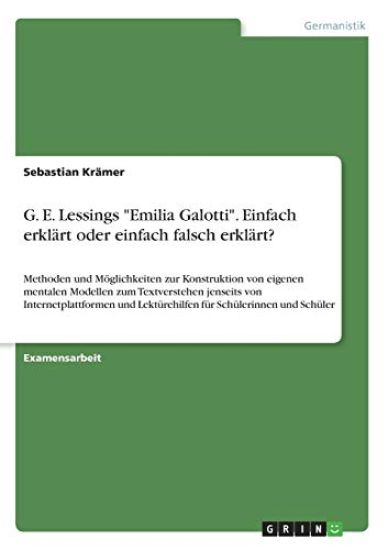
G. E. Lessings "Emilia Galotti". Einfach erklärt oder einfach falsch erklärt?
Sebastian Krämer
GRIN Verlag
2018
nidottu

The Hamburg Dramaturgy by G.E. Lessing
Routledge
2018
sidottu
While eighteenth-century playwright and critic Gotthold Ephraim Lessing made numerous contributions in his lifetime to the theater, the text that best documents his dynamic and shifting views on dramatic theory is also that which continues to resonate with later generations – the Hamburg Dramaturgy (Hamburgische Dramaturgie, 1767–69). This collection of 104 short essays represents one of the eighteenth century’s most important critical engagements with the theater and its potential to promote humanistic discourse. Lessing’s essays are an immensely erudite, deeply engaged, witty, ironic, and occasionally scathing investigation of European theatrical culture, bolstered by deep analysis of Aristotelian dramatic theory and utopian visions of theater as a vehicle for human connection. This is the first complete English translation of Lessing's text, with extensive annotations that place the work in its historical context. For the first time, English-language readers can trace primary source references and link Lessing’s observations on drama, theory, and performance not only to the plays he discusses, but also to dramatic criticism and acting theory. This volume also includes three introductory essays that situate Lessing’s work both within his historical time period and in terms of his influence on Enlightenment and post-Enlightenment theater and criticism.The newly translated Hamburg Dramaturgy will speak to dramaturgs, directors, and humanities scholars who see theater not only for entertainment, but also for philosophical and political debate.
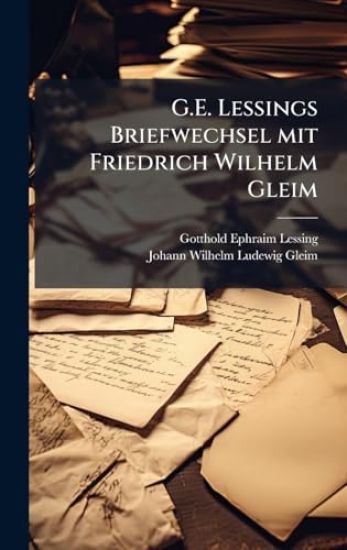
G.E. Lessings Briefwechsel mit Friedrich Wilhelm Gleim
Gotthold Ephraim Lessing
Hutson Street Press
2025
sidottu
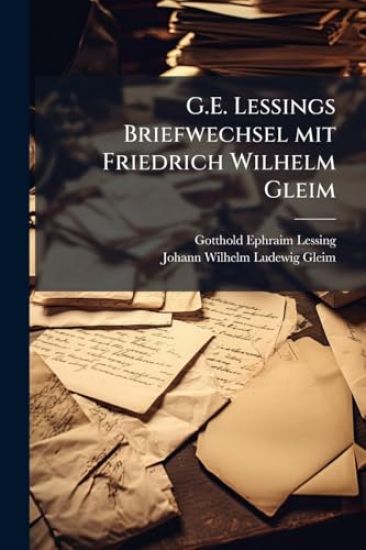
G.E. Lessings Briefwechsel mit Friedrich Wilhelm Gleim
Gotthold Ephraim Lessing
Hutson Street Press
2025
pokkari
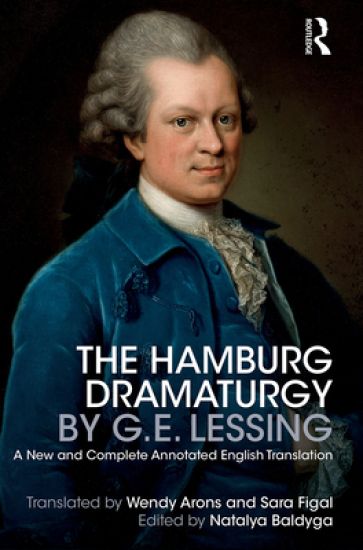
The Hamburg Dramaturgy by G.E. Lessing
Taylor Francis Ltd
2021
nidottu
While eighteenth-century playwright and critic Gotthold Ephraim Lessing made numerous contributions in his lifetime to the theater, the text that best documents his dynamic and shifting views on dramatic theory is also that which continues to resonate with later generations – the Hamburg Dramaturgy (Hamburgische Dramaturgie, 1767–69). This collection of 104 short essays represents one of the eighteenth century’s most important critical engagements with the theater and its potential to promote humanistic discourse. Lessing’s essays are an immensely erudite, deeply engaged, witty, ironic, and occasionally scathing investigation of European theatrical culture, bolstered by deep analysis of Aristotelian dramatic theory and utopian visions of theater as a vehicle for human connection. This is the first complete English translation of Lessing's text, with extensive annotations that place the work in its historical context. For the first time, English-language readers can trace primary source references and link Lessing’s observations on drama, theory, and performance not only to the plays he discusses, but also to dramatic criticism and acting theory. This volume also includes three introductory essays that situate Lessing’s work both within his historical time period and in terms of his influence on Enlightenment and post-Enlightenment theater and criticism.The newly translated Hamburg Dramaturgy will speak to dramaturgs, directors, and humanities scholars who see theater not only for entertainment, but also for philosophical and political debate.

Unver nderter Nachdruck der Originalausgabe von 1881.

Unver nderter Nachdruck der Originalausgabe von 1881.
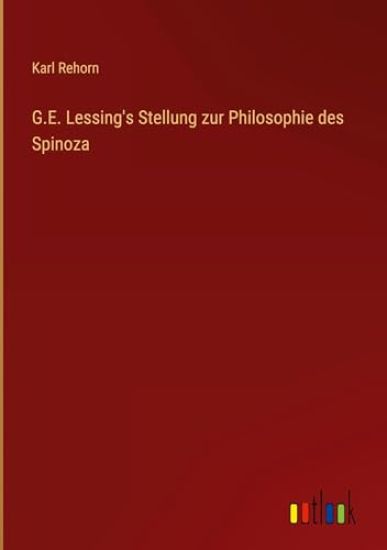



Unver nderter Nachdruck der Originalausgabe von 1864.