

Kirjahaku
Etsi kirjoja tekijän nimen, kirjan nimen tai ISBN:n perusteella.
1000 tulosta hakusanalla Giulio Carcano
La vittoria di Giulio Cesare sugli Elvezii pittura a fresco di Demin
Giuseppe Defendi
Outlook Verlag
2024
pokkari
Ristampa immutata dell'edizione originale del 1838.
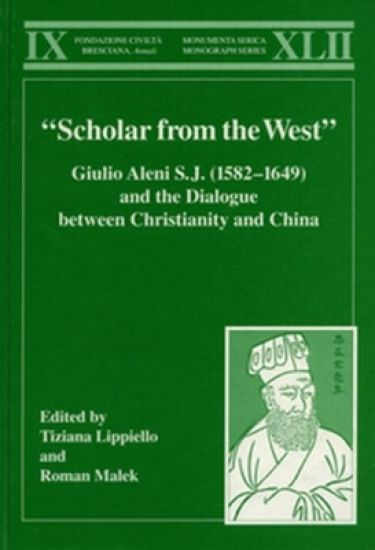
“Scholar from the West” Giulio Aleni S.J. (1582–1649) and the Dialogue between Christianity and China
Tiziana Lippiello; Roman Malek
Steyler Verlagsbuchhandlung GmbH
1997
sidottu
The volume contains the proceedings of an international symposium organized by the Fondazione Civilta Bresciana in Brescia, Italy in 1994. It comprises 28 scholary articles in English, divided into five sections.

La vittoria di Giulio Cesare sugli Elvezii pittura a fresco di Demin
Giuseppe Defendi
Antigonos Verlag
2025
pokkari

Life and Works of Giorgio Giulio Clovio Miniaturist with Notices of His Contemporaries and of the Art of Book Decoration in the Sixteenth Century
John W. Bradley
KESSINGER PUBLISHING CO
2007
sidottu

L'Historie Romane Di Lucio Giulio Floro (1639)
Lucius Annaeus Florus; Santi Conti
KESSINGER PUBLISHING, LLC
2009
pokkari

La Vita E Le Opere Di Giulio Cesare Croce (1879)
Olindo Guerrini
KESSINGER PUBLISHING, LLC
2009
pokkari

Storia Della Vita Di Cajo Giulio Cesare Tratta Dagli Autori Originali V3 (1777)
Giuseppe Maria Secondo
KESSINGER PUBLISHING, LLC
2009
pokkari
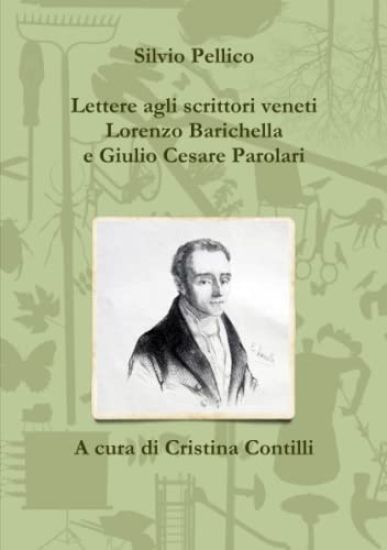
Lettere Agli Scrittori Veneti Lorenzo Barichella e Giulio Cesare Parolari (1835-1846)
Silvio Pellico
Lulu.com
2015
nidottu
I destinatari delle lettere di Silvio Pellico raccolte in questo volume sono due scrittori veneti, il primo per nascita (Barichella e nato e vissuto, infatti, nella sua amata Vicenza dove ancora oggi nella Biblioteca Civica sono conservati i suoi autografi e le sue numerose pubblicazioni), il secondo per adozione (Parolari, era nato, infatti, a Napoli, ma ha vissuto per molti anni a Venezia). Queste lettere rappresentano l'evoluzione del gusto e delle idee letterarie del Pellico in un periodo poco studiato della sua vita che va dal 1835 al 1846, dal periodo in cui Pellico lavorava ad alcune cantiche di ambientazioni medievale e alla propria autobiografia ad una stagione in cui aveva messo da parte la poesia per dedicarsi principalmente alle opere di carita al seguito della marchesa Di Barolo di cui era divenuto segretario.

Life and Works of Giorgio Giulio Clovio Miniaturist with Notices of His Contemporaries and of the Art of Book Decoration in the Sixteenth Century
John W. Bradley
KESSINGER PUBLISHING CO
2004
pokkari


Avrebbe dovuto essere da tutt

The life and works of Giorgio Giulio Clovio, miniaturist, with notices of his contemporaries, and of the art of book decoration in the sixteenth century
John William Bradley
Alpha Edition
2019
pokkari

Exploring Sixteenth-Century Italy Through the Poems of Giulio Cesare Croce
Lena Breda
TAYLOR FRANCIS LTD
2026
sidottu
This volume translates the poems of Giulio Cesare Croce: a sixteenth-century street poet and singer who plied his trade on the bustling streets of Bologna. Though widely popular in his time, Croce’s work has been largely neglected by modern scholarship, and his poems remain largely untranslated into English—despite their frequent reference by Italian academics who recognize their value as vivid windows into Early Modern life. This collection remedies this absence by providing the first English translation for many of Croce’s poems, bringing out (rather than obscuring) their uncouth and bawdy nature. It argues for the use of Croce’s poems within historical inquiry, demonstrating their unique contribution to our understanding of Early Modern Italy. His poems illuminate a genre often forgotten due to its oral and ephemeral nature and reveal the lived experiences of the pre-modern non-elite, displaying the flavor and character of their daily lives. Organized into four thematic chapters, the translated poems are accompanied by contextual introductions that explore various dimensions of pre-modern life. Explanatory footnotes further situate Croce’s works within their literary and historical context, making the collection accessible to scholars, students, and general readers interested in Early Modern Italian history and popular literature.
