Kirjojen hintavertailu. Mukana 11 244 527 kirjaa ja 12 kauppaa.

Kirjahaku

Etsi kirjoja tekijän nimen, kirjan nimen tai ISBN:n perusteella.

1000 tulosta hakusanalla Helen C Zachary

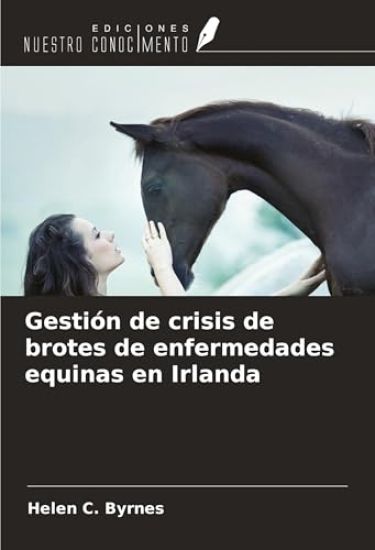
Krisenmanagement bei Ausbrüchen von Pferdekrankheiten in Irland
Am 1. Juli 2009 verk ndete das Landwirtschaftsministerium die Verordnung Nr. 504/2008. Die Verordnung schreibt vor, dass alle Equiden (Pferde, Zebras, Esel, Maultiere usw.), die vor dem 1. Juli geboren wurden, mit einem Mikrochip versehen werden m ssen. Ziel der Verordnung war es, das System zur Identifizierung von Equiden durch die Implantation eines Mikrochips unter die Haut zu verbessern. Jeder Mikrochip enth lt eine eindeutige Lebensnummer f r Equiden (UELN), die im Tierpass des Tieres eingetragen wird. Am 1. Juli 2012 trat in Irland ein neues Gesetz in Kraft, das "Horse Premises Register" (HPR), das alle Einrichtungen, in denen Equiden gehalten werden, dazu verpflichtet, sich beim Landwirtschaftsministerium zu registrieren. Der einzige Zweck dieser neuen Verordnung, die Teil des Gesetzes ber Tierkrankheiten von 1966 ist, bestand darin, die Bewegung von Equiden, die von Krankheiten betroffen sind, zu berwachen. Diese Studie untersuchte die Durchf hrbarkeit dieser Gesetze im Zusammenhang mit dem Krisenmanagement bei Ausbr chen von Pferdekrankheiten in Irland. Es wurde auch ein vorgeschlagener Rahmen geschaffen, um Besitzer und Pfleger bei Ausbr chen von Pferdekrankheiten zu unterst tzen.
Gestion de crise des épidémies de maladies équines en Irlande
Le 1er juillet 2009, le minist re de l'Agriculture a annonc le r glement n 504/2008. Ce r glement pr voit que tous les quid s (cheval, z bre, ne, mule, etc.) n s avant le 1er juillet doivent tre munis d'une puce lectronique. L'objectif de ce r glement est d'am liorer le syst me d'identification des quid s par l'implantation d'une puce sous la peau. Chaque puce contient un num ro unique de vie quine (UELN) et ce num ro est enregistr sur le passeport d livr l'animal. Le 1er juillet 2012, l'Irlande a vu l'introduction d'une nouvelle loi, The Horse Premises Register (HPR), qui est entr e en vigueur et qui fait de l'enregistrement aupr s du minist re de l'agriculture une obligation l gale pour tous les tablissements h bergeant des quid s. Cette nouvelle r glementation, qui s'inscrit dans le cadre de la loi de 1966 sur les maladies animales, a pour seul objectif de contr ler les mouvements d' quid s atteints de maladies. Cette recherche a tudi la faisabilit de ces lois dans le cadre de la gestion de crise des pid mies de maladies quines en Irlande. Une proposition de cadre a galement t cr e pour aider les propri taires et les soignants lors de l'apparition de foyers de maladies quines.
Gestione della crisi dei focolai di malattie equine in Irlanda
Il 1 luglio 2009 il Dipartimento dell'Agricoltura ha annunciato il regolamento n. 504/2008. Il regolamento prevedeva che tutti gli equidi (cavallo, zebra, asino, mulo, ecc.) nati prima del 1 luglio fossero dotati di microchip. L'obiettivo del regolamento era quello di migliorare il sistema di identificazione degli equidi attraverso l'impianto di un micro-chip sotto la pelle. Ogni microchip contiene un numero unico di vita dell'equide (UELN) che viene registrato sul passaporto rilasciato all'animale. Il 1 luglio 2012 l'Irlanda ha visto l'introduzione di una nuova legge, l'Horse Premises Register (HPR), che ha reso obbligatoria la registrazione presso il Ministero dell'Agricoltura per tutti i locali che ospitano equidi. L'unico scopo di questa nuova normativa, parte del Diseases of Animals Act del 1966, era quello di monitorare il movimento degli equidi affetti da malattie. Questa ricerca ha analizzato la fattibilit di queste leggi in relazione alla gestione della crisi dei focolai di malattie equine in Irlanda. stato inoltre proposto un quadro di riferimento per aiutare i proprietari e gli assistenti quando si verificano focolai di malattie equine.
Zarzadzanie kryzysowe ogniskami chorób koni w Irlandii

Zarzadzanie kryzysowe ogniskami chorób koni w Irlandii

Helen C Byrnes

Wydawnictwo Nasza Wiedza
2025
pokkari
1 lipca 2009 roku Departament Rolnictwa oglosil rozporządzenie nr 504/2008. Rozporządzenie wymagalo, aby wszystkie zwierzęta z rodziny koniowatych (konie, zebry, osly, muly itp.) urodzone przed 1 lipca byly oznakowane mikroczipem. Celem rozporządzenia bylo usprawnienie systemu identyfikacji koniowatych poprzez wszczepienie mikrochipu pod sk rę. Każdy mikroczip zawiera unikalny numer życia koniowatego (UELN), kt ry jest zapisywany w paszporcie wydawanym zwierzęciu. W dniu 1 lipca 2012 r. w Irlandii weszlo w życie nowe prawo, The Horse Premises Register (HPR), wprowadzające wym g rejestracji w Departamencie Rolnictwa dla wszystkich obiekt w, w kt rych znajdują się zwierzęta koniowate. Jedynym celem tego nowego rozporządzenia, będącego częścią ustawy o chorobach zwierząt z 1966 r., bylo monitorowanie przemieszczania się koniowatych dotkniętych chorobami. W ramach niniejszego badania zbadano wykonalnośc tych przepis w w odniesieniu do zarządzania kryzysowego ogniskami chor b koni w Irlandii. Stworzono r wnież proponowane ramy, aby pom c wlaścicielom i opiekunom w przypadku wystąpienia ognisk chor b koni.
Gestão de crises de surtos de doenças de equídeos na Irlanda
Em 1 de julho de 2009, o Minist rio da Agricultura anunciou o Regulamento n. 504/2008. O regulamento exigia que todos os equ deos (cavalo, zebra, burro, mula, etc.) nascidos antes de 1 de julho fossem microchipados. O objetivo do regulamento era melhorar o sistema de identifica o dos equ deos atrav s da implanta o de um microchip sob a pele. Cada microchip cont m um n mero nico de vida equina (UELN) e este n mero registado no passaporte emitido para o animal. Em 1 de julho de 2012, a Irlanda viu entrar em vigor uma nova lei, o Registo de Instala es para Cavalos (HPR), tornando assim um requisito legal que todas as instala es que contenham equ deos se registem no Departamento de Agricultura. O nico objetivo deste novo regulamento, que faz parte do Diseases of Animals Act de 1966, era controlar a circula o de equ deos afectados por doen as. Esta investiga o investigou a viabilidade destas leis em rela o gest o de crises de surtos de doen as dos equ deos na Irlanda. Foi tamb m criado um quadro proposto para ajudar a apoiar os propriet rios e os prestadores de cuidados quando ocorrem surtos de doen as dos equ deos.
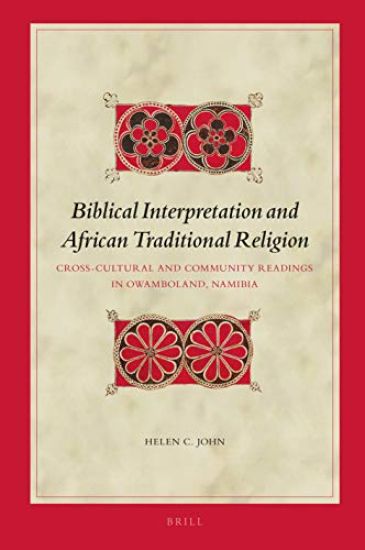
Biblical Interpretation and African Traditional Religion: Cross-Cultural and Community Readings in Owamboland, Namibia
In Biblical Interpretation and African Traditional Religion, Helen C. John juxtaposes grassroots biblical interpretations from Owamboland, Namibia, with professional interpretations of selected New Testament texts, effectively demonstrating the capacity of grassroots interpretations to destabilise, challenge and nuance dominant professional interpretations. John uses a cross-cultural and dialogical approach - 'Cross-Cultural Biblical Interpretation Groups' - to explore the relationship between African Traditional Religion (ATR), Christianity and biblical interpretation in Owamboland, Namibia. She contextualises the grassroots Owambo interpretations using fieldwork experiences and ethnographic literature, thus heightening the cross-cultural encounter. In particular, John reflects on Western epistemologies and the Eurocentric interpretative trends that are brought into relief by the African interpretations gathered in Owamboland.
Japanese Costume

Japanese Costume

Helen C Gunsaulus

Alpha Edition
2021
pokkari
This book has been considered by academicians and scholars of great significance and value to literature. This forms a part of the knowledge base for future generations. So that the book is never forgotten we have represented this book in a print format as the same form as it was originally first published. Hence any marks or annotations seen are left intentionally to preserve its true nature.
Alice's Blighted Profession

Alice's Blighted Profession

Helen C Clifford

ALPHA EDITION
2021
pokkari
This book has been considered by academicians and scholars of great significance and value to literature. This forms a part of the knowledge base for future generations. So that the book is never forgotten we have represented this book in a print format as the same form as it was originally first published. Hence any marks or annotations seen are left intentionally to preserve its true nature.
The Mistletoe Bough

The Mistletoe Bough

Helen C Knight

Alpha Editions
2023
nidottu
The Rocket: The Story of the Stephensons, Father and Son, a classical and rare book that has been considered essential throughout human history, so that this work is never forgotten, we at Alpha Editions have made efforts in its preservation by republishing this book in a modern format for present and future generations. This whole book has been reformatted, retyped and designed. These books are not made of scanned copies of their original work and hence the text is clear and readable.
The Unadjusted Girl, With Cases and Standpoint for Behavior Analysis (Edition1)
Puffing Billy and the Prize "Rocket"; or, the story of the Stephensons and our Railways., est un livre classique et a t consid r comme important tout au long de l'histoire de l'humanit . Afin que ce livre ne soit jamais oubli , chez Alpha Editions, nous avons fait des efforts pour le pr server en le r ditant dans un format moderne pour les g n rations pr sentes et futures. Tout ce livre a t reformat , retap et con u. Ces livres ne sont pas constitu s de copies num ris es de leur oeuvre originale et le texte est donc clair et lisible.
The DICE Approach

The DICE Approach

Helen C. Kales; Mary Blazek

Michigan Publishing Services
2026
nidottu
Internationally renowned and 3rd Edition now available to the public! The DICE Approach is the leading evidence-informed method for assessing and managing responsive behaviors in dementia. The creators of The DICE Approach have written an easy-to-understand and use manual to help guide family or facility caregivers through the use of the method. There are an estimated 16 million informal (family or friend) caregivers of people living with dementia in the US and those numbers will increase rapidly as baby boomers age. While dementia is often thought of by the general public as a “memory” disorder”, memory problems are almost universally accompanied by behavioral symptoms including depression, anxiety, apathy, hallucinations, agitation, aggression and many more. One or more of these behaviors will affect nearly every person with dementia over the course of the illness, causing one of the most difficult, stressful and costly aspects of care, and often, stress, burden and depression in caregivers. These symptoms are most often treated with psychiatric medications, but in many cases, we are merely sedating the person with dementia, rather than dealing with the problems and triggers underlying the behavioral symptom. Recognizing this critical gap in care, Drs. Kales, Gitlin and Lyketsos created and published The DICE Approach in 2014 in the form of a research paper. The approach was designed to be an easy to use, step by step method for assessing and managing behaviors in dementia. DICE stands for Describe, Investigate, Create, and Evaluate. It is an adaptation of the reasoning process used by dementia behavior specialists as well as in numerous research trials involving training family caregivers to spot behavioral triggers and to use behavioral management skills. Since then, The DICE Approach has gained national and international attention and is now used in many dementia clinics, hospitals and long-term care facilities. Using feedback from caregivers trained in the method, Dr. Kales, along with Dr. Mary Blazek, has updated the official manual for The DICE Approach to its 3rd edition. Its 132 color pages provide expert training in each step of the approach and updated content. In addition, the manual contains easy to understand information about brain changes and behaviors in dementia, commonly used medications, how to build and interact with your support team, and how caregivers can care for themselves during the stress of caring for others. This is the essential guidebook for anyone who cares for a person living with dementia whether at home or within a facility.
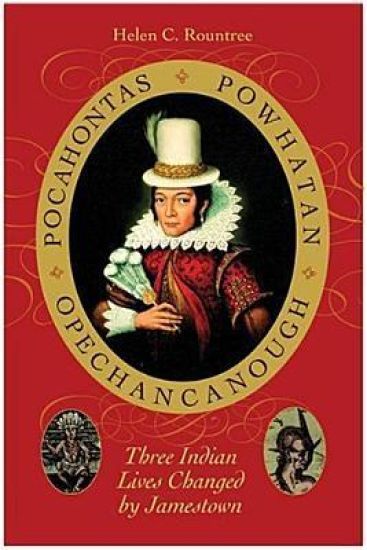
Pocahontas, Powhatan, Opechancanough

Pocahontas, Powhatan, Opechancanough

Rountree Helen C.

UNIVERSITY OF VIRGINIA PRESS
2005
sidottu
Pocahontas may be the most famous Native American who ever lived, but during the settlement of Jamestown, and for two centuries afterward, the great chiefs Powhatan and Opechancanough were the subjects of considerably more interest and historical documentation than the young woman. It was Opechancanough who captured the foreign captain "Chawnzmit" -- John Smith. Smith gave Opechancanough a compass, described to him a spherical earth that revolved around the sun, and wondered if his captor was a cannibal. Opechancanough, who was no cannibal and knew the world was flat, presented Smith to his elder brother, the paramount chief Powhatan. The chief, who took the name of his tribe as his throne name (his personal name was Wahunsenacawh), negotiated with Smith over a lavish feast and opened the town to him, leading Smith to meet, among others, Powhatan's daughter Pocahontas. Thinking he had made an ally, the chief finally released Smith. Within a few decades, and against their will, his people would be subjects of the British Crown. Despite their roles as senior politicians in these watershed events, no biography of either Powhatan or Opechancanough exists. And while there are other "biographies" of Pocahontas, they have for the most part elaborated on her legend more than they have addressed the known facts of her remarkable life. As the 400th anniversary of Jamestown's founding approaches, nationally renowned scholar of Native Americans, Helen Rountree, provides in a single book the definitive biographies of these three important figures. In their lives we see the whole arc of Indian experience with the English settlers - from the wary initial encounters presided over by Powhatan, to the uneasy diplomacy characterized by the marriage of Pocahontas and John Rolfe, to the warfare and eventual loss of native sovereignty that came during Opechancanough's reign. Writing from an ethnohistorical perspective that looks as much to anthropology as the written records, Rountree draws a rich portrait of Powhatan life in which the land and the seasons governed life and the English were seen not as heroes but as Tassantassas(strangers), as invaders, even as squatters. The Powhatans were a nonliterate people, so we have had to rely until now on the white settlers for our conceptions of the Jamestown experiment. This important book at last reconstructs the other side of the story.