

Kirjahaku
Etsi kirjoja tekijän nimen, kirjan nimen tai ISBN:n perusteella.
1000 tulosta hakusanalla J. Offer

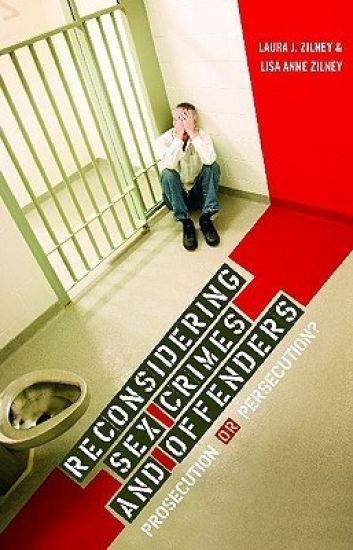
Reconsidering Sex Crimes and Offenders
Laura J. Zilney; Lisa A. Zilney
Praeger Publishers Inc
2009
sidottu
This examination of our nation's sex crime laws and the social attitudes behind them argues that many citizens are being pursued as sex offenders for nonviolent and oftentimes consensual sexual behaviors. Cutting through the hysteria and hype, Reconsidering Sex Crimes and Offenders: Prosecution or Persecution? argues that while convicted violent sex offenders certainly should be punished, many laws targeting minor sexual offenses are outdated, overly severe, and too concerned with satisfying public outrage driven by distortions, misconceptions, and sensationalistic media coverage. Reconsidering Sex Crimes and Offenders is sure to challenge readers' understanding of who a sex offender is, how they should be treated, and how best to protect the community from such offenders. The book looks at how the legal definitions of certain offenses have changed over time and then explores a series of real-life case studies. Readers will discover how some citizens have been targeted and punished for consensual acts—including homosexuality, polygamy, and pornography. Additional coverage considers a number of highly controversial laws—from residency restrictions to the death penalty—and the media's role in fueling public support for them.

Inside the Mind of Sexual Offenders:
Dennis J Stevens; Frank Schmalleger
Authors Choice Press
2001
pokkari

Evaluating the Effectiveness of Sex Offender Registration and Notification Policies for Reducing Sexual Violence Against Women, Final Report
Elizabeth J Letourneau; Jill S Levenson
Hutson Street Press
2025
sidottu

Evaluating the Effectiveness of Sex Offender Registration and Notification Policies for Reducing Sexual Violence Against Women, Final Report
Elizabeth J Letourneau; Jill S Levenson
Hutson Street Press
2025
pokkari

Stories By Sweet Female Offenders Who Will Find You and Dig Your Grave
Dennis J. Stevens
Independently Published
2019
nidottu
Did you wonder about the secrets of those sweet ladies who commit more unknown and heinous crimes than men? Come along on this journey and find answers for yourself if you dare.
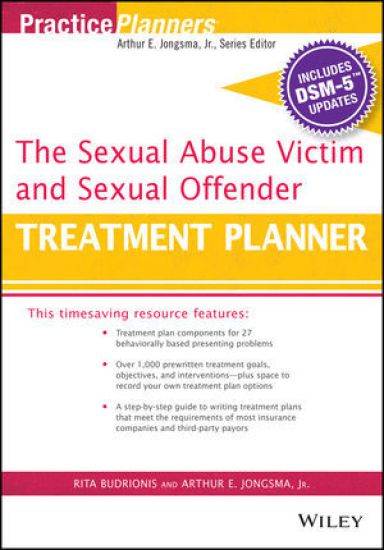
The Sexual Abuse Victim and Sexual Offender Treatment Planner, with DSM 5 Updates
David J. Berghuis; Rita Budrionis
John Wiley Sons Inc
2015
nidottu
This timesaving resource features: Treatment plan components for 27 behaviorally based presenting problemsOver 1,000 prewritten treatment goals, objectives, and interventions?plus space to record your own treatment plan optionsA step-by-step guide to writing treatment plans that meet the requirements of most insurance companies and third-party payors The Sexual Abuse Victim and Sexual Offender Treatment Planner provides all the elements necessary to quickly and easily develop formal treatment plans that satisfy the demands of HMOs, managed care companies, third-party payors, and state and federal review agencies. Saves you hours of time-consuming paperwork, yet offers the freedom to develop customized treatment plans for clients who are sexual abuse victims and/or sexual offendersOrganized around 27 main presenting problems, including such offender issues as anger difficulties, deviant sexual arousal, and legal issues; such victim issues as eating disorders, self-blame, and social withdrawal; and such offender and victim issues as family reunification and self-esteem and stress-management deficitsOver 1,000 well-crafted, clear statements describe the behavioral manifestations of each relational problem, long-term goals, short-term objectives, and clinically tested treatment optionsEasy-to-use reference format helps locate treatment plan components by behavioral problemIncludes a sample treatment plan that conforms to the requirements of most third-party payors and accrediting agencies (including HCFA, JCAHO, and NCQA)

Forensic Neuropsychological Evaluation of the Violent Offender
Charles J. Golden; Lisa Lashley
Springer International Publishing AG
2014
nidottu
This book focuses on the importance of using a brain-behavior relationship framework for the successful use of neuropsychological evaluations for courtroom purposes. It stresses the need to understand the offender as a unique individual assessed accordingly from cognitive and personality perspectives. The desired goal is to reach a more nuanced evaluation rather than a compilation of test scores. This book clearly explains the circumstances that prevent proper testing including batteries that are confusing or frustrating to the person being tested or those that cause fatigue thus interfering with an appropriate picture of cognitive, motor and sensory skills. Irrelevance of some tests for addressing the reason for referral is also covered as is the importance of setting and adequate time for evaluation. When dealing with court cases involving the violent offender the evaluation is critical to the establishment of the factors that motivated the crime. In most cases the issue is not insanity but rather an understanding for legal purposes of the cognitive and emotional processes that explain how a crime occurred. This book provides a concise overview of the issues involved and how to provide the best scientific information to satisfy the pursuit of justice.


Sex Offender Treatment
Edmond J Coleman; Margretta Dwyer
Routledge Member of the Taylor and Francis Group
1996
nidottu
This important volume brings together findings in the psychological and medical treatment of sex offenders. It disseminates research from experts around the world in the field of sex offender treatment, making this knowledge available to researchers and clinicians everywhere. Professionals struggling to find effective methods for treating their patients will find Sex Offender Treatment a valuable tool for their daily work.Chapters in Sex Offender Treatment cover a variety of topics. Authors examine such areas as psychodynamic and psychiatric disorders associated with the sex offender, findings on pharmacologic interventions, treatment techniques and the public perception of sex offender treatment, and cautionary notes for those who provide therapy for sex offenders. Within these areas, some specific themes addressed include:types of personality disorders and implications for more effective treatment the effectiveness of antiandrogen treatment and the promising results of other pharmacotherapies techniques for developing insight in incest perpetrators a study of adult male incest offenders’perceptions of the treatment process an adolescent treatment program using a family communication approach hypotheses regarding sexual offenders and men who batter, using psychodynamic and feminist theoryFull of practical strategies and useful information, Sex Offender Treatment is a book professionals will reach for again and again.

Sexual Offender Treatment
Edmond J Coleman; Michael Miner
Routledge Member of the Taylor and Francis Group
2000
sidottu
Gain a better understanding of the biological, psychological, and social aspects of sex offenders, their crimes, and the treatments that can help them.The treatment of sexual offenders varies from culture to culture and nation to nation. Sexual Offender Treatment: Biopsychosocial Perspectives assists sex therapists, counselors, psychiatrists, and psychologists working in sex offender treatment around the world in providing more effective services. This book looks at the behavior of sexual offenders and offers treatment approaches that will stimulate your thinking and help you improve your research and treatment methodologies.This valuable and informative book introduces and discusses the formation of the new International Association for the Treatment of Sexual Offenders, which will advance the existing knowledge about the nature of sexual offenders and sexual offenses, work to improve treatment methods and disseminate information about improved methods, and scientifically evaluate therapeutic methods advocate for the right of sex offenders to effective treatment.Sexual Offender Treatment: Biopsychosocial Perspectives presents an overview of recent research in the treatment of sexual offenders as presented at the 5th International Conference on the Treatment of Sexual Offenders in 1998 in Caracas, Venezuela. This book explores:the recently revised Standards of Care for the Treatment of Sexual Offenders self-perceived aggression in relation to brain abnormalities in a sample of incarcerated sexual offenders self-concepts and interpersonal perceptions of sexual offenders in relation to brain abnormalities brain abnormalities and violent behavior group family interventions for the treatment of adult male child molesters the experiences of adult and adolescent female sex offenders a 7 step system to treat pedophiles who are mentally retarded, mentally ill or physically handicappedSexual Offender Treatment: Biopsychosocial Perspectives provides you with valuable insights and a cross-cultural viewpoint as you benefit from the expertise and experience of international scholars who have set the standards for the treatment of sex offenders.
Sexual Offender Treatment
Edmond J Coleman; Michael Miner
Routledge Member of the Taylor and Francis Group
2000
nidottu
Gain a better understanding of the biological, psychological, and social aspects of sex offenders, their crimes, and the treatments that can help them.The treatment of sexual offenders varies from culture to culture and nation to nation. Sexual Offender Treatment: Biopsychosocial Perspectives assists sex therapists, counselors, psychiatrists, and psychologists working in sex offender treatment around the world in providing more effective services. This book looks at the behavior of sexual offenders and offers treatment approaches that will stimulate your thinking and help you improve your research and treatment methodologies.This valuable and informative book introduces and discusses the formation of the new International Association for the Treatment of Sexual Offenders, which will advance the existing knowledge about the nature of sexual offenders and sexual offenses, work to improve treatment methods and disseminate information about improved methods, and scientifically evaluate therapeutic methods advocate for the right of sex offenders to effective treatment.Sexual Offender Treatment: Biopsychosocial Perspectives presents an overview of recent research in the treatment of sexual offenders as presented at the 5th International Conference on the Treatment of Sexual Offenders in 1998 in Caracas, Venezuela. This book explores:the recently revised Standards of Care for the Treatment of Sexual Offenders self-perceived aggression in relation to brain abnormalities in a sample of incarcerated sexual offenders self-concepts and interpersonal perceptions of sexual offenders in relation to brain abnormalities brain abnormalities and violent behavior group family interventions for the treatment of adult male child molesters the experiences of adult and adolescent female sex offenders a 7 step system to treat pedophiles who are mentally retarded, mentally ill or physically handicappedSexual Offender Treatment: Biopsychosocial Perspectives provides you with valuable insights and a cross-cultural viewpoint as you benefit from the expertise and experience of international scholars who have set the standards for the treatment of sex offenders.

Sex Offender Treatment
Edmond J Coleman; Michael Miner
Routledge Member of the Taylor and Francis Group
2003
sidottu
Examine the major advances in sexual offender treatment over the last decade and promising new concepts in treatment, supervision, and research Sex Offender Treatment: Accomplishments, Challenges, and Future Directions points the way toward humane, dignified, effective treatment regimes for sexual offenders. In addition to providing an essential overview of the current state of sex offender treatment, this book examines vital areas of service provision and research and points to future directions for the field. On the medical/psychological front, this volume explores the importance of recognizing comorbid psychiatric factors in treatment and of exploring central nervous system function's role as a cause of sexually inappropriate behavior. In the legislative/justice arena it illustrates a Circles of Support proposal that mobilizes community resources to aid the adjustment of released offenders rather than branding them as dangerous to the community. And in the area of service provision, this book presents a treatment approach for residential programs that is inspired by research on childhood behavioral problems and special education. This book will increase your effectiveness with: a model of multisystemic treatment for juvenile sex offenders a restorative justice approach for reintegrating adult offenders into the community a study of the physical/mental correlates of organic brain dysfunction a case report on the use of a pharmaceutical treatment (leuprolide acetate) for pedophiles
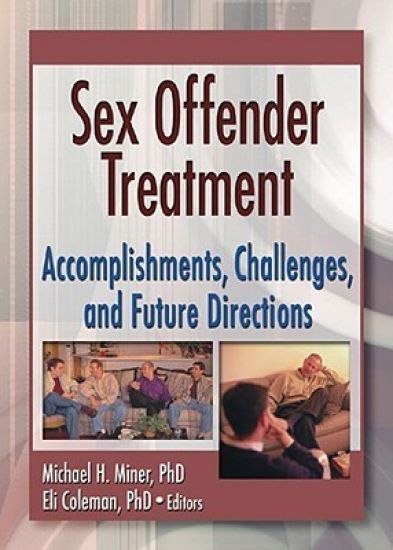
Sex Offender Treatment
Edmond J Coleman; Michael Miner
Routledge Member of the Taylor and Francis Group
2003
nidottu
Examine the major advances in sexual offender treatment over the last decade and promising new concepts in treatment, supervision, and research Sex Offender Treatment: Accomplishments, Challenges, and Future Directions points the way toward humane, dignified, effective treatment regimes for sexual offenders. In addition to providing an essential overview of the current state of sex offender treatment, this book examines vital areas of service provision and research and points to future directions for the field. On the medical/psychological front, this volume explores the importance of recognizing comorbid psychiatric factors in treatment and of exploring central nervous system function's role as a cause of sexually inappropriate behavior. In the legislative/justice arena it illustrates a Circles of Support proposal that mobilizes community resources to aid the adjustment of released offenders rather than branding them as dangerous to the community. And in the area of service provision, this book presents a treatment approach for residential programs that is inspired by research on childhood behavioral problems and special education. This book will increase your effectiveness with: a model of multisystemic treatment for juvenile sex offenders a restorative justice approach for reintegrating adult offenders into the community a study of the physical/mental correlates of organic brain dysfunction a case report on the use of a pharmaceutical treatment (leuprolide acetate) for pedophiles


Sex Offender Treatment: Biological Dysfunction, Intrapsychic Conflict, Interpersonal Violence assists sex therapists, counselors, psychiatrists, and psychologists working in sex offender treatment in providing more effective services. You’ll gain timely knowledge of sex offending behavior and treatment approaches that will stimulate your thinking and help you improve your research and treatment methodologies. From Sex Offender Treatment, you’ll acquire valuable insight and a cross-cultural viewpoint as you explore chapters written by international scholars who have set the standards of care for sex offender treatment. Contributors aim to improve the effectiveness of sex offender treatment throughout the world by challenging you to conduct more research that will provide a better understanding of sex offenders and improve treatment approaches. Authors presented their contributions at the Third International Congress on the Treatment of Sex Offenders held in Minneapolis, Minnesota. The book begins with a Standards of Care for the Treatment of Sex Offenders. This guides you in increasing the effectiveness of the treatment you provide to sex offenders. The Standards of Care helps you analyze new data and gain a basis for successful sex offender treatment. Following chapters probe into the nature of interpersonal violence and aggression and a further understanding of pedophilia and exhibitionism. You will begin to more thoroughly understand sex offending behavior as you read about:motives contributing to sexual aggression and the confluence model of sexual aggression the background and clinical characteristics of paraphilic individuals and sex offenders a case study of sex offenders, victims, and their families the “abuse to abuser hypothesis” in regard to pedaphilia assessment, psychosexual profiling, and treatment of exhibitionist behavior the treatment of sex offenders with mental retardation the relationship between sex offender treatment success and learning difficulties incest offender perceptions of treatment as used to generate an explanatory theory of the sexual abuse treatment process.Chapters in Sex Offender Treatment emphasize the importance of good assessment techniques, issues affecting victims and families of sex offenders, why treatment does not work for some sex offenders, medical problems associated with sex offenders, and working with special populations of sex offenders. Counselors, researchers, educators, sex offender treatment personnel, forensic psychologists and psychiatrists, and sex therapists will find Sex Offender Treatment crucial for gaining insight into sex offenders’motives and behaviors. You can then use these perspectives to more effectively interact with sex offenders and to more accurately analyze sex offending behavior.

Sex Offender Treatment
Edmond J Coleman; Margretta Dwyer
Routledge Member of the Taylor and Francis Group
1992
sidottu
This important volume brings together findings in the psychological and medical treatment of sex offenders. It disseminates research from experts around the world in the field of sex offender treatment, making this knowledge available to researchers and clinicians everywhere. Professionals struggling to find effective methods for treating their patients will find Sex Offender Treatment a valuable tool for their daily work.Chapters in Sex Offender Treatment cover a variety of topics. Authors examine such areas as psychodynamic and psychiatric disorders associated with the sex offender, findings on pharmacologic interventions, treatment techniques and the public perception of sex offender treatment, and cautionary notes for those who provide therapy for sex offenders. Within these areas, some specific themes addressed include:types of personality disorders and implications for more effective treatment the effectiveness of antiandrogen treatment and the promising results of other pharmacotherapies techniques for developing insight in incest perpetrators a study of adult male incest offenders’perceptions of the treatment process an adolescent treatment program using a family communication approach hypotheses regarding sexual offenders and men who batter, using psychodynamic and feminist theoryFull of practical strategies and useful information, Sex Offender Treatment is a book professionals will reach for again and again.

Sex Offender Treatment
Edmond J Coleman; Margretta Dwyer
Routledge Member of the Taylor and Francis Group
1996
sidottu
Sex Offender Treatment: Biological Dysfunction, Intrapsychic Conflict, Interpersonal Violence assists sex therapists, counselors, psychiatrists, and psychologists working in sex offender treatment in providing more effective services. You’ll gain timely knowledge of sex offending behavior and treatment approaches that will stimulate your thinking and help you improve your research and treatment methodologies. From Sex Offender Treatment, you’ll acquire valuable insight and a cross-cultural viewpoint as you explore chapters written by international scholars who have set the standards of care for sex offender treatment. Contributors aim to improve the effectiveness of sex offender treatment throughout the world by challenging you to conduct more research that will provide a better understanding of sex offenders and improve treatment approaches. Authors presented their contributions at the Third International Congress on the Treatment of Sex Offenders held in Minneapolis, Minnesota. The book begins with a Standards of Care for the Treatment of Sex Offenders. This guides you in increasing the effectiveness of the treatment you provide to sex offenders. The Standards of Care helps you analyze new data and gain a basis for successful sex offender treatment. Following chapters probe into the nature of interpersonal violence and aggression and a further understanding of pedophilia and exhibitionism. You will begin to more thoroughly understand sex offending behavior as you read about:motives contributing to sexual aggression and the confluence model of sexual aggression the background and clinical characteristics of paraphilic individuals and sex offenders a case study of sex offenders, victims, and their families the “abuse to abuser hypothesis” in regard to pedaphilia assessment, psychosexual profiling, and treatment of exhibitionist behavior the treatment of sex offenders with mental retardation the relationship between sex offender treatment success and learning difficulties incest offender perceptions of treatment as used to generate an explanatory theory of the sexual abuse treatment process.Chapters in Sex Offender Treatment emphasize the importance of good assessment techniques, issues affecting victims and families of sex offenders, why treatment does not work for some sex offenders, medical problems associated with sex offenders, and working with special populations of sex offenders. Counselors, researchers, educators, sex offender treatment personnel, forensic psychologists and psychiatrists, and sex therapists will find Sex Offender Treatment crucial for gaining insight into sex offenders’motives and behaviors. You can then use these perspectives to more effectively interact with sex offenders and to more accurately analyze sex offending behavior.

Working with the Mentally Disordered Offender in the Community
Vaughan Phillip J.; Badger Douglas
CENGAGE LEARNING, INC
1995
nidottu
In the past forensic psychiatry has been a sub-speciality of general psychiatry without its own, separate identity. However, since the mid-1980s there has been a growing in terest in the application of community care principles to mentally disordered offenders. A new set of attitudes have developed which have enabled the mentally disordered offender to emerge from relative institutional obscurity to a much higher profile in the community. Although numerically small in relation to the general psychiatric population, forensic patients tend to attract the public' s attention by virtue of their greater propensity for troublesome behaviour. Such a group needs expert community support in order to maintain an accepta bie public face. Unfortunately these developments have outstripped the creation of training opportunities for community staff charged with their support and supervision. Most community practi tioners have had to learn 'on the job' with inadequate support and supervision from senior staff, who of ten have less direct experience of working with this client group than themselves. Just such a situation prompted the authors, in 1990, to establish a module on 'Working with Mentally Disordered Offenders in the Community' as part of an MA in Social W ork at the University of Reading. As the course developed it became clear that the topic and content had equal application to other community professionals working in the field.