First Published in 1993. This volume is based upon an April 1990 Carl Albert Center conference commemorating the bicentennial of the United States Congress and the centennial of the University of Oklahoma. The conference was entitled, Back to the Future: the United States Congress in the Twenty-first Century. Its focus was on the nature of change in Congress and on the likely direction of congressional change as the new century approaches.
Ein diagnostische Methode wie die Sonographie, die den Patienten so gut wie nicht belastet und keine Risiken in sich birgt, bietet sich zur Untersuchung von Kindern geradezu an. Daher überrascht es, daß die Pädiatrie dieses Verfahren trotz hervorragender Erfahrungen in der Erwachsenenmedizin nur zögernd aufgriff und zunächst eine Indikation nur nach eingehender radiologischer und nuklearmedizinischer Diagnostik sah. Als Ergebnis intensiver wissenschaftlicher Beschäftigung mit der Methode und sicher lich auch gefördert durch die technische Verfeinerung der Geräte hat sich die Einschätzung gewandelt. Die Sonographie steht mittlerweile am Be ginn der morphologischen Diagnostik und hat damit die Funktion der Weichenstellung. Sie kann eine weiterführende Diagnostik überflüssig machen oder aber den Weg für deren gezielten und damit schonenden und rationellen Einsatz weisen. Das heißt, sie ergänzt nicht mehr den Röntgen-, sondern den klinischen Befund und beeinflußt damit die Indikation und Durchführung von Röntgenuntersuchungen. Die veränderte Untersuchungsstrategie hat ihrerseits auch Rückwirkun gen auf die Klinik gehabt. Das fehlende Untersuchungsrisiko beim Einsatz der Sonographie verpflichtet uns, auch aus unspezifischen Hinweisen auf einen pathologischen Prozeß diagnostische Konsequenzen zu ziehen. Nur durch dieses Vorgehen kann letztlich die Frühdiagnostik vieler Erkrankun gen (z. B. Harnwegsfehlbildungen, Herzfehler, Hirnblutungen, Invaginatio nen ete. ) entscheidend verbessert werden. Daraus läßt sich leicht ableiten, daß die Sonographie zu einer neuen Bewertung mancher Symptome geführt hat und daß die verbesserte Früh- und Verlaufsdiagnostik teilweise auch Einfluß auf das therapeutische Vorgehen genommen hat.
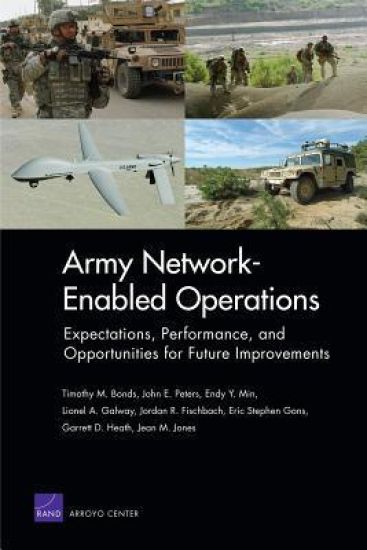
The Army expects that the performance of ground forces can be enhanced by improving the networks that tie them together and taking advantage of their special properties. Army networks are used for command and control, intelligence, maneuver, fires, and logistics; they process, store, and transport the information used by the Army. Ultimately these networks extend into the minds of soldiers and leaders and into their interactions with each other.
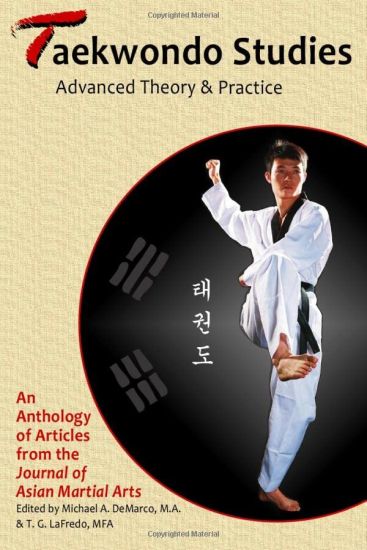
Taekwondo is unlike any other martial art and it deserves some special attention because of its importance as a sport with a unique history and influence. This anthology, as part of our projects to provide stellar articles from the Journal of Asian Martial Arts, provides high quality materials about taekwondo you will not find elsewhere. Topics include fascets of taekwondo history, practice, competition, health, education, character, techniques, and sport/athletics. You'll find the notes, bibliographies, illustrations, and index are also valuable. We have been very fortunate to include the writings of Dr. Willy Pieter, a pioneer in the scientific study of taekwondo. Other articles in this book provide details of taekwondo history, such as the detailed work by Dakin Burdick. The earlier version as published in the journal caused quite a stir among Korean martial art afficionados, particularly in the clear exposition that taekwondo's roots are found in Japanese/Okinawan traditions. Some chapters focus on specific techniques, especially the pieces by Udo Moenig, Louis Bercades and Willy Pieter. The interview by Jos Suporta with Juan Moreno is very insightful as it includes a discussion of the differences of taekwondo practices for the martial artist and sport athlete. In her chapter, Marzena Czarneca uncovers the social relationships that often develop between students and teachers. The emotional and psychological bonds formed during classes are often difficult to notice and define, but she does so with a unique research methodology. Van Reenam's chapter gives a refreshing portrait of childhood development through taekwondo practice. His conclusions will benefit those who teach, as well as the youngsters and parents involved in taekwondo. Authoritative works dealing with taekwondo are published occasionally. This book is a milestone in taekwondo literature. Hopefully you will enjoy reading each page of this important anthology. Besides being a convenient collection of special readings on taekwondo, we also hope the chapters will inspire future research and writing in this field.
Ray DeV. Peters; Alison J. Bradshaw; Kelly Petrunka; Geoffrey Nelson; Yves Herry; Wendy M. Craig; Robert Arnold; Kevin C. H. Paker; Shahriar R. Khan; Jeffrey S. Hoch; S. Mark Pancer; Colleen Loomis; Jean-Marc Bélanger; Susan Evers; Claire Maltais; Katherine Thompson; Melissa D. Rossiter
Wiley-Blackwell (an imprint of John Wiley Sons Ltd)
Although comprehensive and ecological approaches to early childhood prevention are commonly advocated, there are few examples of long-term follow-up of such programs. In this monograph, we investigate the medium- and longterm effects of an ecological, community-based prevention project for primary school children and families living in three economically disadvantaged neighborhoods in Ontario, Canada. The Better Beginnings, Better Futures (BBBF) project is one of the most ambitious Canadian research projects on the long-term impacts of early childhood prevention programming to date.
Edwidge Danticat; Susannah Heschel; Eugene F. Rivers III; Brandon M. Terry; Gary Dorrien; D. L. Mayfield; Chris Gibson; Oscar Romero; Oddny Gumaer; Nathaniel Peters; Philip Britts
What if Martin Luther King Jr., this name-branded, oft-sanitized preacher from Atlanta, is a prophet whose message America has yet to fully reckon with? Ten days before Martin Luther King Jr.’s assassination, Rabbi Abraham Joshua Heschel said, “Where in America today do we hear a voice like the voice of the prophets of Israel? Martin Luther King is a sign that God has not forsaken the United States of America. God has sent him to us.” What if Heschel’s words about King are true? What if this name-branded, oft-sanitized, Super-Bowl-ad-commercialized, National-Mall-memorialized preacher from Atlanta . . . is a prophet whose message America has yet to fully reckon with? This issue of Plough Quarterly looks at King’s unfinished struggle against the three evils of racism, materialism, and militarism. Perspectives from Edwidge Danticat, Gary Dorrien, Brandon M. Terry, D. L. Mayfield, Eugene Rivers, and Susannah Heschel explore the ways King’s message of nonviolence, justice, and love of neighbor still matters today: to refugees and immigrants, soldiers and veterans, preachers and prisoners, black lives matter activists and the white working class. Also in this issue: original poetry by Naomi Shihab Nye; reviews of new books by James Forman Jr., Steve Krivák, Jim Forest, and Christopher de Hamel; and art by Yvan Lamothe, Roberson Joseph, Barry Moser, Benny Andrews, Zoe Cromwell, Julian Peters, Asuka Hishiki, Mark Smith, Mary Kang, Marc Chagall, John Partipilo, Yuri Kozyrev, Vinicius Barajas, Iain Stewart, Giovanni Bellini. Plough Quarterly features stories, ideas, and culture for people eager to put their faith into action. Each issue brings you in-depth articles, interviews, poetry, book reviews, and art to help you put Jesus’ message into practice and find common cause with others.
A revolutionary approach to dealing with chronic pain * From arthritis and back pain to fibromylgia, chronic pain afflicts some fifty million Americans. With more than twelve years’ experience treating its sufferers and seeing the nation’s health-care system come up short, Dr. Peter Abaci developed innovative treatments that have helped thousands better their lives in dramatic ways—techniques he now offers in this book for the first time. In Take Charge of Your Chronic Pain, Dr. Abaci sets forth a comprehensive approach to chronic pain, one rooted in cutting edge research and case studies. He empowers readers by teaching them how they can take control of their pain by pairing traditional medicine with unconventional treatments—such as meditation, tai chi, art therapy, diet, supplements, acupuncture, and yoga. Writing in a reassuring tone throughout, he also reveals groundbreaking new information about how functional MRIs can now measure pain for the first time before and after treatments, as well as startling information about the pharmaceutical industry and the surprising new discovery that narcotic pain medications can actually worsen the pain. Take Charge of Your Chronic Pain educates readers on the various aspects of chronic pain management, such as: Getting control Eliminating negative emotions and thoughts Making lifestyle changes Using art to process inner conflicts Living free from addictions Managing stress Recognizing myths about medications and surgeries Knowing what to eat
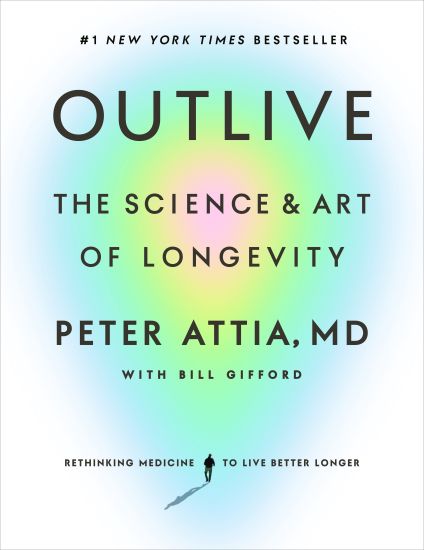
A groundbreaking manifesto on living better and longer that challenges the conventional medical thinking on aging and reveals a new approach to preventing chronic disease and extending long-term health, from a visionary physician and leading longevity expert "One of the most important books you'll ever read."--Steven D. Levitt, New York Times bestselling author of Freakonomics Wouldn't you like to live longer? And better? In this operating manual for longevity, Dr. Peter Attia draws on the latest science to deliver innovative nutritional interventions, techniques for optimizing exercise and sleep, and tools for addressing emotional and mental health. For all its successes, mainstream medicine has failed to make much progress against the diseases of aging that kill most people: heart disease, cancer, Alzheimer's disease, and type 2 diabetes. Too often, it intervenes with treatments too late to help, prolonging lifespan at the expense of healthspan, or quality of life. Dr. Attia believes we must replace this outdated framework with a personalized, proactive strategy for longevity, one where we take action now, rather than waiting. This is not "biohacking," it's science: a well-founded strategic and tactical approach to extending lifespan while also improving our physical, cognitive, and emotional health. Dr. Attia's aim is less to tell you what to do and more to help you learn how to think about long-term health, in order to create the best plan for you as an individual. In Outlive, readers will discover: - Why the cholesterol test at your annual physical doesn't tell you enough about your actual risk of dying from a heart attack.- That you may already suffer from an extremely common yet underdiagnosed liver condition that could be a precursor to the chronic diseases of aging.- Why exercise is the most potent pro-longevity "drug"--and how to begin training for the "Centenarian Decathlon."- Why you should forget about diets, and focus instead on nutritional biochemistry, using technology and data to personalize your eating pattern.- Why striving for physical health and longevity, but ignoring emotional health, could be the ultimate curse of all. Aging and longevity are far more malleable than we think; our fate is not set in stone. With the right roadmap, you can plot a different path for your life, one that lets you outlive your genes to make each decade better than the one before.
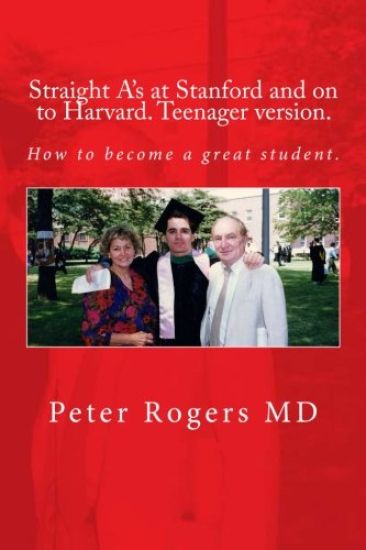
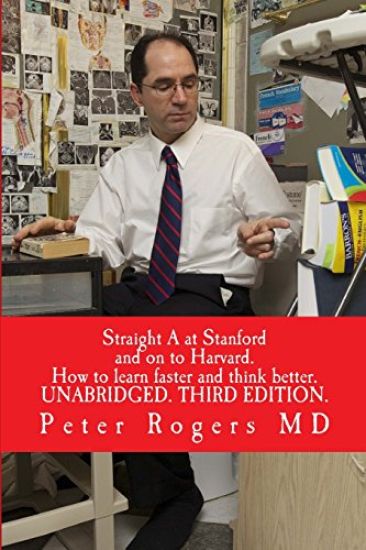
This book will make you smarter, able to learn faster and think better. The best methods to raise IQ and optimize academic performance. It reveals the methods used to get straight A's at Stanford and 99% on medical school exams. Learning methods such as SIRS, flashcards, word play, word associations, mnemonics, walk and talk, shadowing, neurogenesis, angiogenesis, mitochondrial biogenesis, brain glycogen, verbal skills, thinking strategies, condensed notes, how to read a book, speed reading and much more are discussed. TRAIN YOUR BRAIN TO GAIN. Any student can rapidly improve if they are motivated. They just need to improve the individual skills that go into being an "A" student. Awareness is the first step to improving. Then finding someone who has already succeeded. Then adapting those methods and modifying them to suit one's needs.
Lack of blood flow (ischemia) is the most common cause of back pain. The disc is poorly perfused even under optimal conditions. Everybody knows that the brain and the heart need blood supply, but so does the spine. Too often the search is only for the "pain generator," and the "underlying cause" has been forgotten. We are looking at the TREE with a microscope, but we've forgotten to look at the FOREST. If all the trees have Dutch Elm disease, will it help to remove the most affected tree. This book is like an "antibiotic" to improve all the trees in the forest; to improve blood supply to the entire spine. Better blood supply helps prevent progression of degenerative disc disease and the cascade of compensations that follow it like foraminal stenosis, central stenosis, bridging osteophytes, DISH, OPLL, OLF, Schmorl's nodes, radiculopathy, myelopathy, disc space calcification and autofusion. Atherosclerosis, lumbar artery stenosis, gallstones, fibroids in the uterus, diverticulosis and fatty liver all go together. Vegan diet is the easy way to lower blood viscosity and to prevent and reverse atherosclerosis. The author is an interventional radiologist and neuroradiologist who used to run a spinal injection clinic and who has seen tens of thousands of spinal CT scans and MRI's and who has observed patterns of disease and outcomes for decades. Best outcomes come from deep understanding of disease and of treatment options. Motivated, educated patients and doctors are able to get the best results.
This text is presented to all cardiothoracic surgery residents, present and future. This unique application, developed by residents and national faculty, is a 100-chapter compendium with an individual algorithm on various topics to provide a foundation and framework of important cardiothoracic surgery topics with clinical decisions. As the field of cardiothoracic surgery continues to evolve, attention to key clinical decisions is necessary prior to incorporating indicated interventions. Very few textbooks focus on the decision algorithms in the diagnosis and management of clinical cardiothoracic pathologies.The Thoracic Surgery Residents Association (TSRA) have a clear and sustained commitment to education. The previous textbooks created under the auspices of this organization are among the most affordable and practical manuscripts in our field. It is our hope to provide this addition to the growing TSRA library under the same tradition.Although this field is ever changing, many of the basic principles remain the same: There are basic frameworks that are shared and can be used by those taking care of cardiothoracic patients. Very few textbooks focus on the decision algorithms in the diagnosis and management of clinical cardiothoracic pathologies.Adult Cardiac Surgery1. Cardiopulmonary BypassA. Troubleshooting CBP problemsB. Difficulty weaning off bypass2. Coronary DiseaseA. CABG evaluationB. Management of STEMIC. Cardiogenic shock 5 days post STEMID. Ascending atheroma in CABGE. Management Carotid/CABGF. Intraoperative decision-making for OPCAB3. Aortic ValveA. ASB. TAVRC. ARD. Small aortic rootE. Non-cardiac surgery and aortic valve endocarditis4. Mitral/TricuspidA. TRB. MR1. Reconstruction2. IndicationsC. MS5. AortaA. Type A dissectionB. Type B dissectionC. Ascending aortic aneurysmD. Aortic root aneurysmsE. DTAA6. Heart failureA. ECMOB. LVADC. RVADD. Pump thrombosisE. OHT7. MiscellaneousA. HOCMB. Cardiac tumorsC. Approach to sternal wound infectionsD. Penetrating chest traumaE. Blunt chest traumaF. EndocarditisG. Pericardial diseaseGeneral Thoracic Surgery1. TracheaA. Tracheal traumaB. Tracheal tumorsC. Tracheal stenosisD. Broncholithiasis2. LungsA. Pulmonary NodulesB. Pleural EffusionC. Pulmonary carcinoidD. SCLCE. Early NSCLCF. Early invasive NSCLCG. Stage III lung cancerH. Stage IV non-small cellI. Resectability of lung cancerJ. Physiologic readiness for thoracic surgeryK. Superior sulcus tumorsL. Mediastinal staging in lung cancerM. Pulmonary metastasisN. Long-term follow up for lung cancerO. Chest TBP. ILDQ. LVRSR. Evaluation and approach to lung transplantS. Approach to lung abscess/empyemaT. Spontaneous PTXU. BPFV. ChylothoraxW. Mesothelioma3. EsophagusA. Esophageal caustic injuryB. Esophageal perforationC. TEFD. LeiomyomaE. Esophageal cancerF. Approach to cervical, thoracic, and GEJ esophageal cancersG. Esophageal conduitsH. Resectability of esophageal cancerI. Postoperative esophageal leakJ. GERDK. Esophageal motility disordersL. Barrett's esophagusM. Paraesophageal herniaN. Esophagectomy4. MediastinumA. PneumomediastinumB. Diaphragmatic injuryC. Thymoma/MG/mediastinal mass5. OtherA. TOSB. Chest wall tumorsCongenital Heart Surgery1. PDA2. ASD3. APW4. Cor triatriatum5. VSD6. Coarctation 7. TOF w/ PS8. TGA9. PA w/ VSD w/ Multiple AP Collaterals10. PA with IVS11. Ebstein's Anomaly12. LVOTO13. Coronary anomalies14. HLHS15. Vascular rings/PA slings16. Pediatric Heart Failure/Transplant17. IAA w/ VSD18. Single Ventricle Pathway/Fontan19. Truncus Arteriosus20. Complete Atrioventricular Canal21. DORV22. Congenital PV Anomalies23. Congenital MS