Reviving the tradition of critical, analytical scholarship developed by the 1970s and 1980s editions of the South African review, this first volume of the New South African review offers a collection of original surveys of key issues and problems confronting post-apartheid South Africa. Written by a team of engaged social scientists and based often on new research, the volume ranges widely across the implications of the international crisis for the economy, the threats to our fragile ecology of present economic strategies, through to the state of the ANC and the public service, issues around service delivery, migration, HIV/AIDS, land reform, crime, the sexual behavior of our youth, and much more. Posing the provocative question of whether South Africa is embarking upon a long-term decline, the volume simultaneously argues the potential for a society premised upon social equality, social coherence and sustainability. This collection will appeal to a wide audience, national and international, interested in engaging with the multiple dilemmas and challenges facing contemporary South Africa.
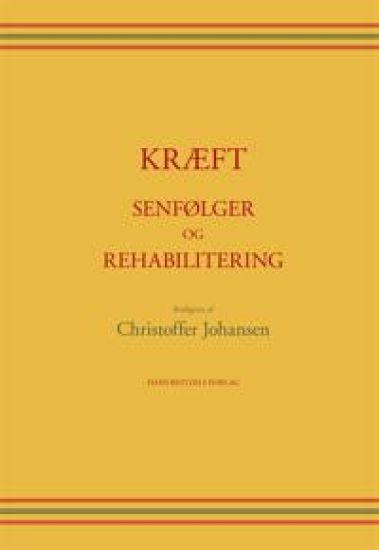
Omkring 250.000 danskere har mindst én gang i løbet af deres levetid været i behandling for en kræftsygdom. Flere og flere overlever en kræftsygdom og har et liv efter sygdommen. Kvaliteten af det liv afhænger i høj grad af, hvor gode vi bliver til i et integreret behandlingsperspektiv at opspore, identificere og om nødvendigt forebygge og behandle de enkelte kræftsygdommes senfølger. Som den første af sin art herhjemme præsenterer Kræft – senfølger og rehabilitering den viden, vi har på området. Kapitel for kapitel undersøges sammenhængen mellem en kræftsygdom og livet, efter at behandlingen er afsluttet. Hvordan hjælpes den enkelte bedst videre? Hvilken viden og erfaringer om kræftsygdom og senfølger skal i højere grad medtænkes af læger, sygeplejersker, fysioterapeuter og de øvrige sundhedsprofessionelle, der til hverdag har ansvaret for at behandle de næsten 40.000 danskere, der hvert år for første gang får stillet diagnosen kræft? I bogens første del beskriver en række kræftlæger de store kræftsygdomme. De formidler på baggrund af mange års erfaring med behandling og peger på senfølgerne af de forskellige sygdomme. I bogens anden del formidler en række eksperter inden for forskellige områder den viden, de har om en eller flere senfølger, og hvordan de kan forebygges og behandles. For eksempel viden om, hvad behandlingen konkret kan betyde for kroppens fysiske funktion, for den psykiske tilstand og for det sociale liv. Men også for parforhold, seksualliv og arbejde. I tredje del beskrives fire eksempler på rehabiliteringsforløb, sådan som de forløber i praksis – fire øjebliksbilleder fra rehabiliteringens praktiske virkelighed. Kræft – senfølger og rehabilitering henvender sig til sundhedsprofessionelle, der i deres daglige arbejde har fokus på rehabilitering af mennesker med en kræftsygdom, det være sig sygeplejersker, fysioterapeuter, ergoterapeuter og læger. Bogen kan desuden læses af de mange patienter og deres pårørende, som søger en autoritativ kilde, der kan beskrive og oplyse om senfølger og rehabilitering.
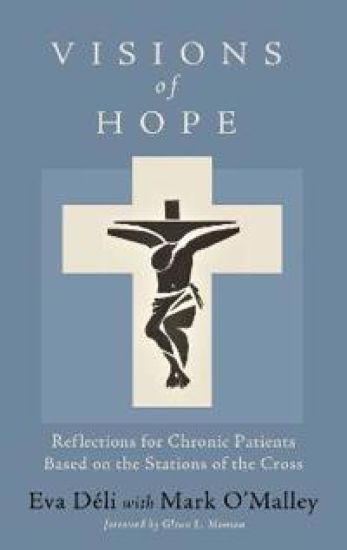
Growing evidence indicates that spiritual practices enhance personal resilience under challenging circumstances. Combining the wisdom of the Bible (stations) with modern considerations of positive psychology, Visions of Hope is a practical guide map for chronic patients. The symbolic framework of the stations of the cross serves in the examination and understanding of the challenging facets of chronic diseases, such as the trials of despair, suffering, and the hope of redemption. The book does not shy away from discussing the most difficult questions the reader might face, including the need to face death and what happens after we die. Original illustrations by the author, classic poetry, and quotes from the Bible and other religious and spiritual texts bring the content into a sharper focus for the reader in an aesthetically pleasing and meaningful volume. This is a book you will want to keep and share with family and friends throughout the disease process.
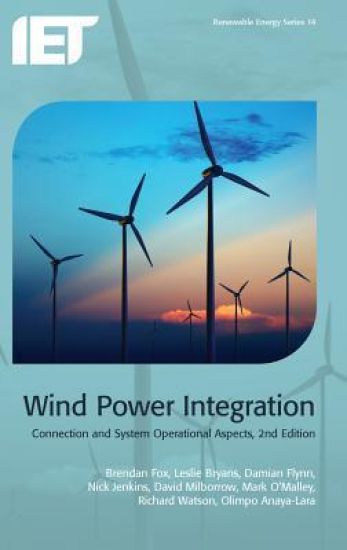
The rapid growth of wind generation has many implications for power system planning, operation and control. Network development, voltage rise, protection, monitoring and control are connection problems common to all wind power generation. Wind Power Integration: Connection and System Operational Aspects, 2nd edition has been fully revised and updated to take account of the significant growth in wind power deployment in the past few years to provide a wide-ranging discussion on all major aspects of wind power integration into electricity supply systems. Topics covered include: the development of wind power technology and its world-wide deploymenta primer in electric power engineering for non-electrical engineers - which system delivers significant wind energy to consumers at least cost?wind power technology and the interaction of various wind turbine generator types with the utility networkutility networks, and how they may be developed to accept significant wind powerhow operational practice can be modified to take account of a variable power source with limited scope for controlwind power forecastingthe challenges faced by wind energy in modern electricity markets This second edition has been fully revised and updated to take account of the significant growth in wind power deployment in the past few years. New discussions have been added to describe developments in wind turbine generator technology and control, the network integration of wind power, innovative ways to integrate wind power when its generation potential exceeds 50% of demand, case studies on how forecasting errors have affected system operation, and an update on how the wind energy sector has fared in the marketplace. Wind Power Integration: Connection and System Operational Aspects, 2nd edition will appeal to engineers from various disciplines looking for an overview of a technology that is providing a major impetus for sustainable electricity supply in the twenty-first century.
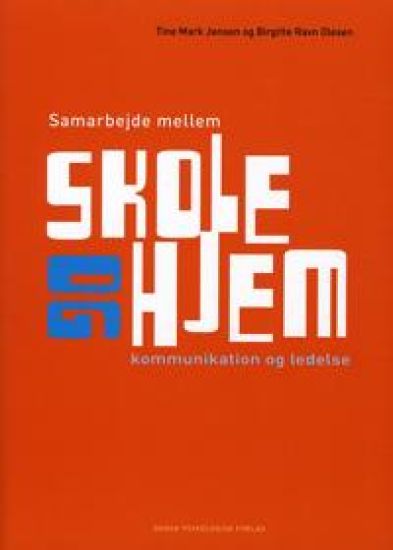
Det er en udfordring at være lærer i dag. Der stilles krav fra alle sider; læreren skal have et højt fagligt niveau, gøre eleverne til de dygtigste i landet, gøre dem sociale og rummelige, tilfredsstile både de fagligt stærke og svage elever etc. Det kan læreren ikke alene - der er brug for forældrenes opbakning, hvis eleverne skal få det bedste ud af deres skoletid både fagligt og socialt.God kommunikation er en vej til at udvikle et stærkt partnerskab mellem skole og hjem. Forældre skal se sig selv som medspillere og ikke forbrugere af skolen. Men de kan kun blive medspillere, hvis de bliver inddraget i en dialog om barnet og skolen, og hvis de tydeligt får fortalt, hvordan de kan støtte barnet, læreren og klassen.I denne bog sættes fokus på at kommunikere offensivt; læreren skal vise lederskab, kunne gå i dialog og være synlig og lydhør i relationen til forældrene. Bogen giver konkrete redskaber til, hvordan man kan skabe rammerne for et konstruktivt samarbejde gennem samtaler mellem skole og hjem, på forældremøder, via skriftlig kommunikation og udvikling af skole/hjemsamarbejdet i lærerteam. Redskaberne understøttes af eksempler, og der gives en indføring i den bagvedliggende teori.
Welcome to the Monster Seeker Academy Your principal is a sorceress.Your guidance counselor is an expert on ancient weapons.Your roommate... well, never mind, you'll find out.Your mission: learn how to hunt monsters and recruit them to your side.The grading policy is Pass/Fail.You'll have to work hard to pass ... or die trying Twelve-year-old Dan O'Malley has rattled around from one foster home to the next and spends his nights roaming the city of Detroit. When he is attacked by a monster and a mysterious stranger intervenes to save his life, Dan discovers that he is a Monster Seeker, a person whose destiny is to hunt down monsters and destroy or recruit them. And to rise to his true potential, Dan must come to the Monster Seeker Academy and hone his battle skills and learn magic, because there's a war brewing between Monsters and Man, and everyone's taking sides
Facial recognition technology is one of the defining surveillance technologies of our time, and as the technology continues to develop it is urgently important to consider the ways in which it amplifies and reconfigures power relations. While much of the critical work on facial recognition technology has focused on bias and accuracy, this book considers the social, cultural, and political implications of a surveillance technology poised to dramatically transform our experience of anonymity in shared and public space. Drawing on a series of case studies to explore how existing logics of digital surveillance are transformed when physical space is equipped with automated recognition, the book develops several defining concepts for understanding what this level of surveillance means for strategies of governance and control. Long the object of physiognomic calculations, the face, as subjected to automated forms of data collection, is now already being used to predict everything from people's future career success to their potential for criminality. Further, as the authors show, as "smart" cameras proliferate, society moves into a post-panoptic realm in which people are actually being watched all the time. This shift from surveillance scarcity to glut allows "pattern-of-life" analysis on a mass scale, aiding in the customization of both physical and informational environments at the level of the individual and enabling the ongoing replacement of human-to-human interactions with automated human-to-machine ones – a process the authors describe as a "social recession."
Take a proactive approach to network security by implementing preventive measures against attacks--before they occur. Written by a team of security experts, this hands-on resource provides concrete steps you can take immediately as well as ongoing actions to ensure long-term security. Get complete details on how to systematically harden your network from the ground up, as well as strategies for getting company-wide support for your security plan.Features a four-part hardening methodology:Do This Now!--Checklist of immediate steps to take to lockdown your system from further attackTake It From The Top--Systematic approach to hardening your enterprise from the top downOnce Is Never Enough!--Ongoing monitoring and assessment plan to keep your network secure, including patch management and auditingHow to Succeed--Strategies for getting budget approval, management buy-in, and employee cooperation for your security program
Lonely Planet's Denmark is our most comprehensive guide that extensively covers all the country has to offer, with recommendations for both popular and lesser-known experiences. Dine in innovative restaurants in Copenhagen, learn about Denmark's Viking past and relax on artistic Bornholm island's beaches; all with your trusted travel companion. Inside Lonely Planet's Denmark Travel Guide: Lonely Planet's Top Picks - a visually inspiring collection of the destination's best experiences and where to have them Itineraries help you build the ultimate trip based on your personal needs and interestsLocal insights give you a richer, more rewarding travel experience - whether it's history, people, music, landscapes, wildlife, politics Eating and drinking - get the most out of your gastronomic experience as we reveal the regional dishes and drinks you have to try Toolkit - all of the planning tools for solo travellers, LGBTQIA+ travellers, family travellers and accessible travel Colour maps and images throughoutLanguage - essential phrases and language tips Insider tips to save time and money and get around like a local, avoiding crowds and trouble spots Covers Copenhagen, Sealand, Funen, Jutland, Møn, Falster and Lolland, Bornholm, and more About Lonely Planet: Lonely Planet, a Red Ventures Company, is the world's number one travel guidebook brand. Providing both inspiring and trustworthy information for every kind of traveller since 1973, Lonely Planet reaches hundreds of millions of travellers each year online and in print and helps them unlock amazing experiences. Visit us at lonelyplanet.com and join our community of followers on Facebook (facebook.com/lonelyplanet), Twitter (@lonelyplanet), Instagram (instagram.com/lonelyplanet), and TikTok (@lonelyplanet). 'Lonely Planet. It's on everyone's bookshelves; it's in every traveller's hands. It's on mobile phones. It's on the Internet. It's everywhere, and it's telling entire generations of people how to travel the world.' Fairfax Media (Australia)
Simon Richmond; Mark Baker; Stuart Butler; Trent Holden; Adam Karlin; Michael Kohn; Ali Lemer; Tatyana Leonov; Tom Masters; Thomas O'Malley; Leonid Ragozin; Regis St Louis; Mara Vorhees
Lonely Planet: The world’s leading travel guide publisher Lonely Planet Trans-Siberian Railway is your passport to the most relevant, up-to-date advice on what to see and skip, and what hidden discoveries await you. Gaze through the window at the unfurling landscape as you pass, glimpse Lake Baikal, Russia’s sacred sea, or gawk at Moscow’s Kremlin at one end of your journey and Beijing’s Forbidden City at the other end -all with your trusted travel companion. Begin your journey now! Inside Lonely Planet Trans-Siberian Railway Travel Guide: Colour maps and images throughoutHighlights and itineraries help you tailor your trip to your personal needs and interestsInsider tips to save time and money and get around like a local, avoiding crowds and trouble spotsEssential info at your fingertips - hours of operation, phone numbers, websites, transit tips, pricesHonest reviews for all budgets - eating, sleeping, sight-seeing, going out, shopping, hidden gems that most guidebooks missCultural insights give you a richer, more rewarding travel experience – the history of the railway, history of Siberian travel, Russian culture & cuisine, Mongolian culture & cuisine, Chinese culture & cuisine, landscapes & wildlifeCovers Moscow, St Petersburg, Beijing, the Trans-Siberian, Trans-Mongolian, Trans-Manchurian and Baikal-Amur Mainline routes and more The Perfect Choice: Lonely Planet Trans-Siberian Railway, our most comprehensive guide to the Trans-Siberian Railway, is perfect for both exploring top sights and taking roads less travelled. Looking for a guide focused on Russia or China? Check out Lonely Planet’s Russia or China for a comprehensive look at all that these countries have to offer. About Lonely Planet: Lonely Planet is a leading travel media company and the world’s number one travel guidebook brand, providing both inspiring and trustworthy information for every kind of traveller since 1973. Over the past four decades, we’ve printed over 145 million guidebooks and grown a dedicated, passionate global community of travellers. You’ll also find our content online, on mobile, video and in 14 languages, 12 international magazines, armchair and lifestyle books, ebooks, and more.
‘Ingredients are at the heart of everything we do at River Cottage. By gathering our all-time favourites together, I hope to inspire you to look at them with fresh eyes and discover new ways of cooking them’ Hugh Fearnley-WhittingstallThe definitive River Cottage kitchen companion. Hugh Fearnley-Whittingstall and his team of experts have between them an unprecedented breadth of culinary expertise on subjects that range from fishing and foraging to bread-making, preserving, cheese-making and much more. In this volume they profile their best-loved and most-used ingredients. With more than three hundred entries covering vegetables, fruits, herbs, spices, meat, fish, fungi, foraged foods, pulses, grains, dairy, oils and vinegars, the River Cottage A to Z is a compendium of all the ingredients the resourceful modern cook might want to use in their kitchen.Each ingredient is accompanied by a delicious, simple recipe or two: there are new twists on old favourites, such as cockle and chard rarebit, North African shepherd’s pie, pigeon breasts with sloe gin gravy, or damson ripple parfait, as well as inspiring ideas for less familiar ingredients, like dahl with crispy seaweed or rowan toffee. And there are recipes for all seasons: wild garlic fritters in spring; cherry, thyme and marzipan muffins for summer; an autumnal salad of venison, apple, celeriac and hazelnuts; a hearty winter warmer of ale-braised ox cheeks with parsnips.With more than 350 recipes, and brimming with advice on processes such as curing bacon and making yoghurt, the secret of perfect crackling and which apple varieties to choose for a stand-out crumble, as well as sourcing the most sustainable ingredients, this is an essential guide to cooking, eating and living well. More than anything, the River Cottage A to Z is a celebration of the amazing spectrum of produce that surrounds us – all brought to life by Simon Wheeler’s atmospheric photography, and Michael Frith’s evocative watercolour illustrations.
Anthony Ham; Egill Bjarnason; Sean Connolly; Marc Di Duca; Mark Elliott; Gemma Graham; Paula Hotti; Anna Kaminski; Virginia Maxwell; Adrienne Murray Nielsen; John Noble; Thomas O'Malley; Kevin Raub; Simon Richmond; Maddy Savage; Barbara Woolsey
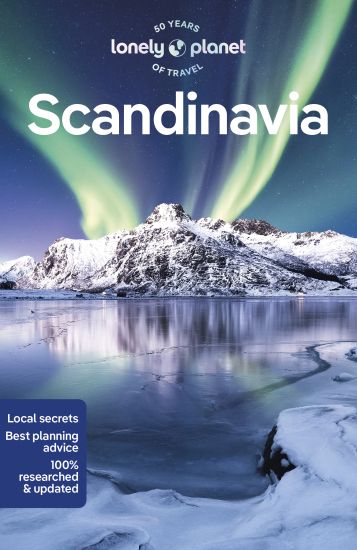
Lonely Planet's Scandinavia is our most comprehensive guide that extensively covers all the region has to offer, with recommendations for both popular and lesser-known experiences. Be awed by the aurora borealis, explore waterfalls in Iceland and be inspired by innovative Scandinavian design; all with your trusted travel companion.Inside Lonely Planet's Scandinavia Travel Guide: Lonely Planet's Top Picks - a visually inspiring collection of the destination's best experiences and where to have themItineraries help you build the ultimate trip based on your personal needs and interestsLocal insights give you a richer, more rewarding travel experience - whether it's history, people, music, landscapes, wildlife, politicsEating and drinking - get the most out of your gastronomic experience as we reveal the regional dishes and drinks you have to tryToolkit - all of the planning tools for solo travellers, LGBTQIA+ travellers, family travellers and accessible travelColour maps and images throughoutLanguage - essential phrases and language tipsInsider tips to save time and money and get around like a local, avoiding crowds and trouble spotsCovers Iceland, Reykjavik, the Blue Lagoon and the Golden Circle, Norway, Oslo, Norway's Fjords, Sweden, Stockholm, Gothenburg, Denmark, Copenhagen, Finland, Helsinki, Lakeland (Finland), the Far North and the Arctic Circle, and moreAbout Lonely Planet:Lonely Planet, a Red Ventures Company, is the world's number one travel guidebook brand. Providing both inspiring and trustworthy information for every kind of traveller since 1973, Lonely Planet reaches hundreds of millions of travellers each year online and in print and helps them unlock amazing experiences. Visit us at lonelyplanet.com and join our community of followers on Facebook (facebook.com/lonelyplanet), Twitter (@lonelyplanet), Instagram (instagram.com/lonelyplanet), and TikTok (@lonelyplanet).'Lonely Planet. It's on everyone's bookshelves; it's in every traveller's hands. It's on mobile phones. It's on the Internet. It's everywhere, and it's telling entire generations of people how to travel the world.' Fairfax Media (Australia)
Das Familiengefuge andert sich, das Erbrecht hingegen wird nicht oder nur geringfugig geandert. Die nordischen Lander haben die wandelnden Familienmuster erkannt und deshalb ihr Erbrecht, insbesondere die erbrechtliche Stellung des Ehegatten, sukzessive erweitert und gestarkt. Dabei hat zuletzt Danemark im Jahr 2008 das Erbrecht tiefgreifend reformiert und sich hierbei am praktischen Bedarf und dem mutmasslichen Erblasserwillen orientiert: Pragmatisch wurden dazu die Testamentspraxis der vergangenen Jahre erhoben und ausgewertet und die Erkenntnisse im Gesetzgebungsverfahren berucksichtigt. Ein untypisches Vorgehen im Vergleich zur positivistisch gepragten Gesetzgebung OEsterreichs. Und auch die auf Rechtsharmonisierung bedachten Lander Norwegen, Danemark und Schweden sind bei den letzten Reformen und Gesetzesanderungen jeweils eigene Wege gegangen. In diesem Buch wird nach einer kurzen Einfuhrung in den nordischen Rechtsraum und die Problematik des Ehegattenerbrechts sowie einem UEberblick uber das Ehegattenerbrecht OEsterreichs die Stellung des Ehegatten in den Erbgesetzen der genannten drei nordischen Lander dargestellt. Im Wege der Rechtsvergleichung wird die jeweilige erbrechtliche Stellung des Ehegatten im Erbrecht der untersuchten Lander gegenubergestellt.
Jesus is always at work.Mark was not one of Jesus’ original disciples, but he was present at the birth of the church and had a strong relationship with Peter. After Peter was put to death during the reign of Emperor Nero, Mark decided to record everything Peter had told him about Jesus and create his Gospel account of the life, death, and resurrection of Christ. Mark shows us that no matter how chaotic our world becomes, we can always cling to the hope and peace that we have in Jesus. Even in the darkest of times, we can rely on the light of Christ to see us through. And while the path to following Jesus is not always easy, it is always worth it.The Jeremiah Bible Study Series captures Dr. David Jeremiah’s forty-plus years of commitment to teaching the Word of God. In each study, he will help you understand what the Bible says, what it meant to the people at the time it was written, and what it means to you today. Along the way, you will gain insights into the text, identify key stories and themes, and be challenged to apply the truth you find in your life.
Become a daily Bible reader, attentive to the mind of God."Scot McKnight is one of my absolute favorite New Testament scholars and his Everyday Bible Study series is akin to Einstein creating a user-friendly version of the Theory of Relativity!"—Lisa Harper, award-winning author and Bible teacherMark writes his biography of Jesus not only to record the story about Jesus, he also has discipleship to Jesus in mind. His central idea is that the life and death of Jesus shapes what the life of a follower of Jesus should look like.In this volume of the New Testament Everyday Bible Study series, Scot McKnight explores the Gospel of Mark, a fast-paced narrative with over half of the content focused on Jesus’ final week. All along the disciples are observing and learning what it means to be a follower of this kind of Jesus.The Gospel of Mark tells the story of Jesus telling parables, performing miracles, suffering resistance, and interacting with religious authorities from Galilee to Jerusalem. And during all that, he is preparing disciples to follow him then and after his resurrection.In the New Testament Everyday Bible Study Series, widely respected biblical scholar Scot McKnight combines interpretive insights with pastoral wisdom for all the books of the New Testament. Each volume provides:Original Meaning. Brief, precise expositions of the biblical text and offers a clear focus for the central message of each passage.Fresh Interpretation. Brings the passage alive with fresh images and what it means to follow King Jesus.Practical Application. Biblical connections and questions for reflection and application for each passage.