Kirjojen hintavertailu. Mukana 11 627 220 kirjaa ja 12 kauppaa.

Kirjahaku

Etsi kirjoja tekijän nimen, kirjan nimen tai ISBN:n perusteella.

189 tulosta hakusanalla Monocle

Therapeutic Monoclonal Antibodies: From Lot Release to Stability Testing
Therapeutic Monoclonal Antibodies: From Lot Release to Stability Testing is a highly topical resource on a subject of interest for scientists and researchers working on monoclonal antibodies' characterization, release testing, stability testing and similarity assessments of monoclonal antibodies in the biopharmaceutical industry. Monoclonal antibodies (mAbs) are large, extremely complex and dynamic biomolecules, so it can be challenging to develop well-characterized therapeutic antibodies that meet regulatory expectations that are also in-line with commercialized standards for different drug markets. Lot release testing and understanding the stability of the mAb over a period of time, and in different environmental conditions, is an indispensable aspect of mAb physicochemical characterization. This book covers the process, including extensive analysis that starts with quantifying the purity attribute to glycan profiling and identifying the mAb primary structure. The book has a primary purpose of focusing on both Lot release testing and stability testing of monoclonal antibodies (subjects not covered in any great detail in other books).
Therapeutic Monoclonal Antibodies
70-chapter authoritative reference that covers therapeutic monoclonal antibody discovery, development, and clinical applications while incorporating principles, experimental data, and methodologies.First book to address the discovery and development of antibody therapeutics in their entirety.Most chapters contain experimental data to illustrate the principles described in them.Authors provide detailed methodologies that readers can take away with them and use in their own laboratories.
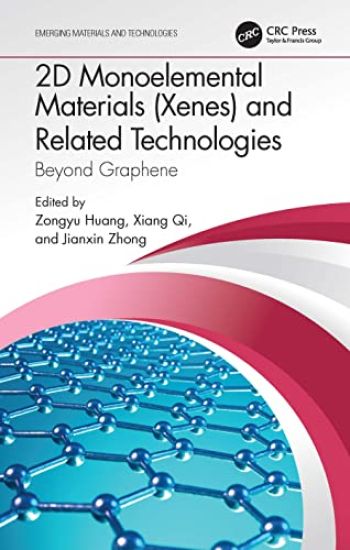
2D Monoelemental Materials (Xenes) and Related Technologies
Monoelemental 2D materials called Xenes have a graphene-like structure, intra-layer covalent bond, and weak van der Waals forces between layers. Materials composed of different groups of elements have different structures and rich properties, making Xenes materials a potential candidate for the next generation of 2D materials. 2D Monoelemental Materials (Xenes) and Related Technologies: Beyond Graphene describes the structure, properties, and applications of Xenes by classification and section. The first section covers the structure and classification of single-element 2D materials, according to the different main groups of monoelemental materials of different components and includes the properties and applications with detailed description. The second section discusses the structure, properties, and applications of advanced 2D Xenes materials, which are composed of heterogeneous structures, produced by defects, and regulated by the field. Features include: Systematically detailed single element materials according to the main groups of the constituent elements Classification of the most effective and widely studied 2D Xenes materials Expounding upon changes in properties and improvements in applications by different regulation mechanisms Discussion of the significance of 2D single-element materials where structural characteristics are closely combined with different preparation methods and the relevant theoretical properties complement each other with practical applicationsAimed at researchers and advanced students in materials science and engineering, this book offers a broad view of current knowledge in the emerging and promising field of 2D monoelemental materials.
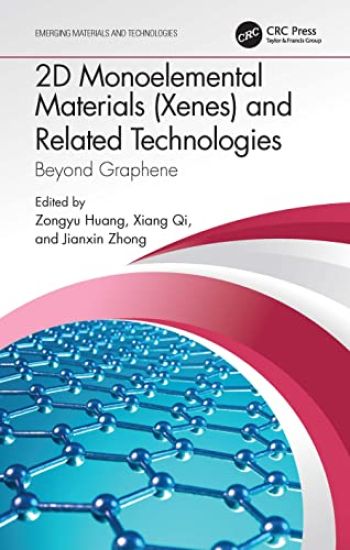
2D Monoelemental Materials (Xenes) and Related Technologies
Monoelemental 2D materials called Xenes have a graphene-like structure, intra-layer covalent bond, and weak van der Waals forces between layers. Materials composed of different groups of elements have different structures and rich properties, making Xenes materials a potential candidate for the next generation of 2D materials. 2D Monoelemental Materials (Xenes) and Related Technologies: Beyond Graphene describes the structure, properties, and applications of Xenes by classification and section. The first section covers the structure and classification of single-element 2D materials, according to the different main groups of monoelemental materials of different components and includes the properties and applications with detailed description. The second section discusses the structure, properties, and applications of advanced 2D Xenes materials, which are composed of heterogeneous structures, produced by defects, and regulated by the field. Features include: Systematically detailed single element materials according to the main groups of the constituent elements Classification of the most effective and widely studied 2D Xenes materials Expounding upon changes in properties and improvements in applications by different regulation mechanisms Discussion of the significance of 2D single-element materials where structural characteristics are closely combined with different preparation methods and the relevant theoretical properties complement each other with practical applicationsAimed at researchers and advanced students in materials science and engineering, this book offers a broad view of current knowledge in the emerging and promising field of 2D monoelemental materials.

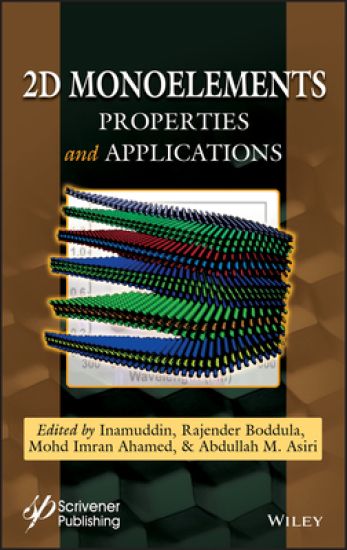
2D Monoelements

2D Monoelements

John Wiley Sons Inc
2021
sidottu
2D Monoelements: Properties and Applications explores the challenges, research progress and future developments of the basic idea of two-dimensional monoelements, classifications, and application in field-effect transistors for sensing and biosensing. The thematic topics include investigations such as: Recent advances in phosphoreneThe diverse properties of two-dimensional antimonene, of graphene and its derivativesThe molecular docking simulation study used to analyze the binding mechanisms of graphene oxide as a cancer drug carrierMetal-organic frameworks (MOFs)-derived carbon (graphene and carbon nanotubes) and MOF-carbon composite materials, with a special emphasis on the use of these nanostructures for energy storage devices (supercapacitors)Two-dimensional monoelements classification like graphene application in field-effect transistors for sensing and biosensingGraphene-based ternary materials as a supercapacitor electrodeRise of silicene and its applications in gas sensing
Therapeutic Monoclonal Antibodies

Therapeutic Monoclonal Antibodies

James W. Larrick; C. Borrebaeck

Palgrave Macmillan
1990
nidottu
A review of therapeutic antibodies which have commercial potential. It discusses PCR cloning of Igs, immortalization by gene transfer, scale up production, infectious diseases, viruses, bacteria, parisites, inflammation/immunology, blood grouping, cells, cytokines, tumours and MDR.
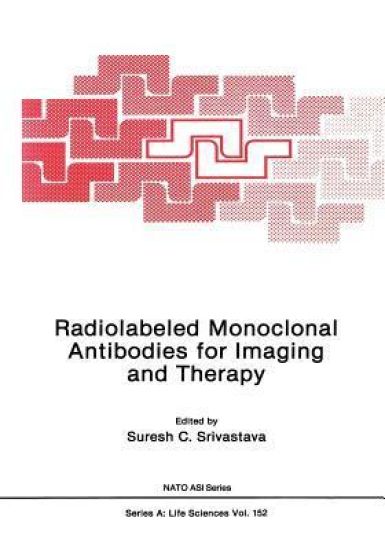
Radiolabeled Monoclonal Antibodies for Imaging and Therapy
The advent of hybridoma technology leading to the successful produc­ tion of monoclonal antibodies against a variety of tumor-associated antigens has, during the last decade, provided a very powerful tool for research and clinical investigations. These highly specific reagents have essentially replaced the polysera of the earlier days. The successful demonstration of the many wide ranging capabilities of the monoclonal antibody technique has already begun to exert an enormous impact on diverse areas of research in basic science and medicine. In particular, the potential of monoclonal antibodies to serve as carriers for selective targeting of radionuclides to tumors for diagnosis or therapy, has stimulated an intense surge of research interest and even revived hopes of realizing Ehrlich's concept of the "magic bullet". Indeed, the technology appears to be on the threshold of a revolution in diagnosing and treating malignant disease. Much work remains to be done, however, and even though the progress has been impressive, results to date have shown only moderate success. There is no question that the limited success we have achieved thus far is merely a prelude to the many more exciting developments yet to come.
Human Monoclonal Antibodies
The introduction of monoclonal antibodies revolutionized immunology. The development of human monoclonal antibodies was inspired primarily by the enormous clinical benefits promised by these reagents which can be used as anti-inflammatory reagents, anti-tumor reagents and reagents for passive immunization in a variety of pathologies. Human Monoclonal Antibodies: Methods and Protocols presents technical protocols of cellular and molecular methods for the production, purification and application of human monoclonal antibodies, as well as review articles on related topics of human monoclonal and polyclonal antibodies. Written in the successful Methods in Molecular Biology series format, chapters include introductions to their respective topics, lists of the necessary materials and reagents, step-by-step, readily reproducible protocols, and notes on troubleshooting and avoiding known pitfalls. Authoritative and easily accessible, Human Monoclonal Antibodies: Methods and Protocols seeks to serve both professionals and novices with its well-honed methodologies which will prove invaluable in a clinical setting.
Human Monoclonal Antibodies
This second edition volume expands on the previous edition with descriptions of recent developments in the field. The chapters in this book cover topics such as monoclonal antibodies for the treatment of melanoma; production and purification of human monoclonal antibodies; humanization and optimization of monoclonal antibodies; rapid chimerization of monoclonal antibodies; epitope mapping via phage display from single gene libraries; recombinant antibodies made by combining phage and yeast display selections; production of stabilized antibody fragments in the E. coli bacterial cytoplasm and transfected mammalian cells; and analysis of CAR T cells. Written in the highly successful Methods in Molecular Biology series format, chapters include introductions to their respective topics, lists of the necessary materials and reagents, step-by-step, readily reproducible laboratory protocols, and tips on troubleshooting and avoiding known pitfalls.Uniqueand thorough, Human Monoclonal Antibodies: Methods and Protocols, Second Edition is a valuable tool for novice and expert researchers interested in learning more about this evolving field.
Human Monoclonal Antibodies
The introduction of monoclonal antibodies revolutionized immunology. The development of human monoclonal antibodies was inspired primarily by the enormous clinical benefits promised by these reagents which can be used as anti-inflammatory reagents, anti-tumor reagents and reagents for passive immunization in a variety of pathologies. Human Monoclonal Antibodies: Methods and Protocols presents technical protocols of cellular and molecular methods for the production, purification and application of human monoclonal antibodies, as well as review articles on related topics of human monoclonal and polyclonal antibodies. Written in the successful Methods in Molecular Biology series format, chapters include introductions to their respective topics, lists of the necessary materials and reagents, step-by-step, readily reproducible protocols, and notes on troubleshooting and avoiding known pitfalls. Authoritative and easily accessible, Human Monoclonal Antibodies: Methods and Protocols seeks to serve both professionals and novices with its well-honed methodologies which will prove invaluable in a clinical setting.
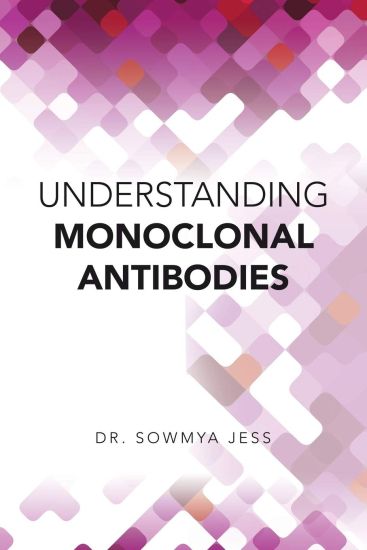
Understanding Monoclonal Antibodies
The book attempts to present the topic of monoclonal antibodies, a biotechnological innovation that holds immense potential in the field of diagnostic and therapeutic medicine in a nutshell. The various aspects like the development of mAbs through hybridoma and phage display technologies, therapeutic applications in various fields of medicine and potential serious adverse effects are presented in a concise, interesting manner. Complex technical detail has been curtailed in an effort to make reading the book more enjoyable and less tedious. Nonetheless, a basic knowledge of human biology would be of help in understanding the material. For readers who require a more detailed and extensive understanding of the subject and for further reading, the references provided would serve as useful resources. A modicum of information regarding the therapeutic potential for mAbs in the treatment of COVID 19 has been provided on account of the currently raging pandemic which is causing a global frenzy of effort for a cure.
Therapeutic Monoclonal Antibodies and Antibody Products, Their Optimization and Drug Design in Cancers
The book broadly deals with therapeutic monoclonal antibodies (mAbs) and various relevant topics, including different antibody formats such as Antibody-Drug Conjugates (ADC), bispecifics, nanoparticle-based mAbs and HER2+ cancers, immune checkpoint inhibitors and other closely related topics. Each paper was written by leading active research groups in their fields both from academia and industry. The book should be of interest to those scientists and researchers who develop or use biologics, biotherapeutics, biosimilars and biobetters in cancer treatment.