Introductions to political philosophy/theory mostly exclude discussions of race, and anthologies of political theory and philosophy cover readings from the ancient Greeks to contemporary theorists but without the voices of nonwhite authors. So Western political thought seems circumscribed to the theories of white men thus providing a misleading narrative of Western political theory to college students. The debates presented between liberalism and absolutism, libertarianism and communitarianism, capitalism and socialism leave out discussions of racism, sexism, abolitionism, colonialism, imperialism, and white supremacy. This textbook is ideal for a variety of courses including social and political philosophy, ethnic studies, postcolonial studies, political theory, sociology, social justice programs/course, and theories of justice. Student features: ·Offers an accessible reader that combines theory with historical and contemporary case studies that encourage students to apply their theoretical understandings of justice to real world issues. ·The case studies offer teachers built-in class activities to explore the implications and applications of theory. ·Includes introductions at the beginning of each section and contemporary case studies at the end of each section of theoretical readings.
This book offers a comprehensive analysis of dynamic networks and evolutionary variational inequalities, a topic of growing prominence in the study of networks. The extraordinary importance of networks in finance, mathematics, computer science and other areas is well known but the relatively new concept of 'dynamic' networks is less well understood. They become dynamic when the constitutive elements of the phenomena associated with the fixed geometry of networks are considered to be evolving over time. Patrizia Daniele offers many numerical examples to illustrate the issues discussed and provides a broad appendix to enrich this challenging but deeply informative book.Researchers, students and practitioners in the areas of finance, economics, computer science, and mathematics will find this volume an indispensable resource in understanding the use and development of networks in their disciplines.
Schwabisch Hall bezeichnet sich selbst als grosste europaische Bausparkasse und unangefochtener Spitzenreiter in Deutschland. Das Image der weissen Weste wird intensiv gepflegt. Wie sieht es aber hinter den Kulissen direkt bei den Mitarbeitern aus? Patrizia Stahl hatte 14 Jahre Einblick in die internen Entscheidungsprozesse aus der Sicht der Vertriebsbasis. Sie beschreibt, wie die Schwabisch Hall Gruppe wirklich funktioniert.Wie werden die Mitarbeiter gedrillt, immer hohere Umsatzziele zu meistern, was geschieht wirklich innerhalb der Fuhrungsebenen? 100%ig recherchiert anhand von Schreiben, internen Protokollen und Tonbandaufzeichnung entfuhrt uns Patrizia Stahl in eine Welt der Intrigen, Machtspiele und Strategien. Egal, ob sie der Frage nachgeht, warum im Osten Deutschlands so viele ehemalige Stasi Mitarbeiter Unterschlupf fanden, wie Fuhrungskrafte ihre Mitarbeiter als reine Produktionsmaschinen sehen. Das Buch gibt Antworten.
This book is born of a contradiction: on the one hand, there has been a genuine advance in the awareness of violence against women and children and actions to oppose it. On the other, the violence persists and so does the counter-attack against those who seek to expose it. Patrizia Romito's extraordinary book describes the links between discrimination, violence against women and violence against children and, uniquely, uncovers the strategies and tactics used for concealing it. Her analysis, corroborated by a solid theoretical framework as well as up-to-date international research data, powerfully reveals the interconnectedness of what might appear as separate events or measures. The book also demonstrates how the same tactics and strategies are at work in various different countries. Written in a clear and direct style, the book is an essential tool for anyone - professional, researcher or activist - wanting to understand male violence against women and children and to oppose it.
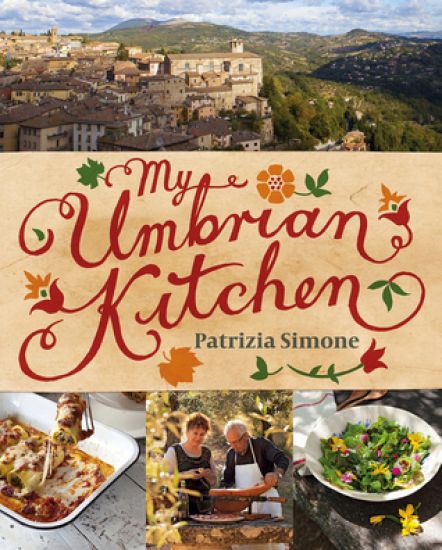
Join Patrizia Simone, Umbrian-Australian chef and advocate of eating and living by the seasons, as she shares the time-honored rituals, stories, and treasured family recipes from her childhood in rural Italy that inspire the dishes she serves at her celebrated restaurant, Simone's of Bright, in Victoria's Ovens Valley. From the simplest pork ribs grilled over hot coals, delicate salads of spring flowers, handmade pasta, and fruit-filled crostate, to elegant dishes using that most Umbrian of ingredients, the truffle, this book captures the essence of Umbria and its culinary traditions. More than just a cookbook, My Umbrian Kitchen is a guide to a way of life who traditions we can learn from and keep alive, wherever we are today.
The theme of “modernity” was the launching pad for architecture in the 20th century, to the point of completely revolutionising our way of life. By causing in its development absolutisations and misunderstandings, actual motives linked to the profound desire to improve everyone’s life were reconsidered. Against the theory that the 20th century connected the objective of modernity to that of the Modern Movement, this book deals with the theme of a present continuity by revealing those “open visions” that characterised modernity at the end of the 19th century. By critically reviewing the main stages of development over time—as well as the intense debates of architectural historians, architects and contemporary scholars—the thesis of modernity as tradition, research, criticism, place of contradictions is supported. Further echoed by that of “architecture tout court,” enhancing the present environment in its current fragility of views—even more so today with the appearance of a virus capable of undermining our way of living. These are “contemporary modernisms” aimed at recovering the essence of a recent past to project it into the present, restoring to architecture that long-neglected role of critical construction and formation of society in an era, ultimately defined as “of Rembrandt beauty.”
Il chaos alle porte, ci indubitabile. Accade non solo a causa della crisi economica indotta, ma per effetto di una grave crisi spirituale: realt che l'uomo del tempo deve accettare e metabolizzare con arrendevolezza. Magia ed esoterismo, Simbolismi e progetti di Intelligenza Artificiale sono gli strumenti in mano ai Costruttori della storia dell'umanit . Il presente viaggio volge al termine rivelando i diversi intrecci di Potere: gli esperimenti, la tecnologia ed i dogmi ideologici della Unione europea. Nel gran finale il lettore realizzer il significato di "interconnessione globale". Nuovo Disordine Sociale, vol. III un saggio-dossier graniticamente documentato che illustra dall'inizio alla fine il vero volto del mondialismo con i suoi intrighi. Dalla crisi economica 'indotta' alla rivoluzione tecnologica; dal Postumano al Cyborg: la fusione uomo-macchina in divenire.
Patrizia una donna minuta, ma dal seno molto grande.Due caratteristiche che ne fanno una donna particolare, come la sua vita sessuale, iniziata in ritardo tra mille disinformazioni e tanti miti da sfatare.Un'indole curiosa e ribelle che non le permettono di vivere la propria sessualit secondo schemi prestabiliti.Tra incontri chele cambieranno la vita ed esperienze insolite, i racconti senza peli sulla lingua di una donna ultraquarantenne dei nostri tempi.
Il pi temuto dei pirati e la bella moglie di un vicegovernatore. Amici, amanti, anime gemelle divorate da una passione che avr conseguenze alle quali non potranno sfuggire. L'amore li unisce, il destino si fa beffa di loro.Una storia intrecciata al mistero di oscure premonizioni e alle note cristalline di un clavicembalo. Nei Caraibi del XVII secolo, tra battaglie e antichi rancori che sconvolgono il presente in una spirale di vendette all'ultimo sangue. Historical RomanceAvventuraPiratiPassioneForbiddenNo CliffhangerSerie Romantic Pirates: 1 Sono solo un marinaio - Autoconclusivo2 La luna e il mare - Autoconclusivo3 La Viola dei Caraibi - Autoconclusivo - (Non necessario aver letto i primi due della serie)Cofanetto: Romantic Pirates - contenente i primi due romanzi della serie + 1 racconto brevePagina Facebook: Patrizia Ines Roggero - Romance
Questo libro contiene moltissimi esercizi ed informazioni pratiche per coloro che volessero sviluppare il proprio potenziale psichico ed intuitivo senza ricorrere a templi, sette, guru o scuole di altra denominazione. Oggi non occorrono pi templi e sacerdoti di dubbio calibro ed integrit per addestrare le nostre innate facolt intuitive e psichiche. Si pu fare nella sicurezza delle proprie case, anche grazie a coloro che hanno gi usato i sistemi e gli esercizi contenuti in questo libro in modo del tutto sicuro negli ultimi secoli, specialmente i Teosofi e gli Spiritualisti che hanno lasciato scritti ancora validi ed utili, ma anche le scuole, i corsi e i centri che addestrano medium e sensitivi in modo serio e rigoroso. Queste scuole si possono trovare pi facilmente nei Paesi Anglosassoni, dove l'onnipresente Chiesa, al contrario che da noi, non riesce a creare sensi di colpa o tab da moltissimo tempo. In Italia, si sa, la situazione diversa. Dove non ci pensa la Chiesa con il senso del peccato e le visioni delle tentazioni del demonio a scoraggiare l'esplorazione del proprio potenziale, ci pensano i maghetti da quattro soldi i quali, grazia alla loro disonest ed ignoranza, infangano continuamente il campo dell'occulto e dell'esoterismo, che all'estero viene invece studiato all'Universit ad altissimi livelli, in quanto parte importante della nostra storia passata ed attuale (ved. Olanda, Francia e Gran Bretagna con corsi di laurea, master e dottorato di ricerca in esoterismo con varie specializzazioni).La visione metafisica della vita prevede che la consapevolezza psichica sia parte di un processo naturale che include Tutto Ci che E', in quanto il mondo metafisico sar anche soggettivo, interiore e privato, ma connesso con tutto ci che esiste, dove tutto interconnesso. I nostri cinque sensi creano l'illusione della separazione, ma la realt una cosa molto diversa, fatta di particelle ed energia. Pi svilupperemo una connessione psichica all'Io Superiore, pi saremo consapevoli dell'energia che sta alla base di tutte le dimensioni di coscienza che chiamiamo Dio o il Divino.La comunicazione tra menti la cosa pi naturale del mondo, per quanto possiamo negarne l'esistenza se giochiamo a fare lo scienziato scettico a tutti i costi. Per quanto possiamo a volte interpretarla male, la connessione psichica e le informazioni ricevute sono la miglior guida a nostra disposizione - il nostro navigatore interiore. La consapevolezza psichica spirito, coscienza e quasi inevitabilmente conduce alla consapevolezza spirituale. In effetti, la sensibilit psichica il risultato della propria connessione spirituale. Questo libro per coloro che vogliono progredire lungo il loro personale percorso spirituale in modo pratico, esplorando anche le proprie facolt intuitive e psichiche.
Poesie come quadri che dipingono con i loro versi lo scorrere del tempo, il susseguirsi di emozioni, stati d'animo, eventi, che segnano la vita di ogni persona.Nel poetare di Patrizia Tansini si nota l'influenza dei suoi studi classici, per cui le liriche sono particolarmente curate nel lessico, nelle metafore, nella ricerca di toni "alti", di elucubrazioni spericolate, nonch a volte nell'ermetismo non di maniera, ma che esprime emozioni forti e gli anni trascorsi in una vita di entusiasmi e di dolori, di rabbie e di solitudini.Le tematiche affrontate spaziano dalla famiglia alle favole, dalle immagini fantasiose alla natura, dalle vicende storiche a fatti di vita quotidiana, tutto descritto con versi dall'andamento libero, privi di qualsivoglia accademismo di maniera o da richiami alla moda.Si passa quindi dal dolore per la perdita della madre in "Ti penso e sei lontana" alla rievocazione della caduta del muro di Berlino in "Good morning Berlino, good morning Europa", dalla descrizione di "L'America" vista dagli europei in termini quasi surreali ad "Alina e sua madre" che ci rammenta la tragedia della guerra dei Balcani degli anni '90, vista attraverso gli occhi di una donna sottoposta a stupri di gruppo e alla quale rimane come unica consolazione la figlia Alina divenuta ormai adolescente, fino alle "Lacrime di Esma" che solcano il viso di una ragazza venuta dall'est con la speranza di sistemarsi con un buon lavoro ma che invece si ritrova schiava di sfruttatori che la costringono a prostituirsi per poter campare.In ogni sua poesia, Patrizia Tansini, dimostra una grande sensibilit e tramite l'utilizzo di immagini sia leggere che intense ci spinge a guardare nel nostro io, meditando, cercando mondi perduti e mondi ancora vitali che inducano ogni generazione a dare una risposta positiva alle tematiche quotidiane.
Poems as paintings that paint with their verses the passage of time, the succession of emotions, moods, events that mark the life of every person.In the poetry of Patrizia Tansini we note the influence of his classical studies, so the lyrics are particularly curated in the lexicon, in metaphors, in the search for "high" tones, ruddy ruminations, and sometimes in the hermeticism not in fashion, but that expresses strong emotions and the years spent in a life of enthusiasm and pain, of anger and loneliness.The themes dealt with range from family to fairy tales, from imaginative images to nature, from historical events to everyday life events, all described in verses with a free style, without any kind of academicism or fashion references.We then move from pain to the loss of the mother in "I think and you're far" to the re-enactment of the fall of the Berlin Wall in "Good morning Berlin, good morning Europe", from the description of "America" seen by the Europeans in terms Almost surreal to "Alina and her mother" that reminds us of the tragedy of the Balkan war of the 90s, seen through the eyes of a woman subjected to gang rape and to which her daughter Alina, now adolescent, remains the only consolation to the "Tears of Esma" that furrow the face of a girl from the east with the hope of settling down with a good job but instead finds herself a slave to exploiters who force her to prostitute herself to be able to live.In all her poems, Patrizia Tansini, demonstrates a great sensitivity and through the use of both light and intense images leads us to look into our ego, meditating, looking for lost worlds and vital worlds that lead each generation to give a positive response to daily themes.
This book attempts to solve Aristotle's definition of arthron in the XX chapter of the Poetics by seeing it in a new light. This definition has always been considered an unsolvable problem. Starting with a detailed analysis of the Greek text, and of the various attempts to emend the text in order to make sense of it, the book provides an analytical description of the critical literature, showing that the solutions proposed up to now need to be revised.The possible solution is found in viewing the XX chapter of the Poetics not as a classification of parts of speech, as it was usually supposed, but by considering the biological definitions of arthron in Aristotle's corpus. This leads to the conclusion that, in linguistics as well as in biology, arthron is a "joint". In this light, the book offers a new textual conjecture for the first example of arthron in the Poetics.
This book takes a close look at our relationship with the sky, the stars, light and darkness. In particular, it examines how light pollution has interfered with the culture of astronomy and our ability to appreciate this essential facet of our natural world. The sky has always held significance for humanity, in both cultural and scientific terms. And yet we persistently pollute it with (sometimes unnecessary) light in our obsessive desire to chase away the darkness. This effectively switches off the stars, hampering our ability to enjoy one of the most inspiring sights nature has to offer to humankind. In addition, too much light is hazardous to both our health and that of the fauna and flora of this planet. This book also features a comprehensive look at the current controversy regarding efforts to expand internet access through the launch into low Earth orbits of thousands of new satellites, which will pollute the night with moving lights while filling to saturation the capability of the circumterrestrial space. This conflict does not mean that the interests of astronomy and those of space technology have to be at odds, and potential compromises are explored between the satellite initiative and the desire to maintain a dark, radio silent sky.
This book represents a valuable contribution to the history of the Socialist Second International and, more generally, of European socialism between the Great Depression of the 1880s and WWI. It comes to fill a gap in the scholarship, insofar as it investigates the history of the Socialist Youth International. During the first phase of the making of socialist parties, this organization was in charge of the political and cultural education of the proletarian youth. Capitalizing on an approach based on social, quantitative and political history, and on an analysis of mentalities and languages, the book reconstructs the many-sidedness of the “school of recruits” of the social-democratic and revolutionary movements. The working conditions of youth in Europe, its unionization and economic struggles, the fight against militarism, the pedagogical work, the internationalism and the commitment to maintain peace, and the attitude of young militants towards Bolshevik revolution are some of thethemes investigated in the book. It also clarifies the role and the engagement with the issue of the new generation shown by prominent figures of Marxism such as Karl Liebknecht, Jean Jaurès, Henri De Man, Willi Münzenberg, Henriette Roland Holst, and Robert Danneberg. Finally, the book constitutes also a page of European social and political history, reconstructed through the history of the various youth socialisms and their relationship with the Marxist tradition.
This book represents a valuable contribution to the history of the Socialist Second International and, more generally, of European socialism between the Great Depression of the 1880s and WWI. It comes to fill a gap in the scholarship, insofar as it investigates the history of the Socialist Youth International. During the first phase of the making of socialist parties, this organization was in charge of the political and cultural education of the proletarian youth. Capitalizing on an approach based on social, quantitative and political history, and on an analysis of mentalities and languages, the book reconstructs the many-sidedness of the “school of recruits” of the social-democratic and revolutionary movements. The working conditions of youth in Europe, its unionization and economic struggles, the fight against militarism, the pedagogical work, the internationalism and the commitment to maintain peace, and the attitude of young militants towards Bolshevik revolution are some of thethemes investigated in the book. It also clarifies the role and the engagement with the issue of the new generation shown by prominent figures of Marxism such as Karl Liebknecht, Jean Jaurès, Henri De Man, Willi Münzenberg, Henriette Roland Holst, and Robert Danneberg. Finally, the book constitutes also a page of European social and political history, reconstructed through the history of the various youth socialisms and their relationship with the Marxist tradition.
Our eating decisions are guided by several psychological dimensions: cognitive, emotional, value-based, social, and behavioural. The social psychology of eating helps us understand these dimensions and how we can promote healthy and sustainable eating to improve people's wellbeing. What is most important in deciding what we want to eat? What drives people to go vegan? Do we tend to eat more when we are nervous? Does it change our behavior when we sit at the table with others? Why do we put off starting the diet until the next week? How does online and offline communication influence our eating behaviour? Is it possible to help people change their eating habits thanks to artificial intelligence? These and other questions are answered in this book, with up-to-date literature references and pointers to the most promising developments in the field. An essential text for undergraduate and graduate students, as well as researchers in the fields of psychology and nutrition.
This book analyzes the policies and space economy programs of major space-faring nations and explores whether the present institutional set-up in Europe is adequate to address the challenges. At the core of the discussion are the relative roles of governments and markets in a highly dynamic panorama that involves advancements in science, modifications in technology and organization, and the introduction of new rules of behavior. After a close examination of the history of development of the space economy, and the shift from the centralized model to deregulation and the opening up of space activities to commercial companies, a wide-ranging overview of global space governance is provided. National and regional perspectives are discussed, and the current role of commercial actors in the global space system is elucidated. The various challenges faced by Europe are then examined, including the threat posed by institutional and market fragmentation to the emergence of European companies able to compete with companies of nations such as the USA. The final part of the book analyzes proposals for reforming of the space system in Europe and offers a vision for future European space policy.