
Kirjahaku
Etsi kirjoja tekijän nimen, kirjan nimen tai ISBN:n perusteella.
1000 tulosta hakusanalla Peter Brain
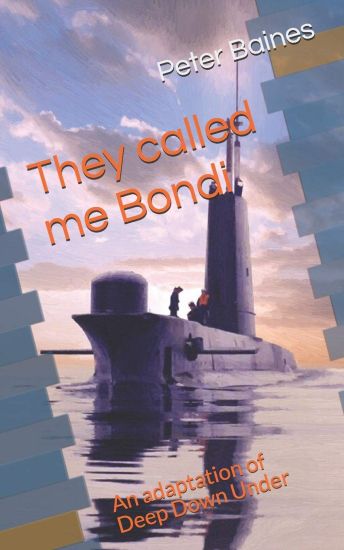
They Called Me Bondi: an adaptation of Deep Down Under
Peter Baines
Independently Published
2019
nidottu
The blustery south-easterly flung the salty spray over the starboard bow as the Daring Class destroyer, DO4 pitched headlong into the five metre swell, dousing the crew members scurrying to secure the foredeck. The Tasman Sea was living up to her reputation. Down below, off-duty sailors were either busying themselves with ablutions, losing their pays at poker or flopped on their bunks (or the deck) reading unmentionable titles. But most were in the mid-ships mess trusting their luck and hoping the numbers would fall their way in the twice-weekly ritual of Tombola. At this very moment it was hard to imagine that within a week, the lives of all 330 men aboard would be changed forever.This is a story based on real life naval experiences during the 1960s. It takes you on the journey of a young sailor's often chaotic life, punctuated by misadventure and unpredictable, sometimes tragic circumstance. You will share the woes of his excessive drinking, his romances and missed opportunities in the aftermath of Australia's worst naval peacetime tragedy and his transfer into the submarine squadron. This is an insiders frank account of life in the Senior Service during the Cold War period. The names of naval characters other than the author and details of some events have been fictionalised to protect the innocent, the not-so innocent and those who are totally oblivious to their inclusion in this story. This is a 'first-person' rewrite of the author's 2018 book, Deep Down Under.



Qualified: The Guide to Becoming an Approved Driving Instructor
Peter Brabin
Amberley Publishing
2019
nidottu
Qualified: The Guide to Becoming an Approved Driving Instructor is a comprehensive industry-standard guide for trainee driving instructors studying for the ADI part 1, 2 and 3 exams; qualified driving instructors looking for a reference guide; and those studying for their standards check. Taking the trainee from their initial desire to become a driving instructor right through to preparing those first lessons as a qualified driving instructor, this guide covers all aspects of the most current processes required to become an ADI, together with tips and ideas on how to really engage the pupil so they achieve their best as safe drivers at test and during the years ahead. Looking in detail at client-centred learning, the book covers various levels of instruction, lesson plans and topics, and the essential requirements of a driving instructor. Additionally, there are comprehensive sections on the ADI standards check and the learner driver test.

Essential Tremor is the most common movement disorder in the world, and affects between 4 and 40 people per 1000 of the population amongst all ethnic groups. Characterised by shaking hands, this disorder can affect the head, voice and legs, and is often made worse by physical and emotional stress. Essential Tremor: The Facts provides a comprehensive guide to understanding this disorder and minimising its impact upon the lives of sufferers, their friends and families. It begins with a close look at what essential tremor is and how it should be diagnosed, as well as details on who gets the disorder, the causes, and how it affects sufferers day-to-day lives. Current treatment options are covered, along with patient advice on how to cope with the stigma of essential tremor, as well as the disability and social handicap it invokes. The book concludes with a chapter on the future and prospects of a potential cure.





The Errors of the Church of Rome, Exhibited in a Sermon, Preached by P. A. Baines, Exposed and Refuted.
J Curate Taylor; Peter Augustine Baines
British Library, Historical Print Editions
2011
pokkari
Title: The Errors ... of the Church of Rome, exhibited in a sermon, preached by P. A. Baines, ... exposed and refuted.Publisher: British Library, Historical Print EditionsThe British Library is the national library of the United Kingdom. It is one of the world's largest research libraries holding over 150 million items in all known languages and formats: books, journals, newspapers, sound recordings, patents, maps, stamps, prints and much more. Its collections include around 14 million books, along with substantial additional collections of manuscripts and historical items dating back as far as 300 BC.The GENERAL HISTORICAL collection includes books from the British Library digitised by Microsoft. This varied collection includes material that gives readers a 19th century view of the world. Topics include health, education, economics, agriculture, environment, technology, culture, politics, labour and industry, mining, penal policy, and social order. ++++The below data was compiled from various identification fields in the bibliographic record of this title. This data is provided as an additional tool in helping to insure edition identification: ++++ British Library Taylor, J. Curate; Baines, Peter Augustine; 1827. 29 p.; 8 . 10347.f.10.(5.)
The Course Of Studies And Method Of Instruction
Peter Augustine Baines
KESSINGER PUBLISHING, LLC
2009
nidottu

The Course Of Studies And Method Of Instruction
Peter Augustine Baines
KESSINGER PUBLISHING, LLC
2010
sidottu
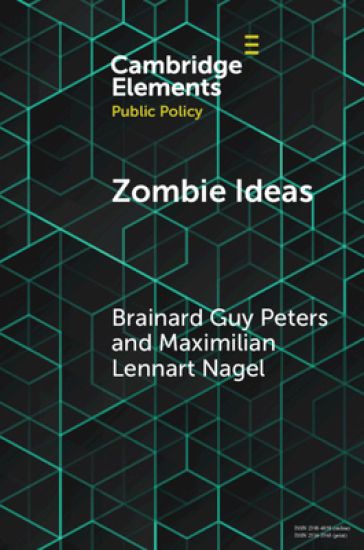
Ideas are important in shaping the policy choices of governments. But many ideas that have not been successful in the past continue to be used by policymakers, and some good ideas tend not to be adopted. This Element will focus on why governments make these poor policy choices. We will discuss a number of examples of 'zombie ideas' that refuse to die, and then discuss the factors that are associated with their survival. Those factors occur at the elite, the organizational and the societal level. We will also examine some 'ghost' ideas that may well be successful but have a difficult time being adopted, and the factors that are associated with the exclusion of these ideas from the policy process.
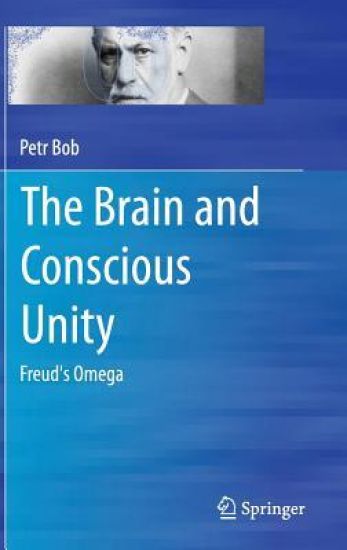
In this provocative text, a noted neuroscientist reexamines Freud's posthumously published Project of Scientific Psychology in the light of modern neuroscience. This expanded "thermodynamics of the mind" model includes robust conceptions of the cellular and neural processes that accompany creation of consciousness and memory, their contributions to such conditions as depression, dissociative disorders, and schizophrenia, and implications for practice, from imaging to talk-based therapies to pharmacotherapy. Central to this construct is Freud's proposal of specific "omega" neurons as the most volatile carriers of consciousness between mind and brain, which is applied to current issues regarding complexity and executive functioning. In addition, the book is extensively referenced, allowing readers to investigate these and related phenomena in greater detail.Among the topics covered:Neural reductionism in Freud's "Project" and neuropsychoanalysis.Thermodynamics and brain self-organization.Conflicting information and the dissociated mind.The Cartesian model of the mind and the binding problem.Neuroendocrine and immune response to stress.The concept of omega neurons and modern chaos theory.Rigorous, challenging, and occasionally startling, The Brain and Conscious Unity is a milestone in the neuroscience and mind/brain literature to be read and discussed by psychiatrists, psychologists, and neuropsychologists.
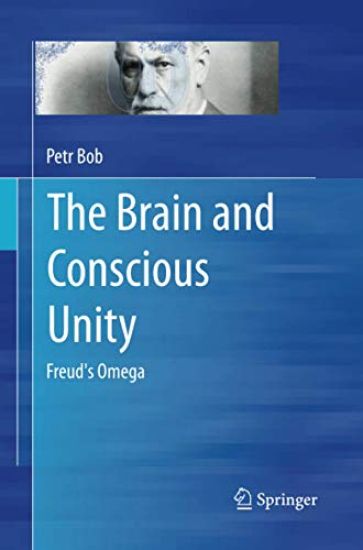
In this provocative text, a noted neuroscientist reexamines Freud's posthumously published Project of Scientific Psychology in the light of modern neuroscience. This expanded "thermodynamics of the mind" model includes robust conceptions of the cellular and neural processes that accompany creation of consciousness and memory, their contributions to such conditions as depression, dissociative disorders, and schizophrenia, and implications for practice, from imaging to talk-based therapies to pharmacotherapy. Central to this construct is Freud's proposal of specific "omega" neurons as the most volatile carriers of consciousness between mind and brain, which is applied to current issues regarding complexity and executive functioning. In addition, the book is extensively referenced, allowing readers to investigate these and related phenomena in greater detail.Among the topics covered:Neural reductionism in Freud's "Project" and neuropsychoanalysis.Thermodynamics and brain self-organization.Conflicting information and the dissociated mind.The Cartesian model of the mind and the binding problem.Neuroendocrine and immune response to stress.The concept of omega neurons and modern chaos theory.Rigorous, challenging, and occasionally startling, The Brain and Conscious Unity is a milestone in the neuroscience and mind/brain literature to be read and discussed by psychiatrists, psychologists, and neuropsychologists.