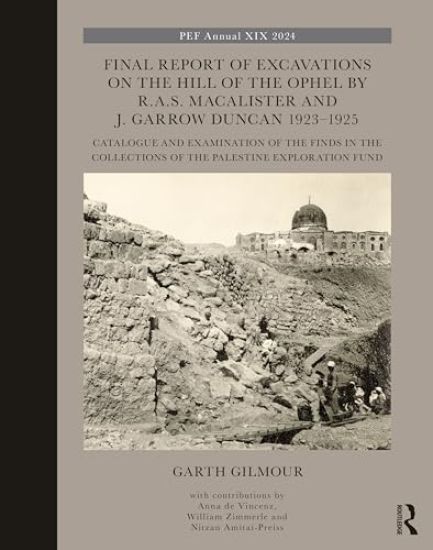
Final Report of Excavations on the Hill of the Ophel by R.A.S. Macalister and J. Garrow Duncan 1923–1925 contains the publication of the finds from this excavation a century ago that have been curated and stored in the archives of the Palestine Exploration Fund in London.This volume includes a history of the excavation and detailed descriptions and illustrations of finds ranging from the Chalcolithic through to the Ottoman periods. These include pottery, metal, bone and glass objects, seal impressions, figurines, clay tobacco pipes and other items, many of which have never been published before. Among the more significant finds from the excavation, both the subject of special studies, are an incised pottery sherd with images of two deity figurines interpreted as representing Yahweh and Asherah, and two incense burners that contribute to our understanding of the trade in incense in the Near East in the second and first millennia BCE.This volume will be of interest to students and researchers of ancient near eastern archaeology, and particularly those engaged in research in the southern Levant. The report complements the publications of the many subsequent excavations in the same area of Jerusalem, a location that is still today the focus of much attention for historical, religious and political, not to mention archaeological, reasons.
Final Report of Excavations on the Hill of the Ophel by R.A.S. Macalister and J. Garrow Duncan 1923–1925 contains the publication of the finds from this excavation a century ago that have been curated and stored in the archives of the Palestine Exploration Fund in London. This volume includes a history of the excavation and detailed descriptions and illustrations of finds ranging from the Chalcolithic through to the Ottoman periods. These include pottery, metal, bone and glass objects, seal impressions, figurines, clay tobacco pipes and other items, many of which have never been published before. Among the more significant finds from the excavation, both the subject of special studies, are an incised pottery sherd with images of two deity figurines interpreted as representing Yahweh and Asherah, and two incense burners that contribute to our understanding of the trade in incense in the Near East in the second and first millennia BCE. This volume will be of interest to students and researchers of ancient near eastern archaeology, and particularly those engaged in research in the southern Levant. The report complements the publications of the many subsequent excavations in the same area of Jerusalem, a location that is still today the focus of much attention for historical, religious and political, not to mention archaeological, reasons.
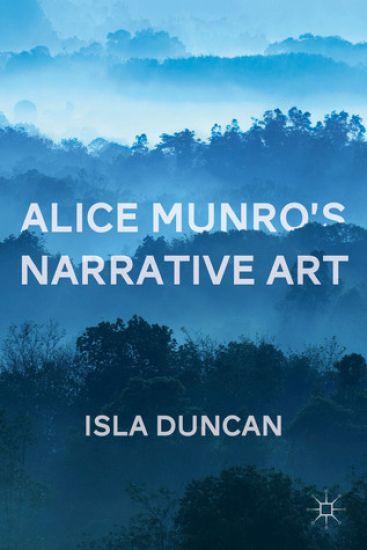
Among the first critical works on Alice Munro's writing, this study of her short fiction is informed by the disciplines of narratology and literary linguistics. Through examining Munro's narrative art, Isla Duncan demonstrates a rich understanding of the complex, densely layered, often unsettling stories.
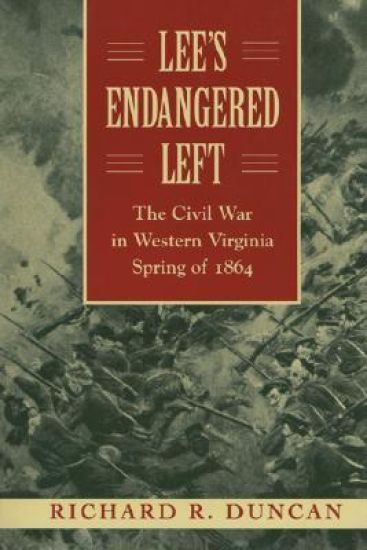
In the spring of 1864, Ulysses S. Grant as general-in-chief of the Union armies devised a plan of concerted action to bring down the Confederacy. As part of that strategy, Grant aimed to destroy General Robert E. Lee's supply source for his Army of Northern Virginia in western Virginia and to use military activity there as an extended turning movement to threaten Lee from the west. In this outstanding study, Richard R. Duncan offers a riveting overview of these military operations as well as their impact on the civilian population, shedding light on an often overlooked chapter of the Civil War in Virginia. Initially, Duncan explains, Grant proposed a three-pronged pincer movement to strike at the depots and transportation system in southwest Virginia and the Shenandoah Valley's breadbasket. The Army of the Kanawha, under General George Crook, struck at the New River Bridge to cut the Virginia and Tennessee Railroad, while a subordinate cavalry expedition lead by General William Averell moved against the saltworks and lead mines in southwestern Virginia. Meanwhile, General Franz Sigel advanced up the Shenandoah Valley to threaten Staunton and form a junction with Crook. If all went well, the combined army was then to advance on Lynchburg.As Duncan shows, these Federal operations proved only partially successful. Despite a victory at the battle of Cloyds Mountain and the destruction of the New River Bridge, Grant's pincer movement faltered in the Shenandoah Valley at the battle of New Market. A renewal of the initiative by General David Hunter in late May and early June briefly secured Federal objectives and dominance over western Virginia. But General Jubal Early stopped the Army of West Virginia at the gates of Lynchburg, and Confederate forces went on to regain the Shenandoah Valley and even to threaten Washington.Unlike most works on the eastern theater, Lee's Endangered Left emphasizes the high price civilians paid for these campaigns. The Federal troops' need for food and horses and the Union objective of crippling the South's ability to wage war brought serious losses to Confederate and Unionist civilians alike, reflecting the increasingly destructive nature of the war. The devastation civilians experienced in western Virginia, Duncan asserts, would later reverberate in the burning of Chambersburg, Pennsylvania, by Confederate troops and in the sufferings inflicted upon Georgians by William T. Sherman.Providing a much-needed overview of the first part of the Virginia campaign, Lee's Endangered Left thoroughly integrates the military operations in western Virginia into the larger canvas of the entire eastern theater. Civil War historians and buffs alike will welcome Duncan's work.
Milton's Earthly Paradise was first published in 1972. Minnesota Archive Editions uses digital technology to make long-unavailable books once again accessible, and are published unaltered from the original University of Minnesota Press editions.This study provides a history of the changing interpretations of the first earthly paradise—the garden of Eden—in Western thought and relates Paradise Lost and other literary works to this paradise tradition. The author traces the beginnings of the tradition as they appear in the Bible and in classical literature and shows how these two strains were joined in early Christian and medieval literature. His emphasis, however, is on the relation of Paradise Lost to Renaissance commentary and to other literary works of the period dealing with the paradise story.Professor Duncan views Paradise Lost as one of many Renaissance works that reveal an untiring effort to understand and explain the first chapters of Genesis. In the rational and humanistic commentary of the Renaissance, he explains, the aim was to provide an interpretation of the literal sense of the Scriptural account that was credible, detailed, and historically valid. He finds that the cumulative influence of the commentary is reflected in Milton's attention to the location of paradise, the emphasis on the natural and the rational in his description of paradise, and in the importance of the typological relationship between the terrestrial and celestial paradises. This illuminating discussion makes it clear that Milton's re-creation of paradise is not only superb poetry but also a penetrating account of the origins of man, involving highly complex and controversial issues.
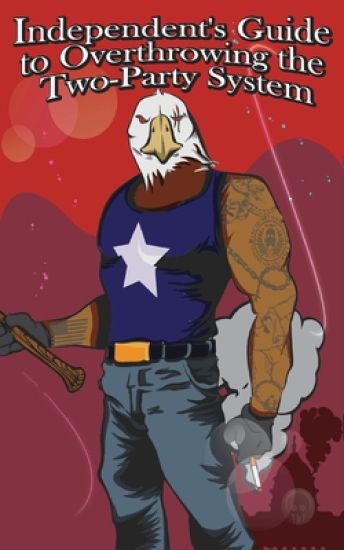
A brilliant resource for political independents to enact positive, lasting change. Providing all the necessary explanations, contact information, and tools for any would-be-activist or frustrated voter to create their own politically-independent game plan outside of right-versus-left thinking. American government has become a polarized, dysfunctional, corrupted mess, but this book shows you how to fix it, while feeling good about what you're fighting for.
Among the first critical works on Alice Munro's writing, this study of her short fiction is informed by the disciplines of narratology and literary linguistics. Through examining Munro's narrative art, Isla Duncan demonstrates a rich understanding of the complex, densely layered, often unsettling stories.
Among the first critical works on Alice Munro's writing, this study of her short fiction is informed by the disciplines of narratology and literary linguistics. Through examining Munro's narrative art, Isla Duncan demonstrates a rich understanding of the complex, densely layered, often unsettling stories.
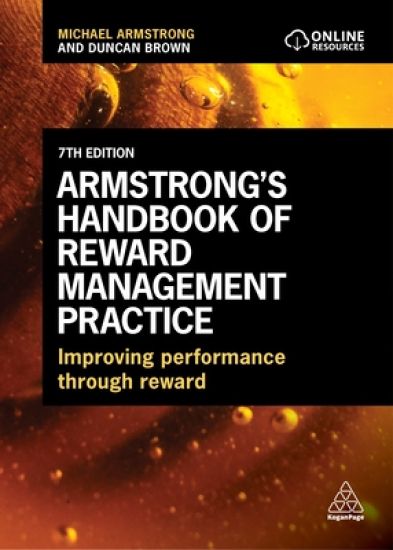
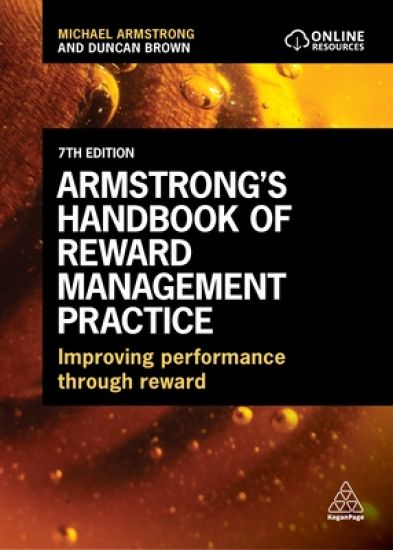
Armstrong's Handbook of Reward Management Practice is the essential guide to comprehending, developing and implementing effective reward strategies. This updated seventh edition incorporates the latest research and developments within reward management, including the reward implications of Covid and the 'great resignation' and rewarding remote and hybrid workers. Revisions also contain updates on reward structures, equal pay, employee benefits including wellbeing benefits, total rewards and smart rewards. This book covers all the crucial aspects of improving organizational, team and individual performance through reward processes, including financial and non-financial rewards, job evaluation, grade and pay structures, rewarding specific employee groups and ethical considerations. Armstrong's Handbook of Reward Management Practice bridges the gap between the academic and practitioner and is ideally suited to both HR professionals and those studying for HR qualifications, including master's degrees and the CIPD's intermediate and advanced level qualifications. Tips and checklists and can be found throughout, alongside case studies from organizations including General Motors, and the UK National Health Service. Online supporting resources include lecture slides and comprehensive handbooks for both lecturers and students, which include learning summaries, discussion questions, literature reviews and glossaries.
Armstrong's Handbook of Reward Management Practice is the essential guide to comprehending, developing and implementing effective reward strategies. This updated seventh edition incorporates the latest research and developments within reward management, including the reward implications of Covid and the 'great resignation' and rewarding remote and hybrid workers. Revisions also contain updates on reward structures, equal pay, employee benefits including wellbeing benefits, total rewards and smart rewards. This book covers all the crucial aspects of improving organizational, team and individual performance through reward processes, including financial and non-financial rewards, job evaluation, grade and pay structures, rewarding specific employee groups and ethical considerations. Armstrong's Handbook of Reward Management Practice bridges the gap between the academic and practitioner and is ideally suited to both HR professionals and those studying for HR qualifications, including master's degrees and the CIPD's intermediate and advanced level qualifications. Tips and checklists and can be found throughout, alongside case studies from organizations including General Motors, and the UK National Health Service. Online supporting resources include lecture slides and comprehensive handbooks for both lecturers and students, which include learning summaries, discussion questions, literature reviews and glossaries.
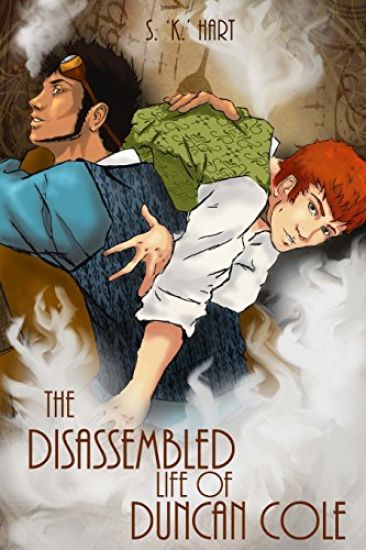
In which we meet Duncan: professional nobody who presents himself to the public as a scowling, smoking pile of contempt. Against his will, he meets Sam: a less than professional coal miner who inspires the worst in men. Together they take on one malicious train and a most insidious re-animator, and along the way Duncan remembers a few things that he'd previously forgotten.