
Kirjahaku
Etsi kirjoja tekijän nimen, kirjan nimen tai ISBN:n perusteella.
1000 tulosta hakusanalla Elizabeth Elliott
It's gone. I could see the yellow-spoked wheel of the spare tire, perched on the back of a 1934 Plymouth, disappear over the hilltop. The car in which I might have gotten a ride home from elementary school on this rainy day had gone and I was left behind."It's gone." The trainman stood at the only lighted gate in Penn Station. The train had gone, leaving me behind to figure out how on earth I was to make a speaking engagement on Long Island in an hour and a half.We've all experienced the desolation of being left in one way or another. And sooner or later many of us experience the greatest desolation of all: he's gone. The one who made life what it was for us--who was, in fact, our life.And we were not ready. Not really prepared at all. We felt, when the fact stared us in the face, "No. Not yet." For however bravely we may have looked at the possibilities (if we had any warning at all), however calmly we may have talked about them with the one who was about to die (and I had a chance to talk about the high risks with my first husband, and about the human hopelessness of the situation with my second), we are caught short. If we had another week, perhaps, to brace ourselves... a few more days to say what we wanted to say, to do or undo some things, wouldn't it have been better, easier?But silent, swift, and implacable the Scythe has swept by, and he is gone, and we are left. We stand bewildered on the sidewalk, on the station platform. Yet, most strangely, that stunning snatching away has changed nothing very much. There is the sunlight lying in patches on the familiar carpet just as it did yesterday. The same dishes stand in the rack to be put away as usual, his razor and comb are on the shelf, his shoes in the closet (O the shoes Molded in the always recognizable shape of his feet). The mail comes, the phone rings, Wednesday gives way to Thursday and this week to next week, and you have to keep getting up in the morning ("Life must go on, I forget just why," wrote Edna St. Vincent Millay) and combing your hair (for whom, now?), eating breakfast (remember to get out only one egg now, not three), making the bed (who cares?). You have to meet people who most fervently wish they could pass by on the other side so as not to have to think of something to say. You have to be understanding with their attempts to be understanding, and when they nervously try to steer you away from the one topic you want so desperately to talk about you have to allow yourself to be steered away--for their sakes. You resist the temptation, when they say he's "passed away," to say "No, he's dead, you know."After a few months you've learned those initial lessons. You begin to say "I" instead of "we" and people have sent their cards and flowers and said the things they ought to say and their lives are going on and so, astonishingly, is yours and you've "adjusted" to some of the differences--as if that little mechanical word, a mere tinkering with your routines and emotions, covers the ascent from the pit.I speak of the "ascent." I am convinced that every death, of whatever kind, through which we are called to go must lead to a resurrection. This is the core of Christian faith. Death is the end of every life and leads to resurrection, the beginning of every new one. It is a progression, a proper progression, the way things were meant to be, the necessary means of ongoing life. It is supremely important that every bereaved person be helped to see this. The death of the beloved was the beloved's own death, "a very private personal matter," Gert Behanna says, "and nobody should ever dare to try to get in on the act." But the death of the beloved is also the lover's death, for it means, in a different but perhaps equally fearsome way, a going through the Valley of the Shadow.I can think of six simple things that have helped me through this valley and that help me now.First, I try to be still and know that He is God. That advice comes from Psalm 46, which begins by describing the sort of trouble from which God is our refuge--the earth's changing, or "giving way" as the Jerusalem Bible puts it, the mountains shaking, the waters roaring and foaming, nations raging, kingdoms tottering, the earth melting. None of these cataclysms seem an exaggeration of what happens when somebody dies. The things that seemed most dependable have given way altogether. The whole world has a different look and you find it hard to get your bearings. Shadows can be very confusing. But in both psalms we are reminded of one rock-solid fact that nothing can change: Thou art with me. The Lord of Hosts is with us; the God of Jacob is our refuge. We feel that we are alone, yet we are not alone. Not for one moment has He left us alone. He is the one who has "wrought desolations," to be sure. He makes wars cease, breaks bows, shatters spears, burns chariots (breaks hearts, shatters lives?), but in the midst of all this hullabaloo we are commanded, "Be still." Be still and know.Stillness is something the bereaved may feel they have entirely too much of. But if they will use that stillness to take a long look at Christ, to listen attentively to His voice, they will get their bearings.There are several ways of looking and listening that help us avoid being dangerously at the mercy of our (heaven forfend ) "gut-level" feelings. Bible reading and prayer are the obvious ones. Taking yourself by the scruff of the neck and setting aside a definite time in a definite place for deliberately looking at what God has said and listening to what He may have to say to you today is a good exercise. And if such exercises are seen as obligations, they have the same power that other obligations--cooking a meal, cleaning a bathroom, vacuuming a rug--have to save us from ourselves.Another means of grace is repeating the creed. Here is a list of objective facts that have not been in the smallest detail altered by what has happened to us. Far from it. Not only have they not been altered; they do actually alter what has happened--alter our whole understanding of human life and death, lift it to another plane. We can go through the list and contemplate our situation in the light of each tremendous truth. It is simply amazing how different my situation can appear as a result of this discipline.The second thing I try to do is to give thanks. I cannot thank God for the murder of one or the excruciating disintegration of another, but I can thank God for the promise of His presence. I can thank Him that He is still in charge, in the face of life's worst terrors, and that "this slight momentary affliction is preparing for us not 'us for'] an eternal weight of glory beyond all comparison, as we look not to the things that are seen but to the things that are unseen." (2 Corinthians 4:17, 18) I'm back to the creed again and the things unseen that are listed there, standing solidly (yes, solidly, incredible as it seems) against things seen (the fact of death, my own loneliness, this empty room). And I am lifted up by the promise of that "weight" of glory, so far greater than the weight of sorrow that at times seems to grind me like a millstone. This promise enables me to give thanks.Then I try to refuse self-pity. I know of nothing more paralyzing, more deadly, than self-pity. It is a death that has no resurrection, a sink-hole from which no rescuing hand can drag you because you have chosen to sink. But it must be refused. In order to refuse it, of course, I must recognize it for what it is. Amy Carmichael, in her sword-thrust of a book If, wrote, "If I make much of anything appointed, magnify it secretly to myself or insidiously to others, then I know nothing of Calvary love." That's a good definition of self-pity--making much of the "appointed," magnifying it, dwelling on one's own losses, looking with envy on those who appear to be more fortunate than oneself, asking "Why me, Lord?" (remembering the "weight of glory" ought to be a sufficient answer to that question). It is one thing to call a spade a spade, to acknowledge that this thing is indeed suffering. It's no use telling yourself it's nothing. When Paul called it a "slight" affliction he meant it only by comparison with the glory. But it's another thing to regard one's own suffering as uncommon, or disproportionate, or undeserved. What have "deserts" got to do with anything? We are all under the Mercy, and Christ knows the precise weight and proportion of our sufferings-- He bore them. He carried our sorrows. He suffered, wrote George Macdonald, not that we might not suffer, but that our sufferings might be like His. To hell, then, with self-pity.The next thing to do is to accept my loneliness. When God takes a loved person from my life it is in order to call me, in a new way, to Himself. It is therefore a vocation. It is in this sphere, for now anyway, that I am to learn of Him. Every stage on the pilgrimage is a chance to know Him, to be brought to Him. Loneliness is a stage (and, thank God, only a stage) when we are terribly aware of our own helplessness. It "opens the gates of my soul," wrote Katherine Mansfield, "and lets the wild beasts stream howling through." We may accept this, thankful that it brings us to the Very Present Help.The acceptance of loneliness can be followed immediately by the offering of it up to God. Something mysterious and miraculous transpires as soon as something is held up in our hands as a gift. He takes it from us, as Jesus took the little lunch when five thousand people were hungry. He gives thanks for it and then, breaking it, transforms it for the good of others. Loneliness looks pretty paltry as a gift to offer to God--but then when you come to think of it so does anything else we might offer. It needs transforming. Others looking at it would say e
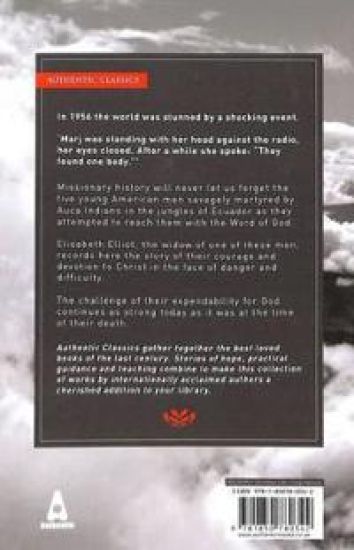
In 1956, five young American men were martyred by Auca Indians in the jungles of Eucador as they attempted to reach them with the gospel. The widow of one of those men, here records the remarkable story of their courage and devotion to Christ.
The inspiring life of Jim Elliot, a missionary who was martyred in the jungles of Ecuador as he attempted to reach the Huaorani people with the gospel. Few books have had such a great impact as this life and testament of Jim Elliot written by his wife, Elisabeth. He was a man of passion and a man of prayer, an earthly man with a heavenly mind, whose story continues to inspire today. Shadow of the Almighty chronicles Jim's journey from childhood in Oregon and his college days at Wheaton to the mission field of Ecuador where he eventually gave his life, aged 28. Full of journal excerpts and personal letters, we are introduced to this great man, his struggles, his ambitions, his loves, his dreams and his all-consuming passion for Christ and his kingdom. Discover the extraordinary story of Jim Elliot and be challenged to give your life wholeheartedly to Christ. Content Benefits: Uncover the inspirational story of Jim Elliot, one of the great missionary heroes of the faith, and be challenged to trust your whole life to God, whatever the circumstances. Inspiring story of a man of faith who trusted God Demonstrates the upmost courage and devotion to Christ Riveting account of a missionary's life in Ecuador Part of the new Classic Authentic Lives Series An inspiring and fascinating look at one of the heroes of the faith Ideal reading for those who have read Through Gates of Splendour Perfect book to encourage someone in their faith Ideal reading for anyone who loves to see God at work in the world Great gift idea for any occasion Binding - Paperback Pages - 368 Publisher - Authentic Media
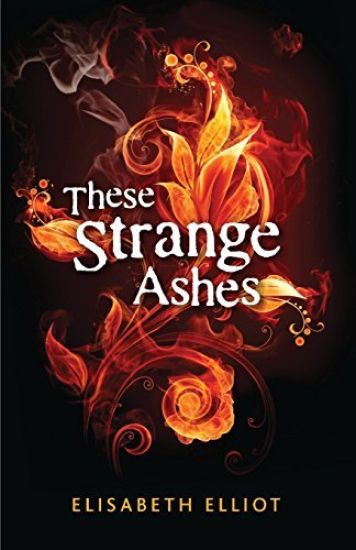
In her first year as a missionary to a small group of native women in the Ecuadorian Jungle, Elisabeth Elliot faced physical and spiritual trials. In These Strange Ashes, Elliot captures the mysteries and stark realities surrounding the colorful and primitive world in which she ministered. More than just a recounting of her early days, this is a beautifully crafted and deeply personal reflection on the important questions of life and a remarkable testimony to an authentic Christian commitment.
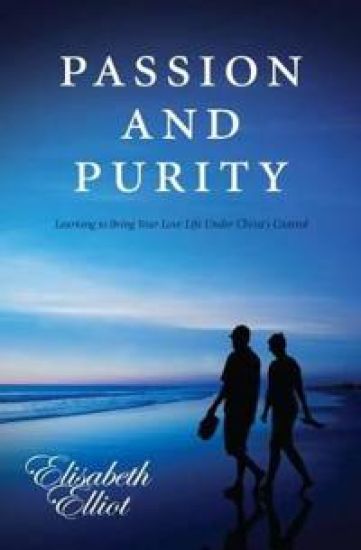
Very few books on dating have stood the test of time like Passion and Purity. Its much-needed message remains strong and hopeful in an age when doing whatever feels right is common practice. Using her own life as an example, Elisabeth Elliot guides singles of both genders and of any age on how to put their love lives under the authority of Jesus Christ. Passion and Purity covers dating issues such as: how to know which person is the right one to marry; loving passionately while remaining sexually pure; the mans and womans role in relationships; putting Gods desires ahead of personal desires; how far is too far, physically.

Dans ce livre chaleureux, crit avec talent, Elizabeth Elliot s'adresse sa fille Val rie (alors sur le point de se marier) et, travers elle, tous ceux, hommes ou femmes, qui d sirent mieux comprendre ce que la f minit veut dire dans l'optique de Dieu. Elizabeth Elliot est la femme de Jim Elliot - le p re de Val rie - massacr avec quatre autres missionnaires par les Aucas ( quateur) en 1956, l' ge de vingt-huit ans. Dipl m e de l'Universit de Wheaton en 1948 et de l'Institut Biblique de la Prairie, elle devient professeur au Gordon Conwell Theological Seminary, o elle pouse le regrett A. H. Leitch. Elle est bien connue pour ses ouvrages d'une qualit et d'une pr cision qui lui donnent une place part parmi les auteurs chr tiens d'aujourd'hui.

Är mitt lidande meningslöst? : och andra frågor om verkligheten, Gud och vägen vidare
Elisabeth Elliot; Joni Eareckson Tada
Rotad
2024
nidottu
I århundraden har vi hört att ”martyrernas blod är kyrkans utsäde”, och Jim Elliots blod flödade definitivt över i de bläckhorn som Elisabeth doppade sin penna i. Hon gav oss stärkande ”martyr-ord” som inspirerade generationer av modiga missionärer att ta evangeliet till skrämmande djungler, öknar och såväl stora som små städer. Hon gav oss också just dessa ord för att inspirera oss. Särskilt när lidande drabbar oss med all kraft. Elisabeth Elliot visste att sann mognad, glädje, lycka och tillfredställelse handlar mindre om att mekaniskt bedöma Guds plan och mer om att bli puttad, ibland knuffad, mot sin Frälsares bröst. Inte en prydlig, välordnad lista utan en allvarlig och uppriktig brottning med Herrens ängel. När du skadas allvarligt av lidande, då förstår du Elisabeths lära: Bibelns svar ska aldrig hållas åtskilda från Bibelns Gud. Låt vår vän visa dig att lidande aldrig är meningslöst. Dröj kvar länge i den här kvinnans erfarenhetsbaserade visdom. För här väntar nya insikter, som kan stiga upp likt solen över horisonten och visa dig ännu mer av Jesus strålande egenskaper och evangeliets häpnadsväckande skönhet. Låt de tidlösa sanningarna i denna helt nya bok sporra dig att fortsätta framåt. Ta till dig hennes ord nu och må vi en gång få gå genom himmelrikets portar tillsammans och se deras strålglans. En del i serien Brännande frågor: korta och enkla böcker som som är tänkt att hjälpa kristna att förstå vad Gud har sagt i dessa frågor och många andra vi möter i Bibeln. Klicka här för att läsa ett smakprov av boken Sagt om boken Jag suger åt mig Elisabeth Elliots tankar om lidandet som om de vore en livgivande dryck. Denna bok puttar mig in i armarna på ‘den Gud som ej för till mörkare rum än de han själv beträtt’ (Elliots citat från en gammal psalm). Kristina Djurachkovitch, Jesus-följare och tidigare språklärare Det finns författare som har förmågan att med utgångspunkt i sin personliga berättelse vidga perspektivet så att läsaren med helt andra erfarenheter blir tilltalad, berörd och, i bästa fall, förvandlad. Det är en svår konst men Elliot behärskar den till fulländning. Detta är en liten bok att läsa med eftertanke – och att återvända till. Elisabeth Sandlund journalist, författare och tidigare chefredaktör Dagen Efter att själv drabbats av förlamning vid 25 års ålder under missionsarbete i Indien, kan jag verkligen rekommendera Är mitt lidande meningslöst?. Boken ger god vägledning att hantera lidande och låta det bli livsförvandlande när det läggs i Guds händer. Håkan Karlsson, mångårig pastor i Råslätts församlingsgemenskap Elisabeth Elliots bok är ett vittnesbörd – reflektioner över egna erfarenheter utifrån Bibelns texter. Samtidigt som läsningen bjuder en viss kärvhet lockar den till ett frimodigt liv med Gud mitt i svårigheter. Man behöver inte hålla med om alla ordvändningar för att få stor behållning av boken. Läs den under bön. Lars-Göran Sundberg, lektor i religionspsykologi och själavård samt pastor
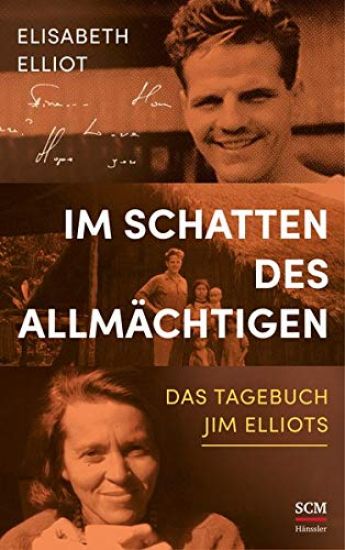
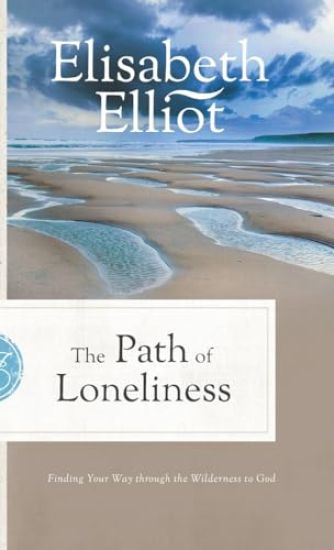
The Path of Loneliness: Finding Your Way Through the Wilderness to God
Elisabeth Elliot
Fleming H. Revell Company
2024
sidottu
Whether through the death of a loved one, divorce or estrangement in a marriage, or by being a single person in a world of couples and families, loneliness eventually comes to us all. Elisabeth Elliot lost her first husband to murder in the South American jungle and her second to the ravages of cancer. She has felt the deep pain of loss. In The Path of Loneliness, Elliot gives hope to the lonely through tender reflections on God's love for us and his plans to bless us. She tackles this difficult topic with grace and faith, showing readers how to make peace with loneliness and grow through it.
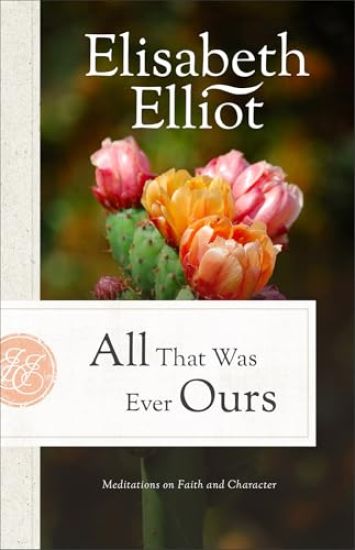
All That Was Ever Ours: Meditations on Faith and Character
Elisabeth Elliot
Fleming H. Revell Company
2026
nidottu
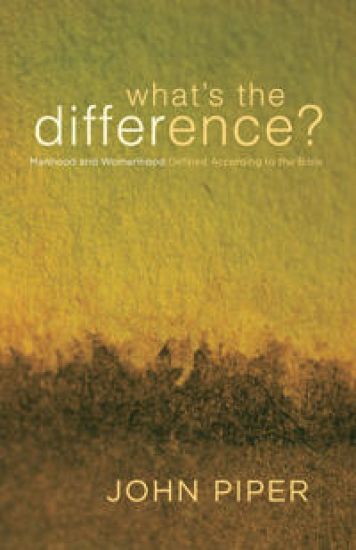
The topic of manhood and womanhood is still strongly debated today and still greatly impacts our society. For Christians there is no doubt that the Bible must be the last word. But what does it teach about true manhood and womanhood? In what ways are men and women essentially the same? In what ways are they essentially different? And how do these differences affect our roles in the home, the church, and the wider society? Noted pastor, author, and Bible scholar John Piper positively and sensitively looks at these important questions for both men and women. His conclusions will inspire and encourage you to live out your unique differences in a fulfilling, godly way.
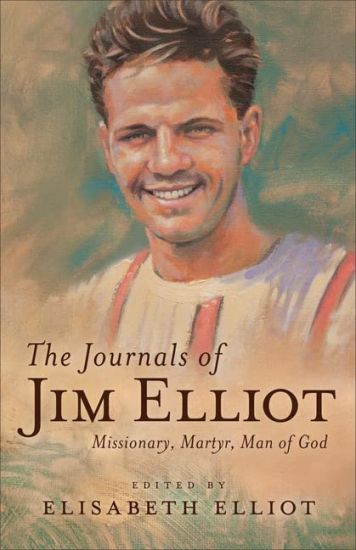
Journals of Jim Elliot
Elisabeth Ed Elliot; Elliot Elisabeth Ed
Fleming H. Revell Company
2023
sidottu
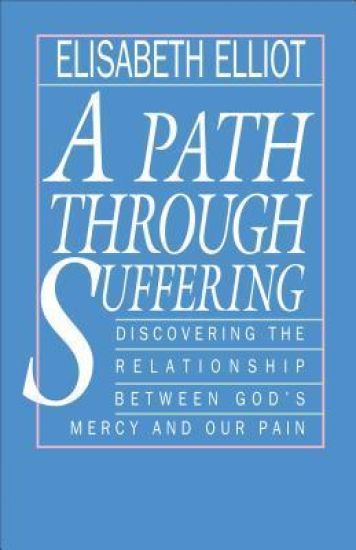
Must we stumble through sorrow and tragedy without understanding or is there a lighted way--a path--through suffering? Elisabeth Elliot plots the treacherous passage through pain, grief, and loss a journey most of us will make many times in our life. Through it all, she says, there is only one reliable path, and if you walk it, you will see the transformation of all your losses, heartbreaks, and tragedies into something strong and purposeful. In this powerful moving book, Elisabeth Elliot does not hesitate to ask hard questions, to examine tenderly the hurts we suffer, and to explore boldly the nature of God whose sovereign care for us is so intimate and perfect that he confounds our finite understanding. A Path through Suffering is a book for anyone searching for faith, comfort, and assurance.
The unforgettable true story of five men who braved Auca lances. This edition includes a follow-up chapter that will give readers a unique perspective.
Through Gates of Splendor is the true story of five young missionaries who were savagely killed while trying to establish communication with the Auca Indians of Ecuador. The story is told through the eyes of Elisabeth Elliot, the wife of one of the young men who was killed.


Att återta ett annat modersmål
Isabelle Andersson; Rebecka Bebben Andersson; Jonna Bornemark; bobo; Rosanna Fellman; Elliot Gustafsson; Dennis Hansson; Elisabeth Hjorth; Emmy Johansson; Caroline Jägerfeld; Malin-Eddie Kajsadotter; Jessica Karlén; Emma Lindén; Lexie/Leksi Lööw; Anna Nygren; Jill Rogheden; Hanna Bertilsdotter Rosqvist; Freja Gyorffy Wagner
Ideella föreningen Autor
2024
isokokoinen pokkari
Hösten 2022 startades ett forskningsprojekt i Autiskt skrivande vid HDK-Valand, ett projekt som gav upphov till en livlig debatt på kultursidorna i bland annat GP och Svenska Dagbladet. Kursen utgick från neurodiversitet som en resurs i konstnärlig forskning och som en del av projektet genomfördes en skrivkurs för autistiska personer. Denna antologi är ett resultat av den kursen. Antologin består av bidrag från både studenter och lärare. Texterna har stor spännvidd och rör sig mellan poesi, skönlitterärt skrivande, resonerande texter och texter som inte låter sig kategoriseras. Här finns texter som virvlar fram över sidorna och texter som noga lyssnar till en erfarenhet. De delar rum och de skiljer sig åt.

Finding her way through the labyrinthine plots that surrounded the court, she had to live by her wits, surrounded by betrayal and suspicion, not knowing who to trust with her desire to be queen, or her desire to be a lover...

Charged with bigamy and faced with the prospect of living out her days in exile on the continent, this biography of 18th-century beauty and bigamist Elizabeth Chudleigh recounts how her courage and zest for life still allowed her to charm Catherine the Great and live in outrageous luxury.