A helpful guide for supervisors to effectively manage an operational team achieve performance outcomes. Methods in this book will help establish a lean work environment and a performance-driven work force.Successfully implemented at various size organizations, from small businesses to large Fortune 100 companies in the service and manufacturing industries.
From the author of "Lean and Performance Driven" comes this strategic guide. A top-down, bottom-up approach at optimizing the focus, process, and structure of an organization. This process-oriented book outlines the fundamental tools for building organizational discipline and the precision of deploying performance-driven initiatives.The strategic guide to lean provides a top-down optimization of the core structures and processes of an organization. Optimizing the structural framework provides big dividends and resolve most of the tactical and operational inefficiencies.Achieving organizational discipline, focus and precision start at the strategic level and require a tactical infrastructure to swiftly respond to dynamic changes in the market arena and enhance operational readiness. Before deploying lean at the operational level, make certain that the strategic and tactical level infrastructure are optimized.
No stories, just the process. A compilation of two books. Building a Citadel was written for strategic and tactical-level managers while Lean and Performance Driven was developed for tactical-level and operations managers.Building a Citadel outlines the top-down and bottom-up approach for building the organizational discipline and the precision of deploying performance-driven initiatives.Lean and Performance Driven is a compilation of implementation procedures at establishing a lean environment and a performance-driven work force.
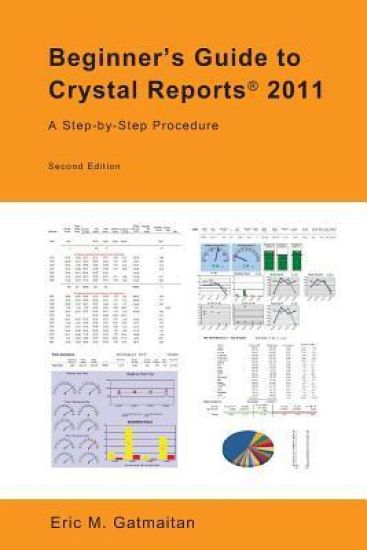
Second Edition. The Beginner's Guide to Crystal Reports(c) 2011 is a simple-to-follow guide for first-time users. The expanded second edition has 87% more content than the first edition. With an established data source connection, learning and using Crystal Reports(c) 2011 is as easy as using Microsoft(c) Excel. Includes color screen shots and examples to guide users every step of the way. Learn how to setup a data connection, examine a data structure, create a new report, add data fields, format a report, add pictures, charts and add formulas. See how to filter data, setup user parameters and create a summary report with drill-down features. The second edition includes more lessons for beginners to advance to the intermediate level. This book demystifies the complexity of using Crystal Reports(c) and presents it as a user-friendly application. Prior to publication, the contents of this book was used in corporate training to teach non-programmers how to extract system data and create basic reports. This book is intended to provide the reader the basic skills at creating simple reports and the confidence to learn advanced skills independently. Also see the Third Edition "Beginner's Guide to Crystal Reports 2013", updated with additional content.
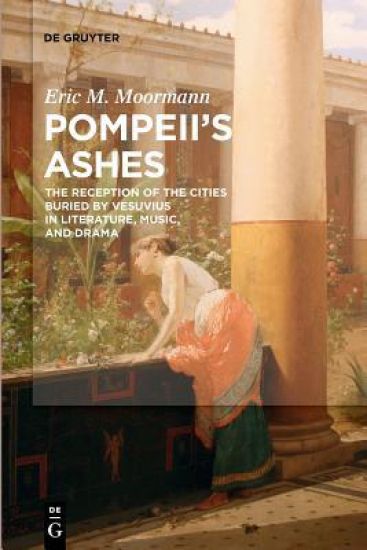
Although there are many works dealing with Pompeii and Herculaneum, none of them try to encompass the entire spectrum of material related to its reception in popular imagination. Pompeii’s Ashes surveys a broad variety of such works, ranging from travelogues between ca. 1740 and 2010 to 250 years of fiction, including stage works, music, and films. The first two chapters provide an in-depth analysis of the excavation history and an overview of the reflections of travelers. The six remaining chapters discuss several clearly-defined genres: historical novels with pagan tendencies, and those with Christians and Jews as protagonists, contemporary adventures, time traveling, mock manuscripts, and works dedicated to Vesuvius. “Pompeii’s Ashes” demonstrates how the eternal fascination with the oldest still-running archaeological projects in the world began, developed, and continue until now.
This ground-breaking guide helps you identify and address diverse student needs within the flipped classroom environment. Includes practical, standards-aligned tools to design and manage at-home and at-school learning experiences while checking for individual student understanding. Make your flipped classroom a true place of learning with this guide!
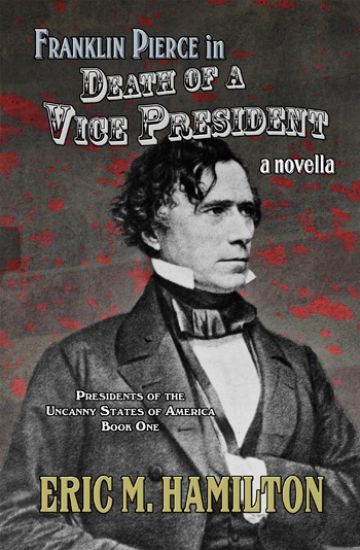
Madness, murder, and mystery permeates throughout this Edgar Allan Poe-inspired thriller It is early April 1853. Franklin Pierce, the newly elected President of the United States, has suffered the greatest personal tragedy of his life, plunging him into a depression fueled madness. The Vice President, William King, unexpectedly appears at the White House in the middle of the night having overheard details of an international assassination conspiracy that threatens both King and Pierce. Unfortunately, Vice President King is killed without any clue as to who could have done it. Can President Franklin Pierce overcome his personal demons and discover who killed the Vice President before they kill him too?Franklin Pierce in Death of a Vice President is a thrilling psychological horror, starring the president from the 1850's you forgot in 4th Grade. It's an exciting read, and you don't have to be familiar with Franklin Pierce at all to enjoy the story (in fact, it may be a better story if you go in knowing almost nothing). This is perfect for the American history-buff and "normal people" alike Q&A with the AuthorQ- Franklin Pierce is a really obscure American President. Why did you write an entire story about him?A- Most people don't know, but Franklin Pierce is an incredibly tragic figure, and it's almost a shame that more Americans don't know his story. All of Franklin Pierce's children died while they were all young, and his last surviving child died right before he became President. But also part of what makes Franklin Pierce interesting is that he is so obscure. Most Americans today even know he was a President. From a story-telling perspective, that means I have a completely clean slate to start with. People don't come into the story with any expectations for Pierce as a character, as opposed to some other well-known historical figure like Abraham Lincoln.Q- Where did the idea for this book come from?A- Like most ideas, it came from a variety of places. Specifically, the main plot point and title of the book, comes from the fact that Franklin Pierce's Vice President died only one month after taking office from tuberculosis. The main idea that started the book was- "What if the Vice President didn't die from tuberculosis, but was actually murdered in the White House?" Then elements of Franklin Pierce's tragic story informed the story-writing process.Q- What genre is this book?A- That is a difficult question to answer, because this story straddles a few different genres. First, it's something of historical fiction, or perhaps more accurately 'alternate history.' It takes elements of real history, and then fictionalizes various details. This book could also be described as a psychological thriller. There is a lot of suspense, and most of it comes from Franklin Pierce's own psyche and his own battle with his personal demons that are affecting his sanity. In that way, it could also be described as a gothic horror, which is a genre reminiscent of works such as Edgar Allan Poe, where focus is on the horror of losing one's mind. Poe was an American writer of the nineteenth century, and it seemed very appropriate to draw inspiration from Poe in writing this story that involves a lot of his themes.Q- What if you don't know anything about Franklin Pierce or American history? Can you still enjoy this book?A- YES This book was written with the expectation that the reader does not know anything about Franklin Pierce from the start. You don't need to know much in terms of American history, either, to be able to follow and enjoy this book. But, if you do happen to be an American history-buff, there are several little tidbits that make the story all that much more enjoyable.