Kirjojen hintavertailu. Mukana 12 459 402 kirjaa ja 12 kauppaa.

Kirjahaku

Etsi kirjoja tekijän nimen, kirjan nimen tai ISBN:n perusteella.

1000 tulosta hakusanalla Garry Gitzen

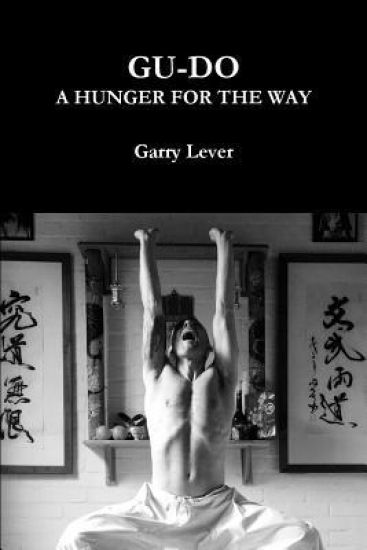
Gu-Do

Gu-Do

Garry Lever

Lulu.com
2018
pokkari
A hunger for the way. The desire for knowledge, skill, and mastery within the marital arts. What is to be found beyond the physical? Past the pain, the sweat, the daily pursuit of the unattainable? Could the martial arts serve as a vehicle of self-discovery to uncover our true nature? Can what we experience on the dojo floor enhance our daily existence and benefit our relationships, understanding, and compassion for humankind? This work contains a collection of articles which aim to address these very issues and more.
BULLFIGHT

BULLFIGHT

Garry Marvin

University of Illinois Press
1994
nidottu
This accessible account explores how and why men risk their lives to perform with and kill wild bulls as part of a public celebration, describing and analyzing the corrida in a way not previously attempted in English.
Louis Prima

Louis Prima

Garry Boulard

University of Illinois Press
2002
nidottu
Louis Prima infused the grit and grace of Dixieland jazz with swing and big band sounds, the first whiffs of rock 'n' roll, and a vaudevillian stage presence. Garry Boulard pens the biography of the underrated jazz musician, Las Vegas mainstay, and popular entertainer.A native of New Orleans, Prima was a Guy Lombardo protégé known as "The Italian Satchmo" who became the country's new jazz sensation at New York's Famous Door in the 1930s. He went on to success as a big band leader before virtually creating the lounge act as a Las Vegas nightclub staple. Employing and later marrying singer Keely Smith, Prima rode high with a series of hit songs and smash albums in the Fifties. But Boulard also looks past the over-the-top stage antics to restore Prima's legacy as an overlooked jazz musician and vocalist, and as a bandleader with an uncanny ability to fuse disparate styles into music that kept audiences cheering and dancing for decades.
The Last Art College

The Last Art College

Garry Neill Kennedy

MIT Press
2012
sidottu
The long-awaited history of the art college that became an unlikely epicenter of the art world in the 1960s and 1970s. How did a small art college in Nova Scotia become the epicenter of art education-and to a large extent of the postmimimalist and conceptual art world itself-in the 1960s and 1970s? Like the unorthodox experiments and rich human resources that made Black Mountain College an improbable center of art a generation earlier, the activities and artists at Nova Scotia College of Art and Design (aka NSCAD) in the 1970s redefined the means and methods of art education and the shape of art far beyond Halifax.A partial list of visiting artists and faculty members at NSCAD would include Joseph Beuys, Sol LeWitt, Gerhard Richter, Dan Graham, Mel Bochner, Lucy Lippard, John Baldessari, Hans Haacke, Yvonne Rainer, Robert Frank, Jenny Holzer, Robert Morris, Eric Fischl, and Dara Birnbaum. Kasper Koenig and Benjamin Buchloh ran the NSCAD Press, publishing books by Hollis Frampton, Lawrence Weiner, Donald Judd, Daniel Buren, Michael Asher, Martha Rosler, and Michael Snow, among others. The Lithography Workshop produced early works by many of today's masters, including John Baldessari, Vito Acconci, and Claes Oldenburg. With The Last Art College, Garry Kennedy, the college's visionary president at the time, gives us the long-awaited documentary history of NSCAD during a formative era.From gallery openings to dance performances to visiting lectures to exhibitions to classroom projects, the book gives a rich historical and visual account of the school's activities, supplemented by details of specific events, reminiscences by faculty and students, accounts of artists' talks, and notes on memorable controversies.
An Entrenched Legacy

An Entrenched Legacy

Garry Patrick M.

Pennsylvania State University Press
2007
sidottu
An Entrenched Legacy takes a fresh look at the role of the Supreme Court in our modern constitutional system. Although criticisms of judicial power today often attribute its rise to the activism of justices seeking to advance particular political ideologies, Patrick Garry argues instead that the Supreme Court’s power has grown mainly because of certain constitutional decisions during the New Deal era that initially seemed to portend a lessening of the Court’s power. When the Court retreated from enforcing separation of powers and federalism as the twin structural protections for individual liberty in the face of FDR’s New Deal agenda, it was inevitably drawn into an alternative approach, substantive due process, as a means for protecting individual rights. This has led to many controversial judicial rulings, particularly regarding the recognition and enforcement of privacy rights. It has also led to the mistaken belief that the judiciary serves as the only protection of liberty and that an inherent conflict exists between individual liberty and majoritarian rule. Moreover, because the Court has assumed sole responsibility for preserving liberty, the whole area of individual rights has become highly centralized. As Garry argues, individual rights have been placed exclusively under judicial jurisdiction not because of anything the Constitution commands, but because of the constitutional compromise of the New Deal.During the Rehnquist era, the Court tried to reinvigorate the constitutional doctrine of federalism by strengthening certain powers of the states. But, according to Garry, this effort only went halfway toward a true revival of federalism, since the Court continued to rely on judicially enforced individual rights for the protection of liberty. A more comprehensive reform would require a return to the earlier reliance on both federalism and separation of powers as structural devices for protecting liberty. Such reform, as Garry notes, would also help revitalize the role of legislatures in our democratic system.
Theoretical Evolutions in Person-Centered/Experiential Therapy
Clinical practice with severely retarded and psychotic clients requires a change in theory and technique. Based on original research and practice, Prouty describes the changes needed to reach low-functioning clients not generally accessible to psychotherapy. Evolving from Carl Rogers' assertion that Psychological Contact is the first condition of a therapeutic relationship, Pre-Therapy is a technique that can be applied to regressed psychotics and dual-diagnosed mentally-retarded patients, as well as to other poorly integrated populations. Drawing from his own practice with extreme clients, he shows how Pre-Therapy can be used to facilitate these pre-conditions of therapy. He further shows that treatment of hallucinations reveals them to be expressions of deep trauma and profound rendings of the self-structure.
Reducing Unemployment

Reducing Unemployment

Garry K. Ottosen; Douglas N. Thompson

Praeger Publishers Inc
1996
sidottu
Unemployment costs the United States at least $400 billion per year in lost output. This number does not begin to add up the total costs of unemployment that include many serious social problems like increased divorce and crime rates. If unemployment costs so much, why don't we simply pump up demand and push the unemployment rate down? The answer lies in the relationship between inflation and unemployment: we simply cannot push unemployment below the rate that is compatable with stable inflation.Must we, then, just live with unemployment? No. But to understand how we can reduce unemployment, we must understand the nonaccelerating inflation rate of unemployment (NAIRU). What determines the level of the NAIRU? Has that level increased? Can we reduce the current NAIRU? These are important questions addressed in Reducing Unemployment Ottosen and Thompson argue that the NAIRU has increased significantly over the past 30 years. Many blame structural unemployment for that increase. Others have argued that increases in social welfare programs and payments are to blame. But hardly anyone has examined the effects of increasing government regulations on the NAIRU. Reducing Unemployment remedies this oversight, and also looks at the effects of unionization and productivity on the NAIRU. The authors conclude that the United States does not have to tolerate a high unemployment rate, for the NAIRU can be reduced through appropriate government deregulation.
Making Make-Believe Real

Making Make-Believe Real

Garry Wills

Yale University Press
2015
pokkari
A penetrating study of the images, symbols, pageants, and creative performances ambitious Elizabethans used to secure political power Shakespeare’s plays abound with kings and leaders who crave a public stage and seize every opportunity to make their lives a performance: Antony, Cleopatra, Richard III, Othello, and many others. Such self-dramatizing characters appear in the work of other playwrights of the era as well, Marlowe’s Edward II and Tamburlaine among them. But Elizabethan playwrights were not alone in realizing that a sense of theater was essential to the exercise of power. Real rulers knew it, too, and none better than Queen Elizabeth. In this fascinating study of political stagecraft in the Elizabethan era, Garry Wills explores a period of vast cultural and political change during which the power of make-believe to make power real was not just a theory but an essential truth. Wills examines English culture as Catholic Christianity’s rituals were being overturned and a Protestant queen took the throne. New iconographies of power were necessary for the new Renaissance liturgy to displace the medieval church-state. The author illuminates the extensive imaginative constructions that went into Elizabeth’s reign and the explosion of great Tudor and Stuart drama that provided the imaginative power to support her long and successful rule.
Cryptic

Cryptic

Garry J. Shaw

YALE UNIVERSITY PRESS
2025
sidottu
An absorbing history of Europe’s nine most puzzling texts, including the biggest mystery of all: the Voynich Manuscript Books can change the world. They can influence, entertain, transport, and enlighten. But across the centuries, authors have disguised their work with codes and ciphers, secret scripts and magical signs. What made these authors decide to keep their writings secret? What were they trying to hide? Garry J. Shaw tells the stories of nine puzzling European texts. Shaw explores the unknown alphabet of the nun Hildegard of Bingen; the enciphered manuscripts of the prank-loving physician Giovanni Fontana; and the angel communications of the polymath John Dee. Along the way, we discover how the pioneers of science and medicine concealed their work, encounter demon magic and secret societies, and delve into the intricate symbolism of alchemists searching for the Philosopher’s Stone. This highly enjoyable account takes readers on a fascinating journey through Europe’s most cryptic writings—and attempts to shed new light on the biggest mystery of all: the Voynich Manuscript.
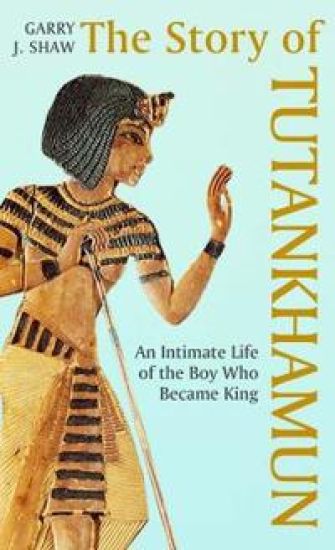
The Story of Tutankhamun

The Story of Tutankhamun

Garry J. Shaw

YALE UNIVERSITY PRESS
2022
sidottu
A lively new biography of Tutankhamun—published for the hundredth anniversary of his tomb’s modern discovery The discovery of Tutankhamun’s tomb in 1922 sparked imaginations across the globe. While Howard Carter emptied its treasures, Tut-mania gripped the world—and in many ways, never left. But who was the “boy king,” and what was his life really like? Garry J. Shaw tells the full story of Tutankhamun’s reign and his modern rediscovery. As pharaoh, Tutankhamun had to manage an empire, navigate influential courtiers, and suffer the pain of losing at least two children—all before his nineteenth birthday. Shaw explores the boy king’s treasures and possessions, from a lock of his grandmother’s hair to a reed cut with his own hands. He looks too at Ankhesenamun, Tutankhamun’s wife, and the power queens held. This is a compelling new biography that weaves together intriguing details about ancient Egyptian culture, its beliefs, and its place in the wider world.
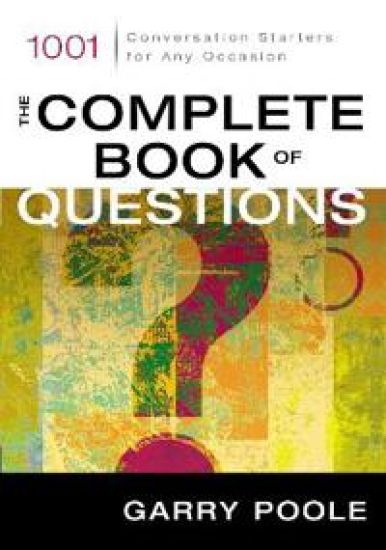
The Complete Book of Questions

The Complete Book of Questions

Garry D. Poole

Zondervan
2003
nidottu
1001 Conversation Starters for Any OccasionMost of us realize that raising questions is a powerful way to get interesting dialogue. But asking good ones can be another matter—they’re not always that easy to think up! That’s where The Complete Book of Questions comes in. This book is one big compilation of questions—1001 of them you can use to launch great conversations in almost any context. And many of these questions are likely to trigger other questions you may also wish to discuss. Think of this book as a tool to spark interaction—and to know and understand others, and yourself, better. The questions in The Complete Book of Questions have been divided into ten categories for easy reference as shown in the chart below. There are probably as many ways to put this book to use, as there are questions within it! So be creative. Experiment with these 1001 questions in different contexts—and be sure to make the most of the conversations that ensue!
How Does Anyone Know God Exists?

How Does Anyone Know God Exists?

Garry D. Poole; Lee Strobel

HarperChristian Resources
2003
nidottu
This revised edition of Tough Questions, designed for use in any small group setting, is ideal for use in seeker small groups. Based on more than five years of field-tested feedback, extensive improvements make this best-selling series easier to use and more appealing than ever for both participants and group leaders. The Tough Questions SeriesHow can an all-powerful God allow suffering? Is Jesus really the only way to God? Why should I trust the Bible?Tough questions. Reasonable questions. The kinds of challenging questions you, or someone you know may be asking, that are worth taking time to explore.In six sessions designed to get small groups thinking and interacting, each guide in the Tough Questions series deals frankly with objections commonly raised about Christianity. You’ll engage in the kind of spirited dialog that shows the Christian faith can stand up to scrutiny. HOW DOES ANYONE KNOW GOD EXISTS?Is Anybody Out There?How Can Anyone Be Sure God Exists?What Is God Really Like?How Can Rational People Believe in Miracles?Does God Care What Happens to Me?How Can a Person Get to Know God?
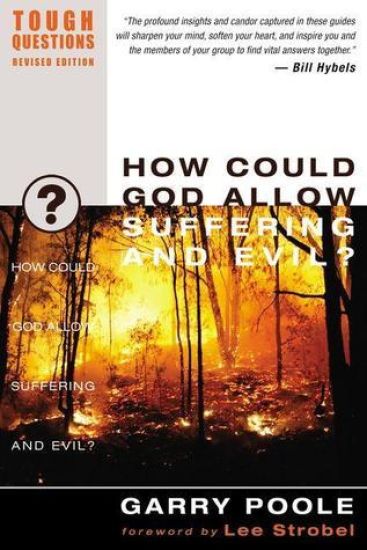
How Could God Allow Suffering and Evil?

How Could God Allow Suffering and Evil?

Garry D. Poole; Lee Strobel

HarperChristian Resources
2003
nidottu
This revised edition of Tough Questions, designed for use in any small group setting, is ideal for use in seeker small groups. Based on more than five years of field-tested feedback, extensive improvements make this best-selling series easier to use and more appealing than ever for both participants and group leaders. The Tough Questions SeriesHow can an all-powerful God allow suffering? Is Jesus really the only way to God? Why should I trust the Bible?Tough questions. Reasonable questions. The kinds of challenging questions you, or someone you know may be asking, that are worth taking time to explore.In six sessions designed to get small groups thinking and interacting, each guide in the Tough Questions series deals frankly with objections commonly raised about Christianity. You’ll engage in the kind of spirited dialog that shows the Christian faith can stand up to scrutiny. DON’T ALL RELIGIONS LEAD TO GOD?Don’t All Religions Teach Basically the Same Thing?Isn’t It Enough to Be Sincere?What’s so Different About Christianity?Aren’t Mormons and Jehovah’s Witnesses Christians Too?Is Jesus Really the Only Way to God?What Happens to People Who’ve Never Heard of Jesus?
Don't All Religions Lead to God?

Don't All Religions Lead to God?

Garry D. Poole; Lee Strobel

HarperChristian Resources
2003
nidottu
This revised edition of Tough Questions, designed for use in any small group setting, is ideal for use in seeker small groups. Based on more than five years of field-tested feedback, extensive improvements make this best-selling series easier to use and more appealing than ever for both participants and group leaders. The Tough Questions SeriesHow can an all-powerful God allow suffering? Is Jesus really the only way to God? Why should I trust the Bible?Tough questions. Reasonable questions. The kinds of challenging questions you, or someone you know may be asking, that are worth taking time to explore.In six sessions designed to get small groups thinking and interacting, each guide in the Tough Questions series deals frankly with objections commonly raised about Christianity. You’ll engage in the kind of spirited dialog that shows the Christian faith can stand up to scrutiny. DON’T ALL RELIGIONS LEAD TO GOD?Don’t All Religions Teach Basically the Same Thing?Isn’t It Enough to Be Sincere?What’s so Different About Christianity?Aren’t Mormons and Jehovah’s Witnesses Christians Too?Is Jesus Really the Only Way to God?What Happens to People Who’ve Never Heard of Jesus?
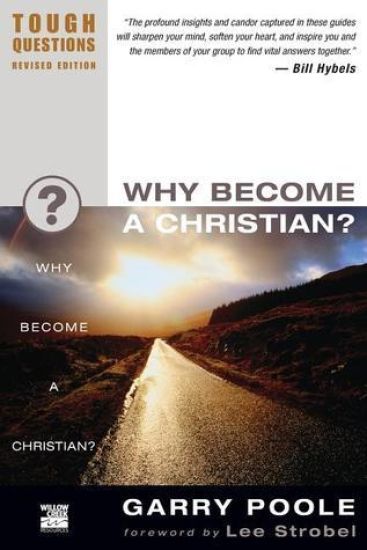
Why Become a Christian?

Why Become a Christian?

Garry D. Poole; Lee Strobel

HarperChristian Resources
2003
nidottu
This revised edition of Tough Questions, designed for use in any small group setting, is ideal for use in seeker small groups. Based on more than five years of field-tested feedback, extensive improvements make this best-selling series easier to use and more appealing than ever for both participants and group leaders. The Tough Questions SeriesHow can an all-powerful God allow suffering? Is Jesus really the only way to God? Why should I trust the Bible?Tough questions. Reasonable questions. The kinds of challenging questions you, or someone you know may be asking, that are worth taking time to explore.In six sessions designed to get small groups thinking and interacting, each guide in the Tough Questions series deals frankly with objections commonly raised about Christianity. You’ll engage in the kind of spirited dialog that shows the Christian faith can stand up to scrutiny. WHY BECOME A CHRISTIAN?Why Would Anyone Think I’m Not a Christian?Why All This Talk About Sin?Why Can’t I Make It on My Own?Why Is Jesus So Important?Can Someone Like Me Really Change?How Does Someone Actually Become a Christian?
Tough Questions Leader's Guide

Tough Questions Leader's Guide

Garry D. Poole; Judson Poling; Lee Strobel

HarperChristian Resources
2003
nidottu
This revised edition of Tough Questions, designed for use in any small group setting, is ideal for use in seeker small groups. Based on more than five years of field-tested feedback, extensive improvements make this best-selling series easier to use and more appealing than ever for both participants and group leaders. The Tough Questions SeriesHow can an all-powerful God allow suffering? Is Jesus really the only way to God? Why should I trust the Bible?Tough questions. Reasonable questions. The kinds of challenging questions you, or someone you know may be asking, that are worth taking time to explore.In six sessions designed to get small groups thinking and interacting, each guide in the Tough Questions series deals frankly with objections commonly raised about Christianity. You’ll engage in the kind of spirited dialog that shows the Christian faith can stand up to scrutiny. TOUGH QUESTIONSYou’ve heard them before, maybe even asked a few of them yourself. This leader’s guide will help you steer your small group toward a greater understanding of the Christian faith. Together, you’ll explore the power and preeminence of Jesus and the truth he brought to light.You may be leading a small group of seekers who are curious but unconvinced about Christianity. Or a small group of believers who want to become better grounded in what and why they believe. Regardless, this book will give you insights and coaching you need to engage participants in thoughtful and personally rewarding discussions about the life-changing truths of Christianity.
Religions of Melanesia

Religions of Melanesia

Garry Trompf

Praeger Publishers Inc
2006
sidottu
Melansia boasts over one-quarter of the world's distinct religions and presents the most complex religious panorama on earth. The region is famous for its unusual new religious movements that have adapted traditional beliefs to modernity in surprising ways. As the first bibliographical survey to comprehensively cover the entire region, Religions of Melanesia is an invaluable research aid for anyone interested in this growing field. Trompf's work is a complete listing of scholarly publications and provides readable and concise descriptions that will clearly guide the researcher toward the most relevant sources. This survey covers 2188 entries organized topically and regionally. Trompf covers such subjects as traditional and modern belief systems and the emergent indigenous Christianity that has taken root. Regional coverage includes Irian Jaya, Papua New Guinea, Solomon Islands, Vanuatu, New Caledonia, and Fiji.
Virtually Lost

Virtually Lost

Garry Robson

TAYLOR FRANCIS LTD
2023
sidottu
This book examines the connections between the psycho-social difficulties and challenges faced by children and younger people in their online lives; the structure, character, and motivations of the corporate system ‘behind’ the screen; and the possibility that the digital technostructure may come to form the backbone of a new post-democratic system of technocratic governance. Much of the originality of this book lies in its blending of subjects that are not often combined, thereby offering a fresh perspective: ‘generation studies’; the philosophy of technology; the history of the idea of technocracy; the technologically enhanced merger of corporate·governmental power in the U.S. system; the society-shaping goals and capabilities of the big tax-exempt American foundations over the last hundred years; the elite ‘superclass’ gaming of formally constituted transnational and global institutions; and the way the United Nations-centred SDG·ESG system is itself developing in the direction of a technocratic system of economic and population management. The book will appeal to readers interested in relationships between our contemporary global power elite, the structures it has created and processes it has set in motion, and how these affect young people whose development is already being over-determined by the activities of the big Silicon Valley entities and their associates.