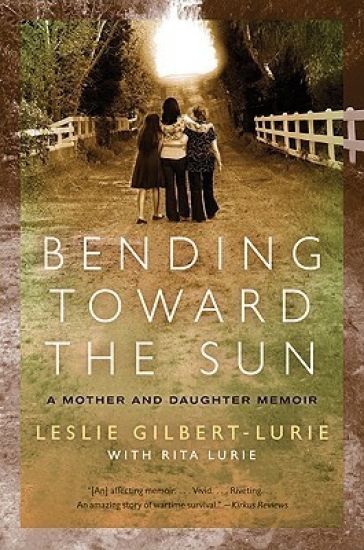
"Here is a memoir that takes us through many worlds, through heartache and noble hopes, through the mysteries of family love and toward a beautiful, light filled conclusion. Read Bending Toward the Sun and enrich your life." -- Rabbi David Wolpe, author of Why Faith Matters and Making Loss Matter-Creating Meaning in Difficult TimesA beautifully written family memoir, Bending Toward the Sun explores an emotional legacy--forged in the terror of the Holocaust--that has shaped three generations of lives. Leslie Gilbert-Lurie tells the story of her mother, Rita, who like Anne Frank spent years hiding from the Nazis, and whose long-hidden pain shaped both her daughter and granddaughter's lives. Bringing together the stories of three generations of women, Bending Toward the Sun reveals how deeply the Holocaust lives in the hearts and minds of survivors and their descendants.
A question/answer supplement to accompany a 1-year general chemistry course. This text is a multiple choice format and can be used with any standard general chemistry text. The exercises emphasize the importance of problem-solving and equation writing in the style used in general chemistry examinations and professional school aptitude examinations such as the MCAT and VCAT.
Seventy Five Years In Retrospect: From Normal School To Teachers College To University, Southern Illinois University, 1874-1949 is a comprehensive historical account of the evolution of Southern Illinois University from its early beginnings as a normal school to its establishment as a teachers college and eventually, a university. The book is authored by Eli Gilbert Lentz, a former faculty member and administrator at Southern Illinois University.The book traces the development of the institution from its founding in 1874 through to the end of the 1940s, spanning a period of seventy-five years. It provides a detailed account of the challenges and triumphs that the institution faced during this period, including the impact of the Great Depression and World War II on the institution.The book also explores the various academic programs and initiatives that were introduced over the years, including the establishment of new colleges and departments, the expansion of research and scholarship, and the development of new facilities and resources.Overall, Seventy Five Years In Retrospect offers a fascinating glimpse into the history of Southern Illinois University and provides valuable insights into the evolution of higher education in the United States. It is a must-read for anyone interested in the history of American universities and the role they have played in shaping the country's educational landscape.This scarce antiquarian book is a facsimile reprint of the old original and may contain some imperfections such as library marks and notations. Because we believe this work is culturally important, we have made it available as part of our commitment for protecting, preserving, and promoting the world's literature in affordable, high quality, modern editions, that are true to their original work.
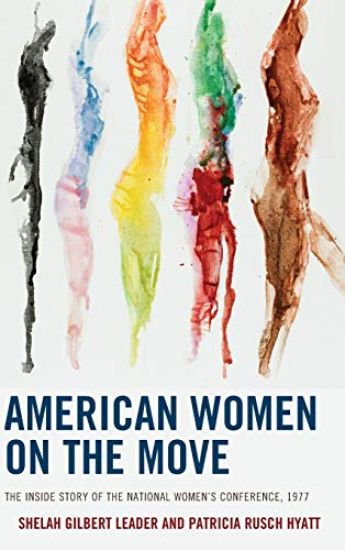
This is the inside story of the National Women's Conference held in Houston in 1977. Although the federally funded meeting was featured on the cover of Time magazine twice, participant Gloria Steinem now describes it as "the most important event nobody knows about." In fact, the International Women's Year (IWY) Conference was America's most democratic, representative, and inclusive congress of citizens in our history. Conference delegates had been elected by 150,000 women at open meetings in every state and territory where they discussed the range of barriers to women's full equality, debated solutions, and proposed remedies. Anti-feminists also had their say. Despite heated disagreements over issues such as the ERA, abortion, lesbian rights, child care, and other hot topics of the day, the Houston delegates united to approve a National Plan of Action to achieve full equality for all women. To celebrate the 40th anniversary of that unique gathering, the high water mark of the "Second Wave" of American feminism, Shelah Leader and Pat Hyatt draw on their personal files and notes from their days on the staff of the IWY National Commission to share their behind-the-scenes account of how a very diverse group of Republican and Democratic feminists achieved consensus in the face of determined opposition from political and religious conservatives. Since that landmark event, there has been marked progress in many aspects of women's lives, but a number of key goals in the IWY Plan of Action remain unfulfilled. As American politics and popular culture have grown more polarized, sexist, and toxic, it became clear to Leader and Hyatt that they were compelled to share their eyewitness story of "American Women on the Move." The book's final chapter assesses what strides have been made, what's yet undone, and lessons learned.
This is the inside story of the National Women's Conference held in Houston in 1977. Although the federally funded meeting was featured on the cover of Time magazine twice, participant Gloria Steinem now describes it as "the most important event nobody knows about." In fact, the International Women's Year (IWY) Conference was America's most democratic, representative, and inclusive congress of citizens in our history. Conference delegates had been elected by 150,000 women at open meetings in every state and territory where they discussed the range of barriers to women's full equality, debated solutions, and proposed remedies. Anti-feminists also had their say. Despite heated disagreements over issues such as the ERA, abortion, lesbian rights, child care, and other hot topics of the day, the Houston delegates united to approve a National Plan of Action to achieve full equality for all women. To celebrate the 40th anniversary of that unique gathering, the high water mark of the "Second Wave" of American feminism, Shelah Leader and Pat Hyatt draw on their personal files and notes from their days on the staff of the IWY National Commission to share their behind-the-scenes account of how a very diverse group of Republican and Democratic feminists achieved consensus in the face of determined opposition from political and religious conservatives. Since that landmark event, there has been marked progress in many aspects of women's lives, but a number of key goals in the IWY Plan of Action remain unfulfilled. As American politics and popular culture have grown more polarized, sexist, and toxic, it became clear to Leader and Hyatt that they were compelled to share their eyewitness story of "American Women on the Move." The book's final chapter assesses what strides have been made, what's yet undone, and lessons learned.