Covering moral intuition, self-evidence, non-inferentiality, moral emotion and seeming states, Hossein Dabbagh defends the epistemology of moral intuitionism. His line of analysis resists the empirical challenges derived from empirical moral psychology and reveals the seeming-based account of moral intuitionism as the most tenable one. The Moral Epistemology of Intuitionism combines epistemological intuitionism with work in neuroethics to develop an account of the role that moral intuition and emotion play in moral judgment. The book culminates in a convincing argument about the value of understanding moral intuitionism in terms of intellectual seeming and perceptual experience.
This issue provides a comprehensive overview of imaging of the prostate using PET and PET/CT. In addition to providing correlates from other modalities, this issue also covers treatment planning for radiation therapy and follow-up.
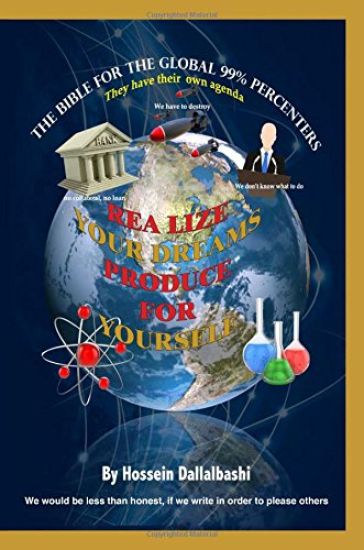
Formal logic, having been formulated by Aristotle, a renowned Greek philosopher, ruled unrivaled, as a form of reasoning, among the literate cultures for more than two thousand years. Its intellectual foundation was severely shaken by George Helel's idealistic dialectical logic, and was further discredited by dialectical materialist logic of Frederick Engels, Karl Marx, and Josef Dietzgen. But the university admirerers of formal logic learned to readapt its forms to the new conditions, practically incapable of revising its content. Rehabilitated, it keeps serving its social slave masters. But my evolutionary integrated atomic logic pulvarized it atomically, completely overthrowing its intellectual dictatorship, paving the way for a logic of atomic age. This book is " must read", specially for those how are famaliarized with dialectical materialit logic. Our educational system teaches us that our Universe is made of atoms, that these atoms are ubiquitous, meaning one atom is placed next to on another, with vacuum in between them. I find this description very insulting to the intelligence of man in twenty first century. In my book, by referring to, and relying upon two processes that go on in the atomic structures, meaning changes in isotope, and ionization, I have shown that atoms are integrated and interwoven, and that there is no such thing as atoms existing next to one another, as if they were distant, and indifferent neighbors. They provide all around existence for one another. If they were separate from one another, their internal energy would soon come to an end. The fact that atomic energy is eternally inexhaustible, beyond any doubt, substantiates that they are in fact interwoven, and integrated. Sub-atomic particles are being constantly born, and disappear, because of this interrelationship and interwoven-ness, and that calls for atomic transformation, and is an in-formidable fact of evolution. That calls for re-evaluation of our atomic physics, which is the foundation of all other natural sciences, and place it on two new principles, interwoven-ness, and evolution. If this is scientifically correct, we have to re-write all other natural sciences, to accommodate for this new foresight and vision. I critiqued formal logic from an evolutionary integrated atomic logic, because formal logic is a logic of the un-changeable, for ever the same thing, that preserve their identities absolutely the same and forever. This book is worthy of being taught on college, and university level, as an alternative to formal logic. But if I had offered a different summer time style bikini, I would have received more enthusiastic reception.
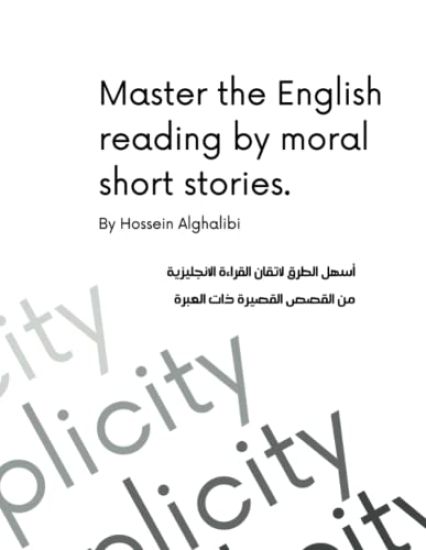
سوف نتعلم في هذا الكتاب المهارات الانجليزية التالية من خلال تمارين تفاعلية سوف يتم شرحها اسفل كل قصة. من خلال أدائك للتمارين و التدريب عليها بشكل متكرر سوف تتقن هذه المهارات الانجليزية بشكل تلقائي و بالتالي سوف تتحسن لغتك الانجليزية بوقت قياسي و تصل الى مستوى عالي في المحادثة. اذا شعرت بالتعب او الاحباط او لو أنك لم تحقق اي تقدم أثناء متابعتك بامكانك التواصل مع الاستاذ حسين الغالبي شخصيا او الاستمرار بتكرار الدروس أكثر من ثلاثة الى اربع مرات وبهذا الشكل سوف تزيد من نسبة نجاحك وتقدمك. (مادام هناك شخص استطاع اتقان اللغة الانجليزية اذاً انت تستطيع ايضاً لكن هناك شروط بسيطة اذا قمت بتطبيقها سوف تحصل على نفس النتائج او احسن منها. الشروط هي الالتزام و الانضباط و الاستمرار و الثقة بالنفس و التكرار و الصبر و الممارسة لهذه اللغة بكل ما تستطيع فعله)
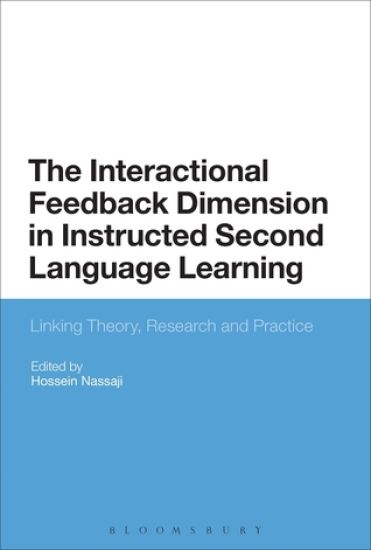
This book examines current advances in the role of interactional feedback in second language (L2) teaching and learning. Drawing on recent theory and research in both classroom and laboratory contexts, the book explores a wide range of issues regarding interactional feedback and their relevance for both theory and practice, including how interactional feedback is used, processed, and contributes to L2 acquisition. This book will provide a useful resource for applied linguistics students and academics as well as language teachers and teacher educators who would like to gain insight into the role of interactional feedback and how it can be used as a means of integrating form and meaning in classroom contexts.
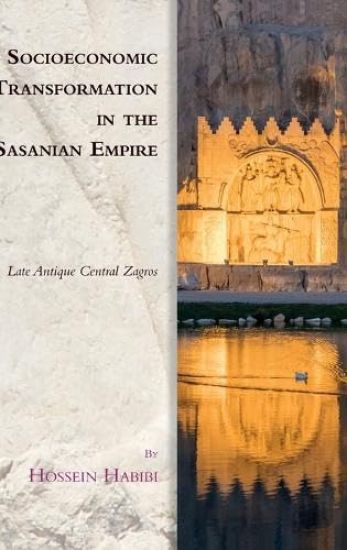
Explores the cultural landscapes of the late antique Central Zagros and their long-term transformations Contextualises the socioeconomic milieu of the Sasanian Central Zagros in the late antique Near East Highlights the role of nomadic and transhumant populations in the cultural formation processes of the Central Zagros, along with settled groups and urban societies Presents an overview according to an interdisciplinary approach mainly based on material data of various sorts and evidence from primary sources, enriched by parallel attestations from secondary sources Engages in recent debates regarding the function of the Sasanian state and offers a new understanding of its economy Recent studies have demonstrated the diverse character of the socioeconomic dynamics behind the socio-political transformations and infrastructural developments in different territories of the Sasanian and Roman Empires. Notwithstanding its distinct environmental and socio-cultural settings, the cultural landscapes in the Sasanian realm are much less studied than those of the neighbouring empire to the west. Based on an inter-disciplinary approach, this monograph bridges this gap and highlights such diversity on a regional scale in the Central Zagros. Socioeconomic Transformation in the Sasanian Empire provides for a deeper understanding of the actual historical events and long-term cultural processes in the Central Zagros by disclosing the roles of various inter-related cultural and natural factors and the demographic and economic transitions that caused them. Ultimately, this work contributes to debates about the reconstruction of sociopolitical transitions in the late antique world.
Recent studies have demonstrated the diverse character of the socioeconomic dynamics behind the socio-political transformations and infrastructural developments in different territories of the Sasanian and Roman Empires. Notwithstanding its distinct environmental and socio-cultural settings, the cultural landscapes in the Sasanian realm are much less studied than those of the neighbouring empire to the west. Based on an inter-disciplinary approach, this monograph bridges this gap and highlights such diversity on a regional scale in the Central Zagros. Socioeconomic Transformation in the Sasanian Empire provides for a deeper understanding of the actual historical events and long-term cultural processes in the Central Zagros by disclosing the roles of various inter-related cultural and natural factors and the demographic and economic transitions that caused them. Ultimately, this work contributes to debates about the reconstruction of sociopolitical transitions in the late antique world.
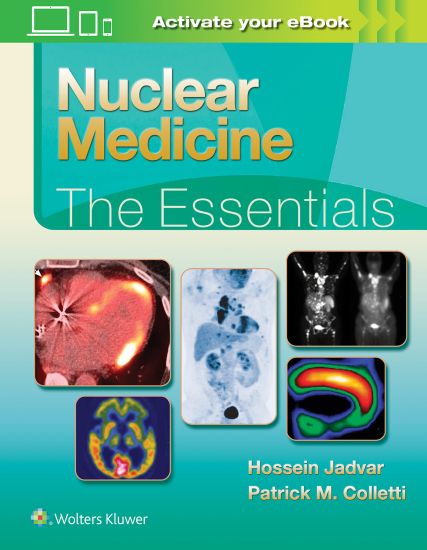
Perfect for residents and fellows to use during rotations, or as a quick review for practicing radiologists and nuclear medicine physicians, Nuclear Medicine: The Essentials is a complete, concise overview of the most important knowledge in this challenging and evolving field. Each chapter begins with learning objectives and ends with board-style questions that help you focus your learning. A self-assessment examination in print and additional self-assessment material online test your mastery of the content and prepare you for exams. Follows the proven Essentials series format to provide a comprehensive yet concise overview of clinical nuclear medicine. Features image-rich, case-based multiple-choice questions with answers and explanations that mimic what you’re likely to see on exams. Covers all relevant imaging modalities, including hybrid imaging systems such as SPECT/CT, PET/CT, and PET/MRI, as well as targeted radionuclide therapy, theranostics, and translational molecular imaging as it relates to nuclear medicine in adults and children. Puts indispensable information at your fingertips in a compact and practical, high-yield format. Enrich Your Ebook Reading Experience Read directly on your preferred device(s), such as computer, tablet, or smartphone. Easily convert to audiobook, powering your content with natural language text-to-speech. ?
The importance of the rule of law is universally recognised and of fundamental value for most societies. Establishing and promoting the rule of law in the Muslim world, particularly in the Middle East, North Africa, and Central Asia, has become a pressing but complicated issue. These states have Muslim majority populations, and the religion of Islam has an important role in the traditional structures of their societies. While the Muslim world is taking gradual steps towards the establishment of rule of law systems, most Muslim majority countries may not yet have effective legal systems with independent judiciaries, which would allow the state and institutions to be controlled by an effective rule of law system. One important aspect of the rule of law is freedom of expression. Given the sensitivity of Muslim societies in relation to their sacred beliefs, freedom of expression, as an international human rights issue, has raised some controversial cases. This book, drawing on both International and Islamic Law, explores the rule of law, and freedom of expression and its practical application in the Muslim world.
Being the smallest social institution, family has attracted the attention of social thinkers due to the special significant place it occupies. On the one hand, the mutual effect between family and other sections of society, and on the other hand, its survival throughout ages and centuries have driven many thinkers to study it using different approaches. Apart from the religious, ethical, philosophical and legal approaches dominant in the past, there has been a growth of historical, anthropological, psychological and social approaches to family since the 19th century. According to common definitions, sociology is a theoretical science which attempts to describe and explain social interactions and institutions by using various experimental methods. The application of this scientific discipline comes to manifest itself in policies and strategies which are presented by the experts in order to improve social conditions. On the other hand, since Islam intends to present an all-embracing and comprehensive plan for the personal and social happiness of humans, it has revealed its stance on different issues concerning family in an extensive series of Quranic verses and narrations sometimes in the form of descriptive phrases and often in the form of normative phrases. Therefore we can expect to find many overlaps between the phrases concerning the family in this comprehensive religious plan and the phrases in the discipline of sociology about family and this will provide a proper ground and the necessary motivation to embark on interdisciplinary studies by integrating religious and sociological approaches, because these type of studies play a significant role in extending the boundaries of knowledge in the field of humanities. In fact, such works will pave the way for achieving two main objectives in this field; first, the establishment of the idea of humanities and Islamic ideology and specifically the paradigm of Islamic sociology in academic settings the need for which is felt in recent years more than ever. Second, the localization of the human sciences which attracts more supporters in comparison with the first objective due to the fact that today the shortcomings of the non-native human sciences have been revealed even further. Particularly in the field of the sociology of family, a considerable part of the topics includes those which do not fit the general setting of the Islamic societies, even though they might have pervaded some Westernized groups and social strata in these societies, these topics may include: romantic love, cohabitation, homosexual families, and the conflict between love and parenting. On the other hand, the family in Islamic societies is facing numerous issues that the sociology of family has not yet engaged in a deep study of them which includes the functions of alimony, zeal, hijab1, the restrictions on the relationship between the men and women, the Islamic upbringing of the children, temporary marriage, polygamy. Since social realities are the result of social values to a great extent, and given the differences of social values of different societies, it is quite natural that the sociology of the family as a new and budding science in the Western world should concern itself with the ideal Western family and be specified to resolving the issues and problems emerging in the Western culture and the Western family, while it should also be noted that these problems will most probably not be considered as problems and issues at all in other societies. Furthermore, even when a sociologist is engaged in studying the non-Western societies, he usually employs the same concepts and theoretical frameworks of the Western sociology and this is also an important obstacle in gaining a true understanding of the realities in these societies. For instance, when the sociologist of the family uses some of the concepts originating from the Western culture such as patriarchy and sex discrimination to analyze the family...
The Vantage Press, which published this book in 1979, wrote this review on the book " Most people think of science and philosophy as two separate and unrelated subjects. The author of this book, Hossein Dallalbashi, shows how this need not be so, and offers a through analysis of the relation between natural sciences and scientific materialistic philosophy. He begins by showing how Karl Marx and Fredrick Engels took the mechanical materialist philosophy of their time, and applied the idea of evolution to it, thereby developing dialectical materialist logic. The author points out how in order to be relevant, philosophy must constantly assimilate the discoveries of natural sciences. Lenin said such changes did not constitute" revisionism", a deviation from dialectical materialist logic, but in fact were essential in Marxism. The author believes the gap between science and philosophy is caused by scientists who are ignorant of scientific materialistic philosophy, and philosophers who think they can continue philosophizing, making sense and relating to people, without having to acquire a comprehensive understanding of natural sciences, and un-interruptedly incorporate the new scientific discoveries into philosophy. Mr. Dallalbashi points out how the separation has been harmful to both. Einstein claimed that his best students in atomic physics were those with having strong interest in scientific philosophy. The author discusses the atomic structure as the building blocks of the Universe, and how motion is inherent in all atoms . He then promotes the notion of self-motioned atomic dialectical materialist logic. Throughout the book, appropriate quotations are utilized from different famous philosophers and natural scientists, supporting the author's thesis. This book is scholarly, and yet written in a vivid style. with much original thinking by the author."
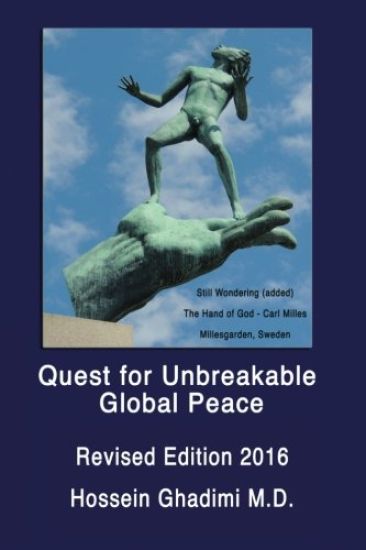
About The Book A fresh new look at nearly everything. Skillfully intertwining fact and fiction, "Quest for Unbreakable Global Peace" is a pensive reflection on our past, a probing study of our present, and an alarming glimpse into our future. The story begins when E-Zad, a creature from a superior planet, plunges from the sky and unexpectedly lands on Earth. Generations away from his origin, he muses, "I am unfamiliar with the habits of Earth. I am conveying a message of friendship and love with no intention of conquest." Not certain whether he will be welcomed here, E-Zad has justifiable concerns. "Will planet Earth embrace me? I doubt it. Will they hate me? Probably not. Would I prefer to go to another planet? No way." E-Zad is an endearing character whose unbiased reports enable the reader to see our world from an entirely new perspective. Using concise and simple language, the book introduces planet Earth to a Superior Civilization. The Expos avoiding classic or orthodox language is often short, sometimes hilarious, and always informative. Civilizations, religions, science, medical breakthroughs, language, politics, types of governments, marriage, problems such as "obesity has been described in chronological order. Wars, brutality, terrorism and Jihad have been dealt with in greater lengths. It concludes that the splitting of the atom has loudly and clearly warned us against another impending global war. The Internet, on the other hand, offers a unique opportunity to spread education globally aimed at the grass root. International law should forbid brainwashing of children. Global education should replace brainwashing and aggressive approach enforcing ideas, regimes, or religions. Tri-Pod for global peace has been suggested in a way of global education. The movement for "Peace and Prosperity" would be non-partisan, independent of the government with no connection with any religion. The history of Islam has been dealt with respect and at great lengths.