Kirjojen hintavertailu. Mukana 11 717 486 kirjaa ja 12 kauppaa.

Kirjahaku

Etsi kirjoja tekijän nimen, kirjan nimen tai ISBN:n perusteella.

1000 tulosta hakusanalla Jim Goodwin

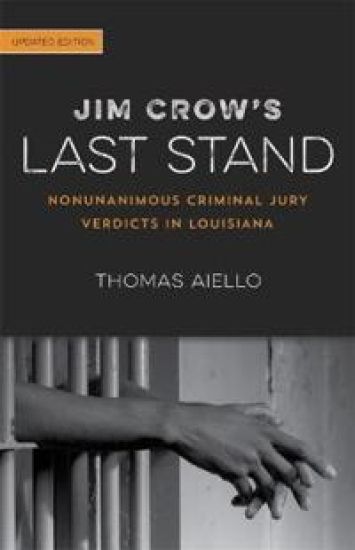
Jim Crow's Last Stand

Jim Crow's Last Stand

Thomas Aiello

Louisiana State University Press
2019
nidottu
A remnant of the racist post-Reconstruction Redeemer sociopolitical agenda, Louisiana's nonunanimous jury-verdict law permitted juries to convict criminal defendants with only nine, and later ten, out of twelve votes: a legal oddity. On the surface, it was meant to speed convictions. In practice, the law funneled many convicts- especially African Americans- into Louisiana's burgeoning convict lease system. Although it faced multiple legal challenges through the years, the law endured well after convict leasing had ended. Few were aware of its existence, let alone its original purpose. In fact, the original publication of Jim Crow's Last Stand was one of the first attempts to call attention to the historical injustice caused by this law. This updated edition of Jim Crow's Last Stand unpacks the origins of the statute in Bourbon Louisiana, traces its survival through the civil rights era, and ends with the successful effort to overturn the nonunanimous jury practice, a policy that officially went into effect on January 1, 2019.
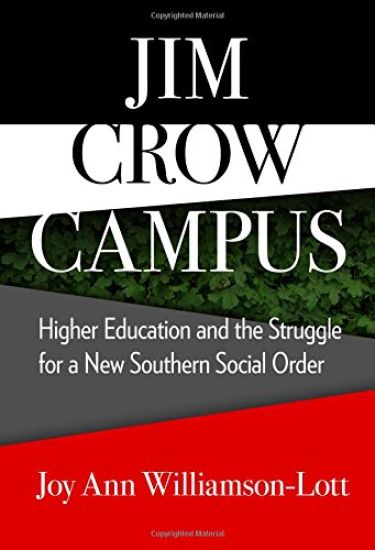
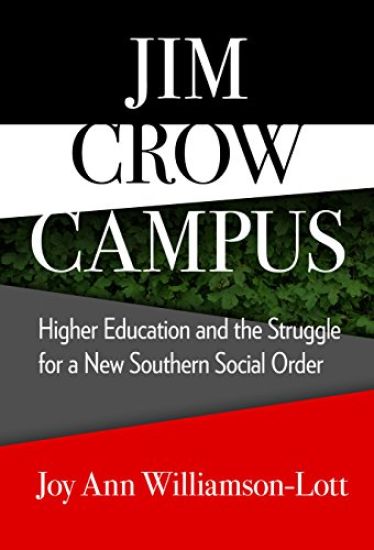
Jim Crow Campus

Jim Crow Campus

Joy Ann Williamson-Lott

Teachers' College Press
2018
nidottu
This well-researched volume explores how the Black freedom struggle and the anti–Vietnam War movement dovetailed with faculty and student activism in the South to undermine the traditional role of higher education and bring about social change. It offers a deep understanding of the vital importance of independent institutions during times of national crisis.*2018 Foreword Reviews Indies Finalist in the Education category.
Jim Crow Campus

Jim Crow Campus

Joy Ann Williamson-Lott

Teachers' College Press
2018
sidottu
2020 Frederic W. Ness Book Award Winner (AACU)2018 Foreword INDIES Book of the Year Awards Finalist in EducationThis well-researched volume explores how the Black freedom struggle and the anti–Vietnam War movement dovetailed with faculty and student activism in the South to undermine the traditional role of higher education and bring about social change. It uses the battles between students, faculty, presidents, trustees, elected officials, and funding agencies to explain how Black and White southern campuses transformed themselves into reputable academic centers. No matter the type of institution, these battles represented cracks in the edifice of the Old South and precipitated wide-ranging changes in southern higher education and society as well. This thought-provoking history offers scholars and others interested in institutional autonomy and the value of civil society a deep understanding of the central role that institutions of higher education can play in social and political change and the vital importance of independent institutions during times of national crisis.Book Features:Helps institutional leaders to understand the benefits and challenges of dissolving the walls around the ivory or ebony tower.Offers a complex analysis of the evolution of higher education in the South. Demonstrates how changes in higher education precipitated wide-ranging changes in southern society.Examines contemporary arguments about the breadth and limits of first amendment rights and academic freedom on college and university campuses.
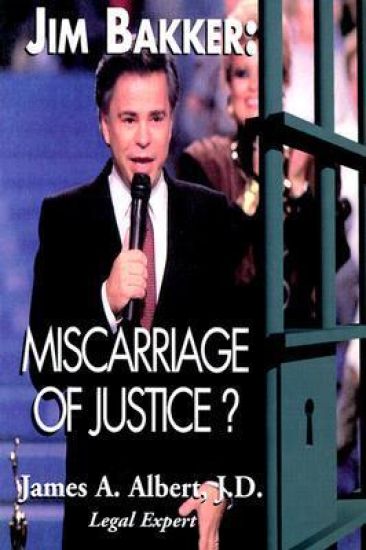
Jim Bakker

Jim Bakker

James Albert

Open Court Publishing Co ,U.S.
1999
pokkari
Anyone who has followed the roller coaster-like saga of PTL will want to read this absorbing inside story. Albert, a law professor and trial attorney, has investigated the Bakker/PTL story extensively and crafts a balanced story, guiding his readers through Bakker's rise from obscurity to his heyday hosting "The PTL Club". Albert contends that although Bakker's stewardship of PTL was surely careless, serious doubt remains whether or not he ever intended to defraud contributors. 15 photos.
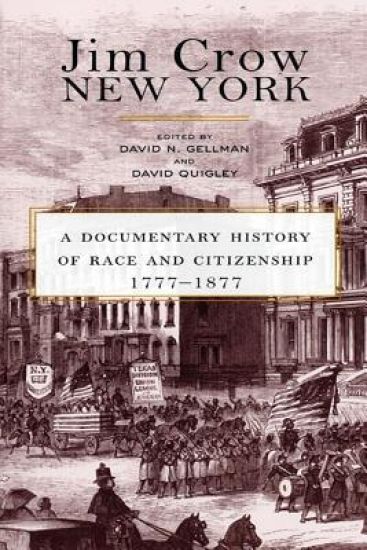
Jim Crow New York

Jim Crow New York

New York University Press
2003
sidottu
A Choice Outstanding Academic Title (2004) In 1821, New York’s political leaders met for over two months to rewrite the state’s constitution. The new document secured the right to vote for the great mass of white men while denying all but the wealthiest African-American men access to the polls. Jim Crow New York introduces students and scholars alike to this watershed event in American political life. This action crystallized the paradoxes of free black citizenship, not only in the North but throughout the nation: African Americans living in New York would no longer be slaves. But would they be citizens? Jim Crow New York provides readers with both scholarly analysis and access to a series of extraordinary documents, including extensive excerpts from the resonant speeches made at New York’s 1821 constitutional convention and additional documents which recover a diversity of voices, from lawmakers to African-American community leaders, from newspaper editors to activists. The text is further enhanced by extensive introductory essays and headnotes, maps, illustrations, and a detailed bibliographic essay.
Jim Crow New York

Jim Crow New York

New York University Press
2003
pokkari
A Choice Outstanding Academic Title (2004) In 1821, New York's political leaders met for over two months to rewrite the state's constitution. The new document secured the right to vote for the great mass of white men while denying all but the wealthiest African-American men access to the polls. Jim Crow New York introduces students and scholars alike to this watershed event in American political life. This action crystallized the paradoxes of free black citizenship, not only in the North but throughout the nation: African Americans living in New York would no longer be slaves. But would they be citizens? Jim Crow New York provides readers with both scholarly analysis and access to a series of extraordinary documents, including extensive excerpts from the resonant speeches made at New York's 1821 constitutional convention and additional documents which recover a diversity of voices, from lawmakers to African-American community leaders, from newspaper editors to activists. The text is further enhanced by extensive introductory essays and headnotes, maps, illustrations, and a detailed bibliographic essay.
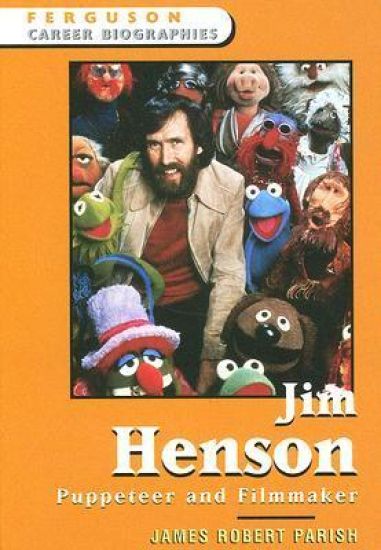
Jim Henson

Jim Henson

James Robert Parish

Facts On File Inc
2006
sidottu
Each Volume includes: - A career section that looks closely at the person's career and presents important information about that career - Black-and-white photographs - An informative timeline that highlights important events in the subjects life - Additional resources for learning more about the subject's life and career - A comprehensive index. Career coverage includes: - Specific occupational information, including job description, educational requirements, types of employers, advice on starting out, advancement, work environment, earnings, and job outlook - Resources for learning more about each career, including a bibliography, Web sites, and contact information for relevant organizations.
Jim Burns' Arizona Birds

Jim Burns' Arizona Birds

Jim Burns

University of Arizona Press
2008
nidottu
Arizona is renowned as a premier birding state, a place where many species rarely seen anywhere else in the country reach the northern end of their migratory range. Jim Burns? Arizona Birds is a lively portrayal of the habits and habitats of seventy-five of these unique southwestern species. Burns has written much more than a field guide, site guide, or scientific survey. He has compiled and expanded upon his feature column Arizona Special Species to create an original kind of birding book that is more at home on your bedside table than in your backpack. Bird-watchers new to the game will find a wealth of knowledge on and insight into some familiar favorites, as well as an idea of what it takes to accomplish more uncommon sightings. Veteran birders will appreciate Burns? unique incorporation of natural history and other details beyond the usual taxonomic data, and will enjoy reminders of their own triumphs and heartbreaks in his colorful personal accounts of vehicular breakdowns, photographic faux pas, and egregious identification errors in the field. Illustrated in full color by seventy-five of the author's own outstanding photographs, this book also features a five-level rating system, beginning with birds you can see in your own backyard and ending with those requiring either pure dumb luck or years of study and perseverance to spot. But whether you have spent years in search of the Flammulated Owl or are just curious about the wildlife in your desert backyard, this book will have you laughing, learning, and reaching for the binoculars in hopes of creating your own encounters with Arizona's incredible bird species.
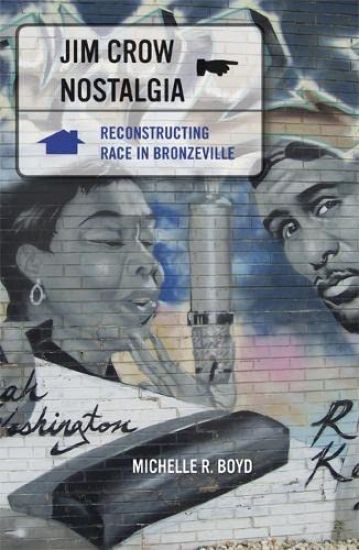
Jim Crow Nostalgia

Jim Crow Nostalgia

Boyd Michelle R.

University of Minnesota Press
2008
sidottu
In the Jim Crow era of the early twentieth century, Chicago’s Bronzeville neighborhood on the city’s South Side was a major center of African American cultural vitality and a destination for thousands of Southern blacks seeking new opportunities in the North during the Great Migration. After decades of decline, the 1980s saw several community organizations in the neighborhood collaborating on a revitalization plan called “Restoring Bronzeville,” envisioning an idealized version of the neighborhood as it had thrived during segregation. Opening with a description by a Bronzeville tour guide, wistful for the days of its famously rich and rewarding cultural life, Michelle R. Boyd examines how black leaders reinvented the neighborhood’s history in ways that, amazingly, sanitized the brutal elements of life under Jim Crow. Connecting such collective inventions of memory to neighborhood projects in the present, Boyd emphasizes how interpretations of history are mobilized for political goals and how links between nostalgia and redevelopment contribute to the politicization of racial identity. As community leaders sought to make an area more attractive to investors, she finds that they consciously worked to define and even redraw geographic boundaries, real estate values, and even the character of the people who lived there. Acknowledging the present and growing public anxiety over the existence of a stable and collective black identity, Boyd takes a nuanced view of nostalgia for the neighborhoods of the Jim Crow era and develops a new way to understand the political significance of race today. Michelle R. Boyd is assistant professor of African American studies and political science at the University of Illinois, Chicago.
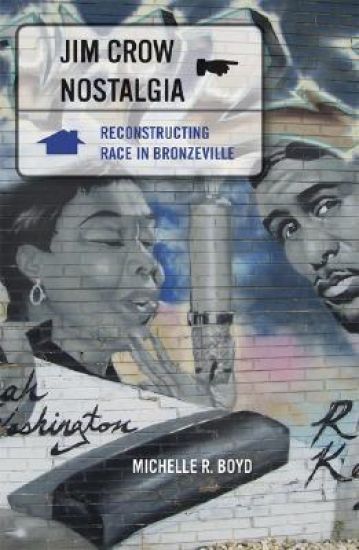
Jim Crow Nostalgia

Jim Crow Nostalgia

Michelle R. Boyd

University of Minnesota Press
2008
nidottu
In the Jim Crow era of the early twentieth century, Chicago’s Bronzeville neighborhood on the city’s South Side was a major center of African American cultural vitality and a destination for thousands of Southern blacks seeking new opportunities in the North during the Great Migration. After decades of decline, the 1980s saw several community organizations in the neighborhood collaborating on a revitalization plan called “Restoring Bronzeville,” envisioning an idealized version of the neighborhood as it had thrived during segregation. Opening with a description by a Bronzeville tour guide, wistful for the days of its famously rich and rewarding cultural life, Michelle R. Boyd examines how black leaders reinvented the neighborhood’s history in ways that, amazingly, sanitized the brutal elements of life under Jim Crow. Connecting such collective inventions of memory to neighborhood projects in the present, Boyd emphasizes how interpretations of history are mobilized for political goals and how links between nostalgia and redevelopment contribute to the politicization of racial identity. As community leaders sought to make an area more attractive to investors, she finds that they consciously worked to define and even redraw geographic boundaries, real estate values, and even the character of the people who lived there. Acknowledging the present and growing public anxiety over the existence of a stable and collective black identity, Boyd takes a nuanced view of nostalgia for the neighborhoods of the Jim Crow era and develops a new way to understand the political significance of race today. Michelle R. Boyd is assistant professor of African American studies and political science at the University of Illinois, Chicago.
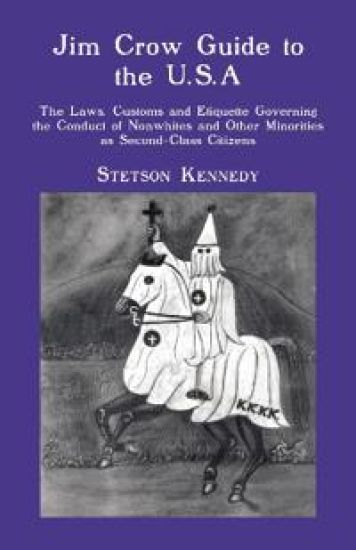
Jim Crow Guide to the U.S.a.

Jim Crow Guide to the U.S.a.

Stetson Kennedy

The University of Alabama Press
2011
nidottu
Jim Crow Guide documents the system of legally imposed American apartheid that prevailed during what Stetson Kennedy calls 'the long century from Emancipation to the Overcoming.' The mock guidebook covers every area of activity where the tentacles of Jim Crow reached. From the texts of state statutes, municipal ordinances, federal regulations, and judicial rulings, Kennedy exhumes the legalistic skeleton of Jim Crow in a work of permanent value for scholars and of exceptional appeal for general readers.
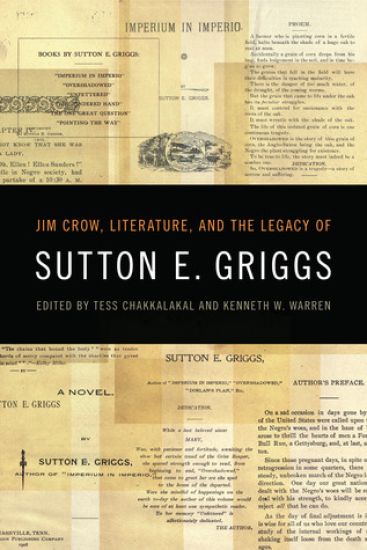
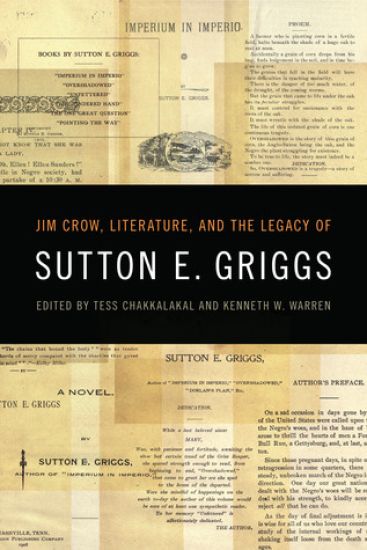
Jim Crow, Literature, and the Legacy of Sutton E. Griggs
Imperium in Imperio (1899) was the first black novel to countenance openly the possibility of organized black violence against Jim Crow segregation. Its author, a Baptist minister and newspaper editor from Texas, Sutton E. Griggs (1872–1933), would go on to publish four more novels; establish his own publishing company, one of the first secular publishing houses owned and operated by an African American in the United States; and help to found the American Baptist Theological Seminary in Tennessee. Alongside W. E. B. Du Bois and Booker T. Washington, Griggs was a key political and literary voice for black education and political rights and against Jim Crow.Jim Crow, Literature, and the Legacy of Sutton E. Griggs examines the wide scope of Griggs’s influence on African American literature and politics at the turn of the twentieth century. Contributors engage Griggs’s five novels and his numerous works of nonfiction, as well as his publishing and religious careers. By taking up Griggs’s work, these essays open up a new historical perspective on African American literature and the terms that continue to shape American political thought and culture.
Jim Crow, Literature, and the Legacy of Sutton E. Griggs
Imperium in Imperio (1899) was the first black novel to countenance openly the possibility of organized black violence against Jim Crow segregation. Its author, a Baptist minister and newspaper editor from Texas, Sutton E. Griggs (1872–1933), would go on to publish four more novels; establish his own publishing company, one of the first secular publishing houses owned and operated by an African American in the United States; and help to found the American Baptist Theological Seminary in Tennessee. Alongside W. E. B. Du Bois and Booker T. Washington, Griggs was a key political and literary voice for black education and political rights and against Jim Crow.Jim Crow, Literature, and the Legacy of Sutton E. Griggs examines the wide scope of Griggs’s influence on African American literature and politics at the turn of the twentieth century. Contributors engage Griggs’s five novels and his numerous works of nonfiction, as well as his publishing and religious careers. By taking up Griggs’s work, these essays open up a new historical perspective on African American literature and the terms that continue to shape American political thought and culture.
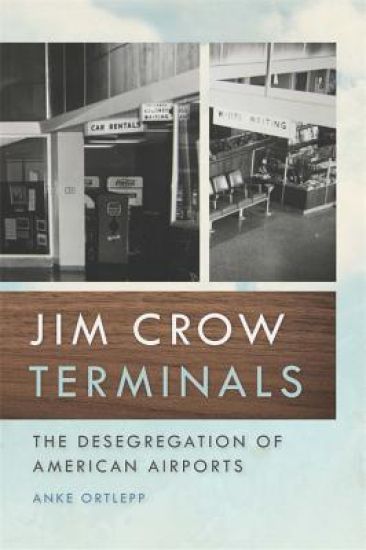
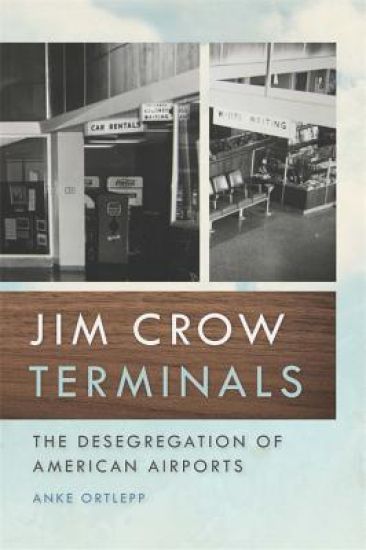
Jim Crow Terminals

Jim Crow Terminals

Anke Ortlepp

University of Georgia Press
2017
sidottu
Historical accounts of racial discrimination in transportation have focused until now on trains, buses, and streetcars and their respective depots, terminals, stops, and other public accommodations. It is essential to add airplanes and airports to this narrative, says Anke Ortlepp. Air travel stands at the center of the twentieth century’s transportation revolution, and airports embodied the rapidly mobilizing, increasingly prosperous, and cosmopolitan character of the postwar United States. When segregationists inscribed local definitions of whiteness and blackness onto sites of interstate and even international transit, they not only brought the incongruities of racial separation into sharp relief but also obligated the federal government to intervene.Ortlepp looks at African American passengers; civil rights organizations; the federal government and judiciary; and airport planners, architects, and managers as actors in shaping aviation’s legal, cultural, and built environments. She relates the struggles of black travelers—to enjoy the same freedoms on the airport grounds that they enjoyed in the aircraft cabin—in the context of larger shifts in the postwar social, economic, and political order. Jim Crow terminals, Ortlepp shows us, were both spatial expressions of sweeping change and sites of confrontation over the renegotiation of racial identities. Hence, this new study situates itself in the scholarly debate over the multifaceted entanglements of “race” and “space.”
Jim Crow Terminals

Jim Crow Terminals

Anke Ortlepp

University of Georgia Press
2017
pokkari
Historical accounts of racial discrimination in transportation have focused until now on trains, buses, and streetcars and their respective depots, terminals, stops, and other public accommodations. It is essential to add airplanes and airports to this narrative, says Anke Ortlepp. Air travel stands at the center of the twentieth century’s transportation revolution, and airports embodied the rapidly mobilizing, increasingly prosperous, and cosmopolitan character of the postwar United States. When segregationists inscribed local definitions of whiteness and blackness onto sites of interstate and even international transit, they not only brought the incongruities of racial separation into sharp relief but also obligated the federal government to intervene.Ortlepp looks at African American passengers; civil rights organizations; the federal government and judiciary; and airport planners, architects, and managers as actors in shaping aviation’s legal, cultural, and built environments. She relates the struggles of black travelers—to enjoy the same freedoms on the airport grounds that they enjoyed in the aircraft cabin—in the context of larger shifts in the postwar social, economic, and political order. Jim Crow terminals, Ortlepp shows us, were both spatial expressions of sweeping change and sites of confrontation over the renegotiation of racial identities. Hence, this new study situates itself in the scholarly debate over the multifaceted entanglements of “race” and “space.”
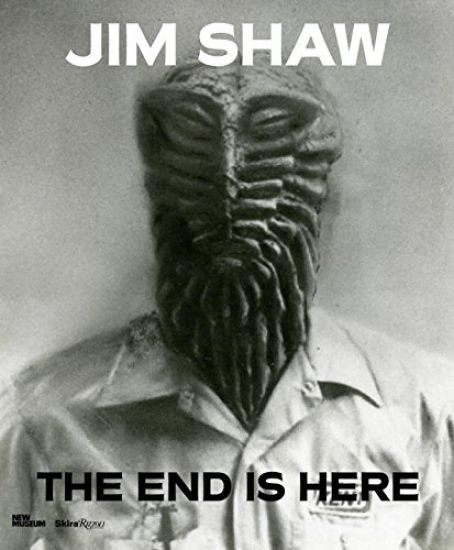
Jim Shaw

Jim Shaw

Rizzoli International Publications
2015
sidottu
Over the past thirty years, Jim Shaw has become one of America's most visionary artists, moving between painting, sculpture, and drawings, while building connections between his own psyche and the larger political, social, and spiritual history of America. Shaw's imagery is mined from comic books, record covers, conspiracy magazines, obscure religious pamphlets, and other cultural refuse to produce a portrait of the American subconscious out of his personal obsessions. Shaw, along with fellow Michigan native Mike Kelley, moved to California in the 1970s to attend Cal Arts and was one of a number of notable artists to emerge from the school in the early 1980s. Shaw's work is distinguished by rigorous formal and structural analyses of neglected forms of vernacular culture. Accompanying a major exhibition, this is the first major monograph devoted to the entirety of the artist's unique, multifaceted career.
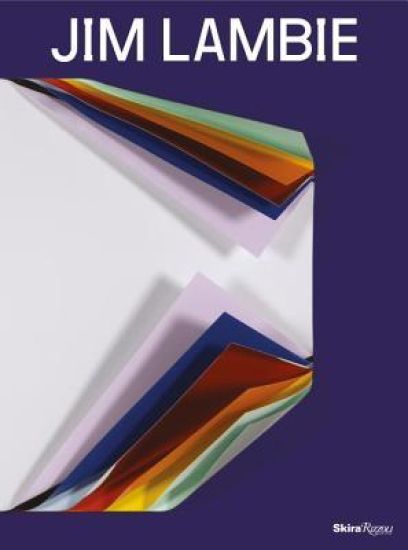
Jim Lambie

Jim Lambie

Skira Rizzoli
2017
sidottu
This long-awaited volume surveys the career of Glasgow-based contemporary sculptor Jim Lambie. From his distinctive floor works, striped from wall to wall with vibrant electrical tape, to his paint-soaked mattresses, Lambie adroitly sculpts humour and pathos from the clutter of modern life. Working with items immediately at hand, as well as those sourced in second-hand and hardware stores, he resurrects record decks, speakers, clothing, accessories, doors, and mirrors to form sculptural elements in larger compositions. Lambie prioritizes sensory pleasure over intellectual response. He selects materials that are familiar and have a strong personal resonance, so that they offer a way into the work as well as a springboard to a psychological space beyond. This volume not only serves as a definitive mid-career survey but also as a major reframing of the artist s work. Lambie s practice has long been understood through the lens of punk and rock music, a frequent theme of his works titles. Here the artist and new essays instead trace his approach to the rich material histories he mines and the scrappy, resourceful spirit of his hometown, Glasgow.
Jim Shaw

Jim Shaw

Jim Shaw; Jessica Beck

RIZZOLI INTERNATIONAL PUBLICATIONS
2024
sidottu
For over three decades, Jim Shaw has found inspiration in comics, pulp novels, album covers, and amateur paintings. His densely layered and humorous works span painting, drawing, and sculpture, and juxtapose images of friends, family, and dreams, with world events, pop culture, and alternative realities. Published to coincide with Thinking the Unthinkable (2023) in Beverly Hills, Shaw s first exhibition with Gagosian, this expansive and vibrantly illustrated catalogue delves into the secret histories of psychedelic therapy, Hollywood legend, and nuclear war themes that all coalesce in the artist s recent works. An essay by Gagosian director Jessica Beck discusses Shaw s hallucinogenic depictions of Cary Grant, Esther Williams, and Jeff Chandler. A conversation with author Rachel Kushner ranges from the artist s formative years to the early weaponization of LSD. In Jim Shaw Kills, new fiction written by Jonathan Lethem, a miniaturized version of Shaw is dispatched into the comatose body of an ex-president.
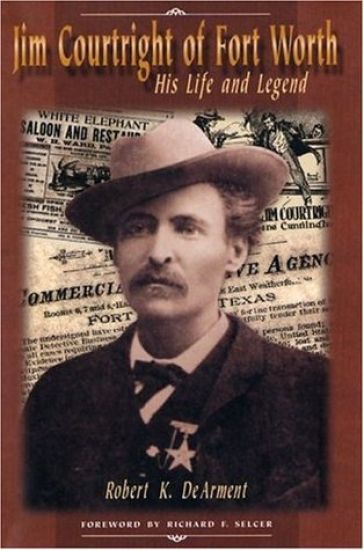
Jim Courtright of Fort Worth

Jim Courtright of Fort Worth

Robert K. DeArment; Richard F. Selcer

Texas Christian University Press,U.S.
2004
sidottu
Timothy Isaiah "Longhair Jim" Courtright operated on both sides of the law and became a legend in his lifetime and after his death. One of the most colorful characters from the wild and woolly days of Fort Worth's Hell's Half Acre, Courtright was at various times city marshal, deputy sheriff, deputy U.S. marshal, private detective, hired killer, and racketeer. Today, he is almost forgotten, either as a gunfighter or a lawman, except in Fort Worth. Little is known about Courtright's early life, though he apparently served in the Union army during the Civil War, But when he arrived in the West, Courtright seemed to attract trouble. He was involved in a shootout during the 1886 railroad strikes and was accused of murder in New Mexico. Deputies were sent to Fort Worth to escort him to New Mexico to stand trial. His escape from them, complete with guns hidden under a restaurant table, is one of Fort Worth's most colorful stories. Finally, he was killed in a shootout that he apparently provoked with gambler and gunman Luke Short. To this day nobody is sure what provoked that feud, but Courtright was honored with the longest funeral procession Fort Worth had ever seen. The myth of Courtright as legendary gunfighter was built in two previous biographies - one by a novelist and the other by a Franciscan priest. After exhaustive research into contemporary newspapers and other accounts and close study of the previous two books, historian Robert K. DeArment deconstructs the myth of Longhair Jim and reconstructs the gunfighter as a real human being, complex, flawed, often courageous, usually both honorable and dishonorable. This book is a must for all those interested in the legends of the West, its lawmen, and its outlaws.