Kirjojen hintavertailu. Mukana 11 699 587 kirjaa ja 12 kauppaa.

Kirjahaku

Etsi kirjoja tekijän nimen, kirjan nimen tai ISBN:n perusteella.

1000 tulosta hakusanalla Massimo Mazzitelli

Food Is Culture

Food Is Culture

Massimo Montanari

Columbia University Press
2006
sidottu
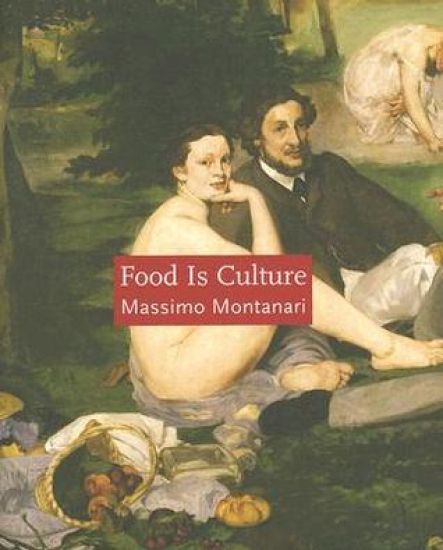
Elegantly written by a distinguished culinary historian, Food Is Culture explores the innovative premise that everything having to do with food-its capture, cultivation, preparation, and consumption-represents a cultural act. Even the "choices" made by primitive hunters and gatherers were determined by a culture of economics (availability) and medicine (digestibility and nutrition) that led to the development of specific social structures and traditions. Massimo Montanari begins with the "invention" of cooking which allowed humans to transform natural, edible objects into cuisine. Cooking led to the creation of the kitchen, the adaptation of raw materials into utensils, and the birth of written and oral guidelines to formalize cooking techniques like roasting, broiling, and frying. The transmission of recipes allowed food to acquire its own language and grow into a complex cultural product shaped by climate, geography, the pursuit of pleasure, and later, the desire for health. In his history, Montanari touches on the spice trade, the first agrarian societies, Renaissance dishes that synthesized different tastes, and the analytical attitude of the Enlightenment, which insisted on the separation of flavors. Brilliantly researched and analyzed, he shows how food, once a practical necessity, evolved into an indicator of social standing and religious and political identity. Whether he is musing on the origins of the fork, the symbolic power of meat, cultural attitudes toward hot and cold foods, the connection between cuisine and class, the symbolic significance of certain foods, or the economical consequences of religious holidays, Montanari's concise yet intellectually rich reflections add another dimension to the history of human civilization. Entertaining and surprising, Food Is Culture is a fascinating look at how food is the ultimate embodiment of our continuing attempts to tame, transform, and reinterpret nature.
Cheese, Pears, and History in a Proverb

Cheese, Pears, and History in a Proverb

Massimo Montanari

Columbia University Press
2010
sidottu
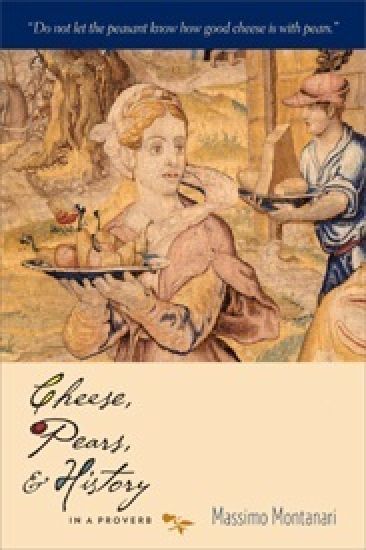
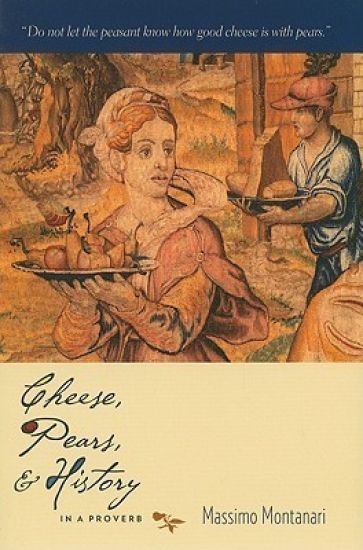
"Do not let the peasant know how good cheese is with pears" goes the old saying. Intrigued by these words and their portent, Massimo Montanari unravels their origin and utility. Perusing archival cookbooks, agricultural and dietary treatises, literary works, and anthologies of beloved sayings, he finds in the nobility's demanding palates and delicate stomachs a compelling recipe for social conduct. At first, cheese and its visceral, earthy pleasures were treated as the food of Polyphemus, the uncivilized man-beast. The pear, on the other hand, became the symbol of ephemeral, luxuriant pleasure-an indulgence of the social elite. Joined together, cheese and pears adopted an exclusive savoir faire, especially as the "natural phenomenon" of taste evolved into a cultural attitude. Montanari's delectable history straddles written and oral traditions, economic and social relations, and thrills in the power of mental representation. His ultimate discovery shows that the enduring proverb, so wrapped up in history, operates not only as a repository of shared wisdom but also as a rich locus of social conflict.
Cheese, Pears, and History in a Proverb

Cheese, Pears, and History in a Proverb

Massimo Montanari

Columbia University Press
2012
pokkari
"Do not let the peasant know how good cheese is with pears" goes the old saying. Intrigued by these words and their portent, Massimo Montanari unravels their origin and utility. Perusing archival cookbooks, agricultural and dietary treatises, literary works, and anthologies of beloved sayings, he finds in the nobility's demanding palates and delicate stomachs a compelling recipe for social conduct. At first, cheese and its visceral, earthy pleasures were treated as the food of Polyphemus, the uncivilized man-beast. The pear, on the other hand, became the symbol of ephemeral, luxuriant pleasure-an indulgence of the social elite. Joined together, cheese and pears adopted an exclusive savoir faire, especially as the "natural phenomenon" of taste evolved into a cultural attitude. Montanari's delectable history straddles written and oral traditions, economic and social relations, and thrills in the power of mental representation. His ultimate discovery shows that the enduring proverb, so wrapped up in history, operates not only as a repository of shared wisdom but also as a rich locus of social conflict.
Let the Meatballs Rest

Let the Meatballs Rest

Massimo Montanari

Columbia University Press
2012
sidottu
Known for his entertaining investigations into culinary practice, Massimo Montanari turns his hungry eye to the phenomenon of food culture, food lore, cooking methods, and eating habits throughout history. An irresistible buffet of one hundred concise and engaging essays, this collection provides stimulating food for thought for those curious about one of life's most fundamental pleasures. Focusing on the selection, preparation, and mythology of food, Montanari traverses such subjects as the status of the pantry over the centuries, the various strategies of cooking over time, the gastronomy of famine, the science of flavors, the changing characteristics of convivial rituals, the customs of the table, and the ever-evolving identity of food. He shows that cooking not only is a decisive part of our cultural heritage but also communicates essential information about our material and intellectual well-being. From the invention of basic bread making to chocolate's reputation for decadence, Montanari positions food culture as a lens through which we can plot changes in historical values and social and economic trends. Even the biblical tale of Jacob buying Esau's birthright for a bowl of lentils is a text full of essential meaning, representing civilization's important shift from a hunting to an agrarian society. Readers of all backgrounds will enjoy these delectable insights and their easy consumption in one companionable volume.
Let the Meatballs Rest

Let the Meatballs Rest

Massimo Montanari

Columbia University Press
2015
pokkari
Known for his entertaining investigations into culinary practice, Massimo Montanari turns his hungry eye to the phenomenon of food culture, food lore, cooking methods, and eating habits throughout history. An irresistible buffet of one hundred concise and engaging essays, this collection provides stimulating food for thought for those curious about one of life's most fundamental pleasures. Focusing on the selection, preparation, and mythology of food, Montanari traverses such subjects as the status of the pantry over the centuries, the various strategies of cooking over time, the gastronomy of famine, the science of flavors, the changing characteristics of convivial rituals, the customs of the table, and the ever-evolving identity of food. He shows that cooking not only is a decisive part of our cultural heritage but also communicates essential information about our material and intellectual well-being. From the invention of basic bread making to chocolate's reputation for decadence, Montanari positions food culture as a lens through which we can plot changes in historical values and social and economic trends. Even the biblical tale of Jacob buying Esau's birthright for a bowl of lentils is a text full of essential meaning, representing civilization's important shift from a hunting to an agrarian society. Readers of all backgrounds will enjoy these delectable insights and their easy consumption in one companionable volume.
Italian Identity in the Kitchen, or Food and the Nation

Italian Identity in the Kitchen, or Food and the Nation

Massimo Montanari

Columbia University Press
2013
sidottu
Massimo Montanari draws readers into the far-flung story of how local and global influences came to flavor Italian identity. The fusion of ancient Roman cuisine-which consisted of bread, wine, and olives-with the barbarian diet-rooted in bread, milk, and meat-first formed the basics of modern eating across Europe. From there, Montanari highlights the importance of the Italian city in the development of gastronomic taste in the Middle Ages, the role of Arab traders in positioning the country as the supreme producers of pasta, and the nation's healthful contribution of vegetables to the fifteenth-century European diet. Italy became a receiving country with the discovery of the New World, absorbing corn, potatoes, and tomatoes into its national cuisine. As disaster dispersed Italians in the nineteenth century, new immigrant stereotypes portraying Italians as "macaroni eaters" spread. However, two world wars and globalization renewed the perception of Italy and its culture as unique in the world, and the production of food constitutes an important part of that uniqueness.
Medieval Tastes

Medieval Tastes

Massimo Montanari

Columbia University Press
2015
sidottu
In his new history of food, acclaimed historian Massimo Montanari traces the development of medieval tastes-both culinary and cultural-from raw materials to market and captures their reflections in today's food trends. Tying the ingredients of our diet evolution to the growth of human civilization, he immerses readers in the passionate debates and bold inventions that transformed food from a simple staple to a potent factor in health and a symbol of social and ideological standing. Montanari returns to the prestigious Salerno school of medicine, the "mother of all medical schools," to plot the theory of food that took shape in the twelfth century. He reviews the influence of the Near Eastern spice routes, which introduced new flavors and cooking techniques to European kitchens, and reads Europe's earliest cookbooks, which took cues from old Roman practices that valued artifice and mixed flavors. Dishes were largely low-fat, and meats and fish were seasoned with vinegar, citrus juices, and wine. He highlights other dishes, habits, and battles that mirror contemporary culinary identity, including the refinement of pasta, polenta, bread, and other flour-based foods; the transition to more advanced cooking tools and formal dining implements; the controversy over cooking with oil, lard, or butter; dietary regimens; and the consumption and cultural meaning of water and wine. As people became more cognizant of their physicality, individuality, and place in the cosmos, Montanari shows, they adopted a new attitude toward food, investing as much in its pleasure and possibilities as in its acquisition.
Medieval Tastes

Medieval Tastes

Massimo Montanari

Columbia University Press
2018
pokkari
In his new history of food, acclaimed historian Massimo Montanari traces the development of medieval tastes-both culinary and cultural-from raw materials to market and captures their reflections in today's food trends. Tying the ingredients of our diet evolution to the growth of human civilization, he immerses readers in the passionate debates and bold inventions that transformed food from a simple staple to a potent factor in health and a symbol of social and ideological standing. Montanari returns to the prestigious Salerno school of medicine, the "mother of all medical schools," to plot the theory of food that took shape in the twelfth century. He reviews the influence of the Near Eastern spice routes, which introduced new flavors and cooking techniques to European kitchens, and reads Europe's earliest cookbooks, which took cues from old Roman practices that valued artifice and mixed flavors. Dishes were largely low-fat, and meats and fish were seasoned with vinegar, citrus juices, and wine. He highlights other dishes, habits, and battles that mirror contemporary culinary identity, including the refinement of pasta, polenta, bread, and other flour-based foods; the transition to more advanced cooking tools and formal dining implements; the controversy over cooking with oil, lard, or butter; dietary regimens; and the consumption and cultural meaning of water and wine. As people became more cognizant of their physicality, individuality, and place in the cosmos, Montanari shows, they adopted a new attitude toward food, investing as much in its pleasure and possibilities as in its acquisition.
Poesie morali

Poesie morali

Massimo del Zio

Lulu.com
2017
pokkari
Massimo Del Zio nasce a Milano il 15 luglio 1963. Poeta, scrittore e drammaturgo, ottiene la Laurea honoris causa in lettere antiche e filosofia nel 2009 - 2010 a Roma. Nominato Accademico Tiberino a vita il 21 luglio 1986 nella classe Letteratura e musica della celebre Pontificia Accademia Tiberina a Roma, di corrente leopardiana, pubblica nel 1984 a Roma con Gabrielli Editore le famose Poesie Morali. Ottiene numerosi e prestigiosissimi premi tra cui il 1 Oscar d'oro della citt di Capri, nel 1987. L'autore insignito di sette medaglie d'oro in letteratura e musica.
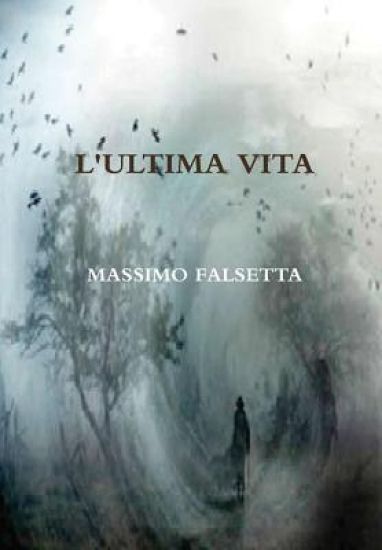
L'Ultima Vita

L'Ultima Vita

Massimo Falsetta

Lulu.com
2018
pokkari
L'avvento e la continua crescita dei mass media, nonchZ l'invasione degli stessi nella vita quotidiana, ha modificato in maniera subliminale il sistema di credenze della maggior parte degli individui, annullando o modificando artificiosamente lo stato di coscienza, che diventa sempre pi sfocato. Siete sicuri di essere liberi? Conoscete la libert DEGREES? Non vivo secondo gli schemi che mi sono imposti dalla societ DEGREES, quelle poche volte che accade una scelta cosciente. LOintrospezione, il mettersi in dubbio, la ricerca spasmodica della spiritualit DEGREES, gli occhi della mente aperti su sZ stessi e sul mondo, devono essere la meta da raggiungere per poter essere finalmente liberi da schemi e preconcetti, confezionati semanticamente da ci~ che gli stessi mezzi di comunicazione di massa ci propinano.
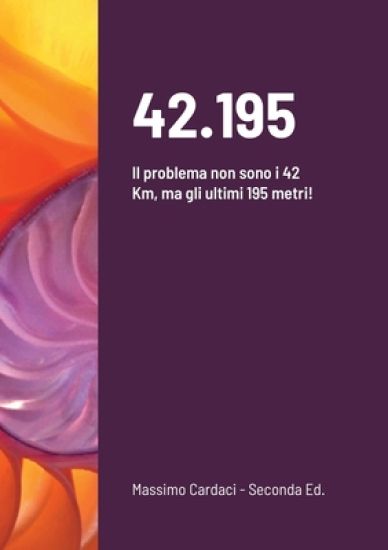
42.195

42.195

Massimo Cardaci

Lulu.com
2018
pokkari
La maratona, un traguardo per molti, che spesso non sanno di poterlo raggiungere. Un sogno per altri, che hanno paura di viverlo. Una descrizione esaustiva negli aspetti pratici che riguardano la corsa di lunga durata, ma non tecnicistica, narrata da un corridore non professionista a corridori di tutti i generi. Il tutto condito con l'humour di chi non si prende molto sul serio, e che semplicemente vuole trasmettere una passione. Seconda edizione, con diverse nuove sezioni e appofondimenti.
L'Ultima Vita

L'Ultima Vita

Massimo Falsetta

Lulu.com
2017
sidottu
In questo libro improntato sulla ricerca della verit DEGREES interiore, lO autore parte dal racconto della sua vita, non per scopi autobiografici, ma al contrario per presentarsi al lettore, il suo obiettivo raccontare al mondo che lOuomo deve essere protagonista della propria storia, quella che ognuno di noi scrive lungo il percorso della vita . LO introspezione, il mettersi in dubbio, la ricerca spasmodica della spiritualit DEGREES, gli occhi della mente aperti su se stessi e sul mondo, devono essere la meta da raggiungere per poter essere finalmente liberi da schemi e preconcetti, confezionati semanticamente da ci~ che gli stessi mezzi di comunicazione di massa oggi veicolano al nostro subconscio. LO esperienza, ci~ che scriviamo nel libro dei ricordi, devono aiutarci a comprendere, raggiungere lOequilibrio mentale, essere uomini, solo cosi tutti insieme potremo cambiare il mondo.
senza nulla volere

senza nulla volere

Massimo Totola

Lulu.com
2019
pokkari
capita che si facciano scelte che solo poi si capisca quanto erano sbagliate...capita che nel percorso si riconosca ci che E'...una via di fuga per ci che intendiamo l'essere, lo stare...vivere...una nuova esistenza possibile...ma per paura non ci si butti a capofitto...e si cerchi in qualche modo un qualche perdono...capita che probabilmente per poi troppo tardi...e non si riesca a "svelarsi"...a liberar l'anima di un peso che da troppo tempo ci opprime...e si rimane a guardare, ascoltare...vivere "da lontano" il desiderio...capita di scoprire che ci si riesce a star bene anche cos ...di scoprire un senso, un medicamento...una consapevolezza di ci che si ...comunque...e si attende...
Malum Interius

Malum Interius

Massimo Ferrara

Lulu.com
2018
pokkari
Una storia sulle paure recondite dell'animo umano e delle terribili malattie che flagellano il corpo. Un horror in puro stile Ferrara, con trovate geniali e passi narrativi che non vi lasceranno indifferenti.
Il destino in un lai

Il destino in un lai

Massimo Barberi

Lulu.com
2020
nidottu
Personaggi come Tristano e Isotta continuano ad ispirare versioni nuove della loro storia, quasi fossero, essi stessi, coautori del medesimo corpus letterario che seguita a rappresentarli: innumerevoli, infatti, sono gli adattamenti in versi o in prosa della leggenda tristaniana che dal Medioevo in poi si sono via via succeduti. "IL DESTINO IN UN LAI", nel solco di questo filone tematico-stilistico-espressivo, e una riscrittura drammatica, con valenza narrativa prossima al romanzo, incentrata sugli ultimi quattro giorni di vita dei due infelici amanti di Cornovaglia.
Investing in Science

Investing in Science

Massimo Florio

MIT Press
2019
sidottu
A proposal for using cost-benefit analysis to evaluate the socioeconomic impact of public investment in large scientific projects.Large particle accelerators, outer space probes, genomics platforms: all are scientific enterprises managed through the new form of the research infrastructure, in which communities of scientists collaborate across nations, universities, research institutions, and disciplines. Such large projects are often publicly funded, with no accepted way to measure the benefits to society of these investments. In this book, Massimo Florio suggests the use of cost-benefit analysis (CBA) to evaluate the socioeconomic impact of public investment in large and costly scientific projects.The core concept of CBA of any infrastructure is to undertake the consistent intertemporal accounting of social welfare effects using the available information. Florio develops a simple framework for such accounting in the research infrastructure context and then offers a systematic analysis of the benefits in terms of the social agents involved. He measures the benefits to scientists, students, and postdoctoral researchers; the effect on firms of knowledge spillovers; the benefits to users of information technology and science-based innovation; the welfare effects on the general public of cultural services provided by RIs; and the willingness of taxpayers to fund scientific knowledge creation. Finally, Florio shows how these costs and benefits can be expressed in the form of stochastic net present value and other summary indicators.