Kirjojen hintavertailu. Mukana 11 627 220 kirjaa ja 12 kauppaa.

Kirjahaku

Etsi kirjoja tekijän nimen, kirjan nimen tai ISBN:n perusteella.

189 tulosta hakusanalla Monocle

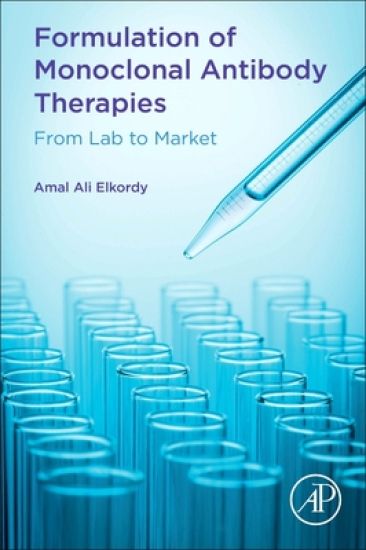
Formulation of Monoclonal Antibody Therapies

Formulation of Monoclonal Antibody Therapies

Amal Ali Elkordy

Academic Press Inc
2023
nidottu
Formulation of Monoclonal Antibody Therapies: From Lab to Market covers a wide range of topics about therapeutic monoclonal antibodies (mAbs) with a focus on formulation aspects. Therapeutic monoclonal antibodies are used for treatment of chronic diseases. It brings together a comprehensive knowledge in one accessible volume. Starting with foundational information on monoclonal antibodies, the book then discusses the importance of biopharmaceutical products, monoclonal antibodies, and biosimilars in treatment of chronic diseases, pharmaceutical aspects of mAbs, and how it can be administered. It also covers the industrial point of view and the clinical application of mAbs including in oncology, general medicine, rheumatology, hematology, dermatology, gastrointestinal tract, metabolic diseases, and dentistry. Formulation of Monoclonal Antibody Therapies: From Lab to Market is essential reading for researchers in biotechnology and biopharmaceutical fields, academics and pharmaceutical industrial scientists, and university students in pharmaceutical and biopharmaceutical sciences.
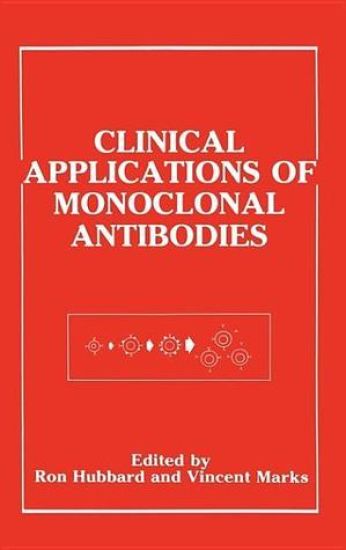
Clinical Applications of Monoclonal Antibodies

Clinical Applications of Monoclonal Antibodies

Ron Hubbard; Vincent Marks

Kluwer Academic/Plenum Publishers
1989
sidottu
Immunology has come a long way in the hundred or so years since the general concepts were first enuciated by Metchnikoff, Ehrlich, Von Bebring and others, One of the landmarks in this progress was the invention and development of monoclonal antibody secreting hybridomas by Milstein and bis co-workers in Cambridge. Unlike most modern inventions of this importance that of monoclonal antibody production was made available to the scientific community tbroughout the world unimpeded by patent protection. This may explain tbe unusual rapidity witb which it has been applied to the benefit of mankind in general. This book, representing as it does the proceedings of tbe first International Symposium to be held on the clinical appli­ cations of monoclonal antibodies, shows just how much bas been achieved within the space of little more than a decade. The enormaus promise of monoclonal antibody technology, which became apparent soon after its discovery, has already progressed a long way towards fulfillment. The contributors to tbis volume, all of whom are actively engaged in monoclonal antibody development and application, represent the state of the art. Professor Vincent Marks V INTRODUCTION It has been some twelve years since the pioneering experiments of Köhler and Milstein led to the discovery of monoclonal antibodies. Single molecular species antiborlies with desired specificities could be produced by the fusion of antibody - producing cells with neoplastic cells.
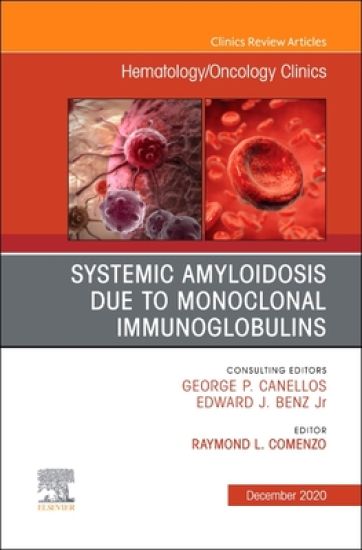
Systemic Amyloidosis due to Monoclonal Immunoglobulins, An Issue of Hematology/Oncology Clinics of North America
This issue of Hematology/Oncology Clinics, Guest Edited by Dr. Raymond L. Comenzo, is devoted to Systemic Amyloidosis due to Monoclonal Immunoglobulins. This issue is one of six selected each year by our series Consulting Editors, George P. Canellos and Edward J. Benz. Topics discussed in this important issue include: The Spectrum of Monoclonal Immunoglobulin Diseases, Systemic Amyloidosis due to Clonal Plasma Cell Diseases, Systemic Amyloidosis due to Low-grade Lymphomas, The Process of Amyloid Formation due to Monoclonal Immunoglobulins, Cardiac Involvement, Renal Involvement, Liver and Gastrointestinal Involvement, Peripheral Nervous System Involvement, Options for Chemotherapy, Stem-cell Mobilization and Autologous Transplant, Monoclonal Antibody Therapies, Solid Organ Transplant, Supportive Care, Patient Voices, and Future Perspectives.
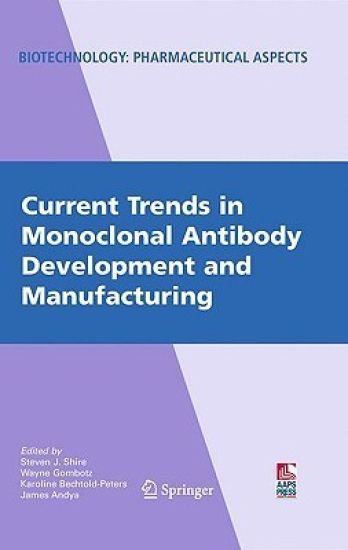
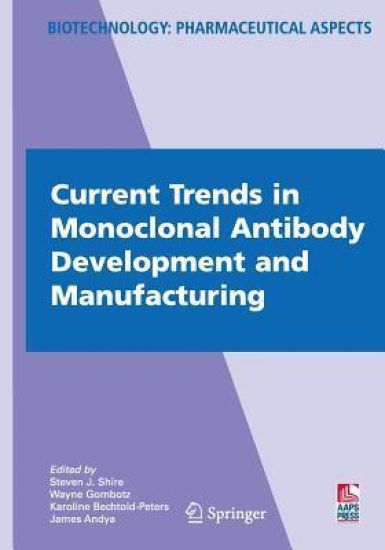
Current Trends in Monoclonal Antibody Development and Manufacturing
Monoclonal antibodies represent one of the fastest growing areas of new drug development within the pharmaceutical industry. Several blockbuster products have been approved over the past several years including Rituxan, Remicade, Avastin, Humira, and Herceptin. In addition, over 300 new drugs are currently in clinical trials. With both large, established biotechnology companies and small start-ups involved in the development of this important class of molecules, monoclonal antibodies products will become increasingly prevalent over the next decade. Recently the regulatory review of monoclonal antibodies has been moved from Center for Biologics and Research to the Center for Drug Evaluation and Research (CDER) division of the US Food and Drug Administration. It is anticipated that CDER will expect a certain minimal amount of data to be provided as more of these products move through the regulatory pipeline. Current Trends in Monoclonal Antibody Development and Manufacturing will provide readers with an understanding of what is currently being done in the industry to develop, manufacture, and release monoclonal antibody products and what will be required for a successful regulatory submission.
A Practical Guide to Monoclonal Antibodies

A Practical Guide to Monoclonal Antibodies

J. Eryl Liddell; A. Cryer

John Wiley Sons Inc
1991
nidottu
A Practical Guide to Monoclonal Antibodies J. Eryl Liddell and A. Cryer Department of Biochemistry, University of Wales College of Cardiff, UK This book has evolved as a result of the success of the post-experience courses in monoclonal antibody technology run by the Department of Biochemistry, University of Wales College of Cardiff. The authors have designed it to provide all the information required by a competent scientist to produce monoclonal antibodies, from basic tissue culture techniques, through immunisation strategies and screening test design, to the production of hybridoma cell lines and basic antibody characterisation, purification and labelling. The protocols are presented in a clearly distinguishable format for use at the laboratory bench. The concluding chapter provides an overview of the current status of human hybridoma production and antibody engineering using techniques of molecular biology. This book is essential reading for graduates in the biological sciences and in medicine who are involved in the making and using of monoclonal antibodies in commercial, university and medical laboratories.
Critical Analysis of Monoclonal Antibody Therapy in Transplantation
Critical Analysis of Monoclonal Antibody Therapy in Transplantation provides a critical analysis of monoclonal antibody therapies in transplantation. The book presents diverse approaches to monoclonal antibody therapy in transplantation and addresses some of the serious obstacles that remain both in understanding these mechanisms and in successfully applying them in clinical situations. The background and rationale for OKT3 therapy are examined and an extensive clinical experience with OKT3 induction therapy in cardiac transplantation is reviewed. The book also examines the background and rationale for the use of anti-TcR (??), anti-IL-2R, and anti-LFA-1 monoclonal antibodies in clinical transplantations. Other topics include the use of monclonal antibodies to CD4 and CD8 for the induction of adult transplantation tolerance in rodents and the possibilities for applying anti-idiotypical strategies that have proven useful in autoimmunity models to transplant recipients. Researchers and basic scientists involved in this field will find the book a fascinating and useful resource for their investigations.
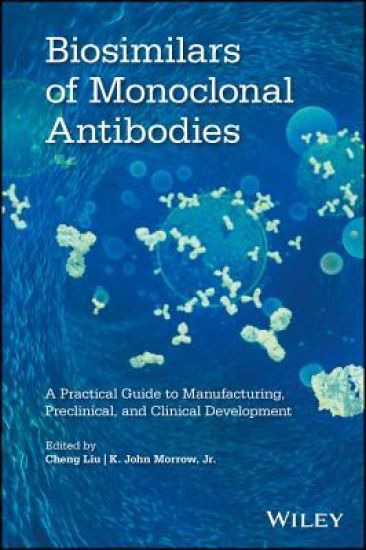
Biosimilars of Monoclonal Antibodies
Addressing a significant need by describing the science and process involved to develop biosimilars of monoclonal antibody (mAb) drugs, this book covers all aspects of biosimilar development: preclinical, clinical, regulatory, manufacturing. • Guides readers through the complex landscape involved with developing biosimilar versions of monoclonal antibody (mAb) drugs• Features flow charts, tables, and figures that clearly illustrate processes and makes the book comprehensible and accessible• Includes a review of FDA-approved mAb drugs as a quick reference to facts and useful information• Examines new technologies and strategies for improving biosimilar mAbs
Rat Hybridomas and Rat Monoclonal Antibodies (1990)
The purpose of this book is to provide information which supports the fact that rat hybridomas are no more difficult to develop than mouse hybridomas. This is the first book devoted to the development of rat hybridomas. It includes theories, step-by-step techniques, ingredients and apparatus. The focus of this work is on the antibody repertoire, the unique biological properties of rat immunoglobulins, the one-step purification procedure by immunoaffinity chromatography, the absence of C-type particles, and the easy production of large amounts of ascitic fluid containing rat MAb. This rare publication is an absolute must for all scientists using MAbs and those interested in the fields of immunology, biotechnology, and biochemistry.
Rat Hybridomas and Rat Monoclonal Antibodies (1990)
The purpose of this book is to provide information which supports the fact that rat hybridomas are no more difficult to develop than mouse hybridomas. This is the first book devoted to the development of rat hybridomas. It includes theories, step-by-step techniques, ingredients and apparatus. The focus of this work is on the antibody repertoire, the unique biological properties of rat immunoglobulins, the one-step purification procedure by immunoaffinity chromatography, the absence of C-type particles, and the easy production of large amounts of ascitic fluid containing rat MAb. This rare publication is an absolute must for all scientists using MAbs and those interested in the fields of immunology, biotechnology, and biochemistry.
Clinical Applications of Monoclonal Antibodies

Clinical Applications of Monoclonal Antibodies

Ron Hubbard; Vincent Marks

Springer-Verlag New York Inc.
2013
nidottu
Immunology has come a long way in the hundred or so years since the general concepts were first enuciated by Metchnikoff, Ehrlich, Von Bebring and others, One of the landmarks in this progress was the invention and development of monoclonal antibody secreting hybridomas by Milstein and bis co-workers in Cambridge. Unlike most modern inventions of this importance that of monoclonal antibody production was made available to the scientific community tbroughout the world unimpeded by patent protection. This may explain tbe unusual rapidity witb which it has been applied to the benefit of mankind in general. This book, representing as it does the proceedings of tbe first International Symposium to be held on the clinical appli­ cations of monoclonal antibodies, shows just how much bas been achieved within the space of little more than a decade. The enormaus promise of monoclonal antibody technology, which became apparent soon after its discovery, has already progressed a long way towards fulfillment. The contributors to tbis volume, all of whom are actively engaged in monoclonal antibody development and application, represent the state of the art. Professor Vincent Marks V INTRODUCTION It has been some twelve years since the pioneering experiments of Köhler and Milstein led to the discovery of monoclonal antibodies. Single molecular species antiborlies with desired specificities could be produced by the fusion of antibody - producing cells with neoplastic cells.
Current Trends in Monoclonal Antibody Development and Manufacturing
Monoclonal antibodies represent one of the fastest growing areas of new drug development within the pharmaceutical industry. Several blockbuster products have been approved over the past several years including Rituxan, Remicade, Avastin, Humira, and Herceptin. In addition, over 300 new drugs are currently in clinical trials. With both large, established biotechnology companies and small start-ups involved in the development of this important class of molecules, monoclonal antibodies products will become increasingly prevalent over the next decade. Recently the regulatory review of monoclonal antibodies has been moved from Center for Biologics and Research to the Center for Drug Evaluation and Research (CDER) division of the US Food and Drug Administration. It is anticipated that CDER will expect a certain minimal amount of data to be provided as more of these products move through the regulatory pipeline. Current Trends in Monoclonal Antibody Development and Manufacturing will provide readers with an understanding of what is currently being done in the industry to develop, manufacture, and release monoclonal antibody products and what will be required for a successful regulatory submission.
Human Hybridomas and Monoclonal Antibodies

Human Hybridomas and Monoclonal Antibodies

Springer-Verlag New York Inc.
2012
nidottu
Soon after Kohler and Milstein described the use of somatic cell hybridization for the production of murine monoclonal antibodies of desired specificity, this relatively simple technique became widely applied. Indeed, production of murine monoclonal antibodies is now considered routine by immunologists and nonimmunologists alike. However, as heterologous proteins, mouse monoclonal antibodies have one major limitation: they are immunogenic in man and, hence, their use in vivo is severely limited. An obvious solution to this problem is to produce human hybridomas with the same techniques used for the production of rodent hybrids. Unfortunately, the history of human hybridomas has been marked by substantive and often exasperating tech­ nical problems, and the first reports of hybrids secreting human immu­ noglobulin of desired specificity did not appear until 1980. These reports were met with initial enthusiasm, but it soon became apparent that while human lymphocytes might be fused, their frequency, level of Ig synthesis, and stability were such that production of human antibodies with this method was neither routine nor practical. Nonetheless, a sufficient number of investiga­ tors persevered, and during the next 5 years relatively efficient B-cell fusion partners as well as improved methods of Epstein-Barr virus transformation were developed. Generation of human T -T hybrids has also been achieved, although problems of chromosomal stability remain a substantial obstacle, more so than with B-cell lines.
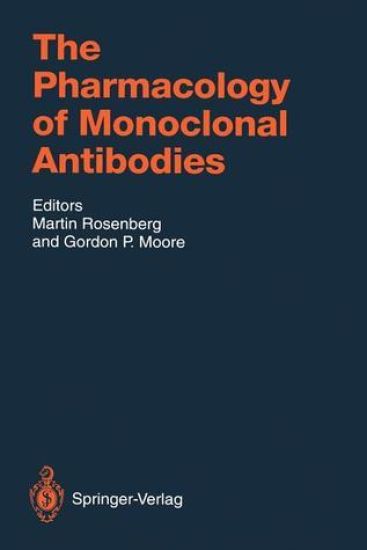
The Pharmacology of Monoclonal Antibodies

The Pharmacology of Monoclonal Antibodies

Springer-Verlag Berlin and Heidelberg GmbH Co. K
2012
nidottu
It has been almost 20 years since the discovery by Kohler and Milstein of the technology to produce monoclonal antibodies (MAbs), a discovery that promised revolutionary changes in research, clinical diagnosis and human therapy. From today's perspective, it is fair to conclude that this promise has been realized in two areas of the three. As research tools, MAbs have been invaluable: their ability to selectively bind and localize specific antigens, detect and identify new ligands and their receptors, and agonize and/or antagonize specific molecular interactions continues to provide a useful and enabling technology to basic research endeavors. Similarly, MAbs have demonstrated enormous practical impact as diagnostic tools. Recent advances in clinical diagnostic medicine continue to rely heavily on the use of MAb-based reagents for detecting and localizing antigens of clinical import. In contrast, however, MAbs have not proven to have major impact on human disease therapy. With the single exception of an immunosup­ pressive MAb against the T-cell antigen, CD3, MAbs have as yet found few meaningful applications as therapeutic agents. During the 1980s, a set of technologies to clone, modify and express genes encoding MAbs was developed. These breakthroughs permitted MAbs to be genetically engineered which consequently gave them the potential to greatly enhance their therapeutic utility as well as significantly expand their research and diagnostic applications. New MAbs, fragments of MAbs, bispecific MAbs, single-chain MAbs, and fusions of MAbs with other gene products became available for study.
Systemic Radiotherapy with Monoclonal Antibodies

Systemic Radiotherapy with Monoclonal Antibodies

Springer-Verlag Berlin and Heidelberg GmbH Co. K
2011
nidottu
Almost a century ago Paul Ehrlich introduced the "magic bullet" concept of targeting therapeutic agents to specific tissues in order to reduce systemic toxicity. Due to the advances in hybridoma technology in the 1980s, monoclonal antibodies (MAbs) with their exquisite affinity to tumor antigens have become powerful tools in the treatment of cancer, especially when linked to therapeutic agents such as radionuclides, drugs, toxins, or enzymes. It can now be expected that such agents will lead to new cancer treatments with high therapeutic success rates. However, there are major problems in developing this therapeutic concept to a routine treatment modality. This is partly due to factors such as heterogenous distribution of tumor antigens, insufficient blood supply of tumors, high interstitial pressure, and the large interstitial space that antibodies have to traverse. This book is focused on the development in radio immunotherapy (RIT) using radio­ labeled monoclonal antibodies as tumoritoxic agents. This area of research has attracted the interest of clinicians and scientists from many different disciplines. It is now clear that the full potential of RIT can only be realized through the concerted efforts of laboratory scientists (molecular biologists, cell physiologists, chemists, radiation physicists, and biologists) and cancer clinicians in nuclear medicine, radiooncology, and internal oncology.